Research Activities
Our research integrates molecular design, polymer synthesis, materials processing, and device engineering to develop high-performance materials for emerging electronic and energy applications. We focus on understanding structure–property relationships and translating fundamental materials discoveries into functional devices for flexible electronics, sensing, optoelectronics, and energy storage.
1. Organic Semiconductors
High-mobility polymers and transistors
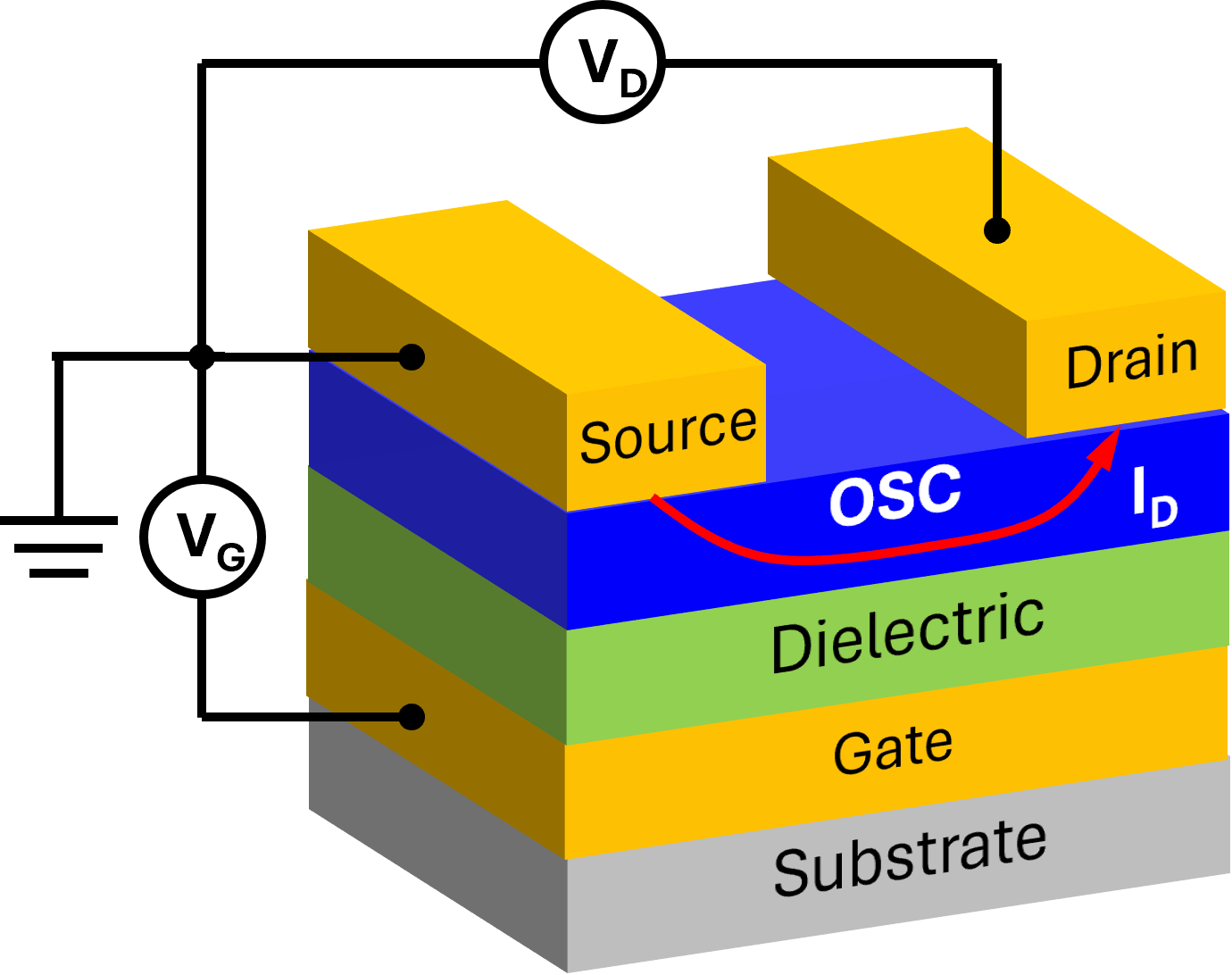
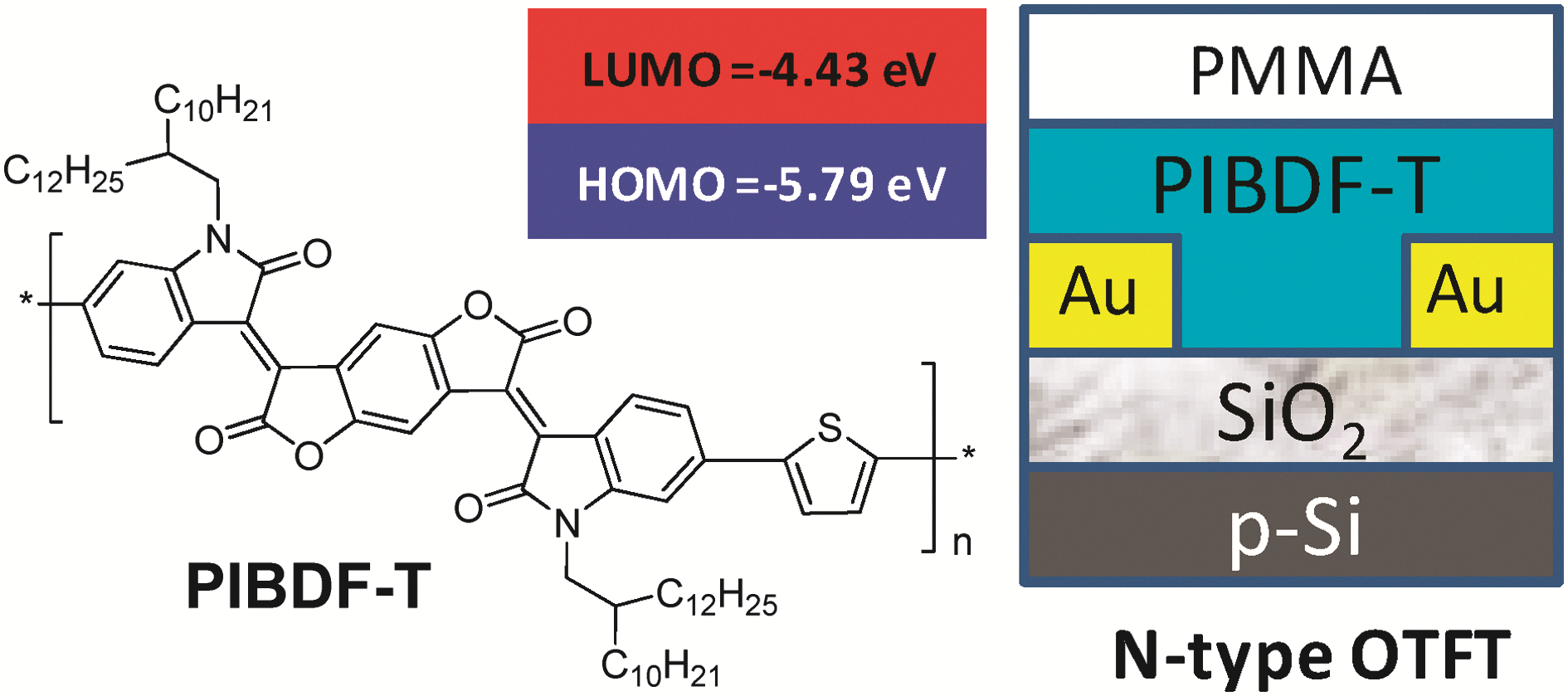
Organic Thin Film Transistor (OTFT)
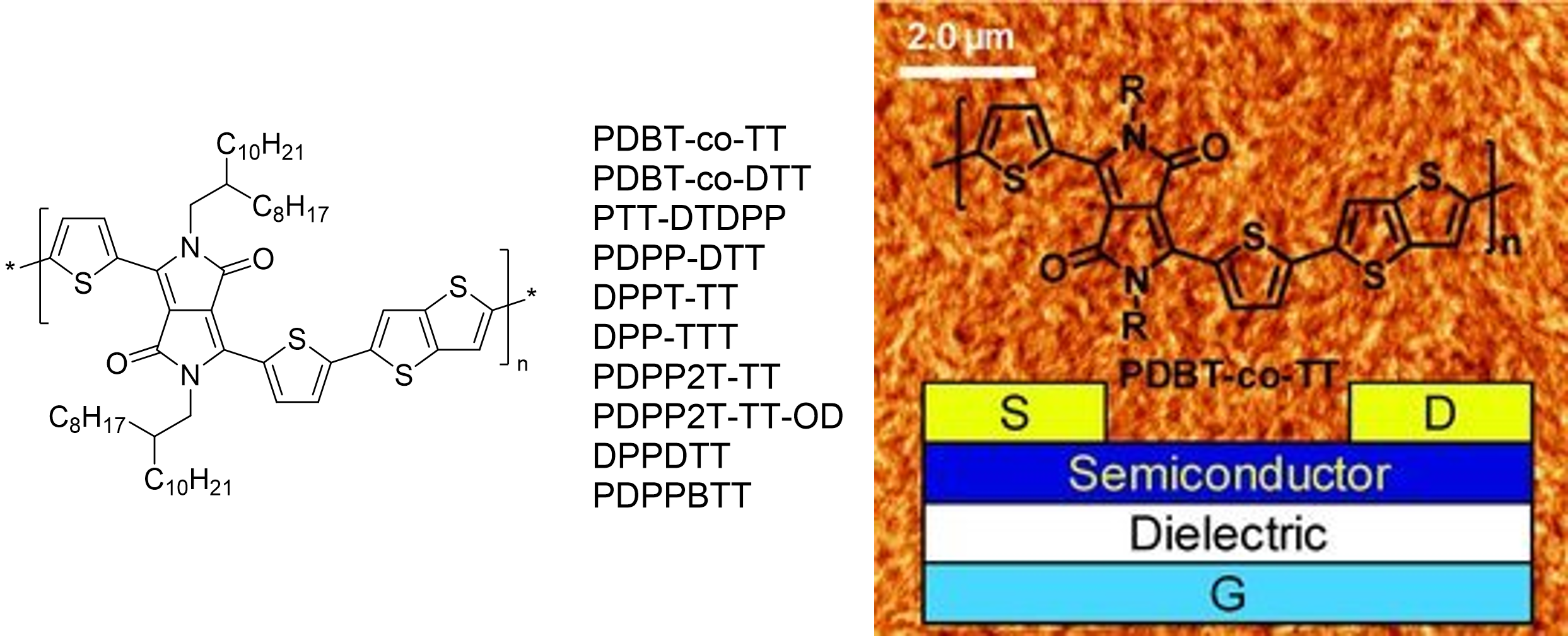
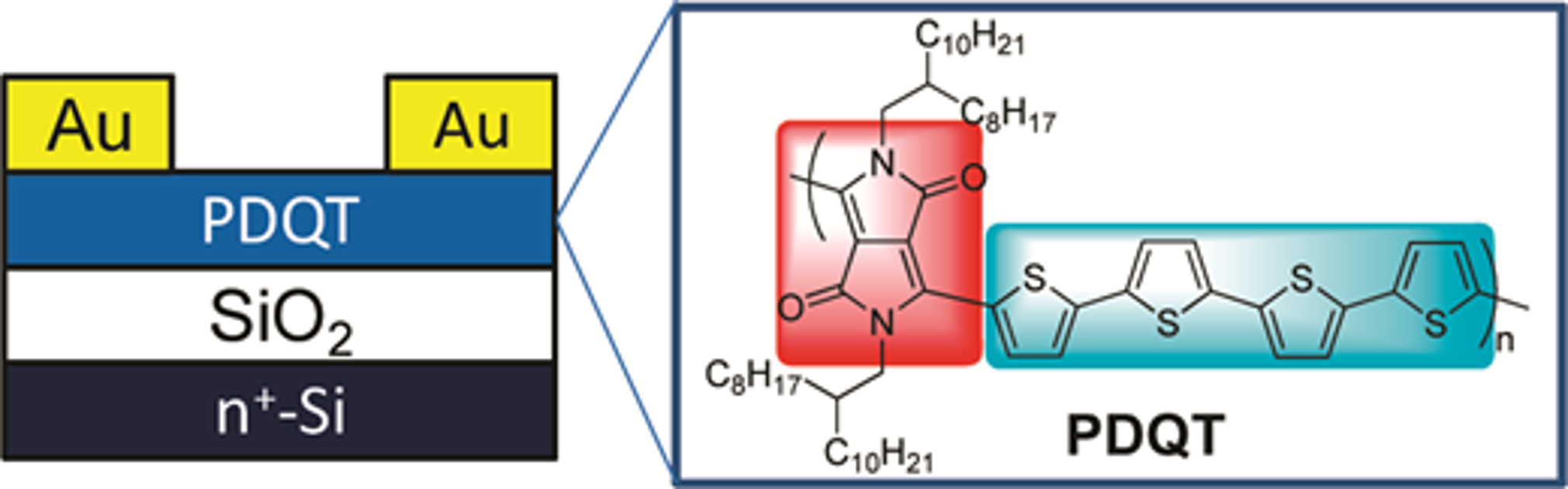
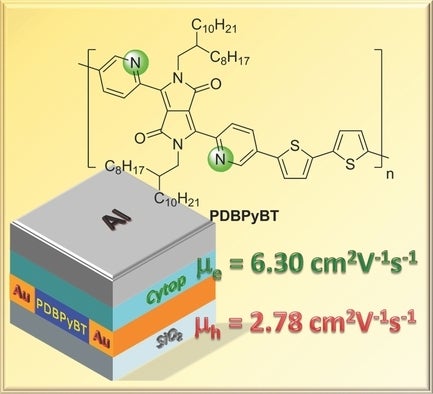
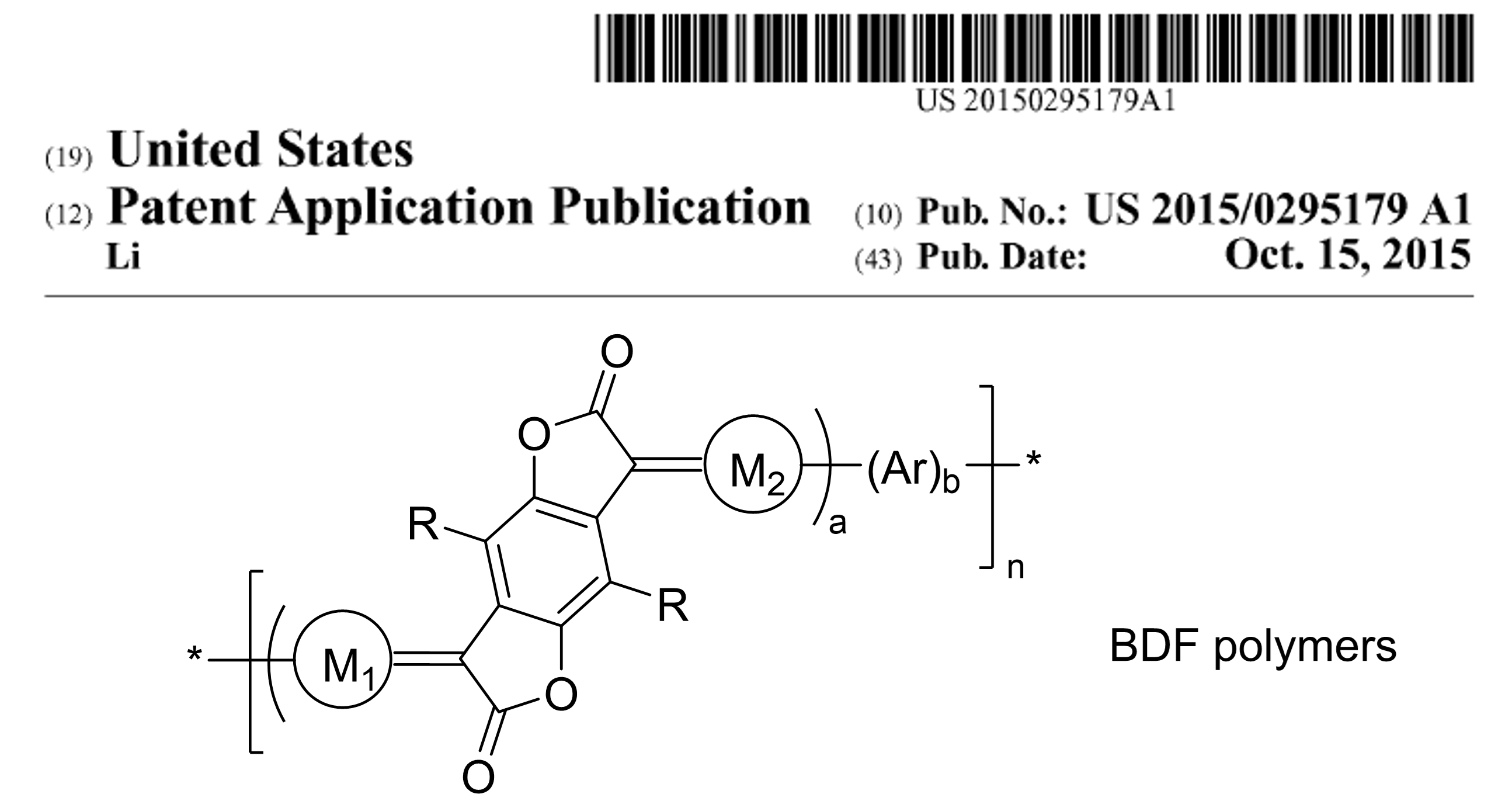
Representative High-mobility Polymers
Research Focus
Our laboratory develops high-performance π-conjugated polymer semiconductors for organic thin-film transistors (OTFTs) to enable flexible displays, RFID tags, and other printed electronic devices. Through molecular engineering of donor–acceptor building blocks, we investigate the relationships between polymer structure, molecular packing, charge transport, and environmental stability.
Selected Research Achievements
- Developed more than 30 novel building blocks for π-conjugated polymers.
- Pioneered high-mobility DPP-based polymer semiconductors, with charge-carrier mobilities subsequently reaching 10 cm² V⁻¹ s⁻¹.
- Developed ambipolar polymer semiconductors with electron and hole mobilities of 6.3 and approximately 2.8 cm² V⁻¹ s⁻¹, respectively.
- Designed electron-deficient building blocks for air-stable n-type polymer semiconductors.
Selected Publications and Patents:
- Li, Y.; Singh, S. P.; Sonar, P. A High Mobility P-Type DPP-Thieno[3,2-b]Thiophene Copolymer for Organic Thin-Film Transistors. Adv. Mater. 2010, 22 (43), 4862–4866. https://doi.org/10.1002/adma.201002313.
- Li, Y.; Sonar, P.; Singh, S. P.; Soh, M. S.; van Meurs, M.; Tan, J. Annealing-Free High-Mobility Diketopyrrolopyrrole−Quaterthiophene Copolymer for Solution-Processed Organic Thin Film Transistors. J. Am. Chem. Soc. 2011, 133 (7), 2198–2204. https://doi.org/10.1021/ja1085996.
- Sun, B.; Hong, W.; Yan, Z.; Aziz, H.; Li, Yuning. Record High Electron Mobility of 6.3 cm2V-1s-1 Achieved for Polymer Semiconductors Using a New Building Block. Adv. Mater. 2014, 26 (17), 2636–2642. https://doi.org/10.1002/adma.201305981.
- Li, Y. Diketopyrrolopyrrole-based derivatives for thin film transistors. EP2034537A3.
- Li, Y. Diketopyrrolopyrrole-based derivatives for thin film transistors. US7910684B2.
- Li, Y. Diketopyrrolopyrrole-based polymers. US7932344B2.
-
Yan, Z.; Sun, B.; Li, Y. Novel Stable (3E,7E)-3,7-Bis(2-Oxoindolin-3-Ylidene)Benzo[1,2-b:4,5-B′]Difuran-2,6(3H,7H)-Dione Based Donor–Acceptor Polymer Semiconductors for n-Type Organic Thin Film Transistors. Chem. Commun. 2013, 49 (36), 3790–3792. https://doi.org/10.1039/C3CC40531A.
- Li, Y. Monomeric, oligomeric and polymeric semiconductors containing fused rings and their devices. US20150295179A1.
-
Li, Y.; Sonar, P.; Murphy, L.; Hong, W. High Mobility Diketopyrrolopyrrole (DPP)-Based Organic Semiconductor Materials for Organic Thin Film Transistors and Photovoltaics. Energy Environ. Sci. 2013, 6 (6), 1684–1710. https://doi.org/10.1039/c3ee00015j.
-
Quinn, J. T. E.; Zhu, J.; Li, X.; Wang, J.; Li, Y. Recent Progress in the Development of N-Type Organic Semiconductors for Organic Field Effect Transistors. J. Mater. Chem. C 2017, 5 (34), 8654–8681. https://doi.org/10.1039/C7TC01680H.
2. Conductive Polymers
Molecular engineering and charge transport
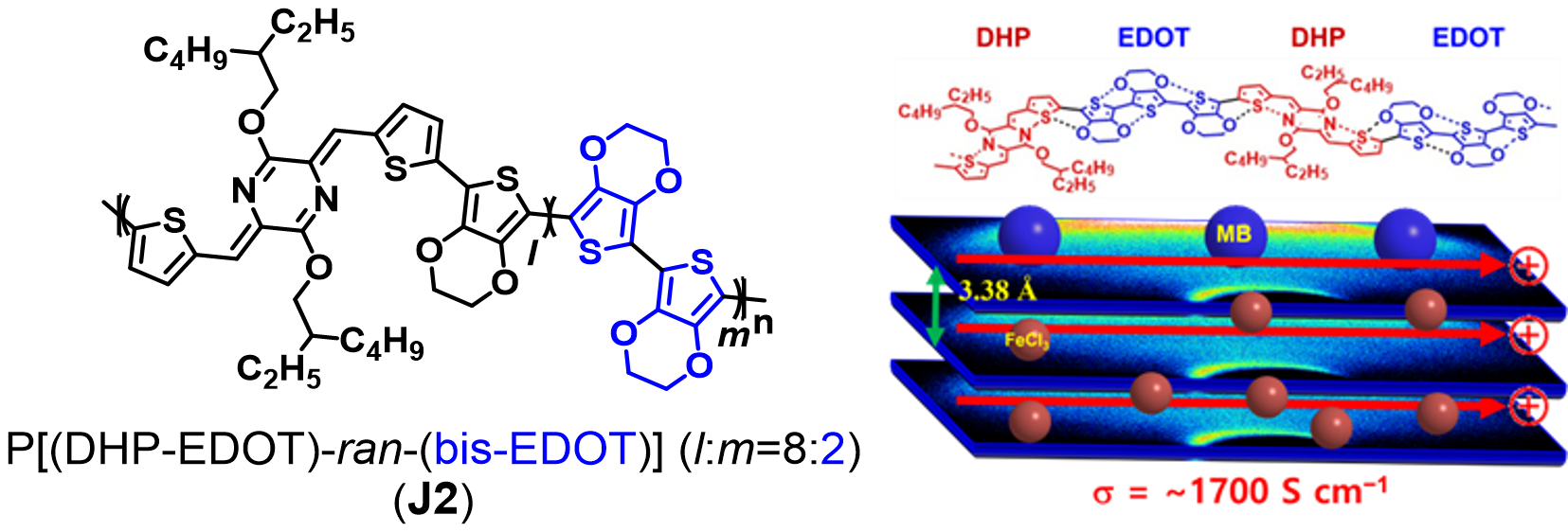
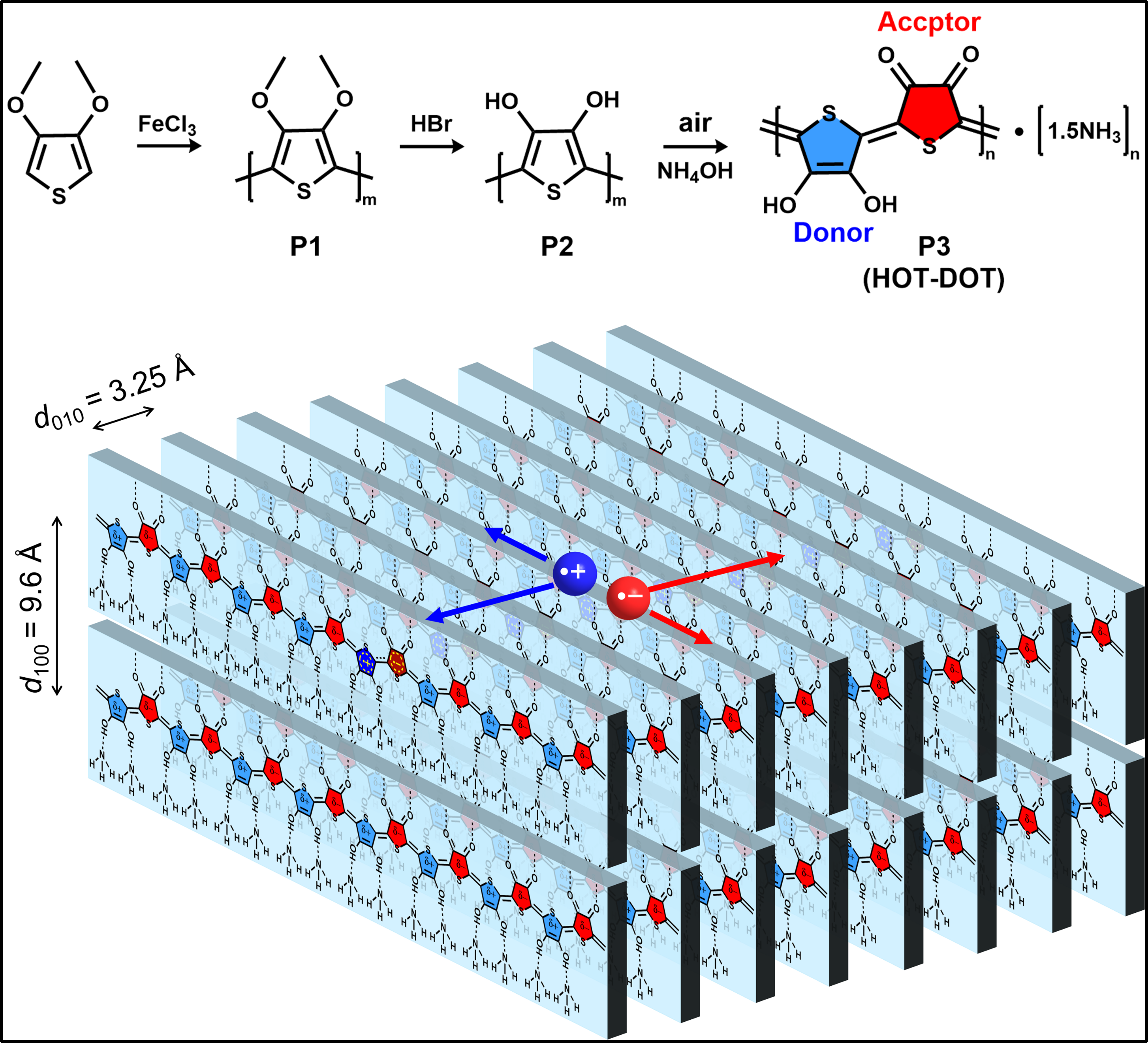
Representative Printable Conductors
Research Focus
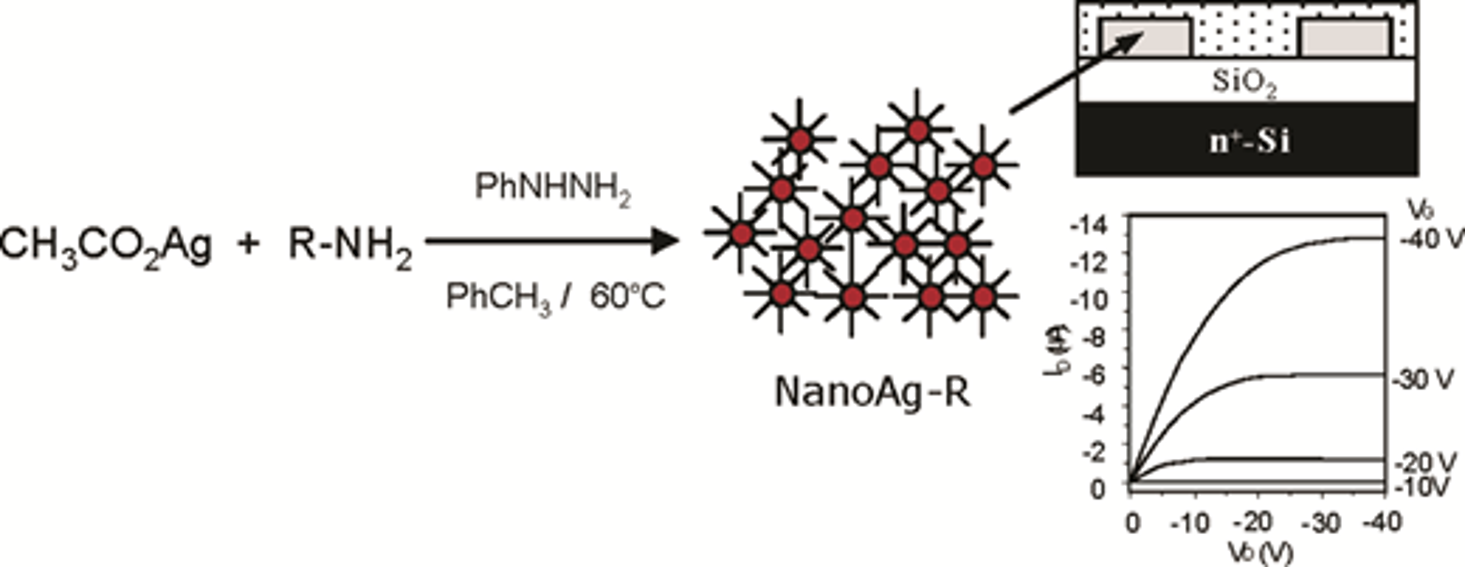
We develop novel conductive polymers through rational molecular design and investigate their electronic structures, molecular organization, and charge-transport mechanisms. Particular emphasis is placed on highly conductive π-conjugated polymers and emerging intrinsically conductive polymer systems that challenge conventional molecular design principles. We also develop nanoparticles-based conductive inks for applications where high conductivity is required.
Selected Research Achievements
- Developed a DHP-based conductive polymer with electrical conductivity of approximately 1,700 S cm⁻¹.
- Discovered an intrinsically conductive cross-conjugated polymer featuring a quinhydrone-like donor–acceptor charge-transfer network.
- Developed printable silver nanoparticle inks for low-temperature fabrication of conductive patterns on flexible substrates, a technology commercialized in 2009.
Selected Publications and Patents:
- Jeon, S. J.; Zhao, N.; Yuan, Y.; Li, Y. Solution‐Processable and Ambient‐Stable Highly Conductive p‐Type Polymers Derived from Dihydropyrazine and Ethylenedioxythiophene. Adv Funct Materials 2025, 2424664. https://doi.org/10.1002/adfm.202424664.
- Zhao, N.; Wang, Y.; Jin, X.; Li, Y. An Intrinsically Conductive Cross‐Conjugated Polymer with a Quinhydrone‐Like Donor–Acceptor Charge‐Transfer Network. Angew Chem Int Ed 2025, 64 (52), e18109. https://doi.org/10.1002/anie.202518109.
- Li, Y.; Wu, Y.; Ong, B. S. Facile Synthesis of Silver Nanoparticles Useful for Fabrication of High-Conductivity Elements for Printed Electronics. J. Am. Chem. Soc. 2005, 127 (10), 3266–3267. https://doi.org/10.1021/ja043425k.
- Li, Y.; Wu, Y.; Ong, B. S. Stabilized Silver Nanoparticles and Their Use. US7270694.
3. Sensors & Wearables
Temperature, pressure, light, and chemical detection and smart textiles
Various sensing materials
Research Focus
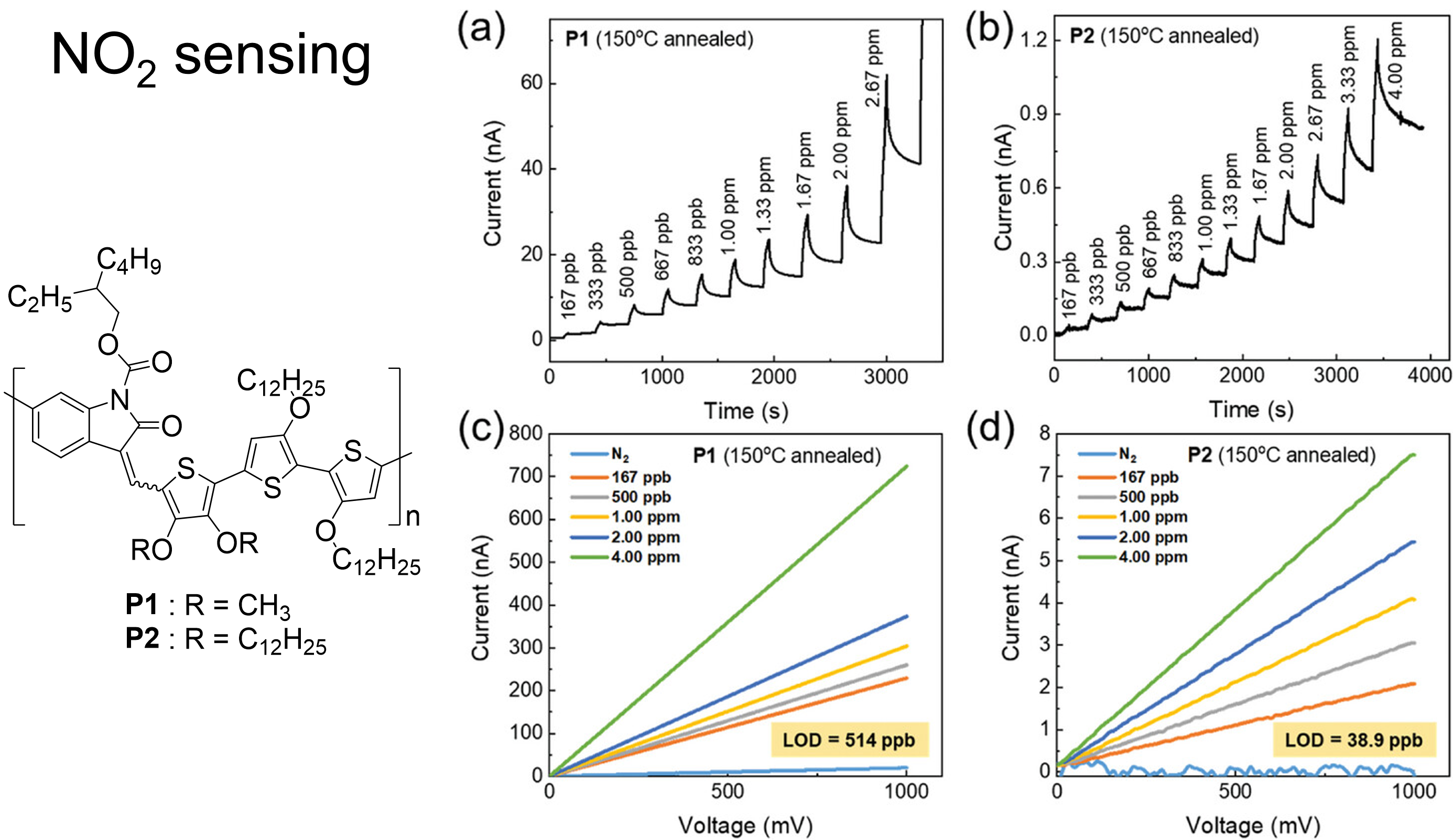
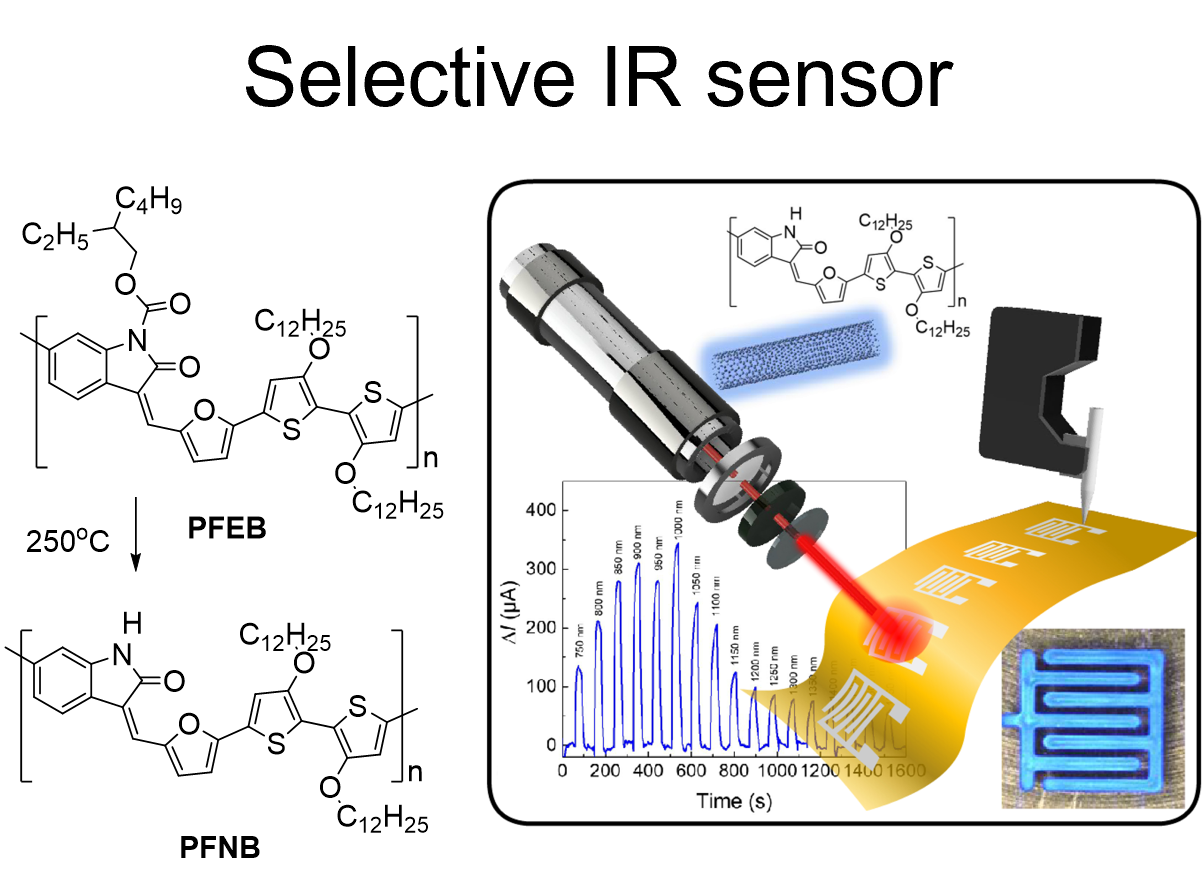
Our laboratory develops functional organic semiconductor and conductive polymer materials for chemical, ionic, thermal, and environmental sensing. We investigate sensing mechanisms using organic transistors, chemiresistors, and polymer nanocomposites, targeting applications in environmental monitoring, industrial safety, and wearable electronics.
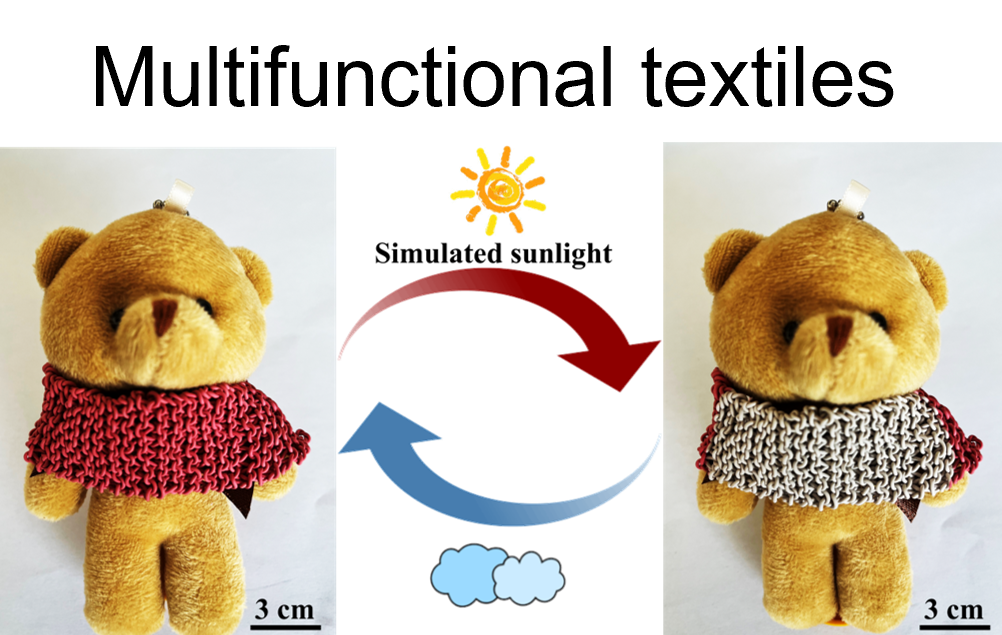
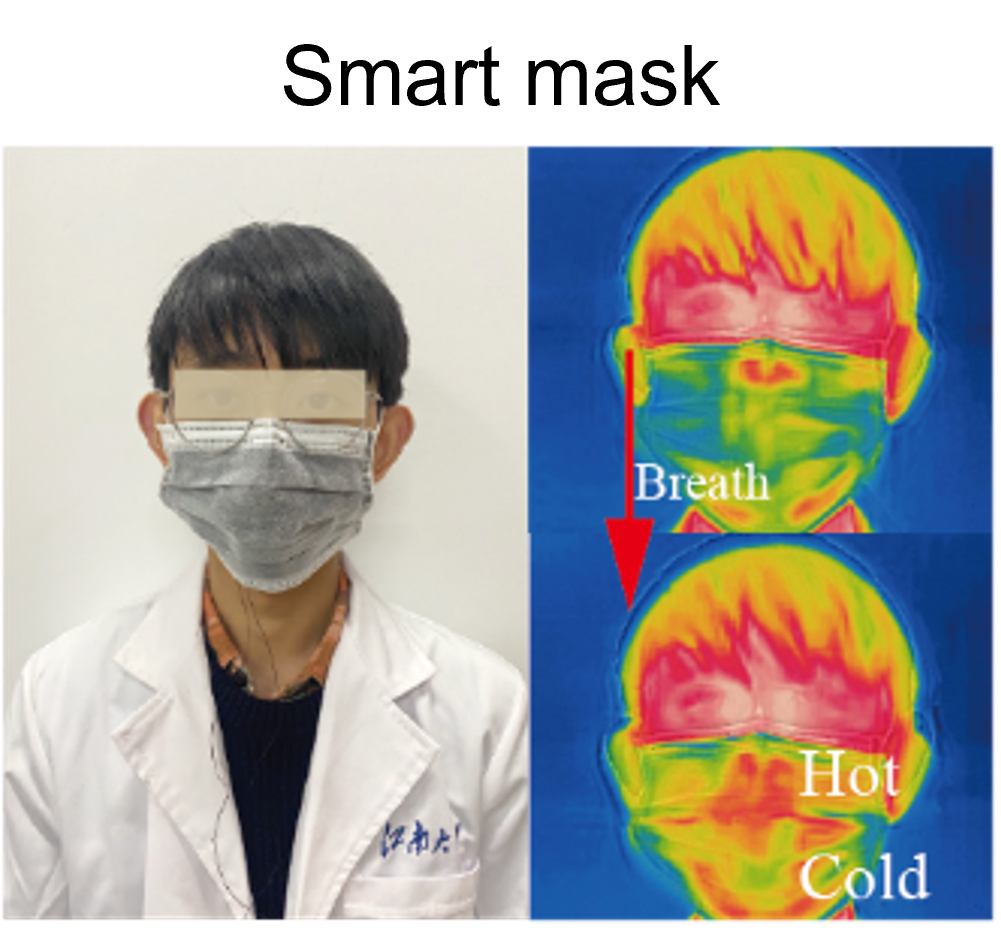
We also explore multifunctional smart textiles that integrate energy harvesting with temperature, strain, and movement sensing.
Selected Research Achievements
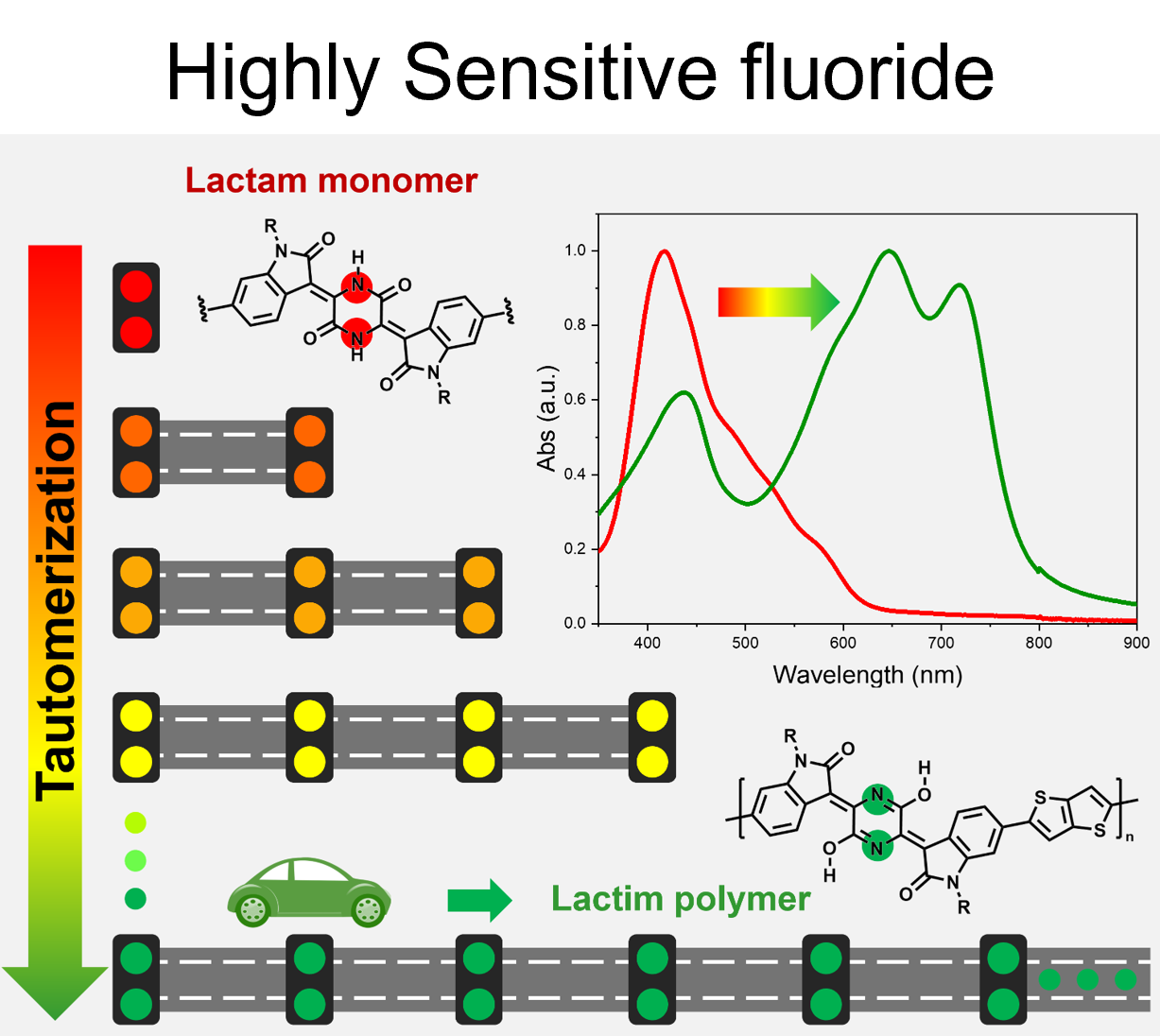
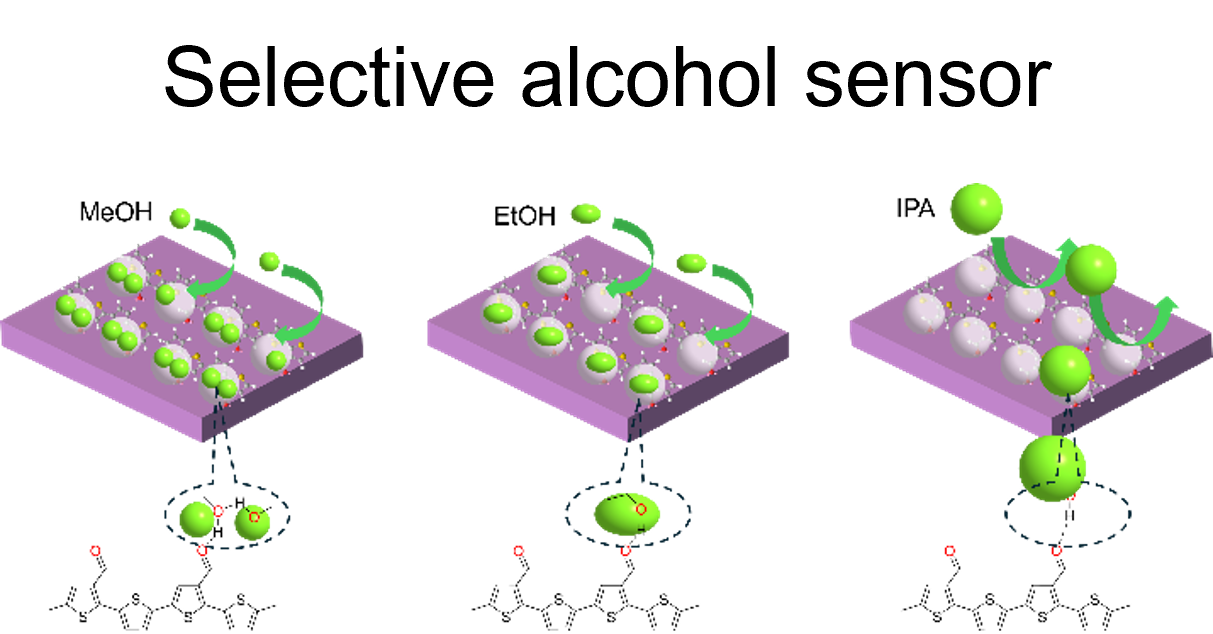
- Developed polymer-based chemical sensors for selective detection of gases, ions, and other environmental stimuli.
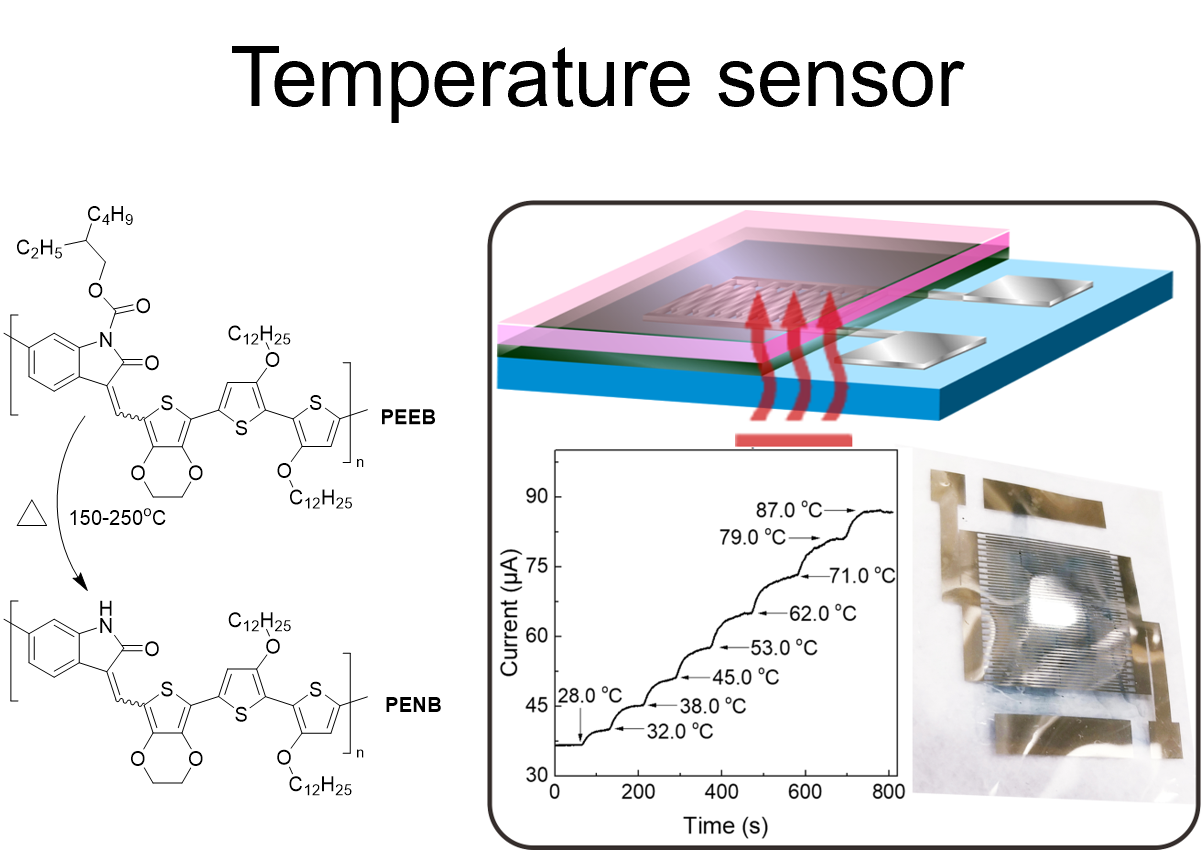
- Designed functional polymers with thermally removable side chains for highly sensitive temperature sensing.
- Developed stretchable MXene-based thermoelectric fabrics capable of harvesting body heat while monitoring temperature and movement.
- Developed colour-tunable photothermochromic fibres for smart textile applications.
Selected Publications:
- Ngai, J. H. L.; Polena, J.; Afzal, D.; Gao, X.; Kapadia, M.; Li, Y. Green Solvent‐Processed Hemi‐Isoindigo Polymers for Stable Temperature Sensors. Adv Funct Materials 2022, 2110995. https://doi.org/10.1002/adfm.202110995.
- Zhao, N.; Jeon, S. J.; Yuan, Y.; Venkateswarlu, S.; Stella, A.; Papazotos, J.; Li, Y. Full Conjugation in a Polymer with Non‐conjugated Piperazine‐2,5‐dione Units via Energy‐minimized Lactam‐to‐Lactim Tautomerization Enables Water‐gated Transistor Fluoride Sensors. Angew Chem Int Ed 2025, 64 (7), e202419314. https://doi.org/10.1002/anie.202419314.
- Zhong, Y.; Cui, S.; Song, J.; Zhao, N.; Yuan, Y.; Ngai, J. H. L.; Li, Z.; Ding, J.; Li, Y. Molecularly Imprinted Semiconducting Polymers for Size- and Interaction-Selective Gas Sensors Based on Organic Thin-Film Transistors. ACS Appl. Mater. Interfaces 2025, 17 (44), 61142–61152. https://doi.org/10.1021/acsami.5c12491.
- Ngai, J. H. L.; Li, Z.; Wang, J.; He, J.; Ding, J.; Li, Y. Strategic Design of Hemi‐Isoindigo Polymer for a Highly Sensitive and Selective All‐Printed Flexible Nitrogen Dioxide Chemiresistive Sensor. Small Methods 2024, 8 (9), 2301521. https://doi.org/10.1002/smtd.202301521.
- Ngai, J. H. L.; Li, Z.; Ding, J.; Li, Y. Printed SWCNT‐Based p–n Junction Thin‐Film Near‐Infrared Photoresistors Enabled by a Sustainable Furan‐Derived π‐Conjugated Polymer. Adv Materials Technologies 2026, 11 (19), e71185. https://doi.org/10.1002/admt.71185.
- Ge, F.; Peng, J.; Tan, J.; Yu, W.; Li, Y.; Wang, C. Color Tunable Photo-Thermochromic Elastic Fiber for Flexible Wearable Heater. Adv Compos Hybrid Mater 2024, 7 (5), 173. https://doi.org/10.1007/s42114-024-00994-4.
- Peng, J.; Ge, F.; Han, W.; Wu, T.; Tang, J.; Li, Y.; Wang, C. MXene-Based Thermoelectric Fabric Integrated with Temperature and Strain Sensing for Health Monitoring. Journal of Materials Science & Technology 2025, 212, 272–280. https://doi.org/10.1016/j.jmst.2024.06.011.
4. Solar Cells
Efficient and scalable solar materials
Representative Solar ell Materials
Research Focus
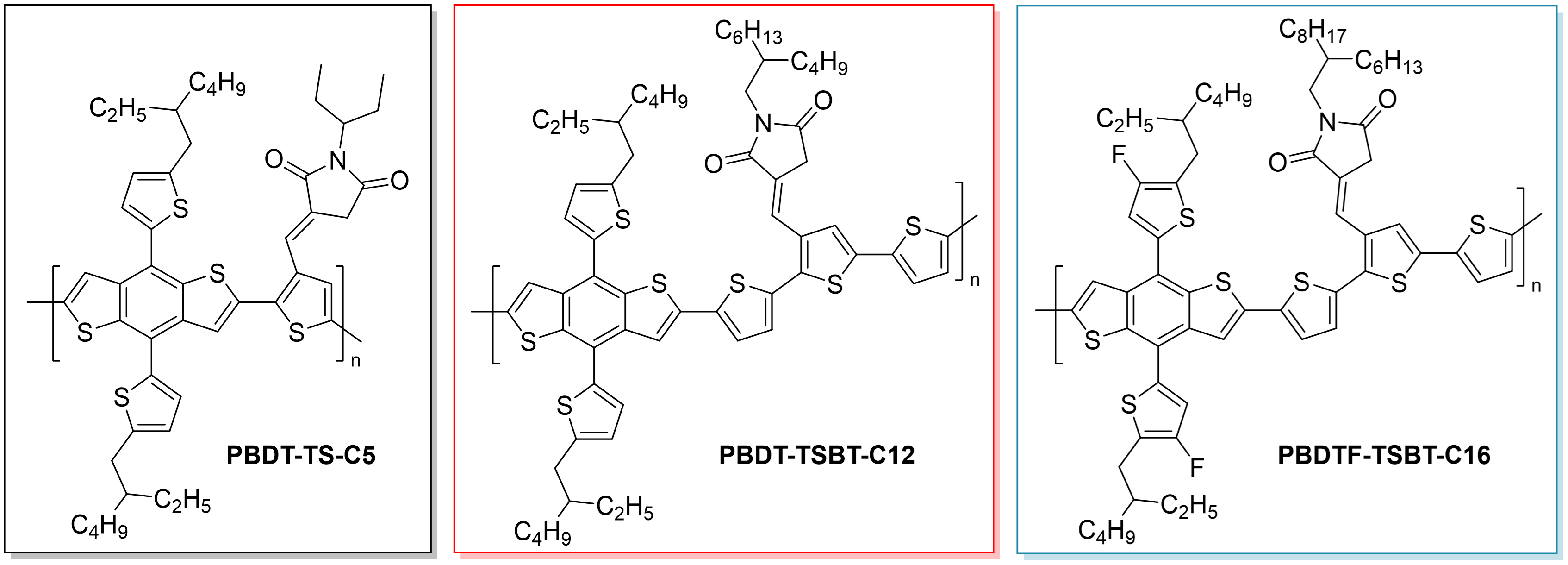
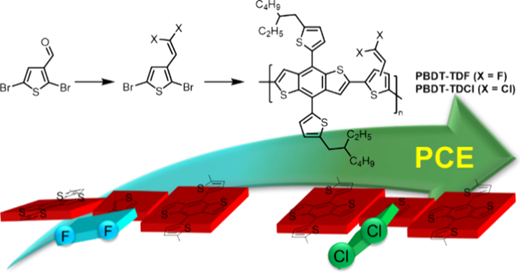
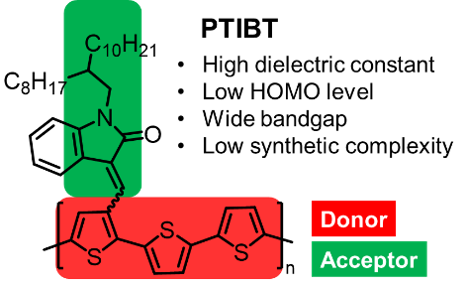
Our laboratory focuses on the molecular design and engineering of advanced organic materials for high-performance, cost-effective photovoltaic technologies, including organic solar cells, dye-sensitized solar cells, and perovskite solar cells. Our distinctive expertise lies in developing novel polymer and small-molecule semiconductors with tailored molecular structures and electronic properties to improve power conversion efficiency, operational stability, and manufacturing scalability.
A key research direction is the development of high-efficiency organic photovoltaic materials through simplified synthetic routes, reducing material complexity and production costs without compromising device performance. We also explore molecular engineering strategies to enhance the dielectric properties of organic semiconductors, facilitating exciton dissociation, charge separation, and charge transport. By integrating molecular design, materials synthesis, and device characterization, we aim to establish practical pathways toward efficient, stable, and economically viable solar cells.
Selected Research Achievements
- Developed cost-effective polymer donors with simplified synthetic routes.
- Engineered polymer backbones and side chains with polar functionalities to achieve high dielectric constants to reduce exciton binding energy.
- Investigated molecular packing, charge transport, and the influence of processing conditions on organic solar-cell performance.
Selected Publications:
- Yuan, Y.; Flynn, S.; Li, X.; Liu, H.; Wang, J.; Li, Y. Wide Bandgap Polymer Donors Based on Succinimide‐Substituted Thiophene for Nonfullerene Organic Solar Cells. Macromol. Rapid Commun. 2024, 2400275. https://doi.org/10.1002/marc.202400275.
- Yuan, Y.; Cui, S.; Li, X.; Liu, H.; Wang, J.; Li, Y. Wide Bandgap Polymer Donors Containing Dihalovinyl Thiophene Building Blocks for Organic Solar Cells. Macromolecules 2024, 57 (10), 4757–4768. https://doi.org/10.1021/acs.macromol.4c00195.
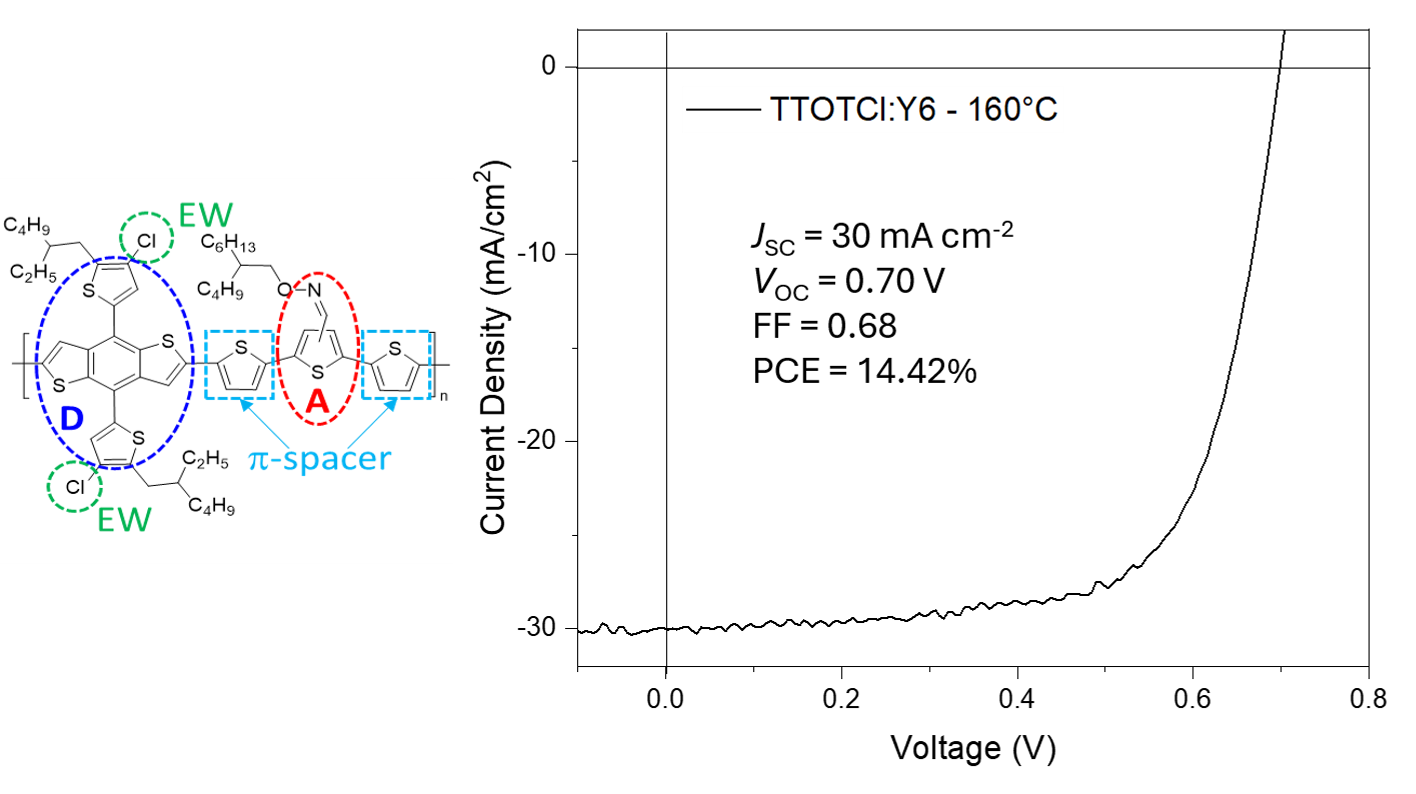
- Jiang, Y.; Liu, H.; Li, X.; Yuan, Y.; Wang, J.; Cui, B.; Li, Y. Alkyloxime-Substituted Thiophene-Based Wide-Band-Gap Polymer Donor Achieving a High Short Circuit Current Density of 30 mA Cm –2 in Organic Solar Cells. Chem. Mater. 2022, 34 (9), 4232–4241. https://doi.org/10.1021/acs.chemmater.2c00929.
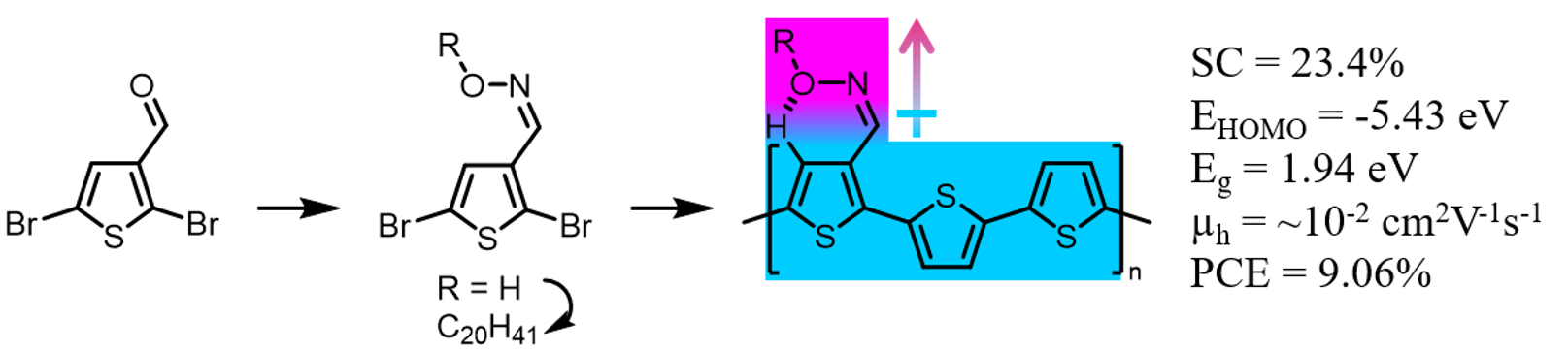
- He, K.; Kumar, P.; Abd-Ellah, M.; Liu, H.; Li, X.; Zhang, Z.; Wang, J.; Li, Y. Alkyloxime Side Chain Enabled Polythiophene Donors for Efficient Organic Solar Cells. Macromolecules 2020, 53 (20), 8796–8808. https://doi.org/10.1021/acs.macromol.0c01548.
- He, K.; Li, X.; Liu, H.; Zhang, Z.; Kumar, P.; Ngai, J. H. L.; Wang, J.; Li, Y. D‐A Polymer with a Donor Backbone ‐ Acceptor‐side‐chain Structure for Organic Solar Cells. Asian J. Org. Chem. 2020, 9 (9), 1301–1308. https://doi.org/10.1002/ajoc.202000172.
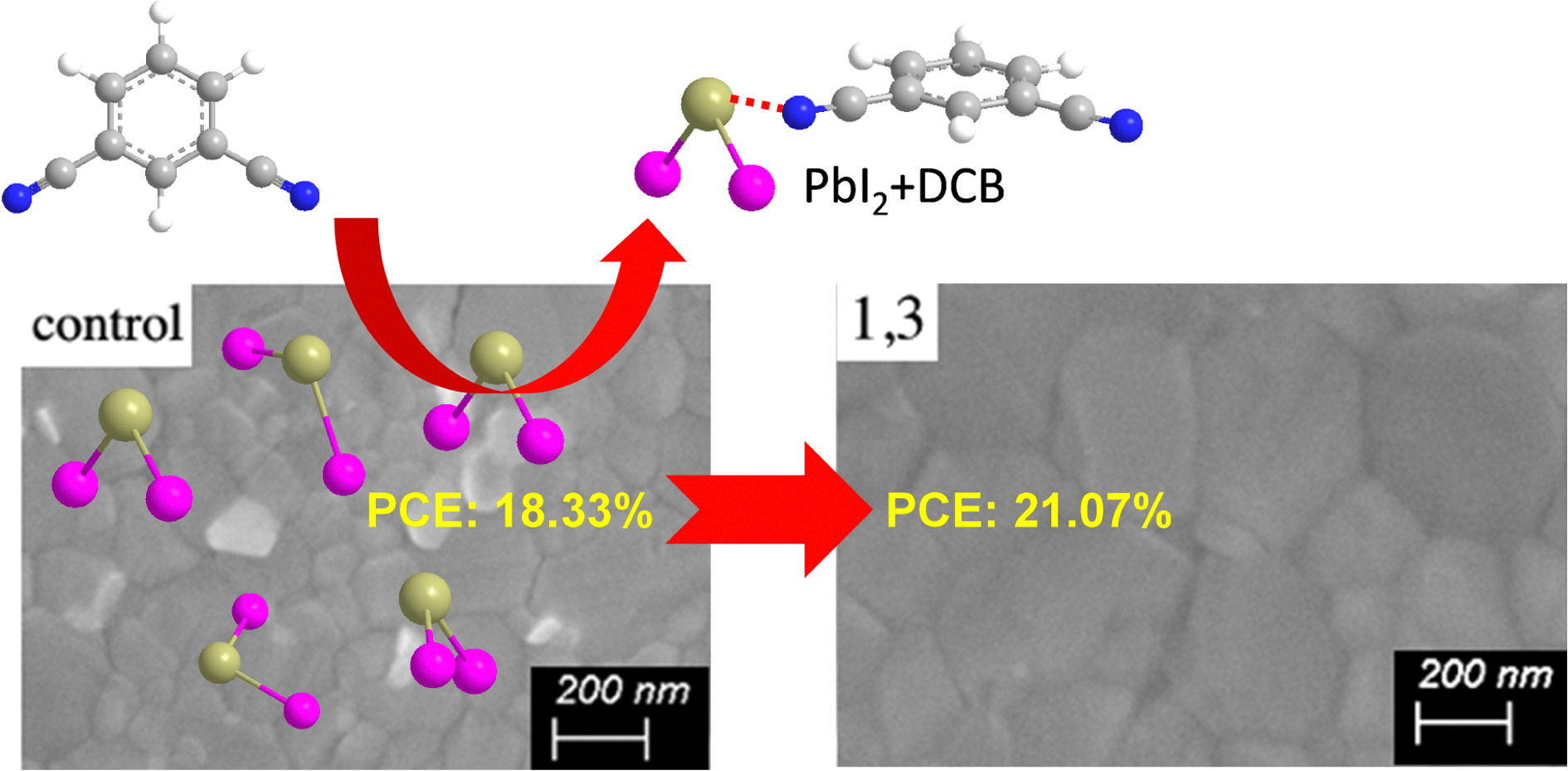
- Nurzhanov, M.; Mathur, A.; Li, Y.; Khamgaonkar, S.; Jeon, S. J.; Maheshwari, V.; Li, Y. Dicyanobenzene Passivated Perovskite Solar Cells with Enhanced Efficiency and Stability. J. Mater. Chem. C 2023, 11 (45), 15881–15891. https://doi.org/10.1039/D3TC03238H.
5. Advanced Battery Materials
Functional binders, solid electrolytes, and electrode materials
Representative battery materials
Research Focus
Our laboratory develops advanced materials for rechargeable batteries, including lithium-ion, lithium–sulfur, and organic batteries. Research focuses on multifunctional binders, organic redox-active compounds, and polymer electrolytes.
Our goal is to improve energy-storage performance, cycling stability, and manufacturing sustainability through innovative polymer chemistry, interfacial engineering, and electrode design.
Selected Research Achievements
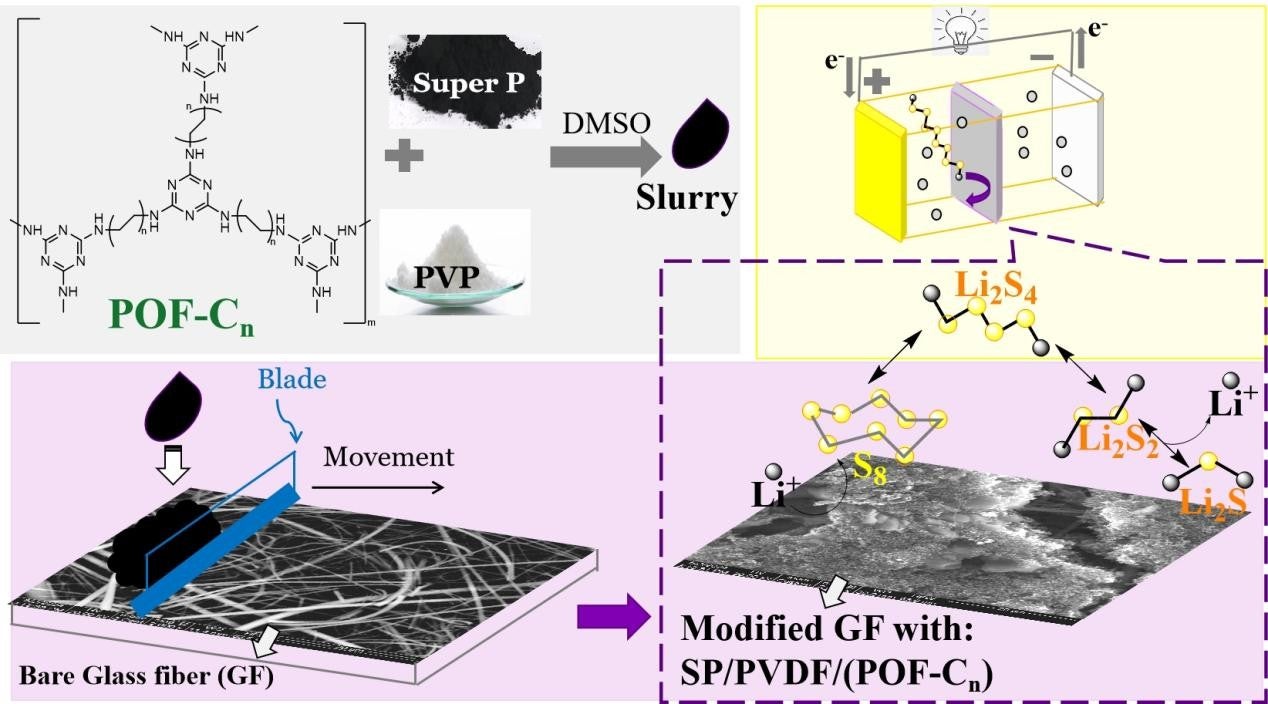
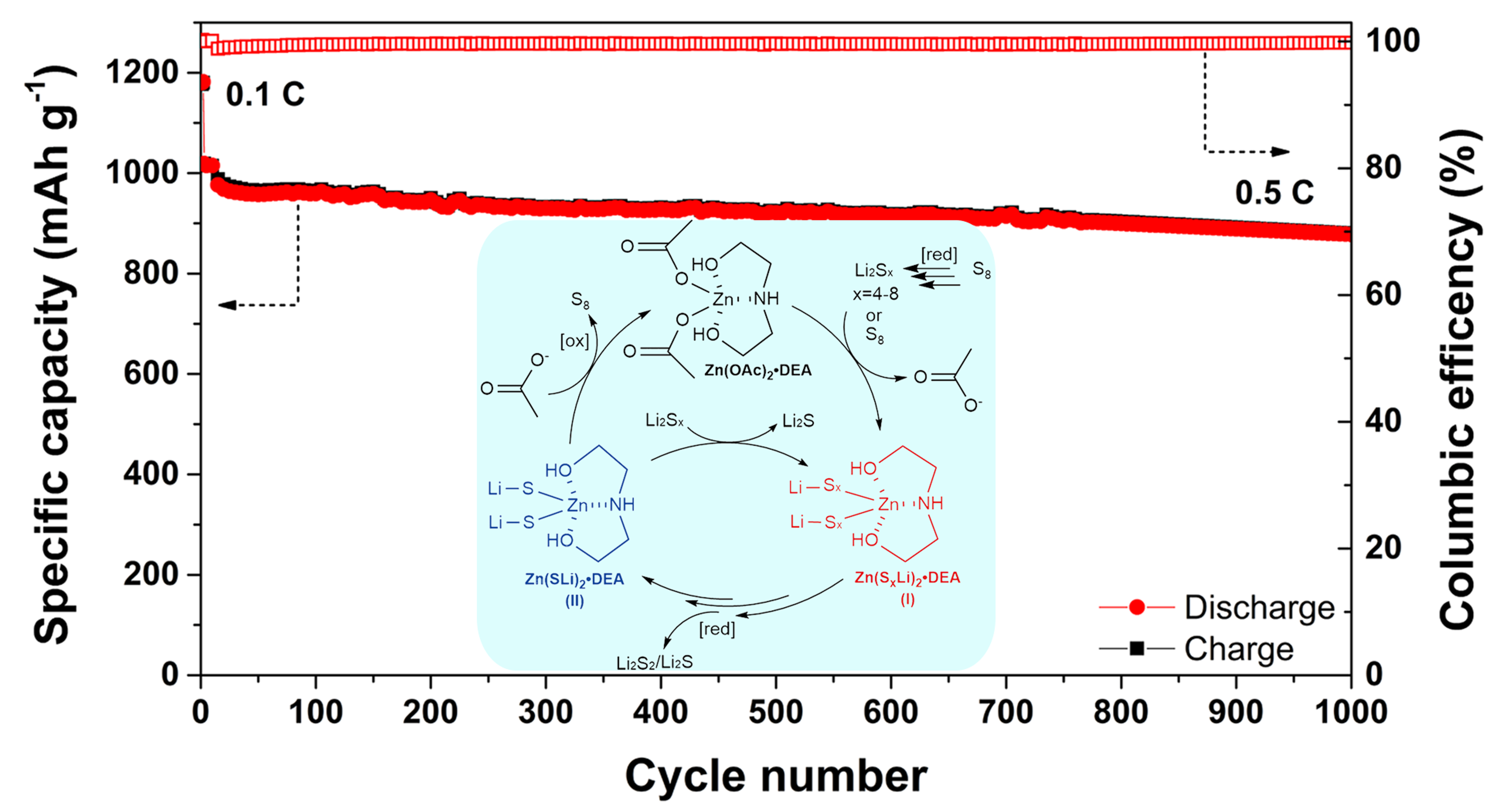
- Developed multifunctional polymer binders that improve electrode integrity, conductivity, polysulfide retention, and cycling stability in lithium–sulfur batteries.
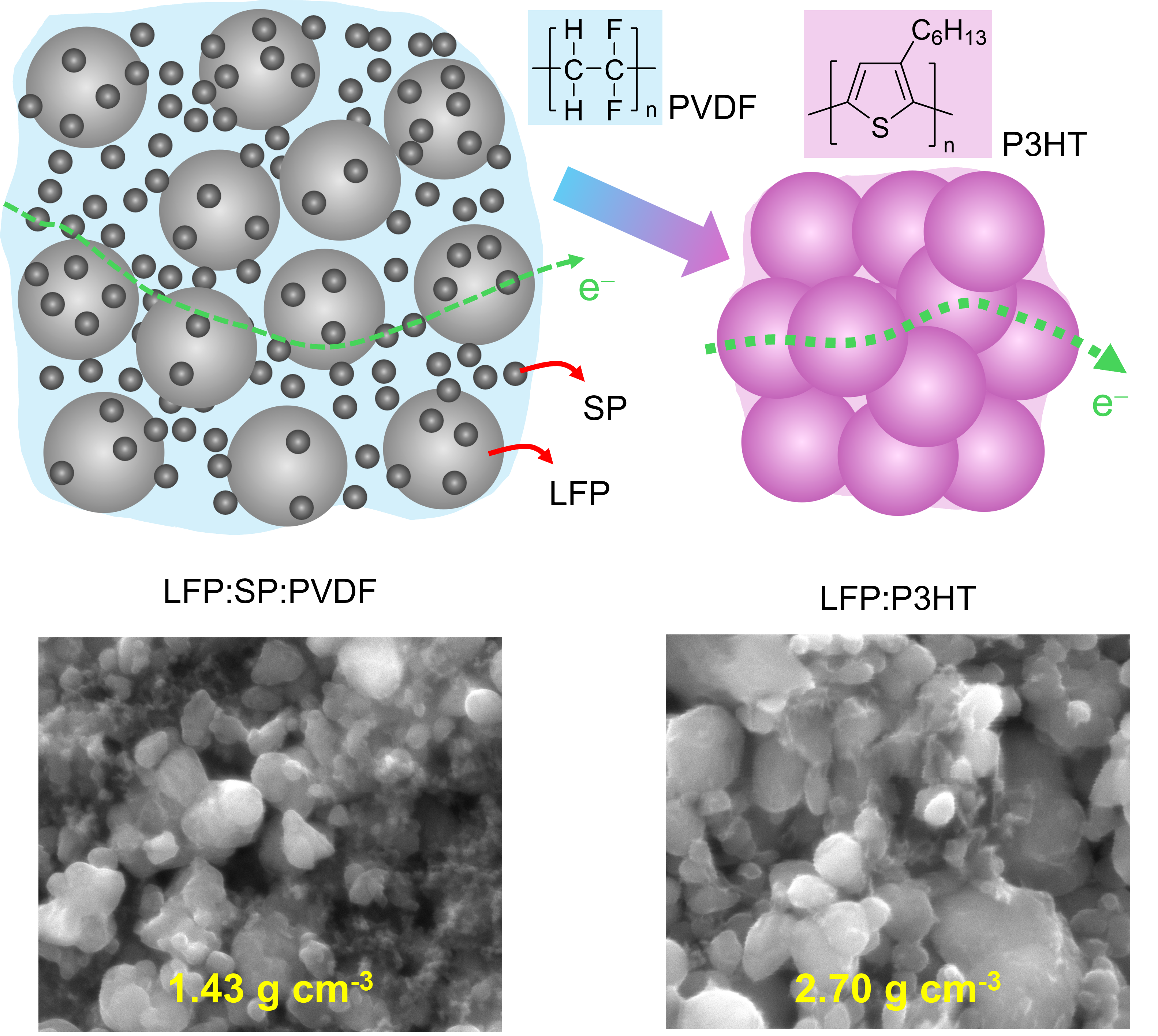
- Introduced conductive polymer binders to enhance electrical connectivity, electrochemical performance, and energy density of battery cathodes.
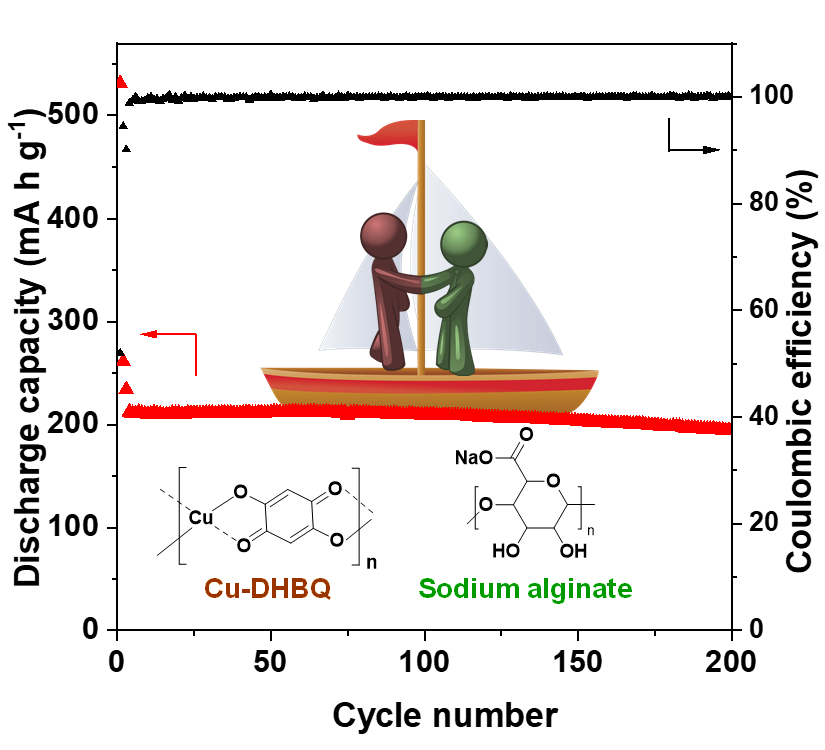
- Developed water-processable metal–organic complex binders for more environmentally sustainable electrode fabrication.
- Designed quinone-based organic cathode materials and strategies to mitigate dissolution and improve cycling stability.
Selected Publications:
- Wang, Y.; Jin, X.; Huang, Z.; Li, Y. Pristine Poly(3‐hexylthiophene) as an On‐Demand Conductive Binder and Redox Mediator for Carbon‐Additive‐Free, High‐Volumetric‐Energy‐Density, LiFePO4 Cathodes without Calendaring. Small 2026, e76059. https://doi.org/10.1002/smll.76059.
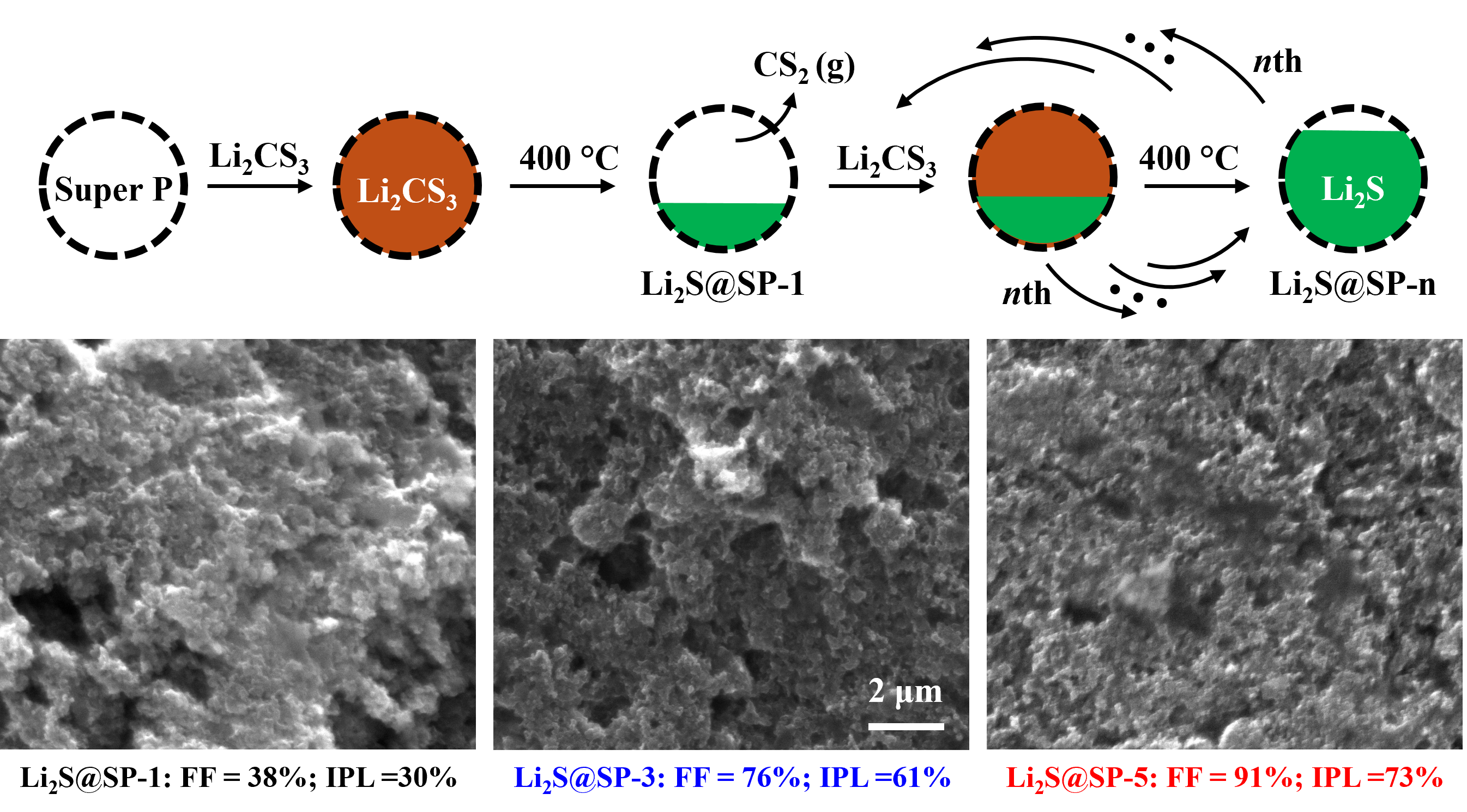
- Huang, Z.; Wang, Y.; Zhao, Y.; Li, Y. Multicycle Precursor Infiltration-Thermal Decomposition Achieves High In-Pore Li2 S Loading in Mesoporous Carbon for High-Performance Lithium Sulfide Batteries. ACS Appl. Energy Mater. 2026, 9 (1), 496–506. https://doi.org/10.1021/acsaem.5c03271.
- Huang, Z.; Wang, Y.; Zhao, Y.; Li, Y. Zinc Complex-Based Multifunctional Binders for Lithium Sulfide-Based Lithium–Sulfur Batteries. Nanoscale 2025, 17 (32), 18744–18755. https://doi.org/10.1039/D5NR01950H.
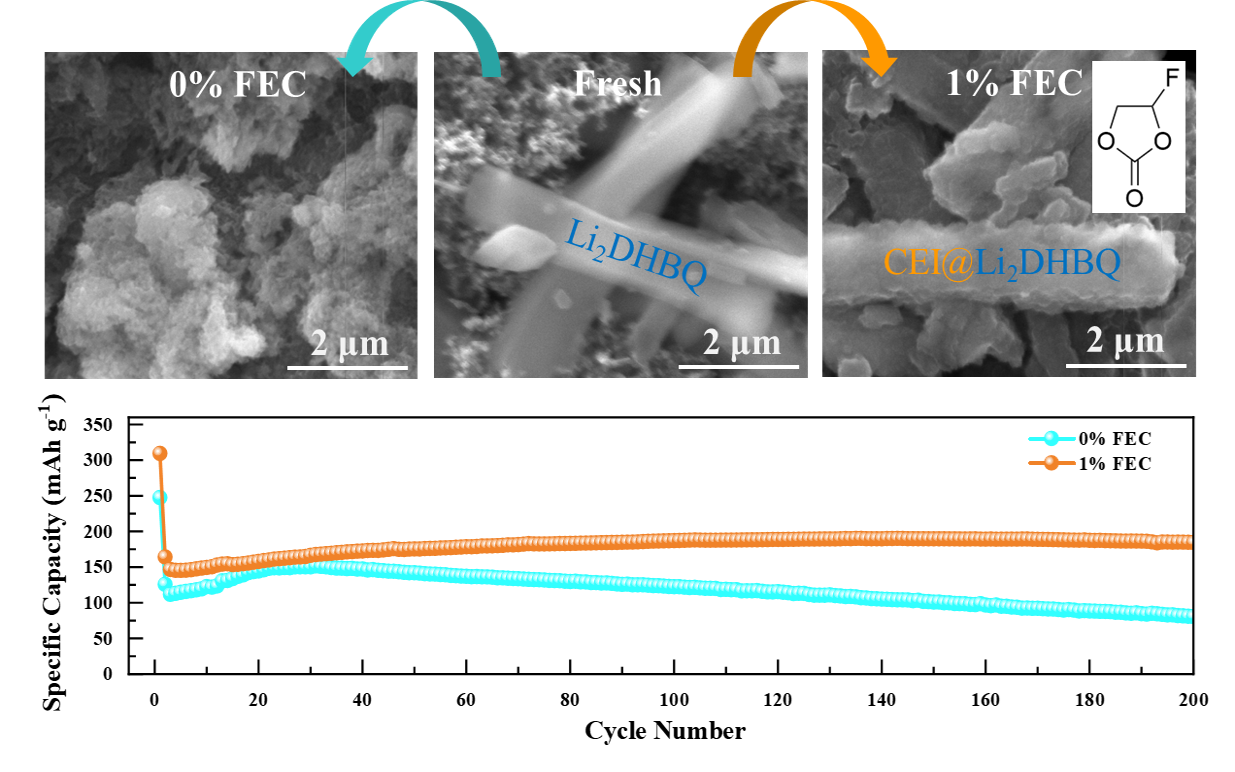
- Wang, Y.; Huang, Z.; Li, Y. Enhancing Stability and Rate Performance of Li2 DHBQ Cathodes in Lithium-Ion Batteries via FEC-Derived Cathode–Electrolyte Interphase. Nano Research 2025, 18 (10), 94907761. https://doi.org/10.26599/NR.2025.94907761.
- Fazaeli, R.; Huang, Z.; Wang, Y.; Aliyan, H.; Li, Y. Melamine-Based Nanoscale Porous Organic Frameworks as Multifunctional Separator Modifiers to Mitigate the Polysulfide Shuttle Effect in Lithium–Sulfur Batteries. Applied Materials Today 2024, 41, 102490. https://doi.org/10.1016/j.apmt.2024.102490.
- Gao, X.; Wang, Y.; Menezes, L. T.; Huang, Z.; Kleinke, H.; Li, Y. Stable 2,5‐Dihydroxy‐1,4‐benzoquinone Based Organic Cathode Enabled by Coordination Polymer Formation and Binder Optimization. Adv Funct Materials 2024, 34 (25), 2315669. https://doi.org/10.1002/adfm.202315669.
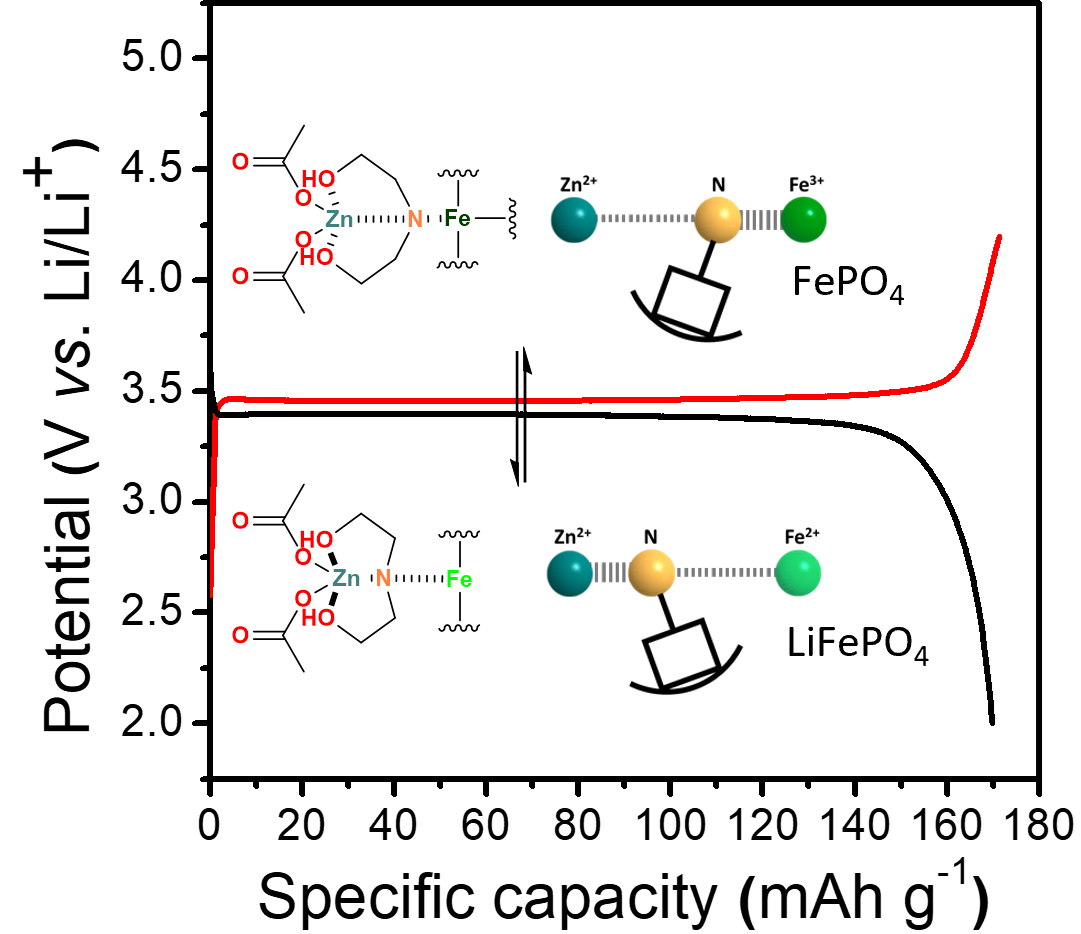
- Ma, Z.; Zuo, Z.; Li, L.; Li, Y. Unleash the Capacity Potential of LiFePO 4 through Rocking‐Chair Coordination Chemistry. Adv Funct Materials 2021, 2108692. https://doi.org/10.1002/adfm.202108692.
- Ma, Z.; Zuo, Z.; Li, Y. Zinc Complex-Based Multifunctional Reactive Lithium Polysulfide Trapper Approaching Its Theoretical Efficiency. ACS Appl. Mater. Interfaces 2021, 13 (20), 23936–23944. https://doi.org/10.1021/acsami.1c04483.
- Gao, X.; Guo, C.; Ma, Z.; Xi, G.; Meng, Y.; Li, Y. Boosting Li–S Battery Performance Using an in-Cell Electropolymerized Conductive Polymer. Mater. Adv. 2021, 2 (3), 974–984. https://doi.org/10.1039/D0MA00797H.
- Yan, L.; Gao, X.; Wahid-Pedro, F.; Ernest Quinn, J. T.; Meng, Y.; Li, Y. A Novel Epoxy Resin-Based Cathode Binder for Low Cost, Long Cycling Life, and High-Energy Lithium–Sulfur Batteries. J. Mater. Chem. A 2018, 6 (29), 14315–14323. https://doi.org/10.1039/C8TA04450C.
- Yan, L.; Gao, X.; Thomas, J. P.; Ngai, J.; Altounian, H.; Leung, K. T.; Meng, Y.; Li, Y. Ionically Cross-Linked PEDOT:PSS as a Multi-Functional Conductive Binder for High-Performance Lithium–Sulfur Batteries. Sustainable Energy Fuels 2018, 2 (7), 1574–1581. https://doi.org/10.1039/C8SE00167G.
Explore Our Research
For more information about our research accomplishments, please visit our Publications, Patents, and News pages.
We welcome academic and industrial collaborations in advanced polymer materials, printed electronics, chemical sensing, optoelectronics, and next-generation energy storage technologies.