The Risk, Injury, Safety, and Equity (RISE) Youth Sport Lab is directed by Dr. Kaleigh Pennock and housed in the Department of Recreation and Leisure Studies in the Faculty of Health at the University of Waterloo.
Our research focuses on critically examining the youth sport and recreation experience. Grounded in principles of equity, safety, and community, our work aims to foster athlete well-being, and emphasizes community-oriented partnerships that drive positive changes in youth sport experiences. Learn more about the objectives of the lab.
Check out our research, and connect with us!
News
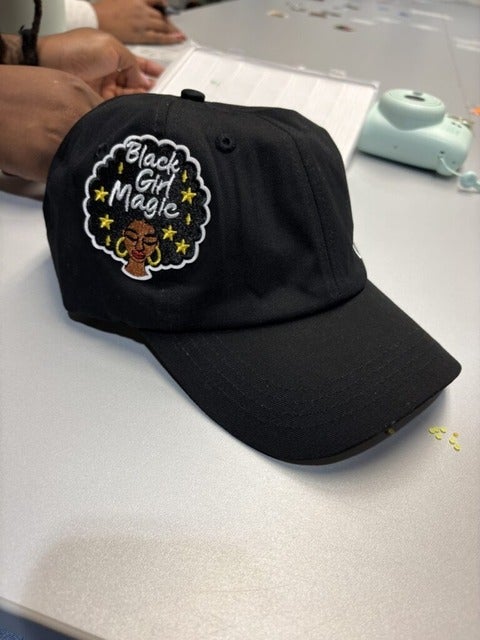
Toronto Star Feature: Black Girls and Women Are Creating Community in Sport
“Black girls and women don’t need to change. Sport does.”
Earlier this month, Dr. Kaleigh Pennock and Dr. Janelle Joseph were featured in Black Girls and Women Are Creating Community in Sport, highlighting research from the RISE Youth Sport Lab and IDEAS Research Lab.
Working alongside community partners, their research examines how representation, inclusive coaching, and intentionally designed sport spaces can help Black girls and women thrive in sport.
Read the full article here!
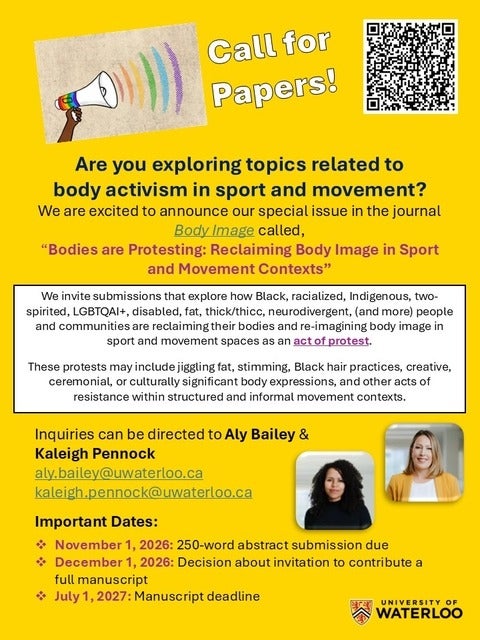
CALL FOR PAPERS: Special Issue in Body Image
Are you exploring themes of body activism, resistance, or reclamation?
Dr. Aly Bailey and Dr. Kaleigh Pennock are guest editing a special issue in Body Image titled "Bodies are Protesting: Reclaiming Body Image in Sport and Movement Contexts." This special issue welcomes both empirical and theoretical contributions that critically examine how bodies, as agentic entities, resist, protest, and reclaim body image within sport, physical activity, and movement cultures.
Interested applicants are asked to submit a 250-word abstract by November 1, 2026. Additional information can be found here: https://www.sciencedirect.com/special-issue/334928/bodies-are-protesting-reclaiming-body-image-in-sport-and-movement-contexts

Telling Our Stories: Black Girls and Women in Hockey Event
Dr. Kaleigh Pennock and the RISE Youth Sport Lab, in partnership with Brock University and Black Girl Hockey Club, hosted Telling Our Stories: Black Girls and Women in Hockey at MLSE LaunchPad in Toronto on May 3, 2026. The event brought together more than 40 Black girls and women from across the Greater Toronto Area for a day of hockey, creative activities, and discussion focused on identity, representation, and inclusion in sport.
Participants took part in hockey skills sessions led by Coach Abbah Copeland, creative activities, and facilitated conversations about their experiences in the game. The event also featured guest speakers Angela James, Jam Gamble, and Simone Saunders, who shared personal reflections on creating space for Black girls and women in hockey. Insights from the event will help inform future research, resources, and recommendations to support more equitable and inclusive hockey environments across Canada. Learn more by visiting our project page!
Photo by Dan Harbridge. From left to right: Dr. Tunisha Singleton, Dr. Janelle Joseph, Angela James, Renee Hess, Dr. Kaleigh Pennock
The RISE Youth Sport Lab is supported by: