session

alt=""

Why do some people thrive under pressure while others struggle? Are these skills learnable? 

The landscape of our work has shifted, and many of us are navigating increasingly complex systems while showing up for a community with diverse and evolving needs. But how do we continue to offer our best to others while staying centered ourselves? 

New research offers promising insights into maintaining psychological health and sustaining our well-being over the long term. This presentation will explore practical ways to recalibrate when the work feels particularly heavy and how to build a professional life that is both impactful and sustainable. 

Wednesday, April 8, 2026 10:30 am - 11:30 am EDT (GMT -04:00)

Morning Keynote - Yan Markson- The Power of Perception: Own Your Story

alt=""

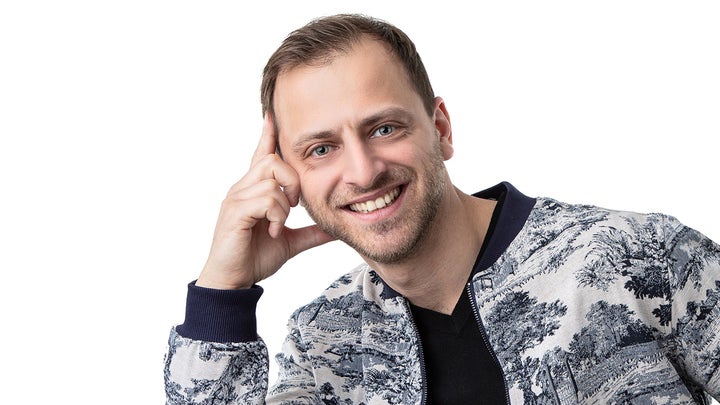
When you’re operating in a flow state, it isn’t luck or coincidence. It’s a self-fulfilling prophecy.

Yan Markson offers a fresh, engaging take on how a growth mindset and self-reinvention can help you spot opportunities, innovate, and thrive in a fast-paced world. Discover how changing your state of mind fundamentally changes your “zone of possibilities.”

alt=""

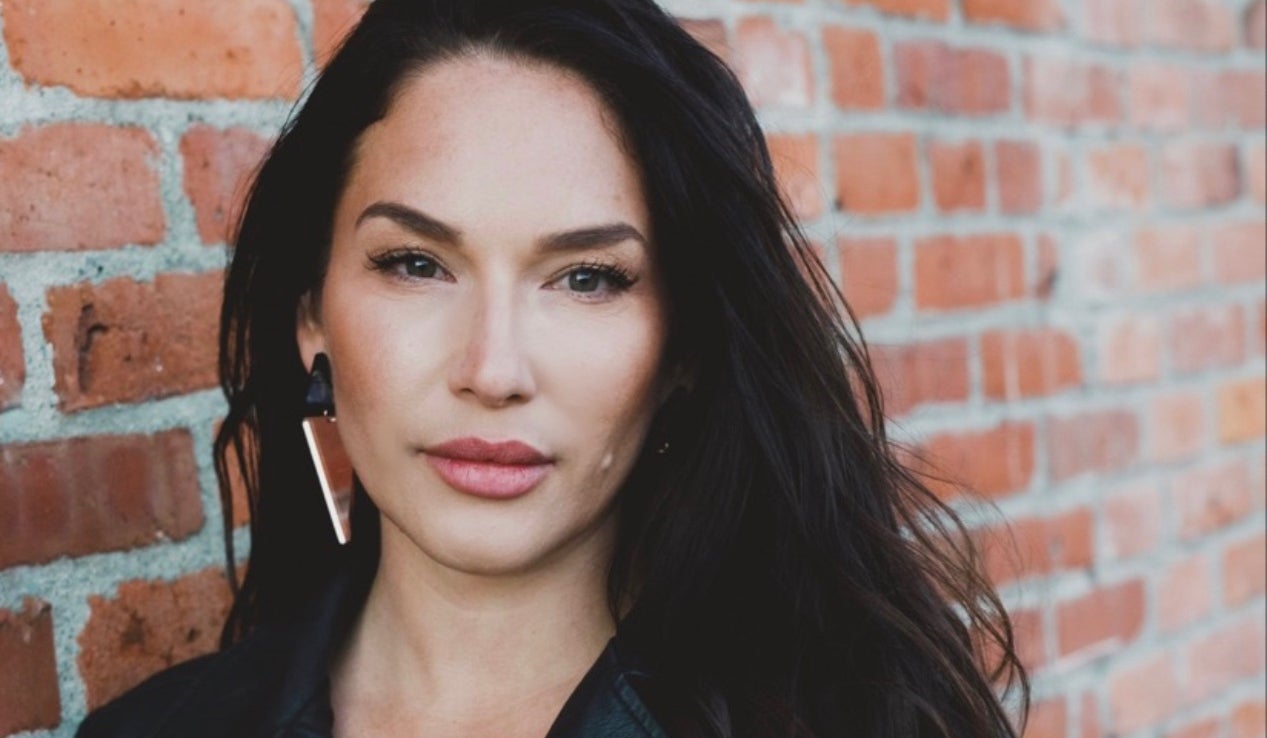
Inspired by her bestselling anthology Spirits of the Coast: Orcas in Science, Art and History and her collaborations with biologists, historians, Indigenous knowledge keepers, poets, artists, and communities across generations, Nikki shares a powerful insight: orcas offer a blueprint for reimagining our relationship with the planet.

As a wilderness guide for over a decade, living and working alongside orcas, she gained clarity on how decolonization and climate solutions are inextricably linked. Drawing on their relational intelligence, she reveals how biodiversity, Indigenous knowledge systems, and regenerative approaches can help humanity not only adapt to environmental change, but transform the way we live, lead, and belong on Earth.

Individuals working in higher education across Canada are facing a period of uncertainty and ambiguity. In response many are investigating new opportunities for personal and professional development. For those considering a return to the classroom, questions of accessibility, preparedness and the challenges of managing competing priorities are paramount. Through a panel discussion, we will explore the major considerations relevant to balancing work, school, and life’s diverse responsibilities while navigating graduate studies. This panel will include current graduate students who are full-time UWaterloo staff, an expert in graduate student success, and a faculty member with experience supporting students who work full-time. Panelists will share findings from recent research in addition to sharing candidly about their personal experiences. This discussion will be of interest to those who are thinking about pursuing a graduate degree while working, those who are currently balancing work and school, and those who support these students (such as faculty and staff).

Electronic and print resources are becoming overpopulated with an abundance of AI created or partially created by AI ebooks. These books could be the resources you are using for research or the newest romcom book you just downloaded, bought or borrowed. Knowing the difference between human authors and AI authors is becoming. Additionally, disclosure of AI generation being used is not always up front. While it is not necessarily a bad thing to interact with AI generated resources, users should be aware of how their resources were created and what to be cautious of in the process.

Wednesday, April 8, 2026 1:00 pm - 2:00 pm EDT (GMT -04:00)

Let's Talk About Death and Dying

It’s time to have a conversation about one of life’s few inevitabilities. Come hear from three panelists who work in the death industry. A funeral director from a local funeral home will speak about the importance of pre-planning and the role that a funeral director can play when a family is grieving. Karry Sawatsky, a registered Death Doula, will explain the kinds of services you could expect from someone with her skills. Tamara Maciel from the University of Waterloo will share some information about the School of Anatomy and the whole-body bequeathal program. Eric Celentano will provide some myth-busting facts about organ donation in Ontario. Each panelist will provide a brief introduction and overview of their areas of expertise, and then we will allow for an open question period.

Wednesday, April 8, 2026 1:00 pm - 2:00 pm EDT (GMT -04:00)

Learning AI Together: A Practical Workshop on Scenarios and Frameworks

Join us to learn about scenarios and sample prompts for common tasks, including an overview of common prompt engineering frameworks to try. Examples include summarizing long e-mails or reports, creating meeting summaries, drafting executive summaries, and even letting AI help you learn about AI! This session is a brief presentation followed by time and space to try things out with assistance from the three workshop coordinators.

Wednesday, April 8, 2026 1:00 pm - 2:00 pm EDT (GMT -04:00)

From Support to Partnership: Rethinking How We Work with Communities

Institutions often aim to “support” communities, yet well-intentioned efforts can unintentionally reinforce power imbalances by assuming that institutions know what communities need best. This session invites participants to rethink that approach. Grounded in equity-informed and community-engaged practice, this workshop explores how empowering communities can strengthen trust, improve impact, and reduce institutional blind spots. Participants will examine common assumptions embedded in institutional systems, reflect on how stories about expertise and legitimacy are constructed, and consider practical ways to shift from a service-delivery mindset toward one rooted in shared power and community self-determination. Drawing on real-world examples from campus and community-based work, the session offers concrete strategies for working with communities rather than for them, while still meeting institutional responsibilities around accountability and stewardship. This session is designed to be reflective, accessible, and practical. It does not require prior expertise in equity or community engagement and is relevant to staff across roles and units. The focus is not on prescribing one right model, but on inviting critical reflection and offering adaptable principles that participants can apply within their own areas of influence.

Wednesday, April 8, 2026 1:00 pm - 2:00 pm EDT (GMT -04:00)

Find Your People: Building Communities of Care Across Our Campuses

How do we build communities that are connected, caring, and supportive? As we work towards One Waterloo approaches and strive to collaborate across institutional silos, meaningful community-building is essential to honouring our shared humanity and authentic selves. This panel discussion will bring together different affinity groups and community networks across our campuses to explore practical strategies for fostering connection, sharing knowledge, learning from others, and supporting each other. With a focus on building safer spaces for equity-denied communities, the conversation will explore mechanisms for building safer spaces, promoting accessible engagement, and designing inclusive environments – both in-person and virtual.

Wednesday, April 8, 2026 1:00 pm - 2:00 pm EDT (GMT -04:00)

Data-Informed, Student-Centered: Turning Student Stories into Action

This interactive workshop will explore how UWaterloo staff can use student stories to inform various levels of decision making. The intended audience of this session is anyone looking to elevate their work by ensuring their decisions are data-informed, regardless of budget, capacity and resources. Using real examples from the Waterloo Undergraduate Student Association (WUSA) the facilitators will demonstrate the different layers of student consultation from low-effort, low budget methods such as boothing and intercepts, to high-effort, high budget methods such as our Representative Survey Platform. Participants will learn how to choose consultation methods based on project goals, timelines, capacity and organizational priorities. By the end of the session, participants will have a stronger understanding of the data needed to support student-centered decisions and how to apply it in practice.