Brazil–Canada partnership advances water solutions for resilient cities
Water Institute delegation visits the University of São Paulo (USP) as part of a long-term research collaboration on water security and welcomes visiting USP students to campus
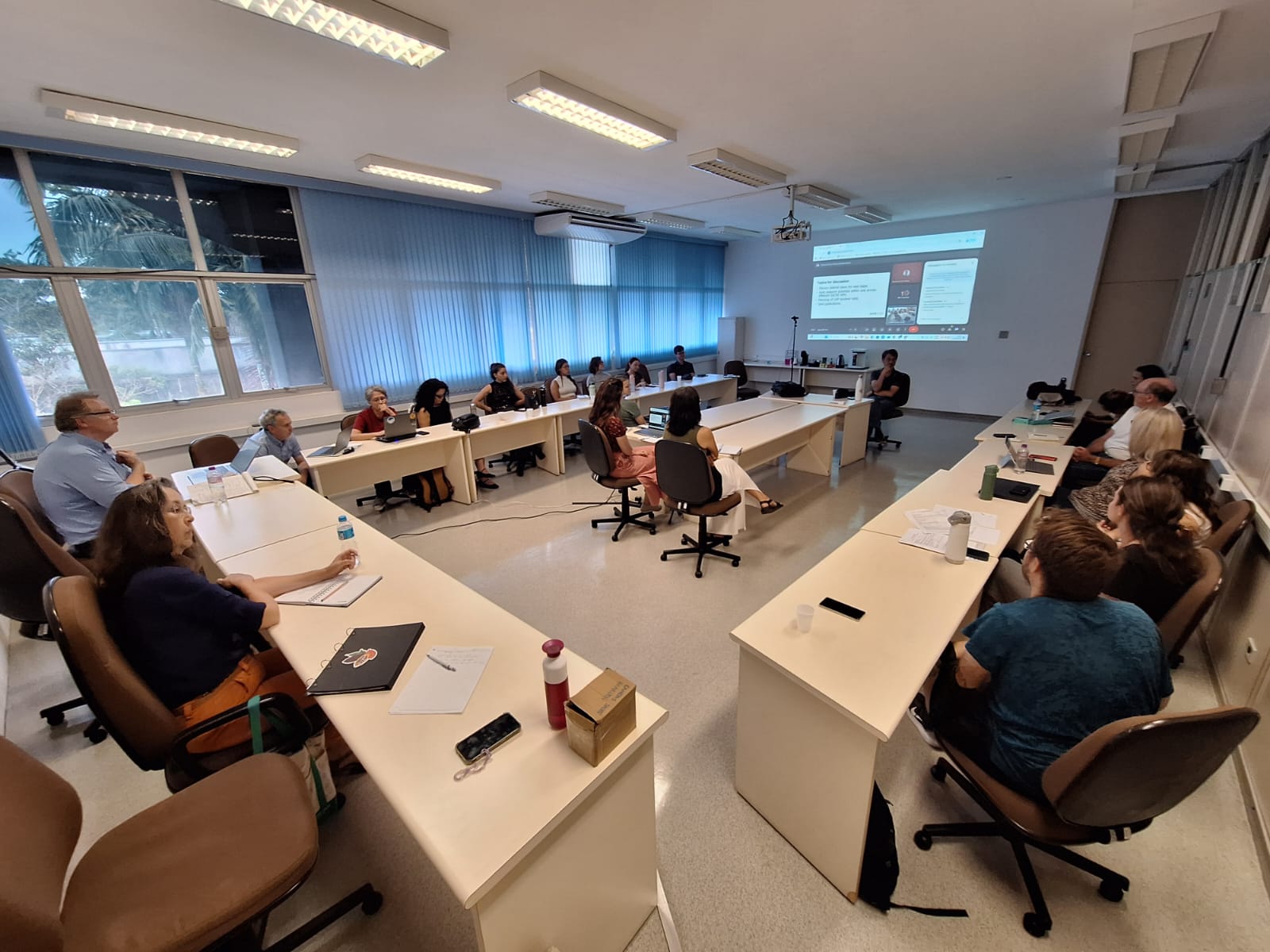
In mid-October, Water Institute members David Rudolph, Philippe Van Cappellen, Andrea Brookfield, and Executive Director Roy Brouwer joined University of São Paulo colleagues for a field visit as part of the project SACRE: Integrated Water Solutions for Resilient Cities. During the current drought period in the State of São Paulo, Brazil, the team visited the project’s “Living City Laboratory”, inspecting managed aquifer recharge study sites, monitoring wells in a contaminated urban aquifer, a production well in the transboundary and fossil Guarani Aquifer System, and the public water intake reservoir. Following the field visit, a one-day meeting was organized at USP’s Institute of Geosciences (IGc-USP) with USP faculty and students and the Water Institute faculty members to discuss interdisciplinary research challenges and opportunities, connect the various research components in the project SACRE, and intensify future student exchanges.
SACRE is a six-year partnership led by the Groundwater Research Center of the University of São Paulo (CEPAS), funded by the São Paulo Research Foundation (FAPESP), and with the University of Waterloo’s Water Institute as a key international partner (click here to read background on the partnership). The project uses river basins in the central region of São Paulo State feeding cities as a living laboratory to advance interdisciplinary science and water-governance solutions, with a strong emphasis on institutional capacity building for improved water security, both in terms of water quantity and quality.

Photo: Meeting of the Waterloo Water Institute members and the University of São Paulo SACRE project team. Photos by Isabela Batistella.
The international collaboration targets integrated water management challenges that are characteristic of water-stressed cities worldwide: recurrent droughts, growing urban water demand, diffuse contamination from sewage system networks and insufficient drinking water and wastewater treatment capacity, which increase pressure on aquifers and surface waters. Within this context, SACRE evaluates how conventional and nature-based solutions – including riverbank filtration, managed aquifer recharge, conjunctive groundwater and surface water use strategies, and low-cost groundwater treatment – can be combined to generate cost-effective options to improve the resilience of urban water systems.
The field visit allowed the Waterloo and USP teams to ground-truth research questions at critical sites, connect work groups across hydrogeology, engineering, economics and governance, and discuss a joint roadmap for knowledge mobilization. The visit also reinforced the project’s capacity-building dimension: SACRE brings together nearly 80 researchers and students across nearly 20 institutions, creating a platform where methods and lessons learned are shared with Brazilian water utilities and agencies.
As the collaboration between the two institutions deepens, three Brazilian PhD students working in SACRE have recently joined the University of Waterloo’s Water Institute as International Visiting Graduate Students: Fernanda Barreto (supervised by Philippe Van Cappellen), advancing understanding of nitrate flow dynamics in urban groundwater; Elizabeth Naranjo (supervised by Anh Pham), researching biochar for remediation of emerging contaminants like PFAS; and Fernando Rörig (supervised by Roy Brouwer), analysing socioeconomic inequality in water access and the cost-effectiveness of alternative water sources for drought-impacted cities. More students from Brazil will follow in the coming months and year ahead. Their projects complement SACRE’s cross-disciplinary perspective and help translate scientific advances into practical decision-support tools that water agencies in the State of São Paulo have indicated they need and can use, in line with SACRE’s main objective.
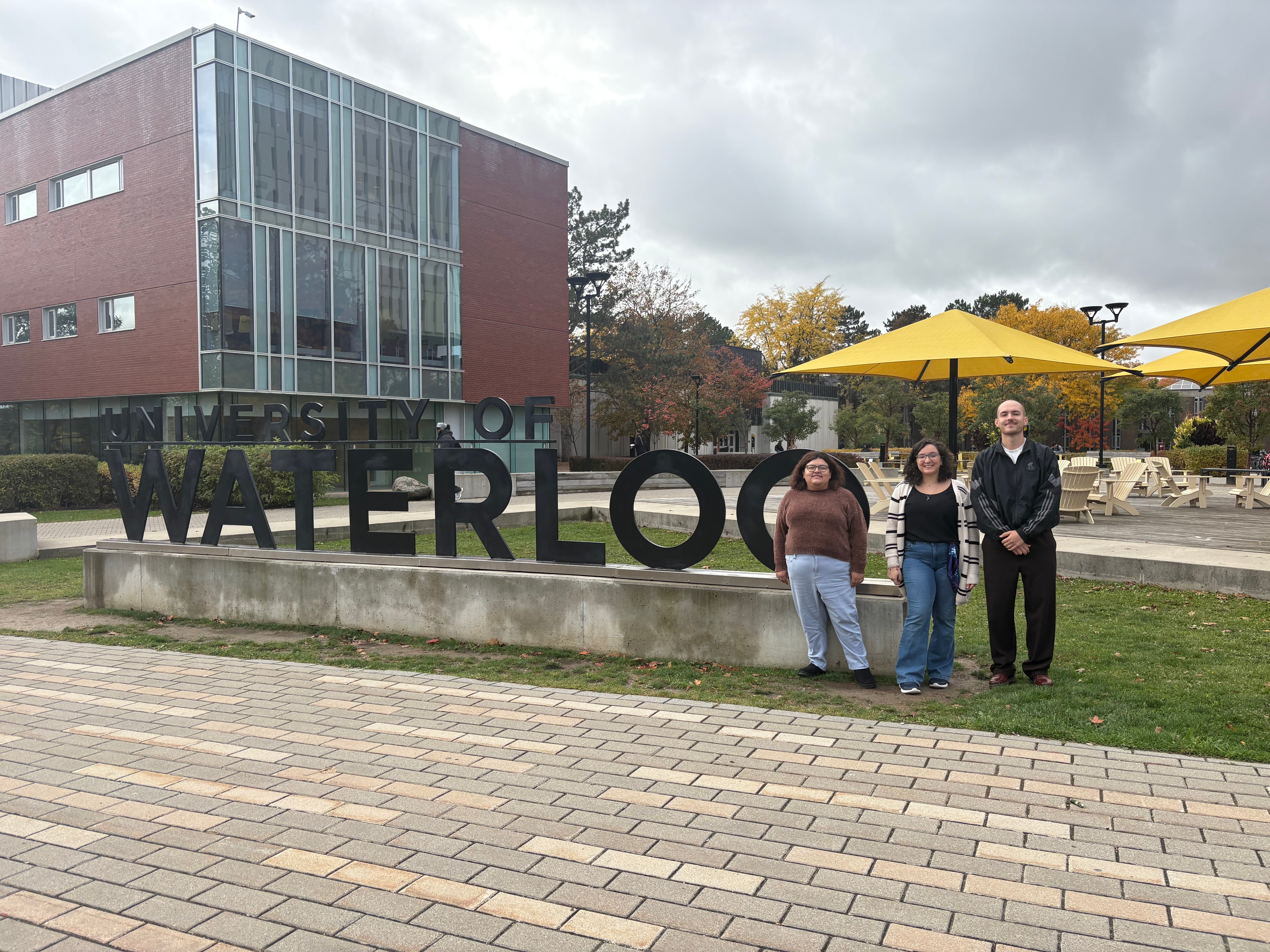
Photo: Elizabeth Naranjo, Fernanda Barreto and Fernando Rörig under a cloudy sky on the University of Waterloo campus.


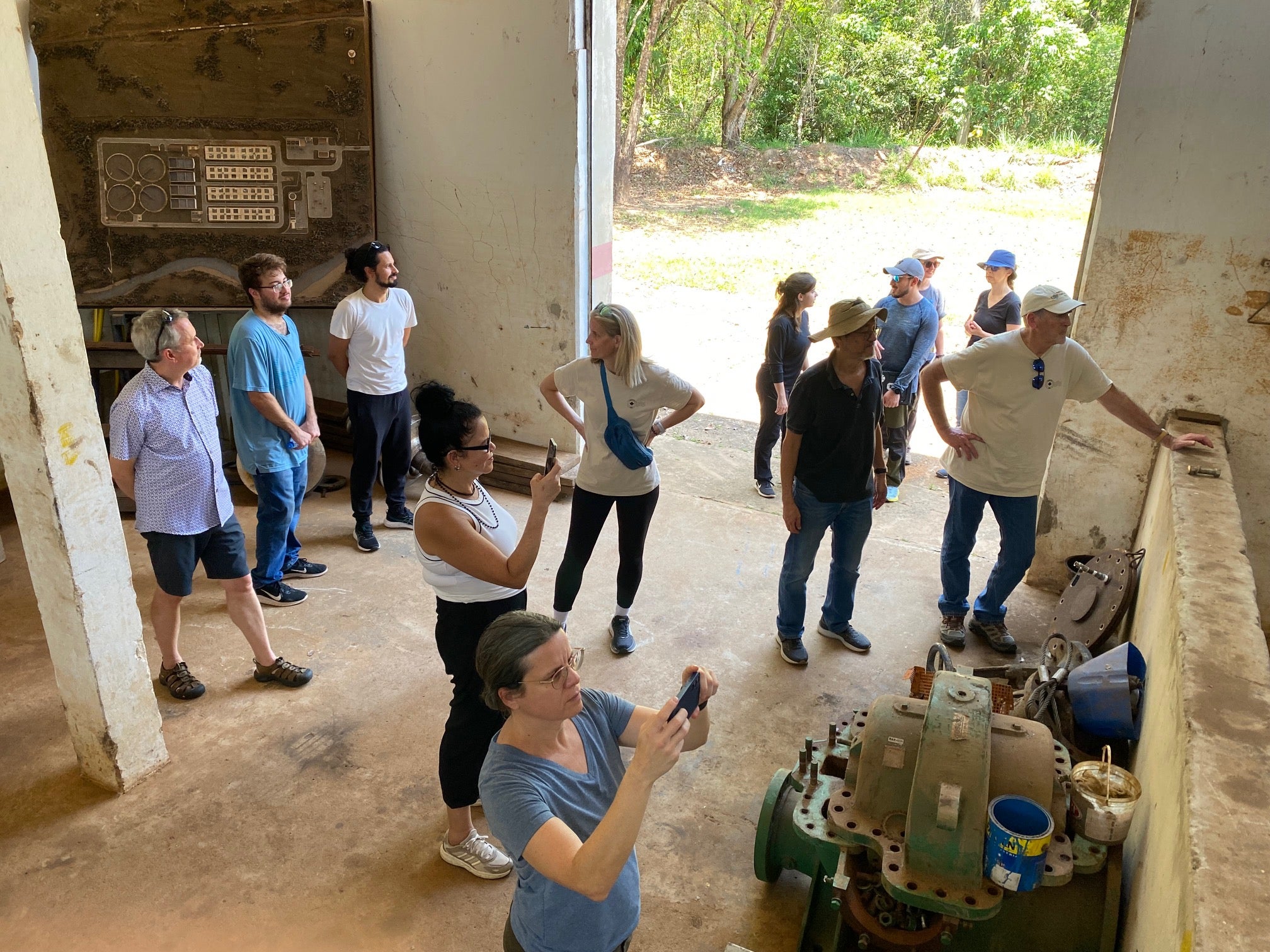
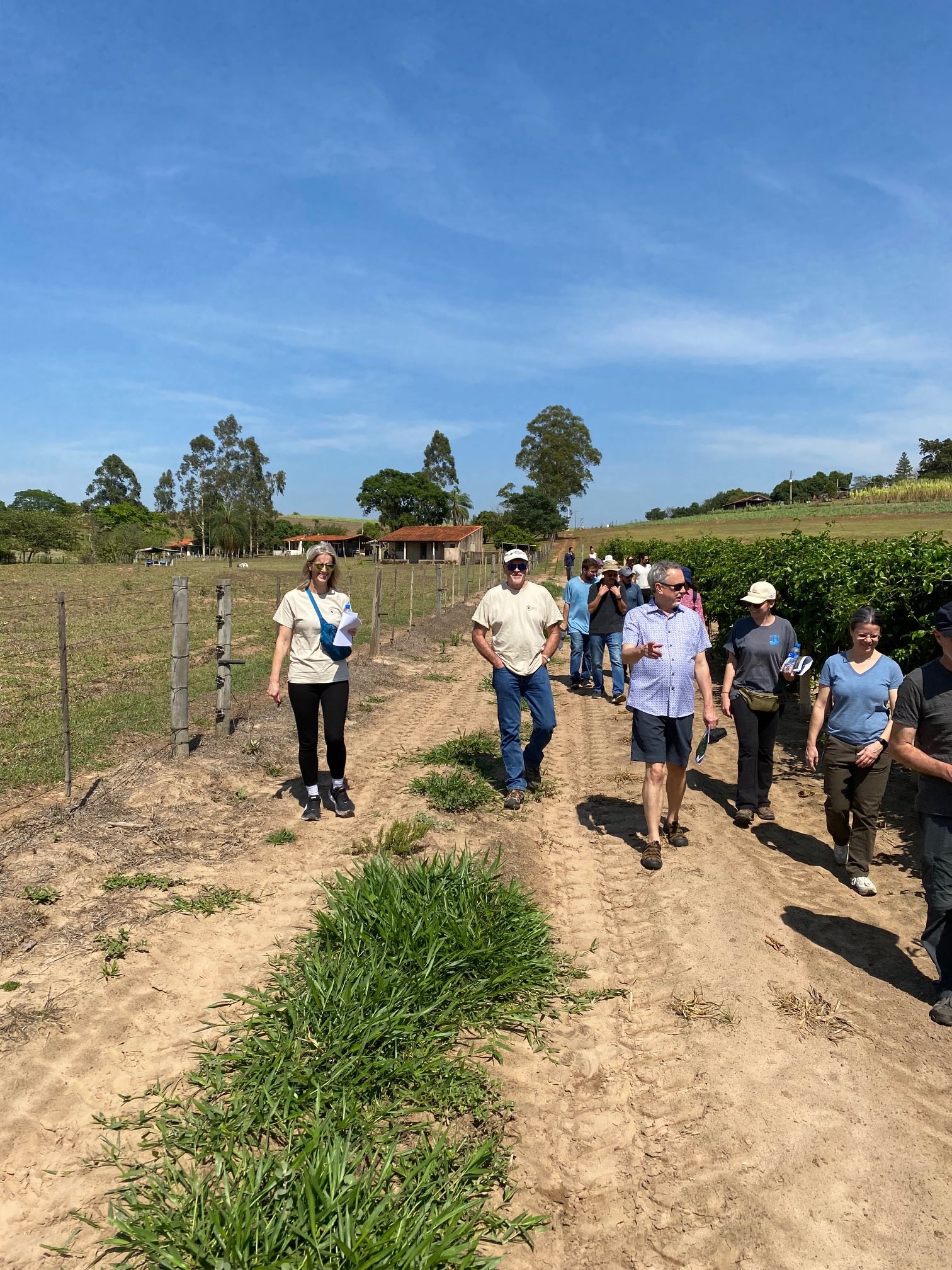
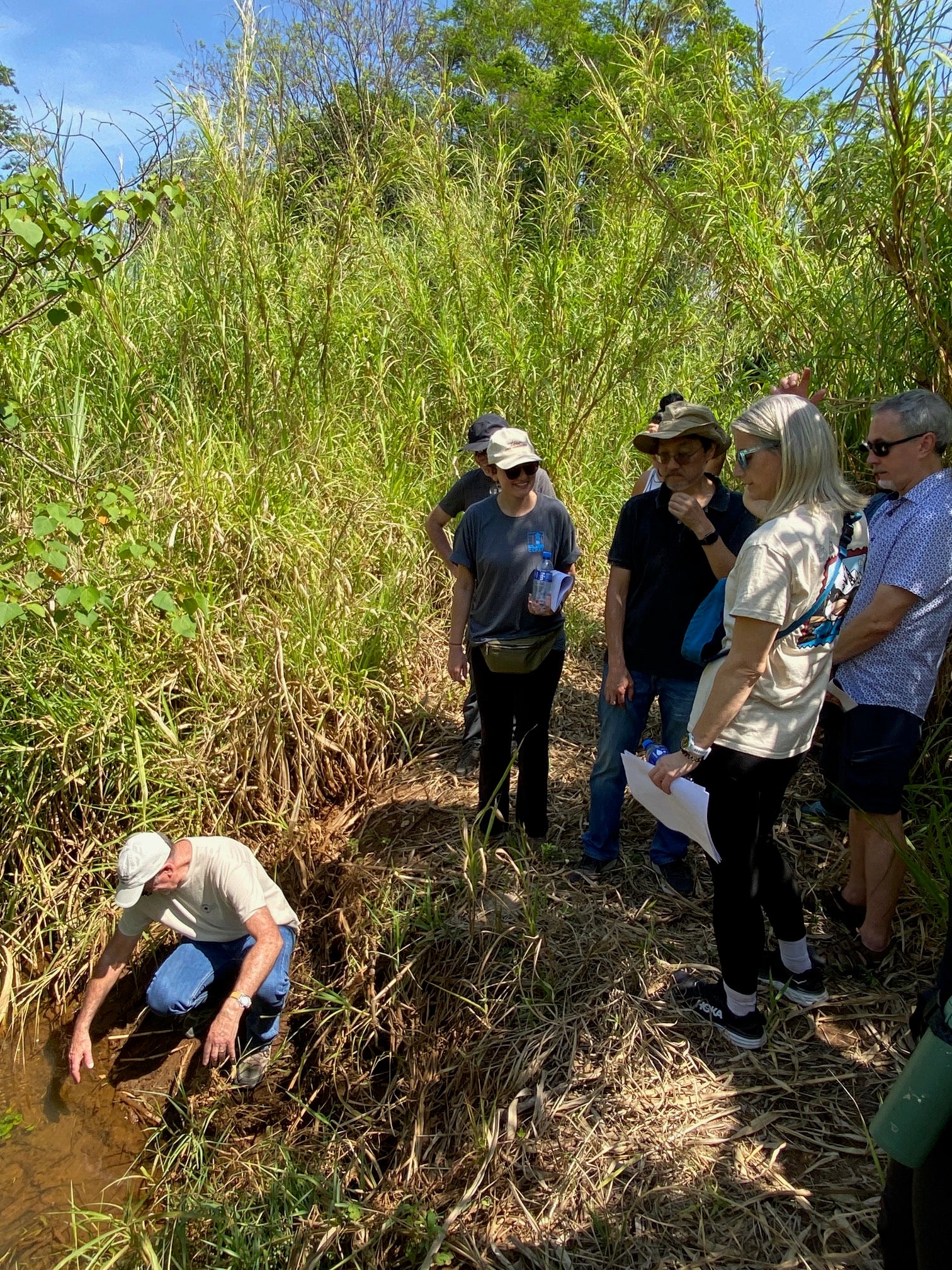
Photos by Isabela Batistella.