Long-term monitoring links wastewater treatment upgrades to river recovery
A new collaborative study by water researchers at the University of Waterloo reveals that major investments in wastewater treatment have contributed to significant ecological recovery in the Grand River downstream of the Kitchener and Waterloo, ON wastewater treatment plants.
The study is the latest in a series of biological assessments, demonstrating that the Region of Waterloo’s $450 million investment in wastewater treatment upgrades has successfully reduced pollution and improved river health. Using more than a decade of biological monitoring data, the study found that aquatic communities downstream of both treatment plants became increasingly similar to those found upstream following completion of the upgrades.
“This study reinforces the positive impact that the infrastructure upgrades have had on the health of the Grand River,” said Dr. Mark Servos, study co-author, Water Institute researcher and professor in the Department of Biology at the University of Waterloo.
The study draws on a long-term biological monitoring program established by the Region of Waterloo that began prior to construction at each facility and has continued to the present day. Researchers focused on benthic macroinvertebrates, small animals that live on the river bottom and are highly sensitive to changes in water quality. These organisms form the base of the aquatic food web and provide an important link to fish and other aquatic species.
Adam Yates, a Water Institute researcher and co-author of the study, said the Region of Waterloo’s commitment to maintaining a robustly designed, long-term monitoring program was essential to understanding how the river responded to the infrastructure upgrades.
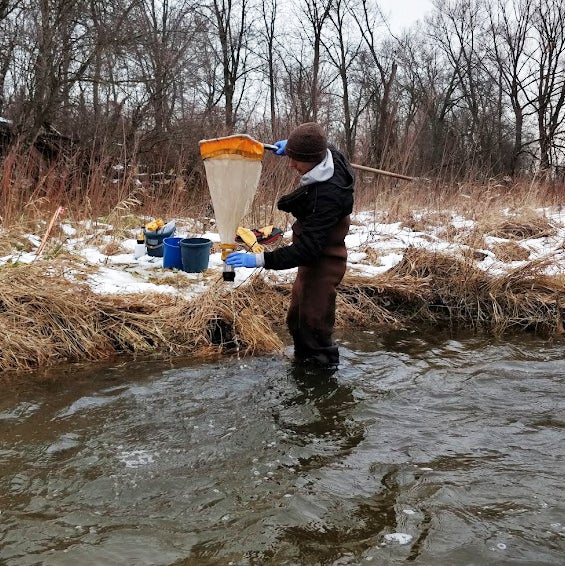
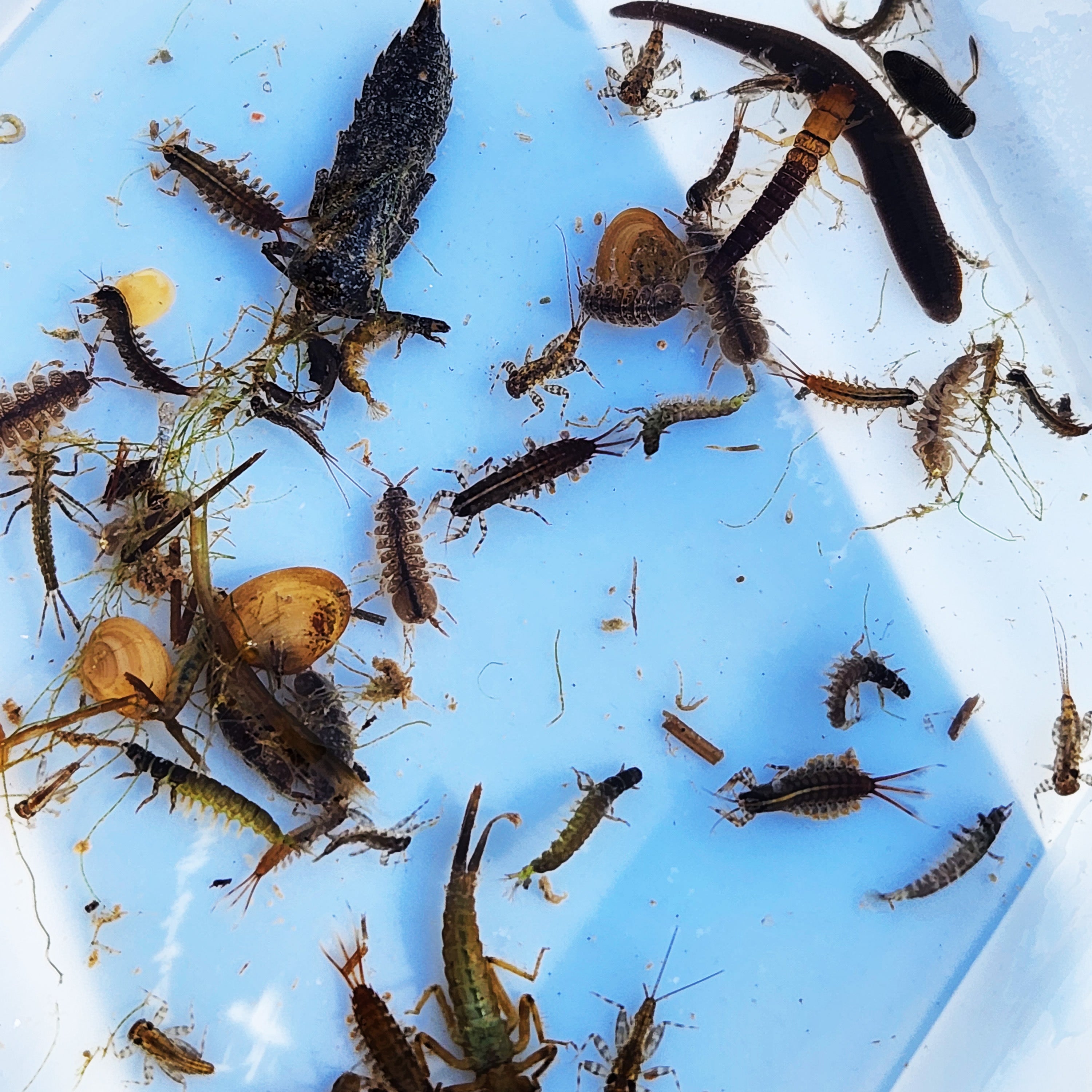
Starting in 2009, samples were collected upstream and downstream of wastewater treatment plants using a before and after control impact (BACI) study design. Prior to the upgrades, macroinvertebrate communities downstream differed substantially from those upstream. Following the upgrades, those differences steadily declined, indicating that improvements in effluent quality reduced stress on downstream ecosystems and supported recovery toward more natural conditions.
The upgrades included a transition to fully nitrifying activated sludge systems, which significantly reduced ammonia concentrations in treated wastewater released back into the river. Earlier studies by Waterloo researchers documented improvements in water quality and fish health following these changes. The new findings extend that work by showing that ecological responses are also evident among benthic macroinvertebrates.
“The resilience of river communities is astounding, this study shows that these communities just need us to take action to reduce pollution in order for significant recovery in ecological health to occur,” added Yates.
Although natural variation influenced macroinvertebrate communities at upstream sites over time, the study design allowed researchers to distinguish those background changes from responses associated with the wastewater treatment upgrades. This strengthened confidence that the observed recovery patterns were linked to the infrastructure investments.
Beyond the Grand River, the study highlights the importance of pairing major environmental investments with long-term biological monitoring. Such programs provide the evidence needed to assess outcomes, guide future decisions and demonstrate the value of public infrastructure investments.
The full study Benthic Macroinvertebrate Recovery After Wastewater Treatment Plant Upgrades: Implications for Biomonitoring is published in River Research and Applications.