Peatlands in practice: Stories from the field
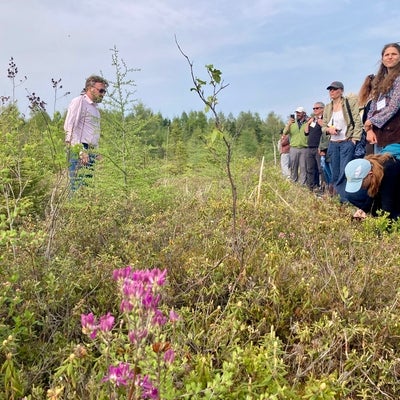
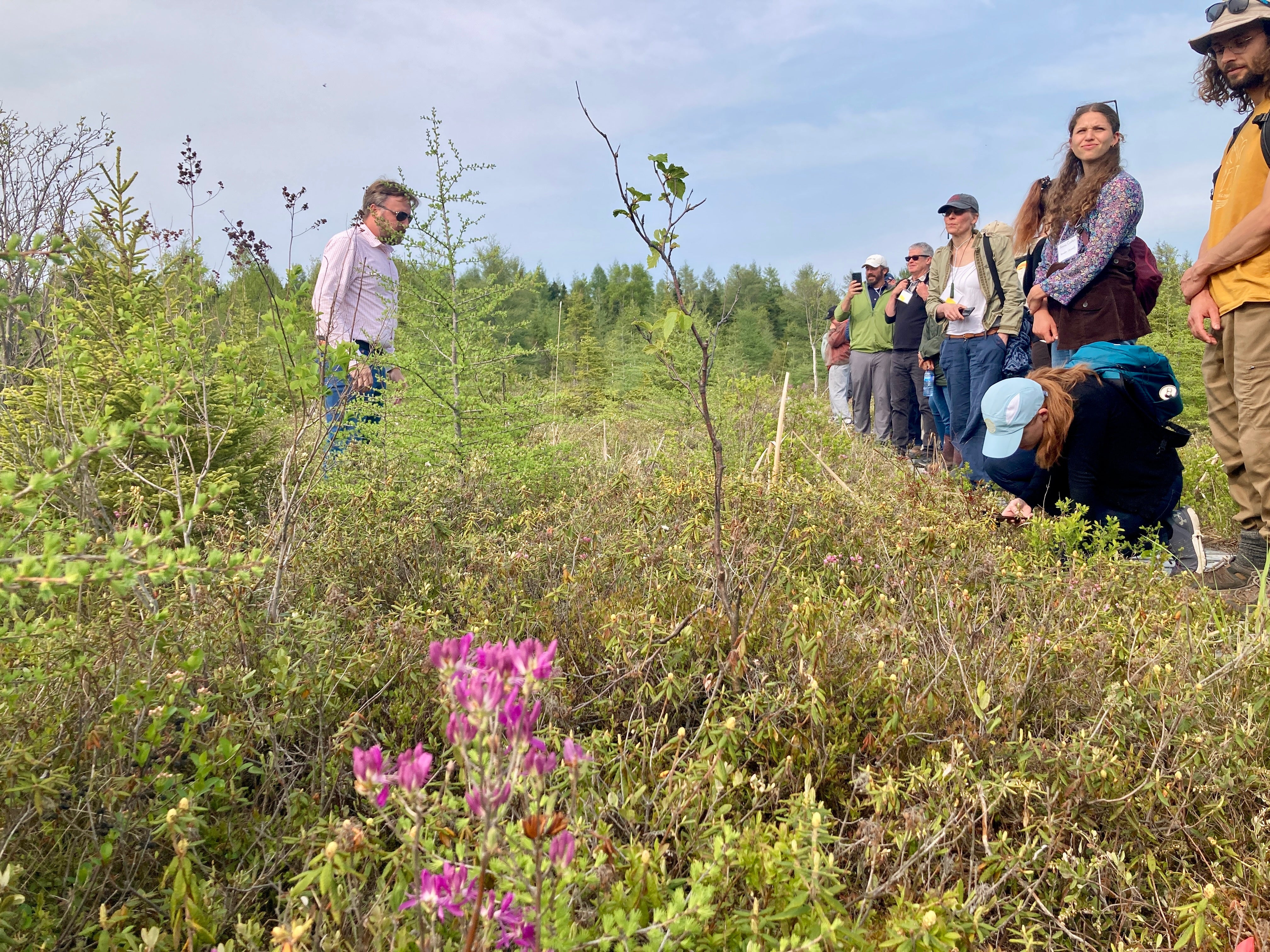
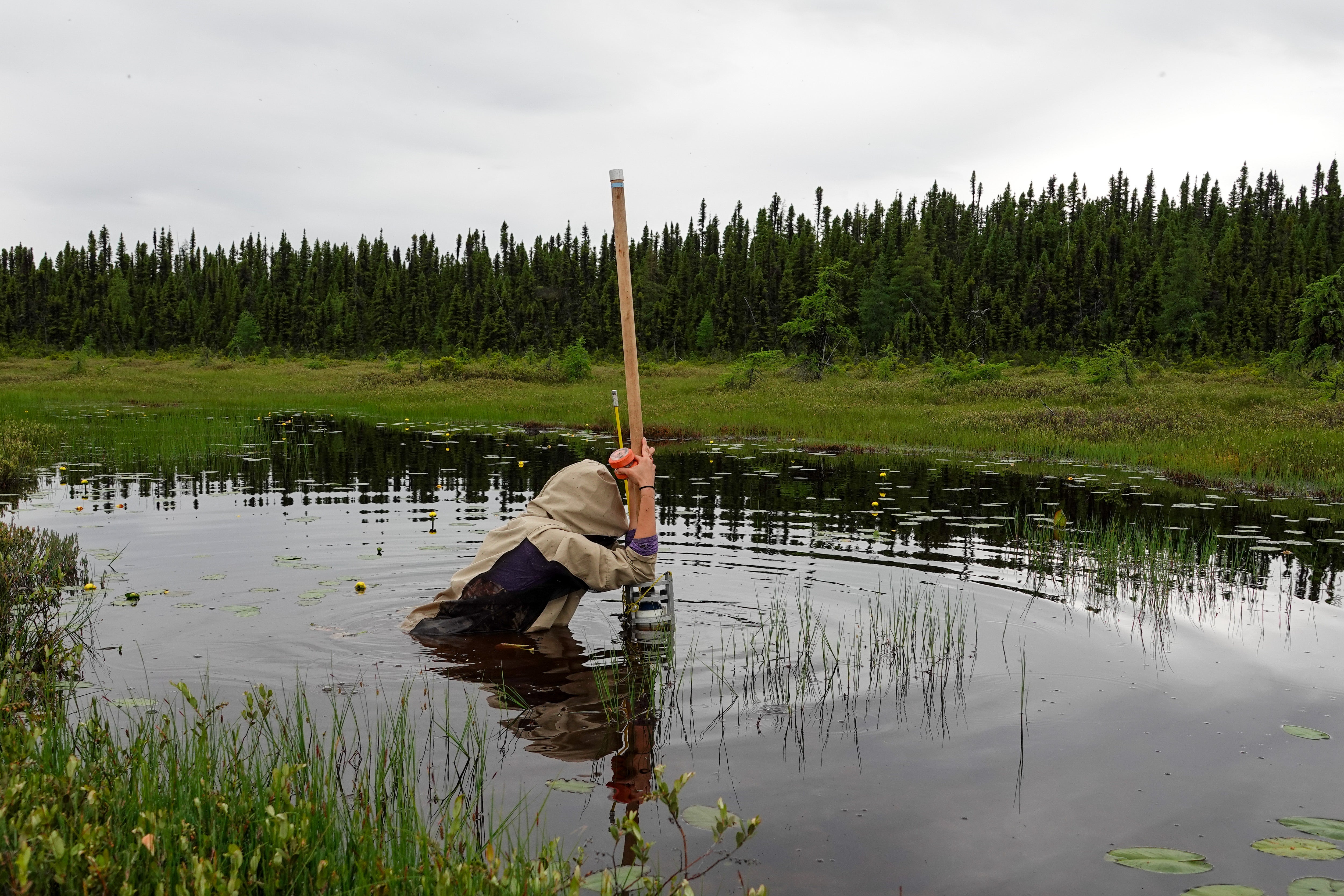
The Can-Peat network’s December 2025 sharing session offered a lively glimpse into the realities of peatland research and restoration, creating a space where seasoned researchers, students, and practitioners could swap stories from the field, compare methods, and celebrate both successes and challenges. Rather than formal presentations, the session leaned into the joy of shared experience, highlighting how field seasons shape research questions, collaborations, and community connections.
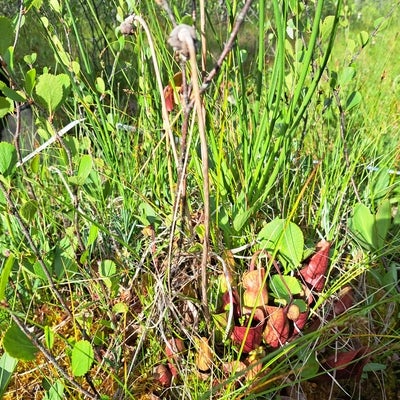
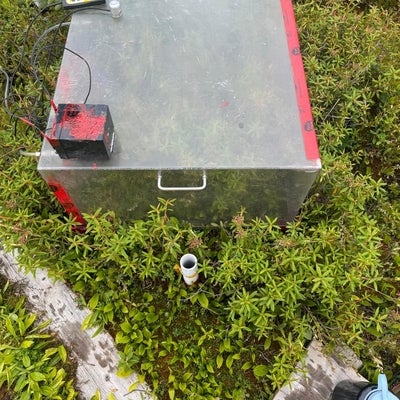
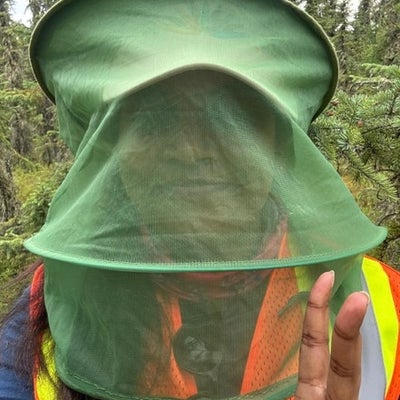
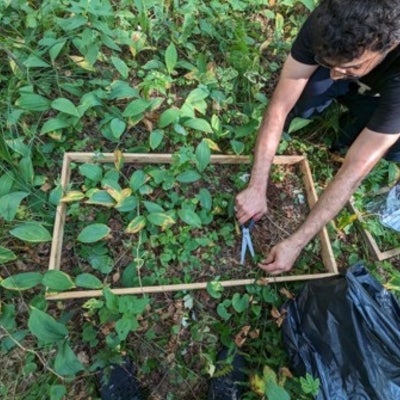
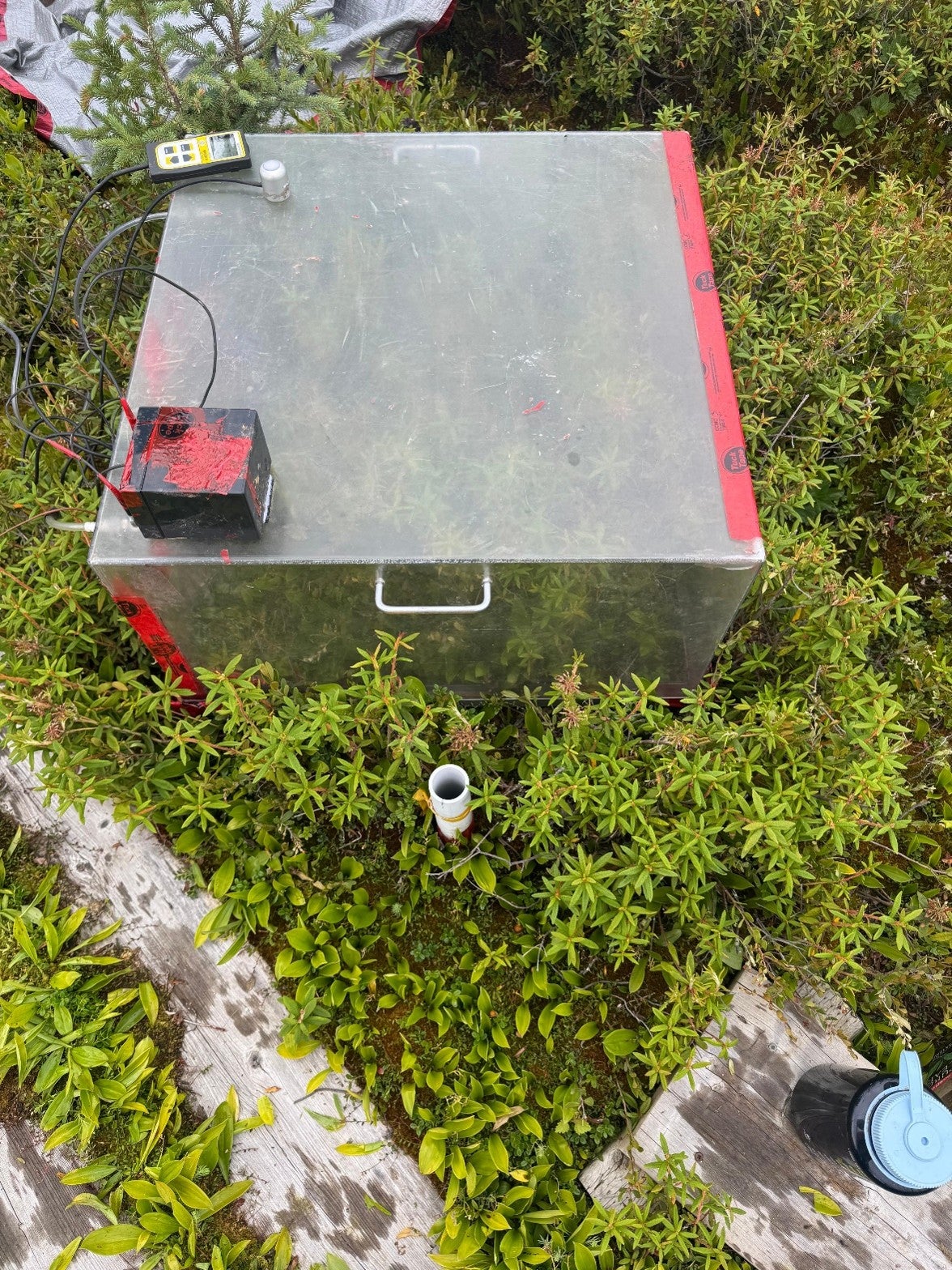
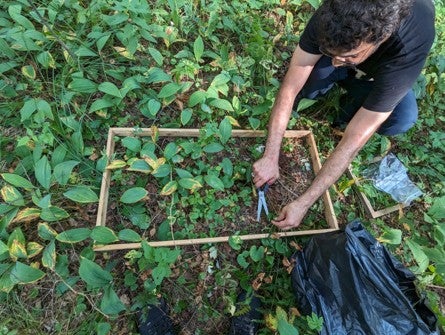
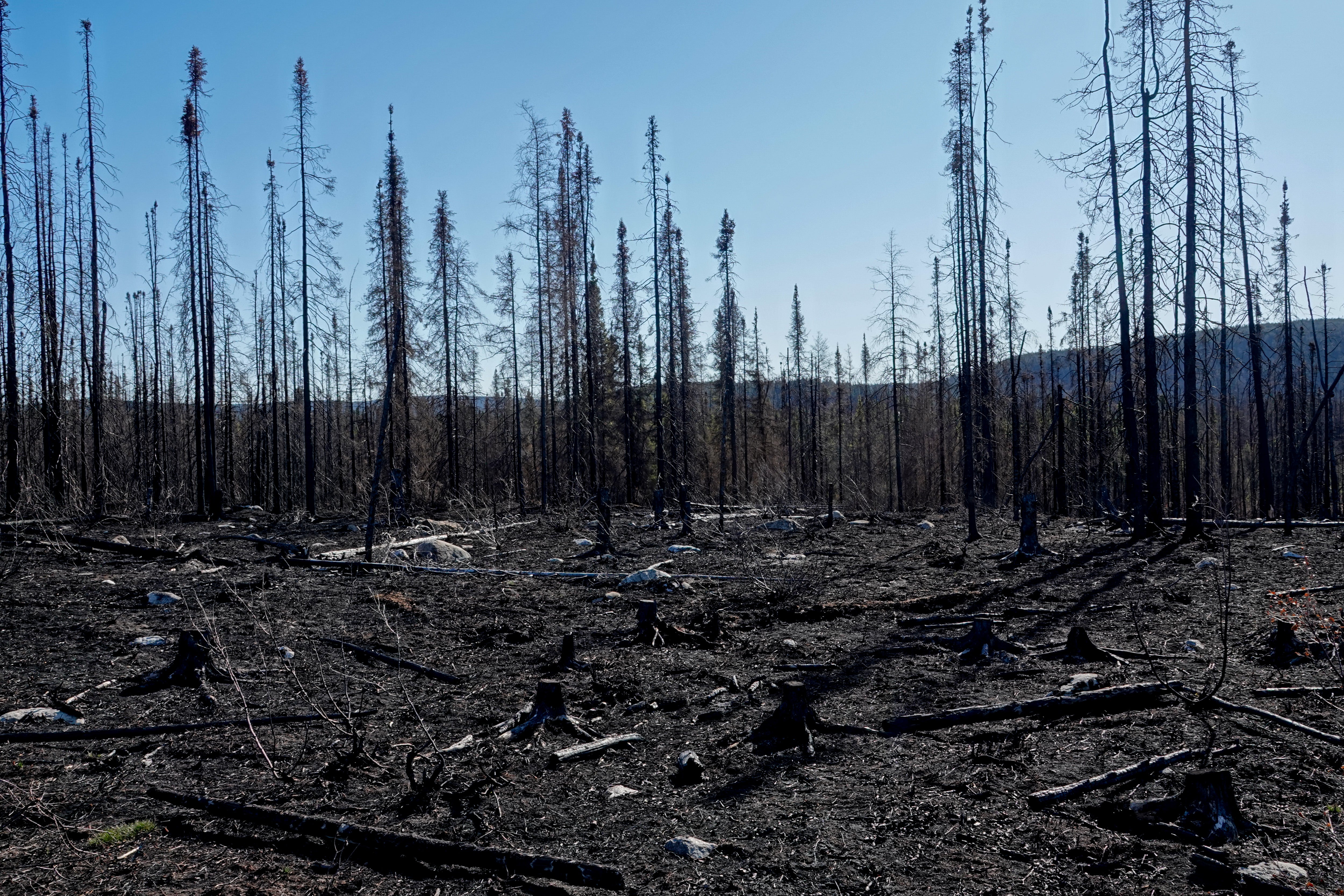
The session opened with Water Institute member Maria Strack, Principal Investigator for the Can-Peat network and Professor at the University of Waterloo, who set a warm and reflective tone by weaving personal anecdotes into her overview of peatland work across Canada. She spoke about training students in vegetation identification and carbon flux measurements in Ontario, monitoring restoration projects in Manitoba, and the logistical and emotional challenges posed by an increasingly wildfire-affected field season.
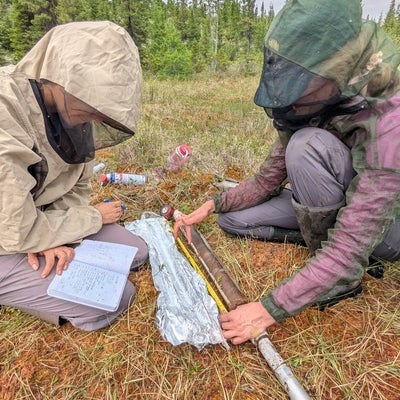
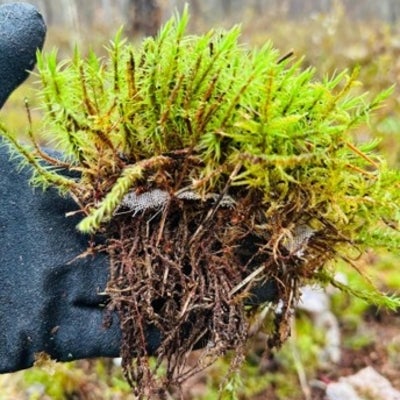
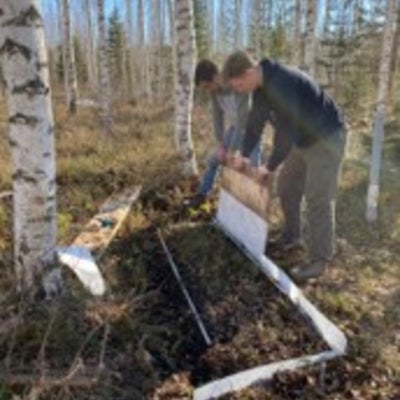
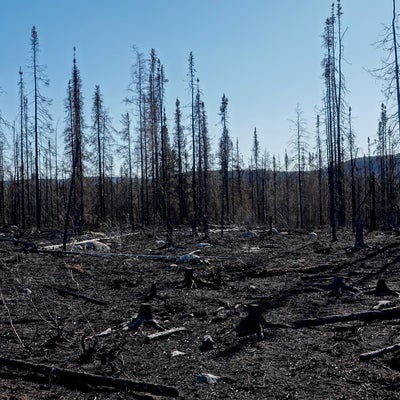
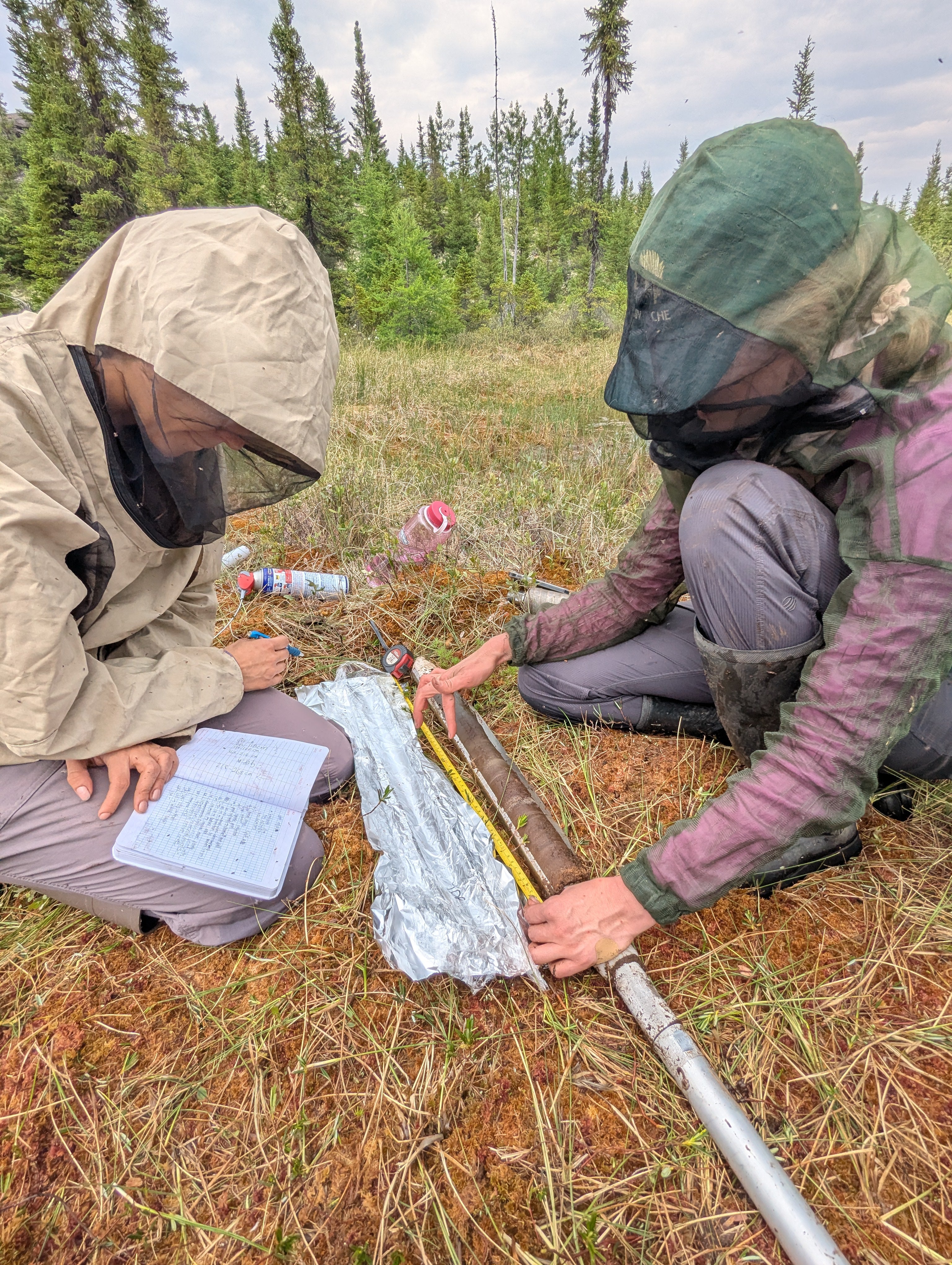
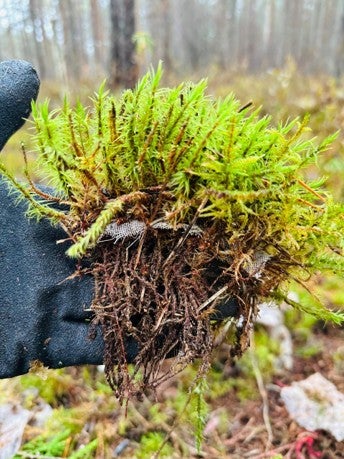
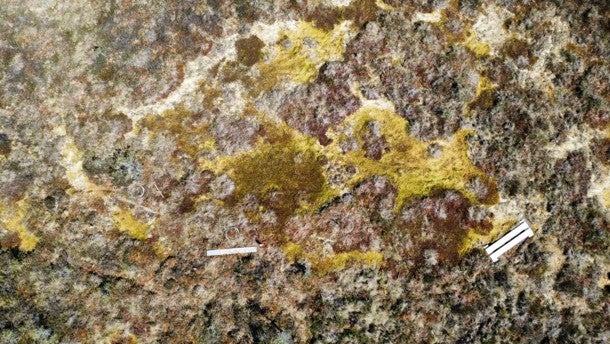
Anna Dabros, a Research Scientist with Natural Resources Canada, followed with insights from her research in northern Alberta, focusing on edge effects in peatlands. She described her work examining bryophytes, plant communities, and soil conditions before and after a 2023 wildfire, illustrating how disturbance reshapes peatland ecosystems. Anna shared stories, ranging from tree surveys to peat core sampling, and highlighted exciting discoveries, including the rare dung moss Platinum rubrum.
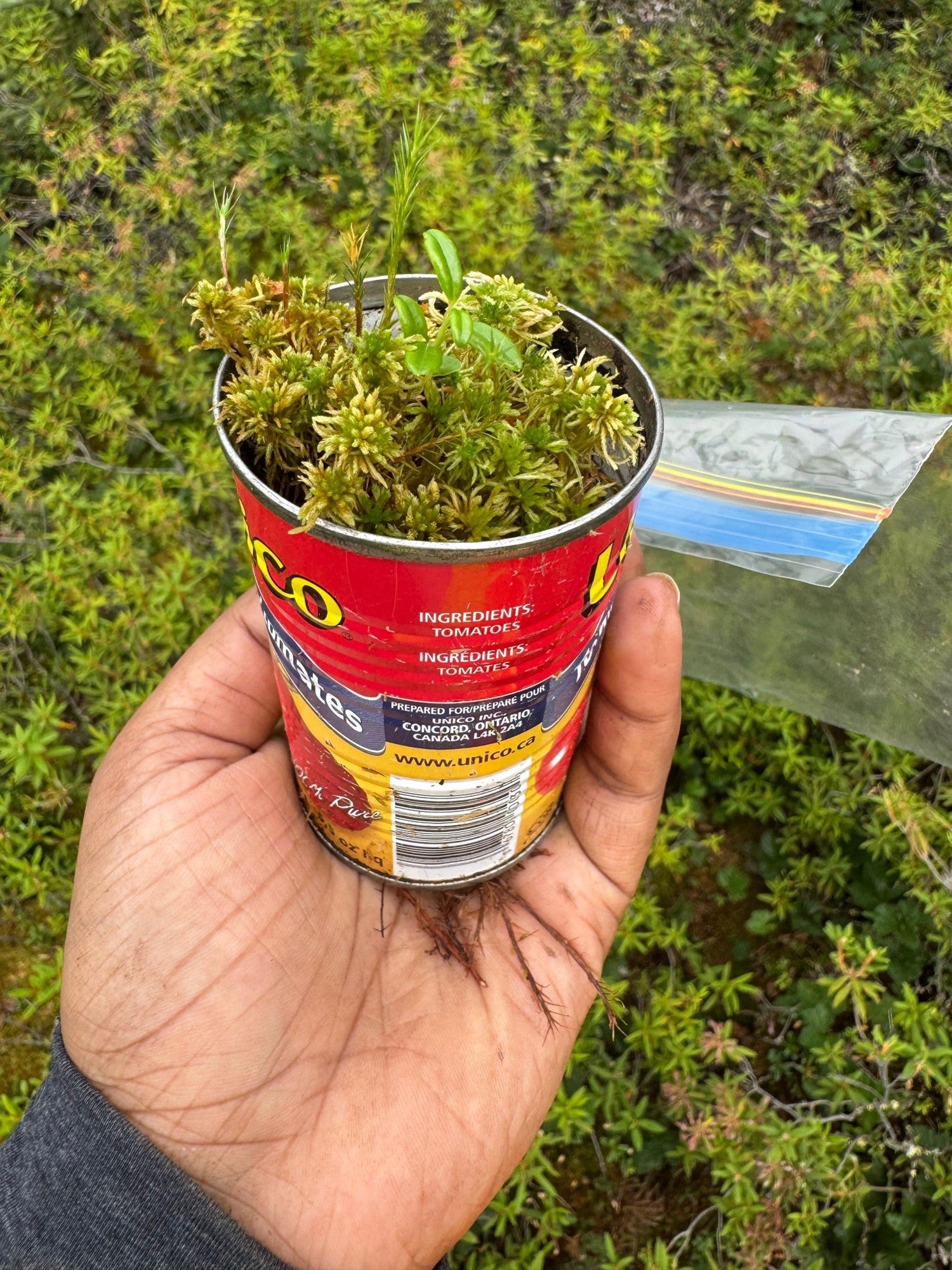
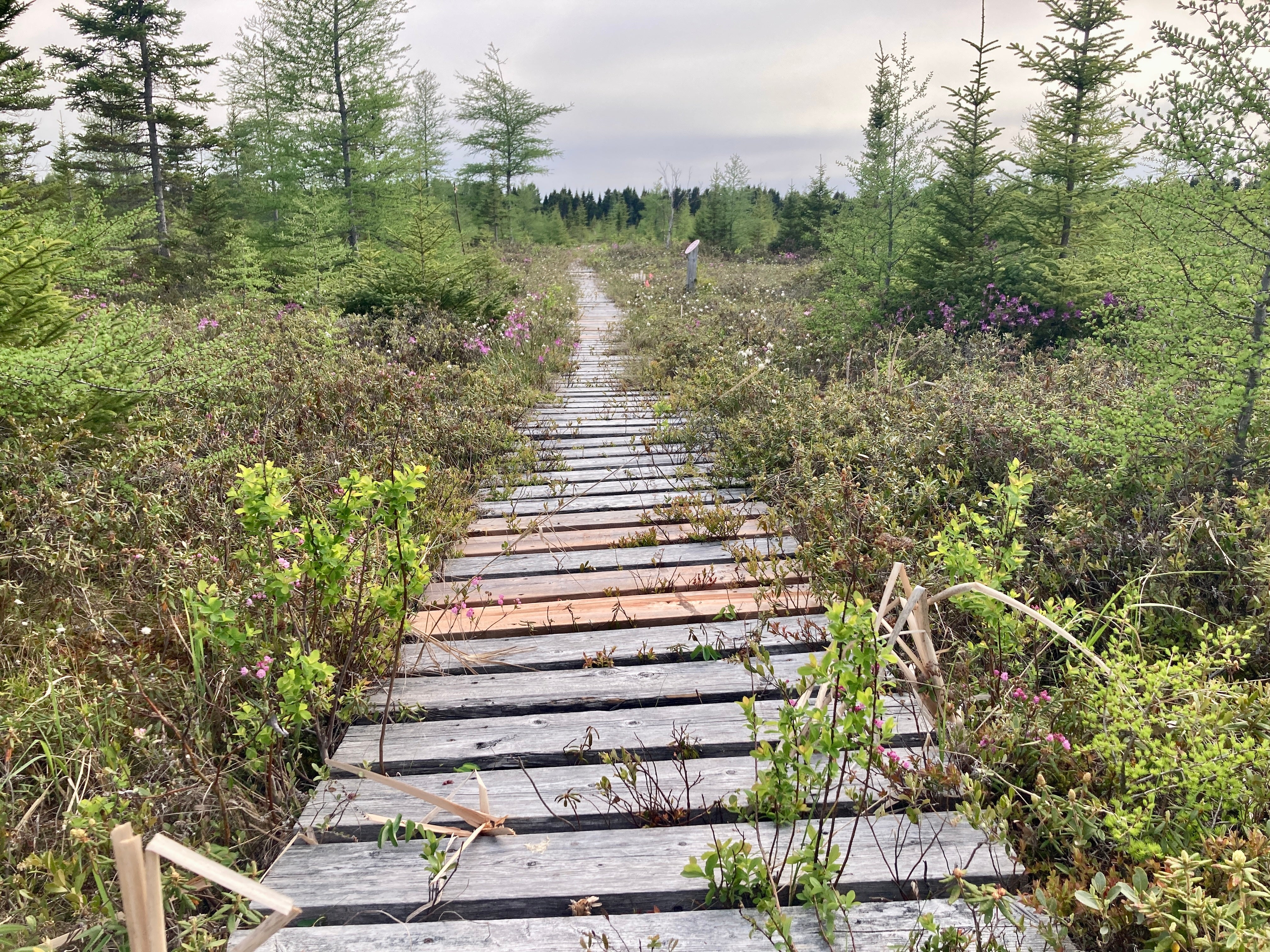
The stories migrated to East Labrador with Meredith Purcell’s experiences with her work with the NunatuKavut Community Council on a wetland research program. She emphasized the richness of Labrador’s peatland ecosystems and the urgent need for conservation, noting how much of the region remains unprotected. Meredith described extensive biodiversity monitoring, including the use of game cameras to document culturally significant species such as caribou.
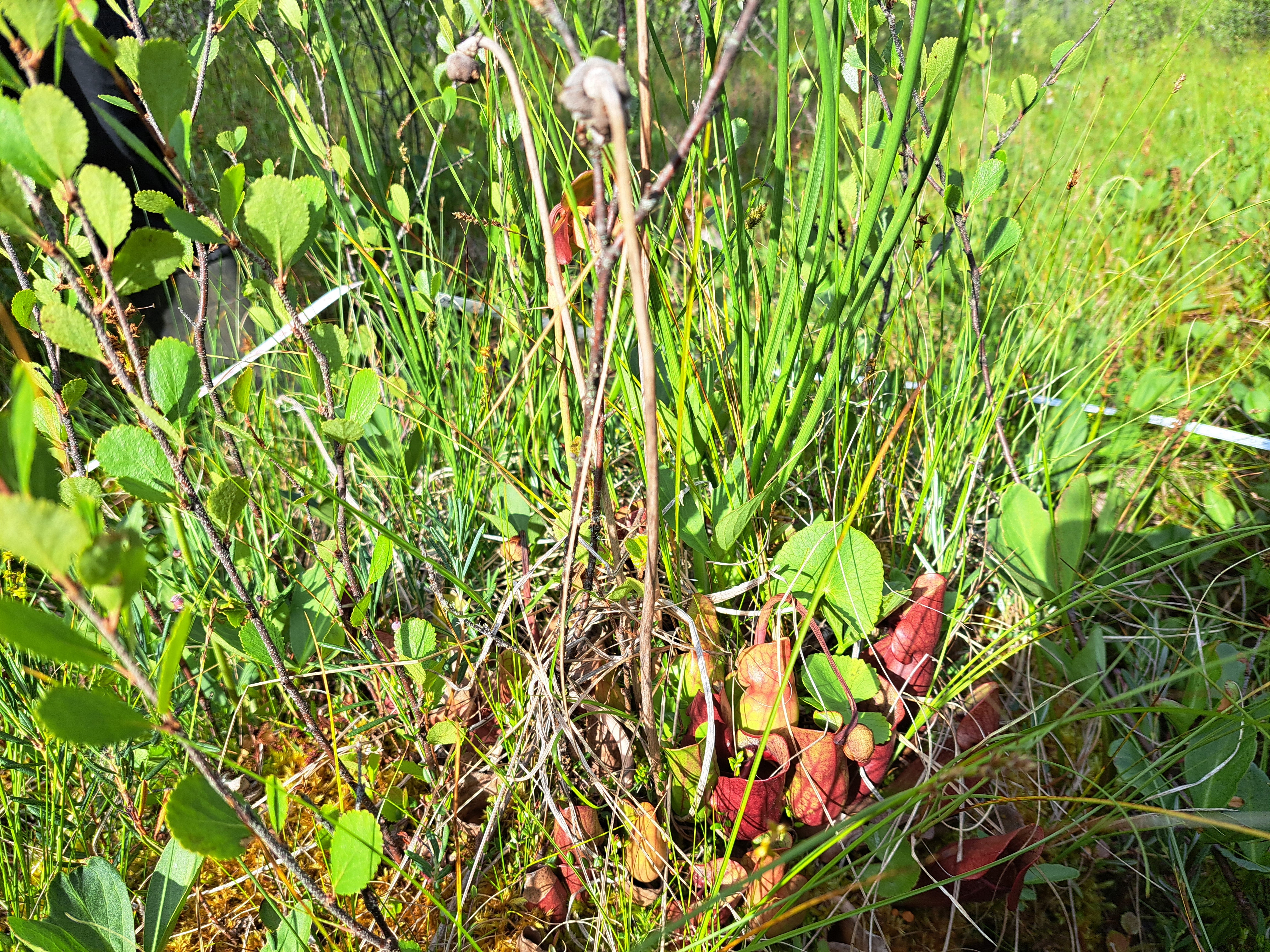
The sharing session attendees were mesmerized by Mélina Guêné-Nanchen’s, a professor at l’Université Laval, orchid species images. She shared playful and reflective insights with the group featuring the 25th anniversary of the Bois-des-Bel restoration, and the sense of community that restoration sites can foster.
A diverse array of presentations rounded out the session. Muhammad Kamil Sardar Ali, from the University of Tartu, shared insights from his PhD research on carbon dynamics in Estonian peatlands, while Akshara Sandali Samarasuriya Withanage discussed greenhouse gas emissions from agricultural peatlands in Canada. Pierre-Olivier Jean closed with a visual overview of peatland restoration efforts, candidly addressing challenges such as material sourcing and mechanical hurdles.
The session concluded with gratitude and optimism, reinforcing the Can-Peat network’s strength as a collaborative, supportive space where field experiences fuel learning, connection, and innovation in peatland conservation and restoration.