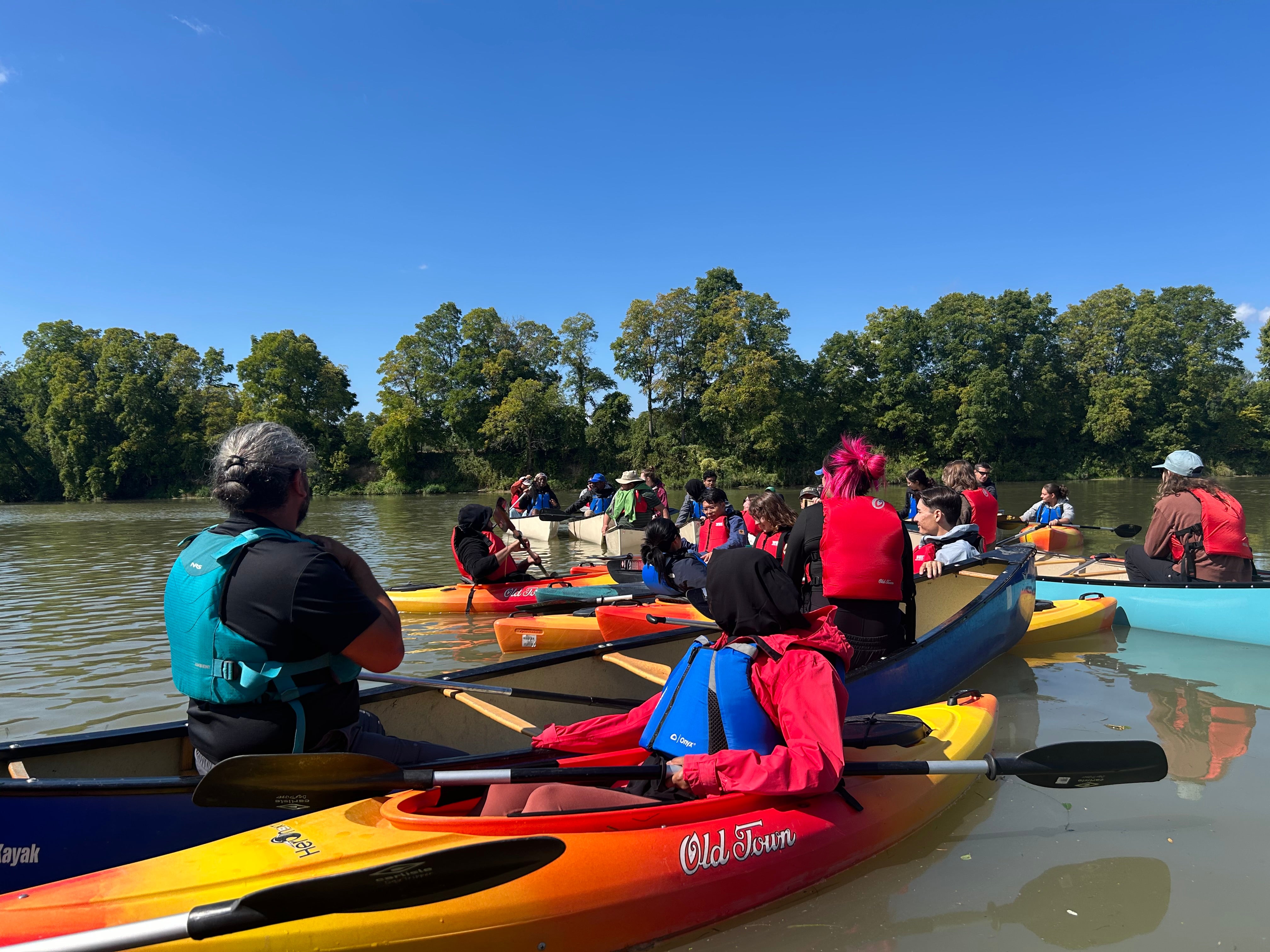
From wetlands to water treatment: Collaborative Water Program students explore the complexities of water management
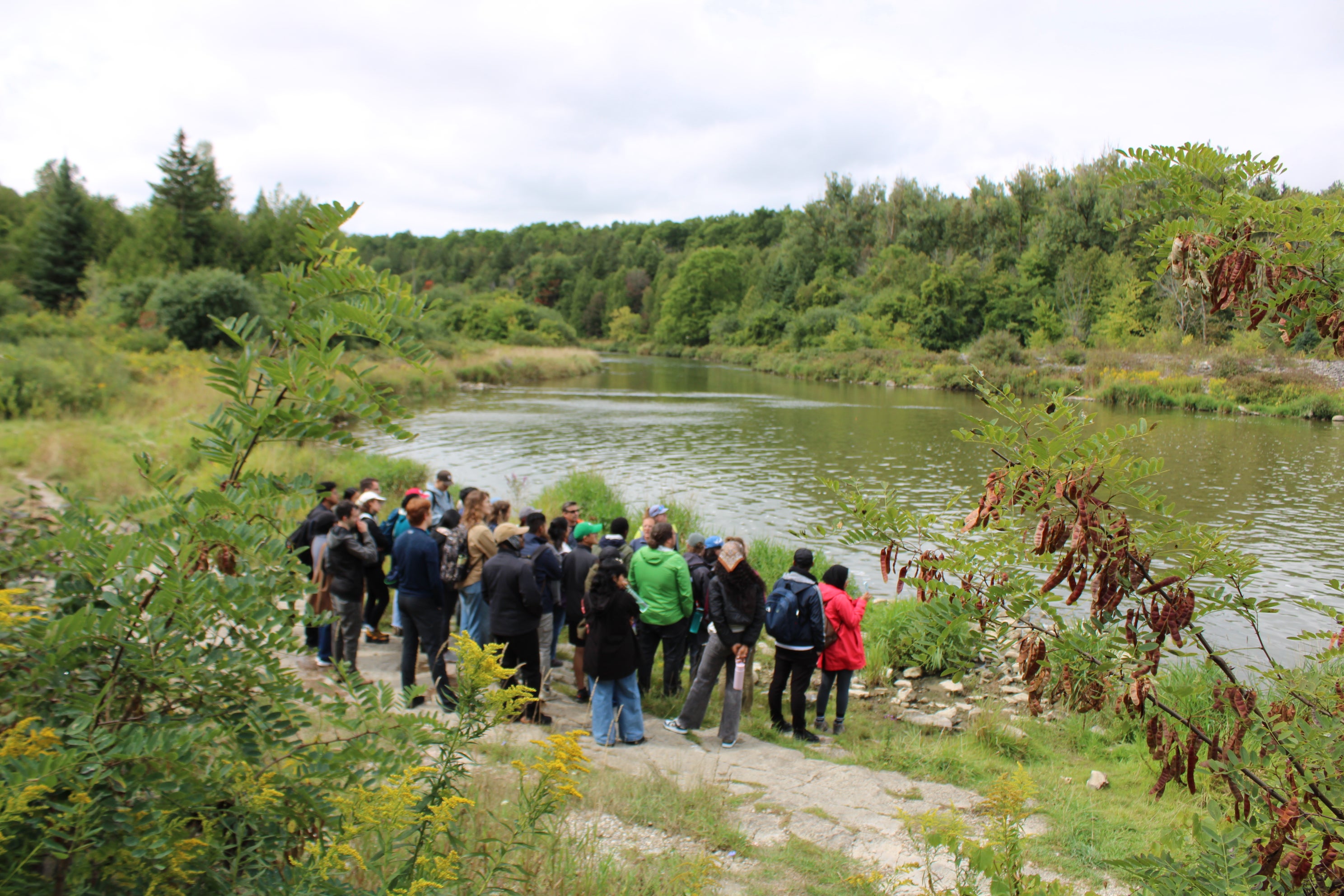
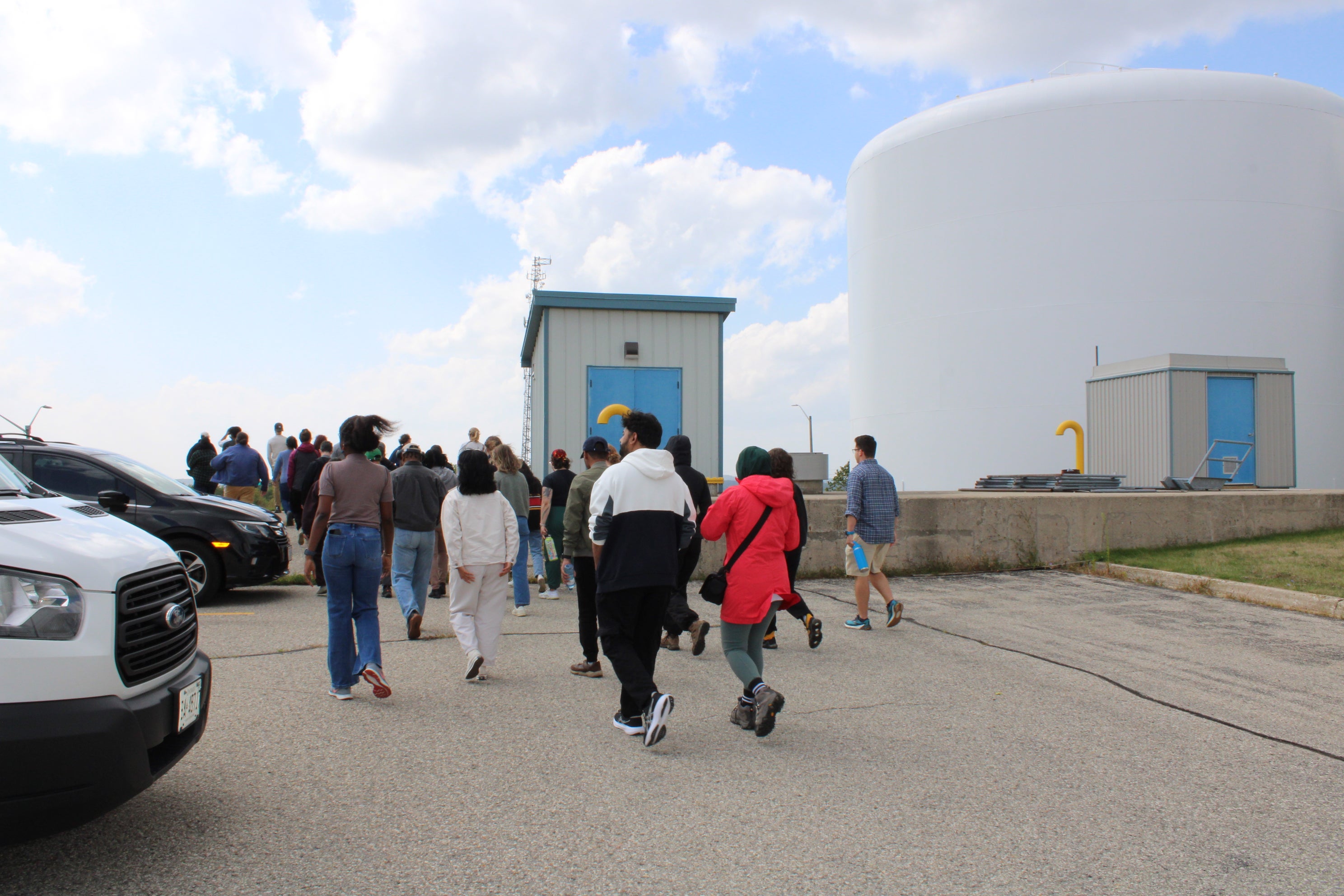
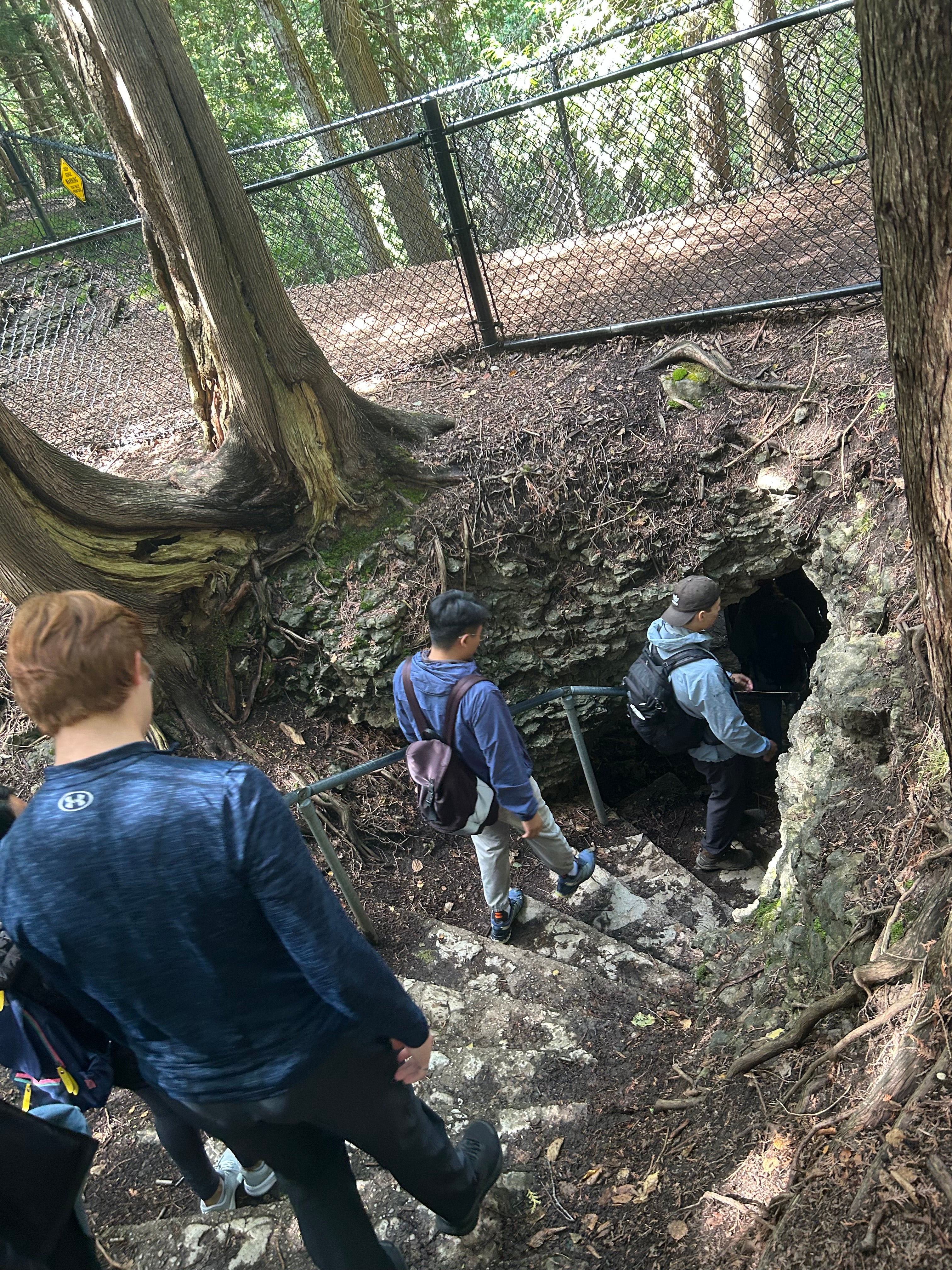
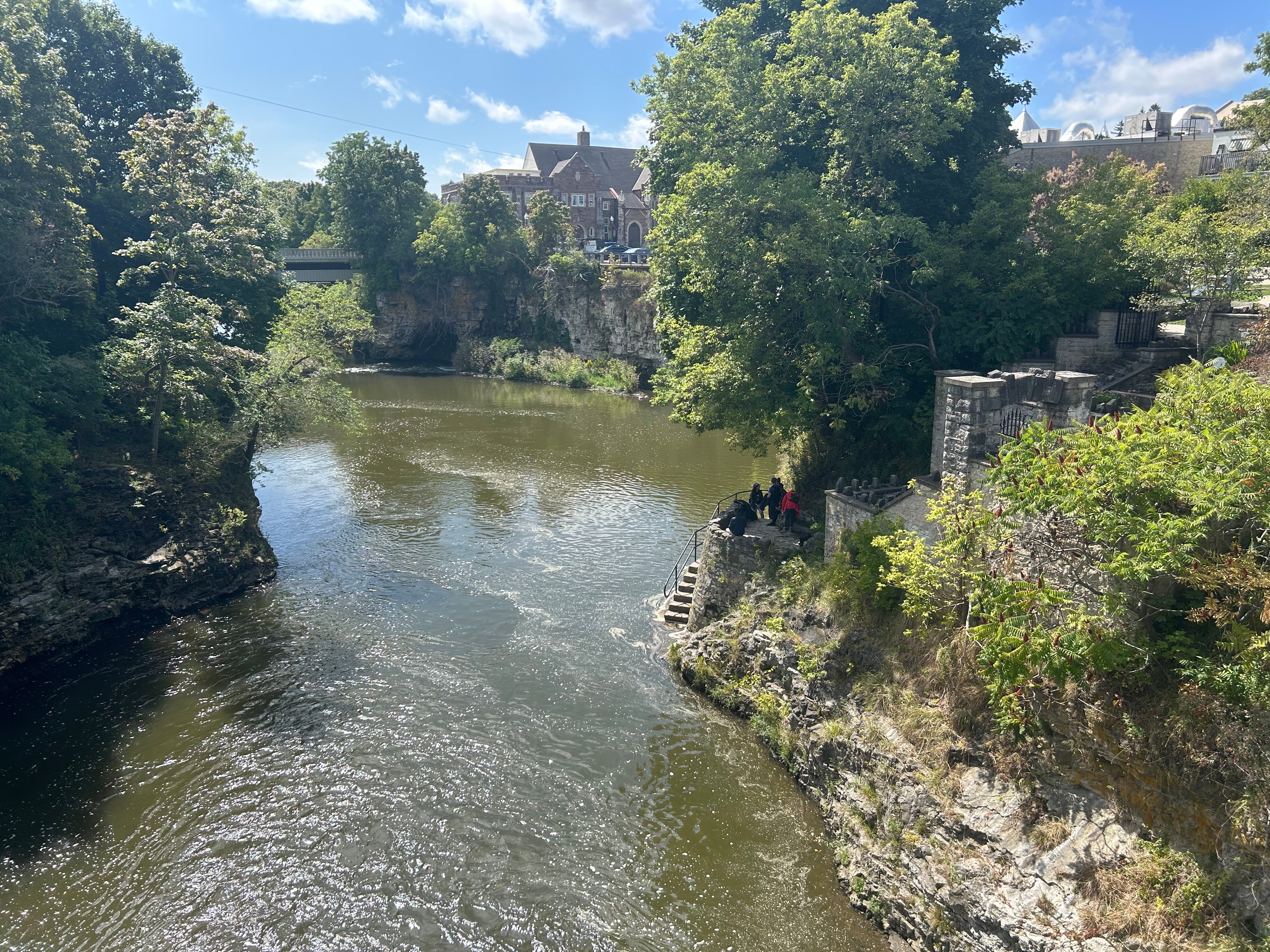
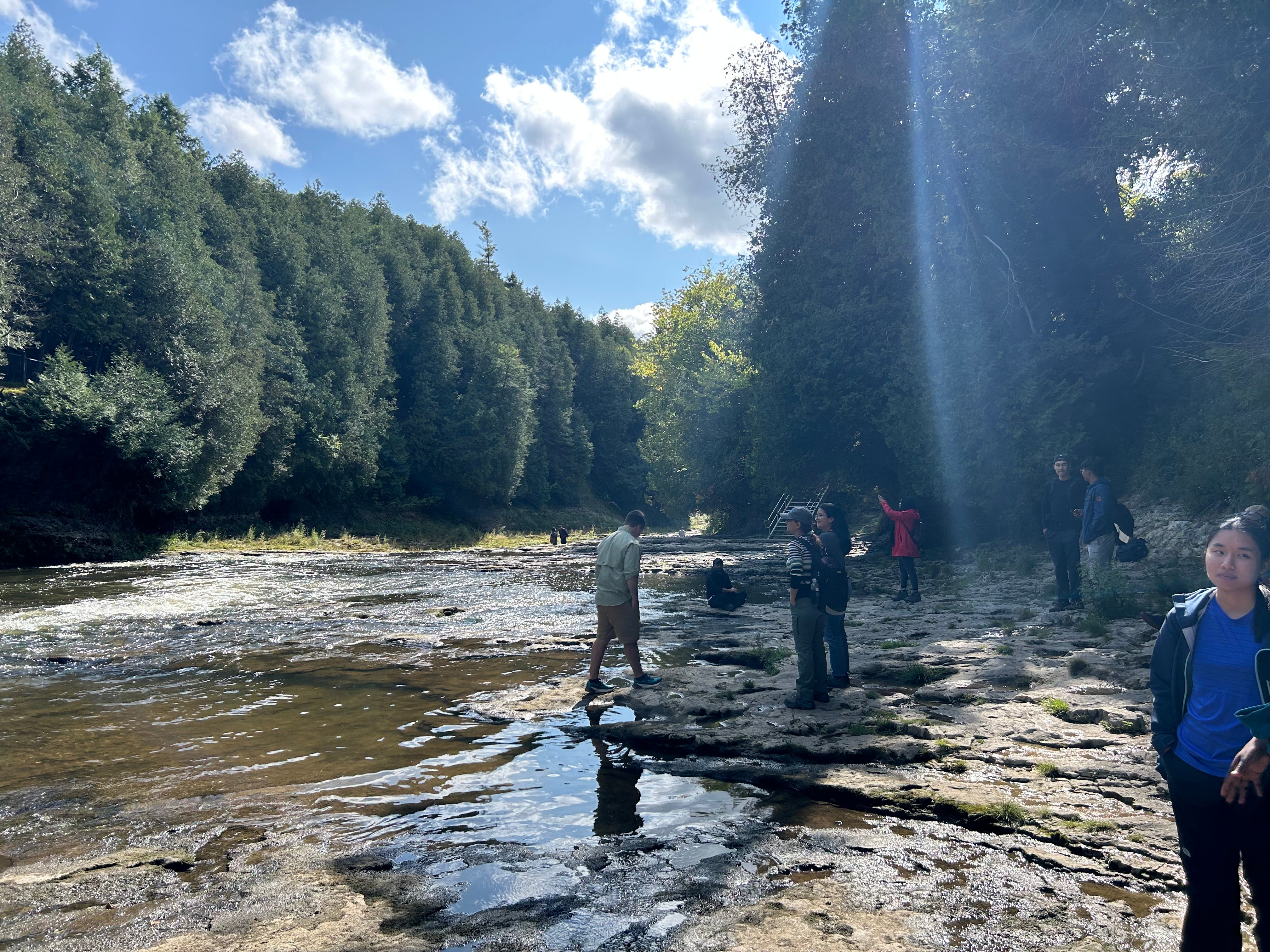
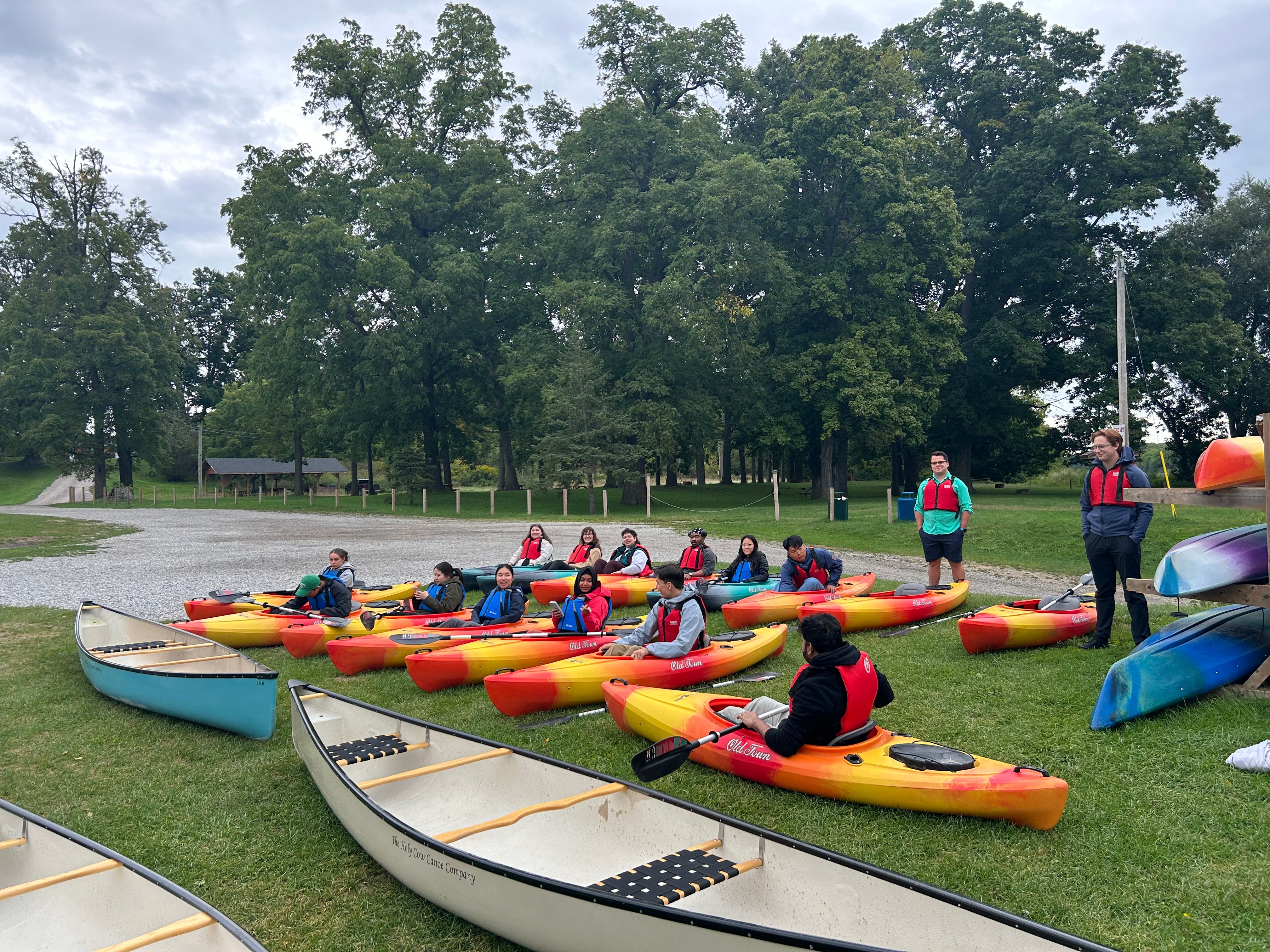
In September, the Water Institute’s Collaborative Water Program (CWP) once again took graduate students beyond the classroom and into the Grand River watershed for WATER 602: Integrated Water Management. Over three days, students travelled the length of the river from its headwaters near Luther Marsh, ON to Six Nations of the Grand River, to explore how water connects communities, ecosystems, and economies, and to grapple with the complex trade-offs inherent in water management.
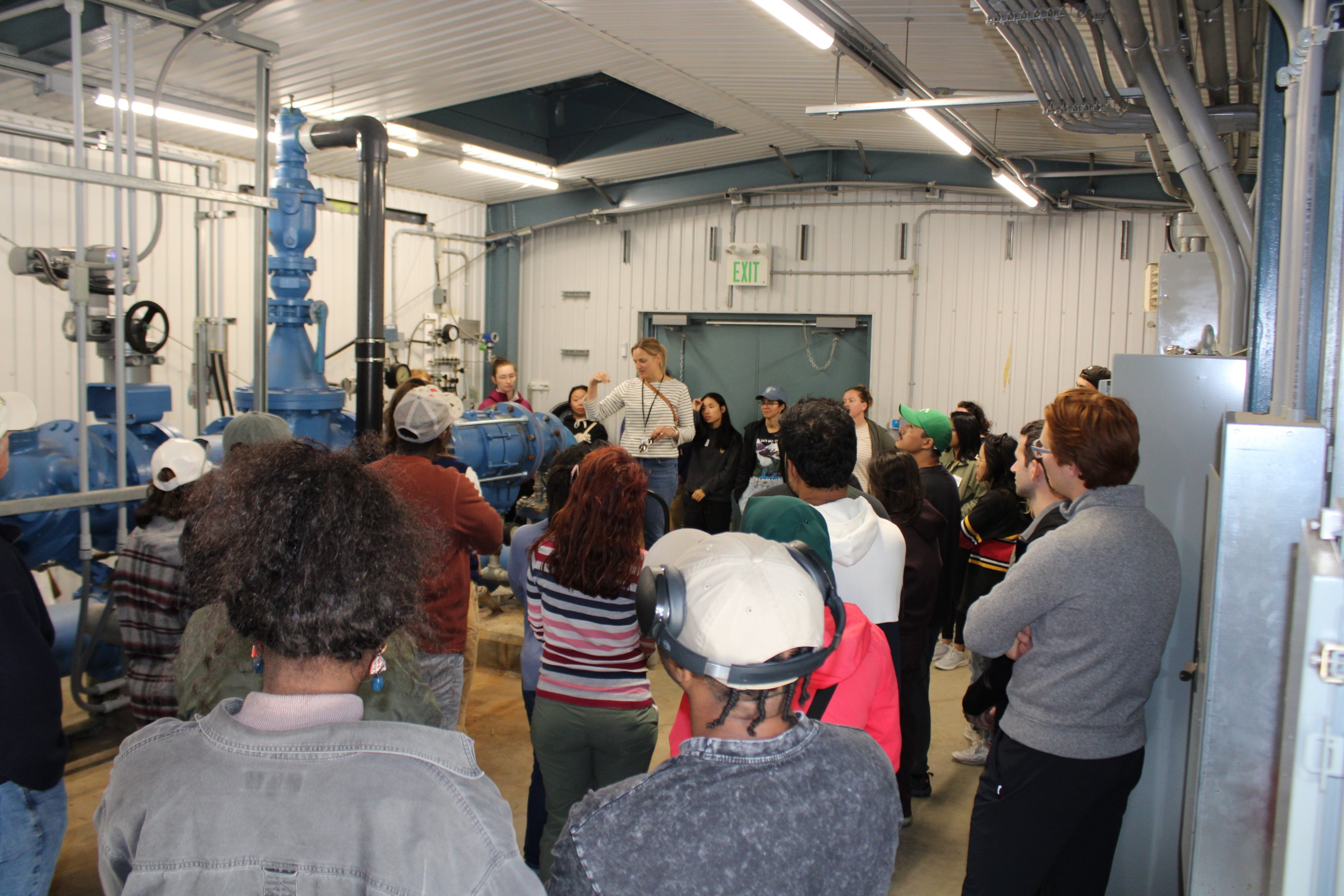
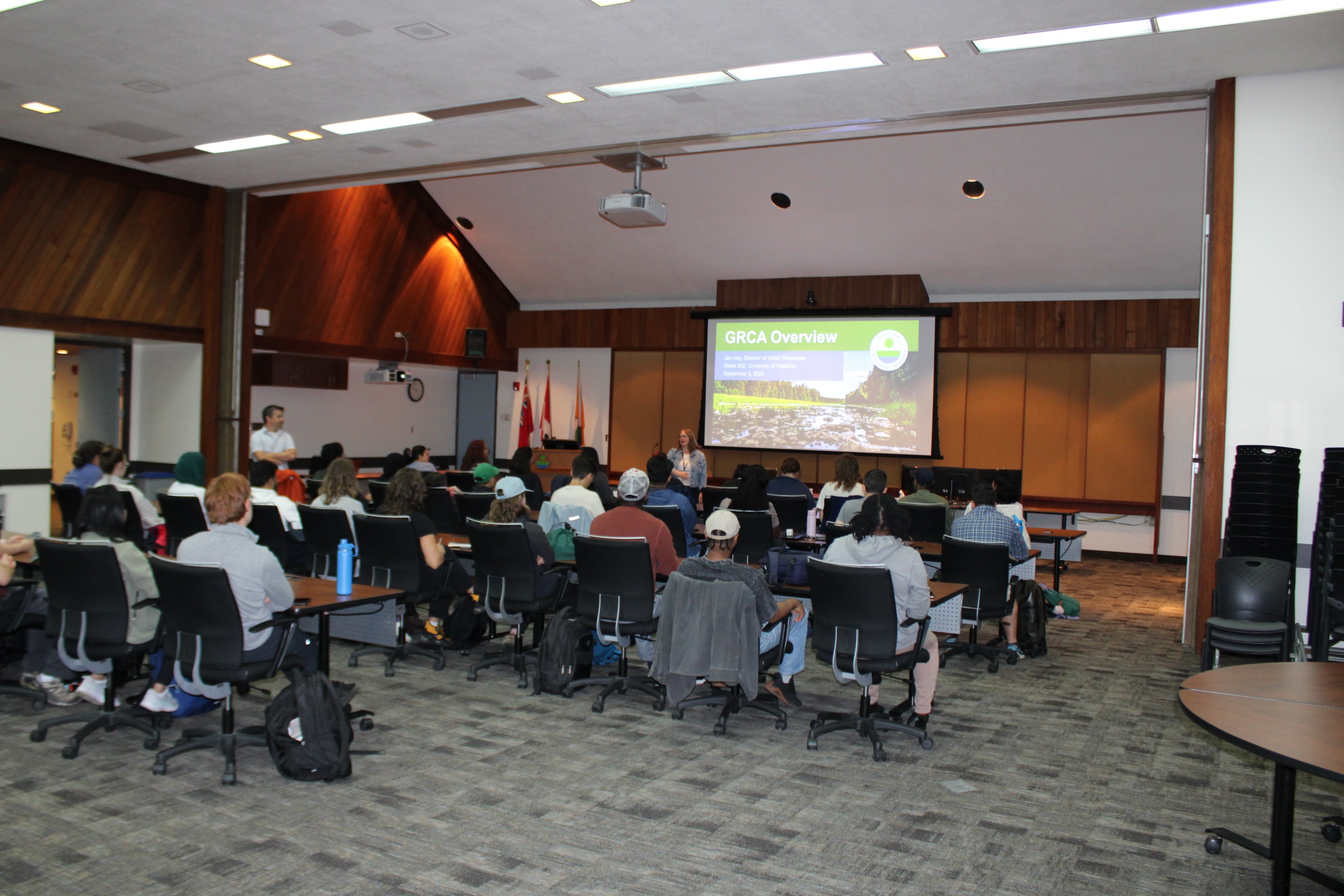
Led by Professor Bryan Tolson, Civil and Environmental Engineering, and Carissa MacKenzie, Department of Geography and Environmental Management, the course is designed to help students apply systems thinking to real-world challenges. Along the way, they met with community partners managing wetlands and dams, explored how urban infrastructure balances growth with sustainability, and learned directly from community members about the cultural and historical significance of the river.
“The field course is a powerful way to connect classroom learning with the realities of managing water in the Grand River,” said Bryan Tolson, CWP instructor and Professor of Civil and Environmental Engineering.
“This trip enables students to associate their post-field trip course project activities with the conditions and locations they experienced in person. Students also get to see some beautiful parts of the watershed that they had no idea existed.”
At sites across the watershed, students encountered different perspectives on the value of water from The Grand River Conservation Authority working to safeguard natural areas, to The Region of Waterloo staff responsible for drinking water treatment, to Indigenous community members reflecting on the land and its history. The trip underscored that no single discipline or sector holds all the answers, and that effective water management requires an inclusive, collaborative approach.
Since its launch in 2013, the Collaborative Water Program has welcomed more than 400 graduate students from 12 departments and schools across all six Waterloo faculties. Now in its 12th year, the program continues to equip students with the interdisciplinary skills, knowledge, and perspectives needed to tackle today’s most pressing water issues, including groundwater depletion and contamination, the impacts of climate change and the complexities of governance and management.
For graduate students interested in making water central to their research and professional development, the program offers an unparalleled opportunity to learn across disciplines and alongside partners in the watershed.