
When was the last time you had your eyes checked? Nearly one in five Canadians are at risk of vision loss from eye diseases. If you're overdue for a recommended follow-up, it may be time to book a comprehensive eye exam.
Optometrists are your first point of contact for eye health; their role goes well beyond just prescribing glasses. They are trained to diagnose and treat eye conditions and disease – they can even identify conditions elsewhere in the body such as diabetes or high blood pressure.
Optometrists can also help with urgent issues, including:
-
Any sudden changes in vision
-
New or increased floaters
-
Flashes of light
-
Dark or blurry spots
-
Loss of peripheral vision or a "curtain" over part of your sight
-
Distorted vision, such as straight lines appearing wavy
-
Eye pain
If you experience any of these symptoms, seek care from an optometrist or ophthalmologist as soon as possible. If symptoms appear suddenly and immediate eye care is unavailable, visit the nearest hospital emergency department.
What happens during a comprehensive eye exam?
A comprehensive eye exam evaluates both your vision and the overall health of your eyes. Your optometrist will assess visual acuity and eyeglass prescription, peripheral vision, eye coordination and movement, your cornea (front of eye), retina (back of eye), optic nerve and blood vessel health. Medical history and lifestyle factors may affect eye health. Sometimes they use more specialized equipment, such as slit-lamp microscopes and retinal imaging devices.
These examinations can detect early signs of nearly 270 health conditions, including glaucoma, diabetic retinopathy, age-related macular degeneration (AMD), dry eye disease, diabetes and high blood pressure. Because many eye diseases develop without symptoms, routine exams are essential for early detection and treatment. Many people wait until vision problems become noticeable, even though serious eye diseases often have no early warning signs. Regular exams help identify issues before permanent vision loss occurs.
An estimated 75% of vision loss is preventable or treatable, making routine eye care one of the best investments in your long-term health.
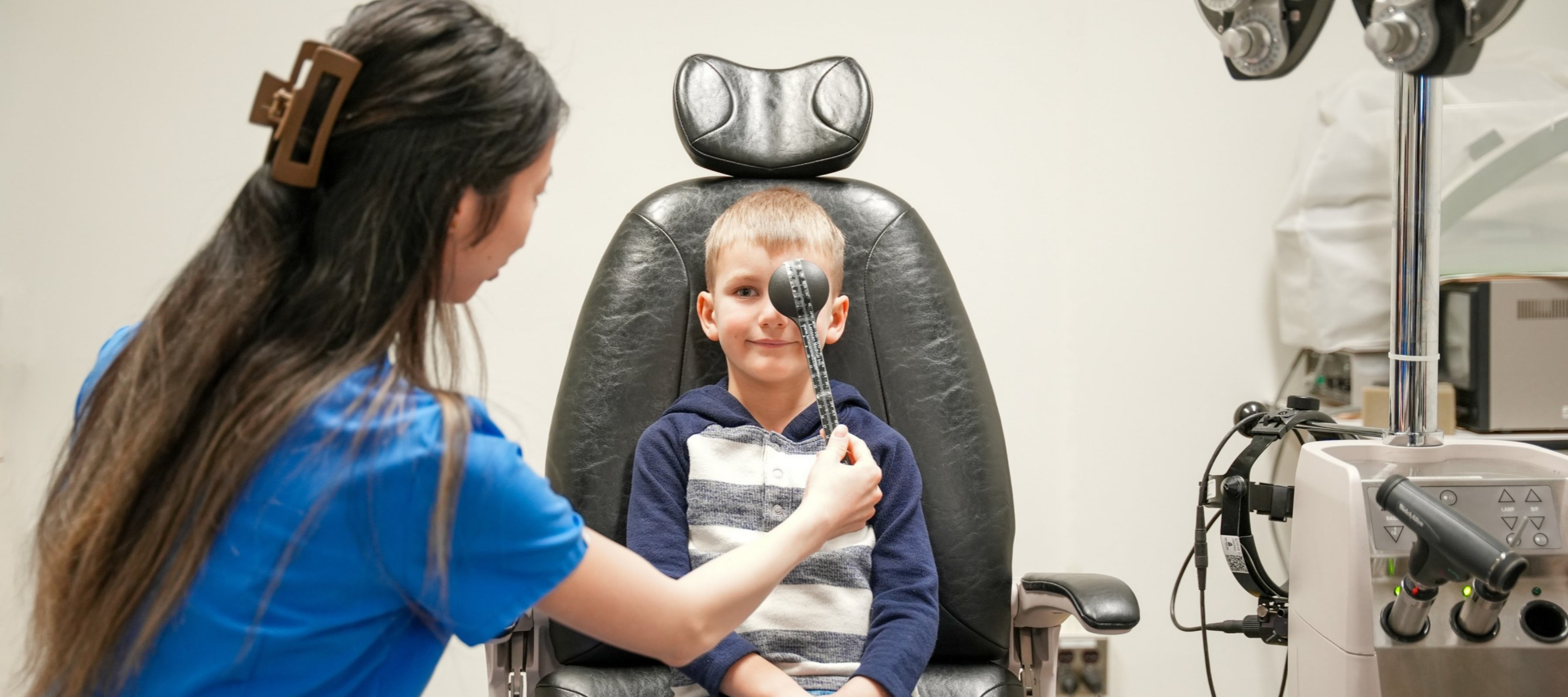
Eye care at every stage of life
Infants (6-9 months)
An infants vision develops quickly and can change drastically by their sixth month mark – their first comprehensive eye exam should occur between six and nine months of age. Early exams can detect conditions such as amblyopia (lazy eye), strabismus (crossed eyes) and rare childhood eye cancers. Detecting these conditions early improves treatment outcomes and helps support healthy visual development.
Preschool children (2-5 years)
Children should receive at least one comprehensive eye exam before starting school. Good vision is critical for social development, hand-eye coordination, fine motor skills and social development, affecting how a child learns, plays and pays attention. Many vision problems are difficult for children or parents to recognize without a comprehensive eye examination.
School-aged children (5-19 years)
Annual eye exams are recommended as reading, writing and screen use increase, uncorrected vision problems can contribute to headaches, fatigue and learning difficulties. Common issues include myopia (nearsightedness), hyperopia (farsightedness), and astigmatism (blurred vision at any distance), all of which can often be corrected with glasses or contact lenses.
Adults (19-65 years)
Adults should have an eye exam at least every two years. Many sight-threatening conditions, including glaucoma, diabetic retinopathy and AMD, can develop silently. Comprehensive eye exams allow optometrists to monitor eye health, detect disease early and recommend appropriate treatment. People with diabetes should have annual eye examinations because of their increased risk of diabetic retinopathy.
Older adults (65+)
Adults over 65 should have an eye exam at least every 18 months, or more frequently depending on individual risk factors or pre-existing conditions. Aging increases the likelihood of conditions such as cataracts, glaucoma and AMD. Regular eye exams help identify age-related changes and support timely treatment to maintain quality of life.
Protecting your vision
The value of a comprehensive eye exam cannot be overstated. Routine eye exams allow different eye conditions to be detected early, helping to prevent permanent damage. Since eyes can reveal signs of other health conditions, it enables timely treatment and better health outcomes.
Waterloo Eye Institute patients
At the Waterloo Eye Institute, we provide:
-
Comprehensive eye exams for all ages.
-
Eyewear, including bifocals, multifocals, bifocal/multifocal sunglasses, lenses with therapeutic tints/filters and dry eye spectacles that cup over the eyes.
-
Contact lenses, including bifocal/multifocal contact lenses and specialized lenses for people with conditions such as severe dry eye or corneal scarring.
-
Urgent eye care and an after-hours phone line for urgent eye concerns.
-
Treatment and management of ocular diseases including dry eye.
-
Low vision rehabilitation for people who have experienced vision loss.
-
Treatment for people who have experienced brain injuries, including stroke and concussion, and/or who have binocular vision dysfunction.
-
Advanced eye imaging to help diagnose and stage diseases, including for patients of other clinics upon referral.
Children under 19 years old are eligible for one Ontario Health Insurance Plan (OHIP)-covered comprehensive eye examination each year. For adults 65 and older, it covers a comprehensive exam every 18 months, along with two follow-ups. Adults of any age with an eligible medical condition are covered for one comprehensive exam a year, also with two follow-ups. Your optometrist may recommend testing or treatments that aren't covered by OHIP, and cost details will be provided in advance. Learn more about OHIP eye coverage.
For people not covered by OHIP, as of 2026, a comprehensive eye exam costs $120 and a follow-up visit costs $75. Discounts apply for University of Waterloo employees, students and dependants. All fees are subject to change.