CCRF welcomes Shaieree Cottar as the new coordinator
The Canadian Coastal Resilience Forum (CCRF) is pleased to welcome its newest member, Shaieree Cottar as the Coordinator.
How well are Canadian cities planning for climate change? This question inspired a recent study conducted by CCRF leads Jason Thistlethwaite and Daniel Henstra, in partnership with Dave Guyadeen of the University of Guelph’s School of Environmental Design and Rural Development.
On May 23rd, the Canadian Coastal Resilience Forum (CCRF) hosted a webinar titled "Flood risk governance in a changing climate". This is the CCRF's first webinar of the year and it is a part of a Climate Change and Policy series.
On May 16 and 17, an Expert Forum was held in Vancouver, British Columbia focused on climate change and coastal transportation infrastructure.
This Expert Forum was hosted by MEOPAR in partnership with the Institute for Catastrophic Loss Reduction and Westac.
The Canadian Coastal Resilience Forum (CCRF)’s coordinator Andrea Minano participated in this event representing the CCRF team and its efforts, including the CCRF’s upcoming workshop in Halifax.
Online technologies have changed the way we communicate, receive information and interact with officials during an emergency, such as a flood or wildfire.
We are notified by mobile applications when inclement weather is set to strike, we can find tsunami and flood warnings on Twitter, and Facebook notifies us if our friends or loved ones are "safe" when any disaster unfolds in their vicinity.
Canadian researcher Sara Harrison is interested in identifying opportunities for online collaboration and engagement between governments and citizens. Sara wants to understand how governments interact with their residents before, during and after a disaster. How are different governments across Canada doing this? Is there untapped potential in the way governments interact, educate and obtain information from their citizens? How could governments benefit from online citizen engagement?
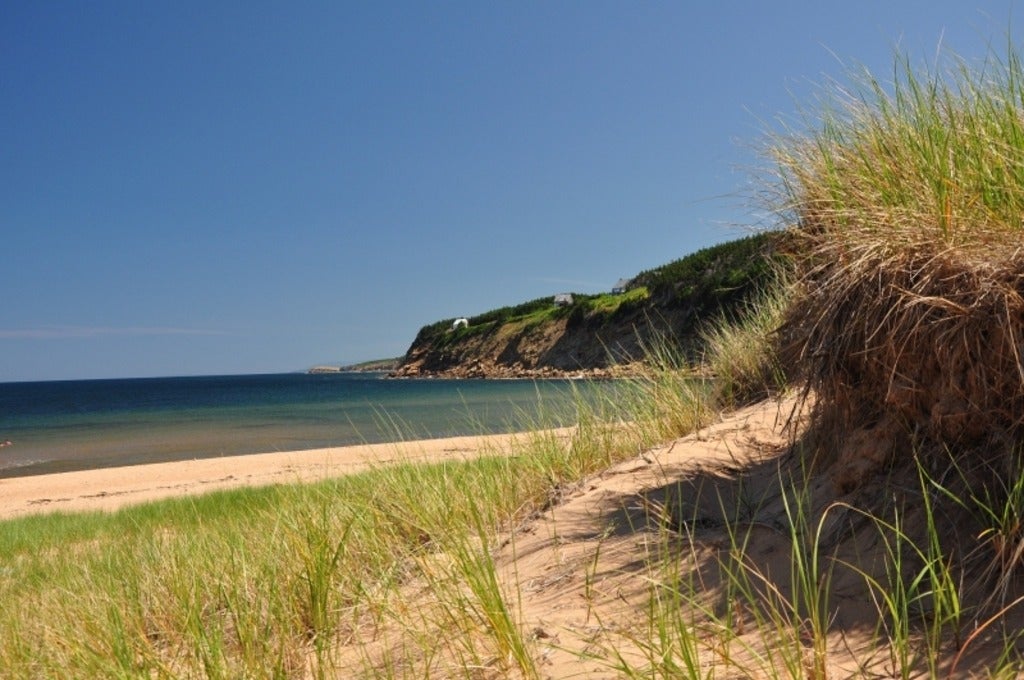
The coast is emblematic of Nova Scotia, its people and its culture. About 70% of Nova Scotia’s population resides along the coast making this “coastal zone” a place where private and public development has concentrated over the years.
Sea level rise and climate change pose a serious threat for coastal properties and populations in this Atlantic Canada province. Not only does infrastructure becomes at risk of permanent inundation, but important industries to the economy can also be impacted, such as through more frequent business interruptions from damaging storm surges.
While municipalities in Canada work on adapting to a changing climate and rising tides, it is important to take into consideration lessons learned from international jurisdictions, where many urban centres have already put in place projects and initiatives to address their coastal risks.
Earlier this month, Jason Thistlethwaite—Lead of the Canadian Coastal Resilience Forum—attended CatIQ’s Canadian Catastrophe Conference (C4) held in Gatineau, Quebec.
C4 gathers perspectives across the government, academia, for- and non-profit sectors to discuss strategies on how to prepare, respond and recover from natural and man-made disasters.