Current students

Waterloo’s Dr. Julie Messier investigates how plant species in Québec’s temperate forests adapt to climate change. Her research shows that traits like shallow roots and high leaf mass help some plants thrive, while others decline. These findings are vital for predicting future changes and conserving Canada’s forests.

Waterloo researchers, led by Dr. Rebecca Rooney, found the invasive Hydrilla plant in Ontario’s Hillman Marsh. This discovery is significant as Hydrilla can rapidly spread, threatening wetland ecosystems and recreational activities. Efforts are underway to eradicate it before it impacts larger water systems.

On September 17, 2024, the Faculty of Engineering and the Climate Institute hosted an engaging talk by Dr. Magnus Gålfalk, whose work bridges the gap between astronomy and climate science. Dr. Gålfalk, a professor and researcher, captivated the audience with his presentation on innovative optical methods for detecting greenhouse gas emissions—a topic that is increasingly critical as the world seeks better ways to monitor and mitigate climate change. 

The University of Waterloo, in collaboration with the Waterloo Climate Institute, hosted a community lecture addressing climate misinformation. The event highlighted how false information hampers climate action and explored strategies to build public trust in science. Panellists emphasized the importance of accurate information and community engagement in combating climate change.

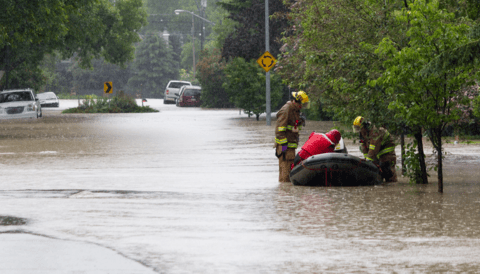
The University of Waterloo’s Inclusive Resilience Project, led by Partners for Action (P4A), focuses on equitable community resilience against climate risks. Collaborating with the Canadian Red Cross and funded by Public Safety Canada, the project developed a Social Vulnerability Index (SoVI) to map socio-economic vulnerabilities and inform targeted flood risk reduction efforts. This initiative highlights the importance of integrating social vulnerability into disaster management to protect Canada’s most at-risk populations.

Saturday, February 1, 2025 10:00 am - 4:00 pm EST (GMT -05:00)

Student Pitch Competition – Design a Community Cooling Space - CLIMATE CON 2025

Join the Student Climate Action Program for Student Climate Con 2025 on February 7th at Federation (FED) Hall. This full-day convention features inspiring keynotes, panels, workshops, and a student showcase addressing climate anxiety and hope. Highlights include interactive sessions, poster awards, networking, and lunch. The event's objectives are fostering climate action, building community, and supporting climate emotions. Themes like Climate Hope and Youth Climate Anxiety take centre stage, empowering attendees as catalysts for change. 

As the cost of flood damage rises, property insurance becomes more costly for Canadians. Currently, over 10% of Canadians cannot get flood insurance. Research suggests that sharing data on flood-risk management between insurers and local governments could lead to more affordable insurance. A Climate Institute member calls attention to the benefits of sharing data and highlights that ignoring this gap will worsen the situation following one of the worst years for insured losses in Canadian history.  

Monday, September 16, 2024 6:30 pm - 9:00 pm EDT (GMT -04:00)

Charting a Course in the Sea of Climate Misinformation

Join the University of Waterloo and the Waterloo Climate Institute for a conversation on how we find trusted information on climate action in a sea of misinformation. We’ll discuss ways to overcome the confusing and overwhelming options for climate action and build trust in climate science so that we can build resilient communities and live better together.