Current undergraduate students
Step into a space of meaningful conversations and refreshing mocktails at Climate Drinks! The Waterloo Climate Institute, invites you to unwind and engage in discussions about climate change. Savor free snacks and drinks as you connect with like-minded individuals and explore ways to make a positive impact on our planet. Don't miss this opportunity to mingle, learn, and sip on sustainability!
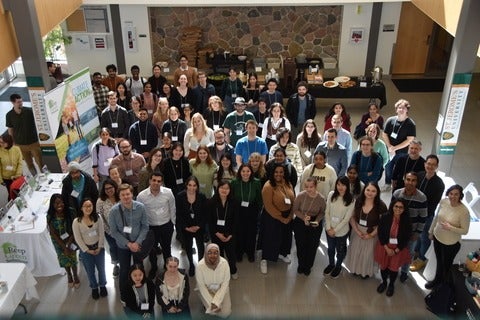
Climate Con 2024 provided an opportunity for students from across all six faculties to connect and discuss interdisciplinary climate action. Over 100 attendees engaged in a full-day of plenary sessions, poster competition, Indigenous welcome, keynote, presentations, and panels.
Waterloo Climate Institute member captures valuable experiential knowledge generated through interdisciplinary collaboration. Discover more to uncover the latest breakthroughs in this research.
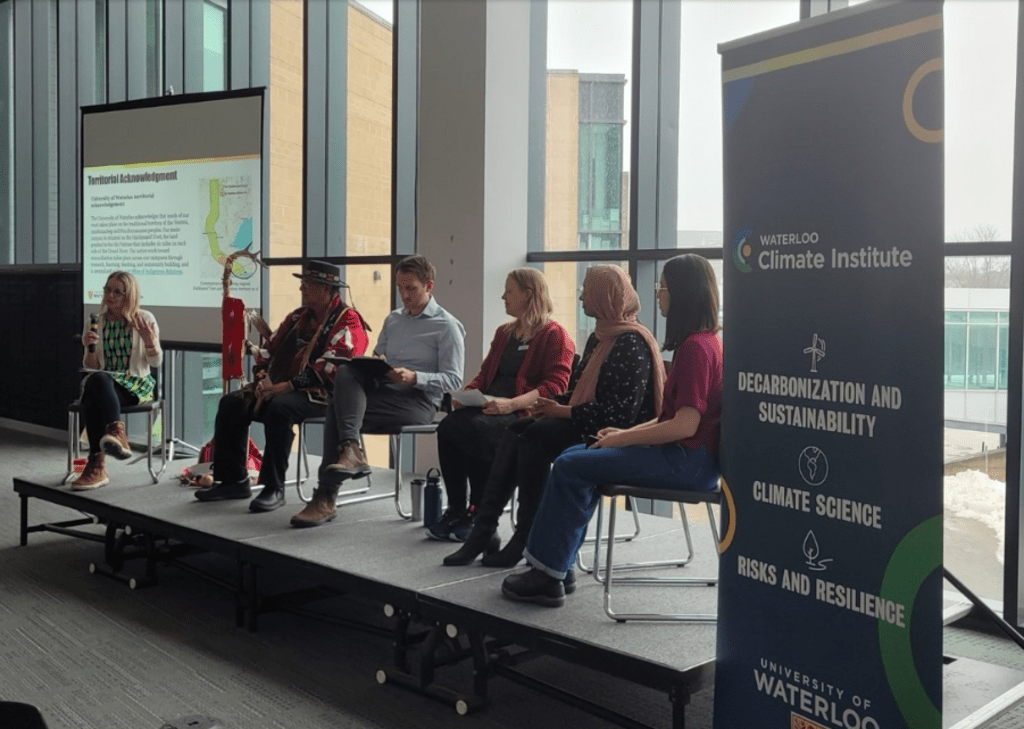
A diverse panel of faculty, staff and students from the Faculty of Health joined for a lively discussion on how climate change impacts health and health care practices. Find out what students in Health say about how health can contribute to a more climate resilient future in our latest blog on from our co-op student, Fatima Patka.
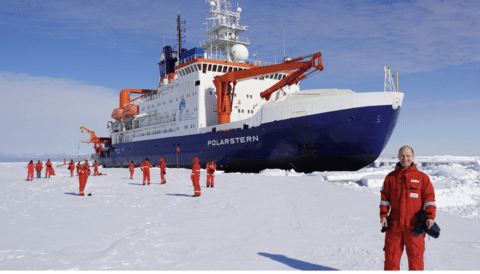
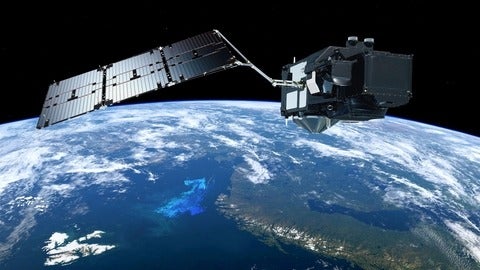
Climate change is here and the impacts are being felt around the world. Dr. Chris Fletcher is part of a scientific consortium developing satellite technology to better understand climate change.
The intersection of health and climate change has come into focus recently, a diverse panel of faculty, staff and students from the Faculty of Health joined for a lively discussion on how climate change impacts health and health care practices. Find out what students in Health say about how health can contribute to a more climate resilient future in our latest blog on from our co-op student, Fatima Patka.
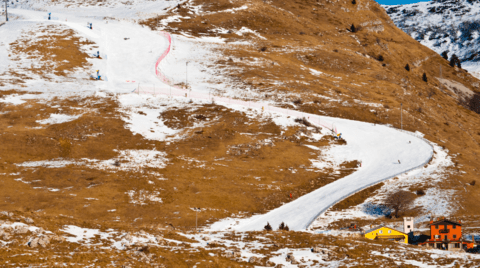
First-of-its-kind study with Climate Institute member Dr. Daniel Scott, estimates the economic damages climate change has had on the U.S. ski industry over the past two decades.
Climate Institute member empowers future engineers through diversity and sustainability
Researchers at the University of Waterloo, led by Climate Institute member Claude Duguay have developed new tools using machine learning models to identify lake ice conditions with unprecedented accuracy. These tools will significantly advance climate change monitoring and public safety. By processing satellite radar altimetry data, the algorithm can differentiate between open water, thin ice, growing ice, or melting ice with 94% accuracy.
Waterloo Climate Institute Member Kelsey Leonard receives the first national healing forest designation in Waterloo - The David Suzuki Foundation and the National Healing Forests Initiative recognize a campus urban forest for its spiritual connection and healing properties. This designation supports the university's commitments to decolonization, Indigenization, and reconciliation.