Editor:
Brandon Sweet
University Communications
bulletin@uwaterloo.ca
The woman behind the laser
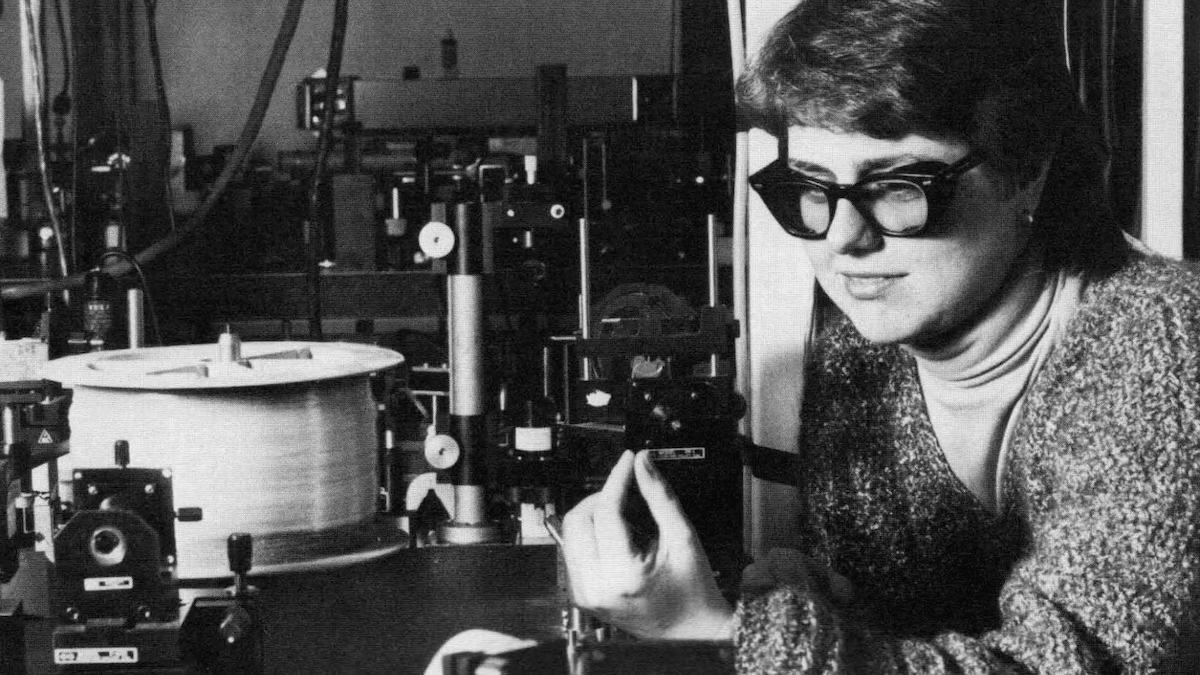
This is an excerpt of an article originally published on Waterloo News.
What would you do if you woke up one day and your whole life changed?
Forty years ago, when Donna Strickland, physics professor at the University of Waterloo, and Gérard Mourou published their paper on the discovery of chirped pulse amplification (CPA), they knew they had found something that would change laser science. Fast-forward 33 years to an early morning call from the Nobel organization with news of her 2018 Nobel Prize win, and Strickland’s life was changed forever.
What followed was a whirlwind of press interviews, travel, and lectures around the globe. As the third woman ever to win a Nobel Prize, Strickland became a household name overnight. And she deserved it.
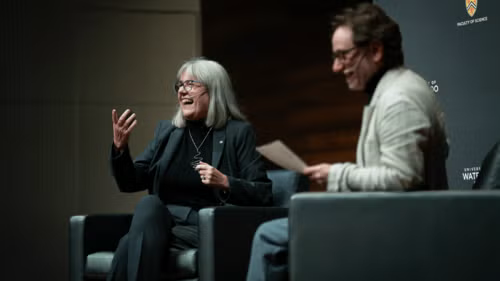
The invention of the CPA technique changed the game in laser science. Its creation enabled a giant leap in the intensity of optical pulses that continue to steadily climb. Thanks to Strickland and her PhD supervisor, Dr. Mourou, countless everyday technologies became possible, built on research propelled by this groundbreaking technique.
While lasers were invented in 1960, no one had figured out how to amplify short laser pulses without damaging their laser amplifiers in the two decades after. Strickland and Mourou discovered that if they stretched the pulse, amplified it, and then compressed it back down, they could heighten the laser’s intensity without damaging the amplifier. The breakthrough approach packed more light into a shorter time, which increased the intensity of the pulse and allowed the laser beams to cut into matter with precision.
“When you make the intensity extremely high, you have a laser hammer, and not only is it a hammer, but it can hammer through transparent objects like your cornea or like glass in your telephone,” Strickland says. “Before this laser, you could not machine glass because the light went right through it, but after CPA created this laser hammer, you could.”
The ripple effect of that laser hammer is significant. Strickland and Mourou’s breakthrough sparked research that has led to many of the technologies we now use daily. CPA is used to slice open the cornea of the eye without damaging the surrounding tissue, making the process of laser eye surgery far less painful for patients. It also has applications in many laser materials processing techniques, including the machining of fragile materials like the glass used in smartphones. Additionally, CPA can be used to accelerate protons that could one day be used in proton therapies used to treat deep-tissue tumours, like those in the brain.
Read the full story on Waterloo News
GreenHouse’s 35th Social Impact Showcase celebrated student social innovation and impact
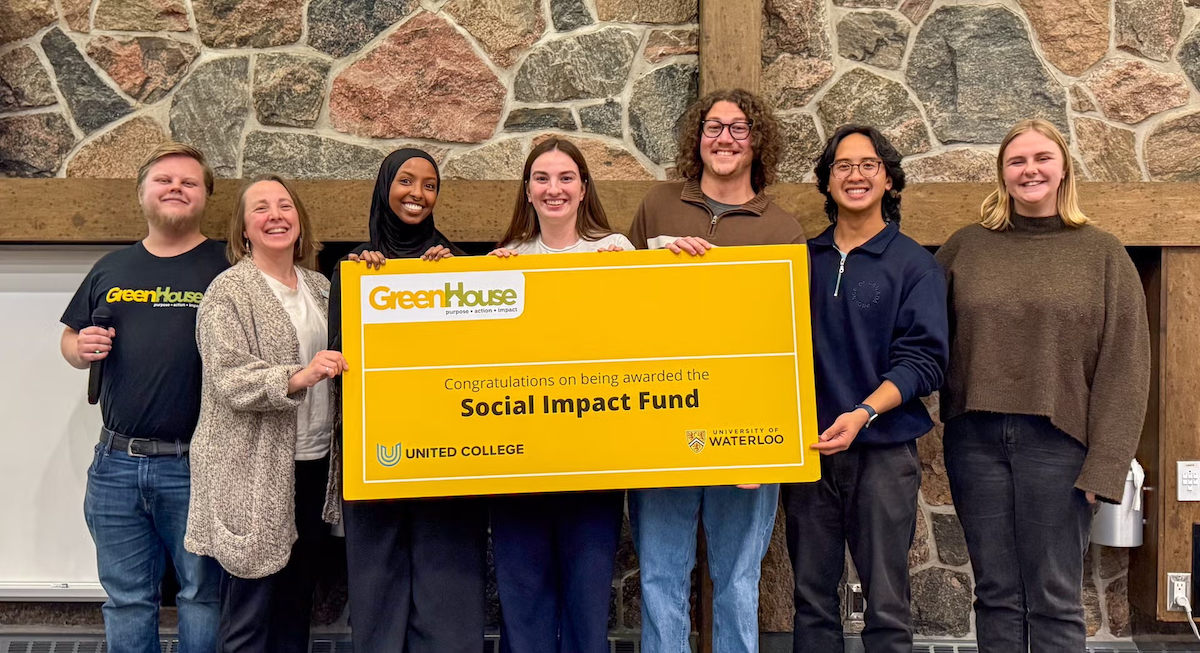
By Davandra Earle. This article was originally published on the United College website.
Greenhouse’s 35th Social Impact Showcase came off last week at United College, bringing together community members, family and friends, celebrating a new cohort of social innovators from the University of Waterloo community, who are dedicated to creating meaningful change.
The event highlighted the creativity, determination, and compassion that drive GreenHouse students as they tackle pressing social, environmental, and community challenges.
As is customary, four stand-out innovators from the Starter and Builder pitch categories were awarded $9,000 in funding to help take their ventures forward.
Director of GreenHouse Tania Del Matto expressed how proud she was of this current group of social innovators and thanked those in attendance for always showing up and giving their support to the students. "Today we celebrate journeys, not just ideas. Whether it’s supporting mental health for young women, empowering farmers with accessible tools, helping young Canadians navigate financial uncertainty, or creating spaces for students to express their voices through art, these social innovators identified gaps, unmet needs, and opportunities to do things differently. What unites these ventures is their commitment to breaking down barriers, creating access, and building community where it's needed most."
A look at the winning ventures that received Social Impact Funding
$1,500 award winners
Aisha Ali- Faculty of Arts, English (Masters)
Aisha, through her venture, Groundwork Gallery, creates arts-based, identity-focused educational spaces for students to express political and social justice perspectives outside restrictive classroom environments. She aims to channel activism through public art displays while researching differences between classroom and extracurricular creative expression.
Jacob Grima, Faculty of Arts, Psychology (Undergraduate)
Jacob ‘s venture, Grima Financial, uses his psychology background to provide a coaching and learning platform designed to help young Canadians navigate financial uncertainty with confidence. Offering accessible, unbiased advice and personalized guidance, Grima Financial fills a critical gap between generic online resources and costly financial services. The platform encourages open conversations around spending and saving habits while reducing the stress and confusion often associated with financial decision-making.
$3,000 award winners
Isabella Todd, Faculty of Science, Molecular Biology & Biochemistry (Masters)
Isabella’s The 20 Something Girl, a mental health magazine for high-achieving young women, addresses anxiety and isolation through vulnerable storytelling. It’s Isabella’s hope to continue building community and securing funding for this very important project that is close to her heart.
Gabriel Jabile, Faculty of Engineering, Biomedical Engineering (Undergraduate)
Gabriel was recognized for Enyana Health, a mobile triaging system delivering automated agricultural advice to farmers in Uganda. Available in local languages, the tool supports livestock health in regions where 73% of households depend on farming but only half can access veterinary services. By combining engineering, accessibility, and community partnership, Enyana Health aims to improve livelihoods and strengthen food security across rural communities.
In addition to the top awards, four students were recognized with Changemaker Awards, each receiving $250 for their leadership towards taking action.
Changemaker Awards
- Community Builder Award: Isabella Todd, Faculty of Science, Molecular Biology & Biochemistry (Masters)
- Inclusive Designer Award: Olivia Vento, Faculty of Science, Psychology (Recent Graduate)
- Tech for Good Innovator Award: Julie Rennick, Faculty of Environment, Environment and Business (Masters)
- Global Changemaker Award: Elisha Ochieng Okoth, Faculty of Environment, Social and Ecological Sustainability (PhD)
This showcase once again demonstrated the powerful vision and passion of GreenHouse students. Their work reflects the program’s enduring mission: to equip young changemakers with the tools, mentorship, and community they need to transform ideas into real-world impact.
United College congratulates all participants and award recipients and looks forward to seeing how their projects continue to grow in the months and years ahead.
Remembering Professor Allan Best


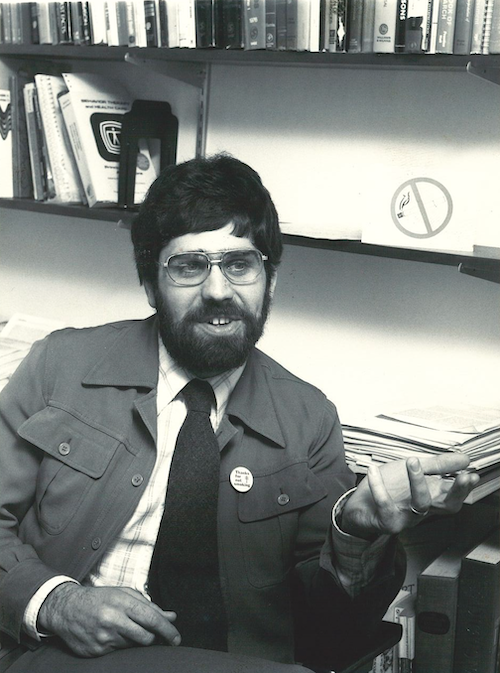
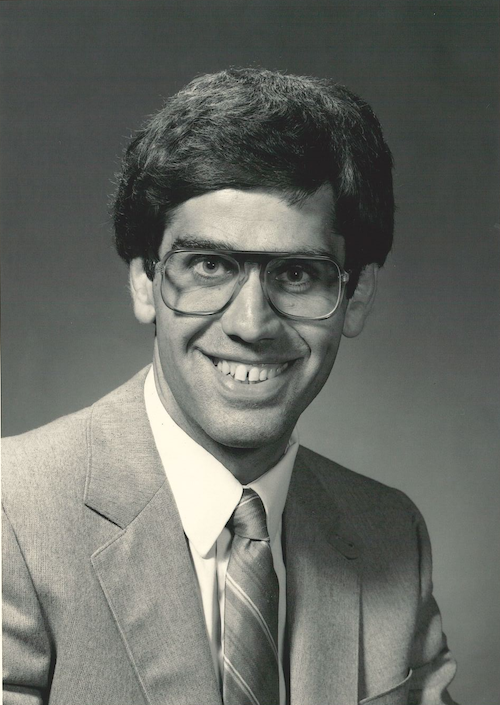
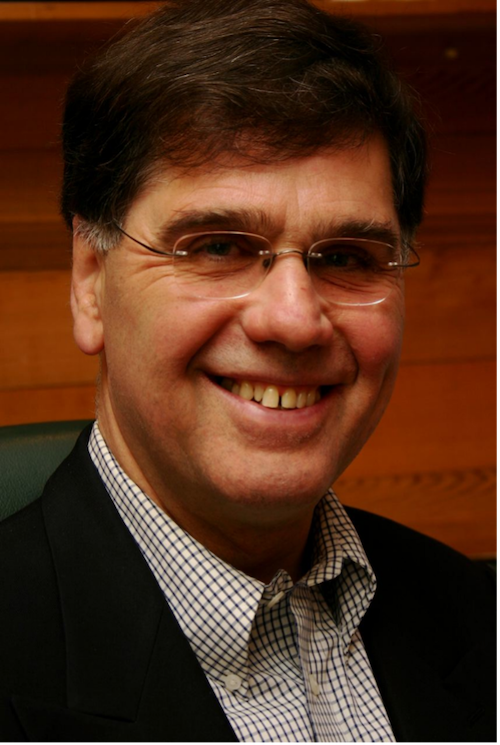
A message from the Faculty of Health.
The Faculty of Health remembers Dr. Allan Best, a visionary of transdisciplinary health research and a founder of what is now the School of Public Health Sciences. He passed away at his home in Vancouver, B.C., earlier this fall.
As the first chair of the Department of Health Studies, created in 1978, Best played a major role in shaping the direction of the University of Waterloo. The aim of the new department, the first of its kind in the world, was to bring together behavioural and biological scientists to build transdisciplinary research and to train students for research and professional roles dedicated to promoting individual and population health.
Waterloo’s current world-leading chronic disease prevention research programs, led by Drs. Geoff Fong, Mary Thompson, David Hammond, Richard Cook, Scott Leatherdale and others, evolved out of the infrastructure and track record that Best built. He set the stage for Waterloo’s global leadership in building the emerging field of population intervention science and in promoting health worldwide.
Across personal and professional settings, Best was known as an exceptionally kind and thoughtful man who cared deeply about his impact on the world. Read more about Dr. Allan Best and his legacy.
Thursday's notes
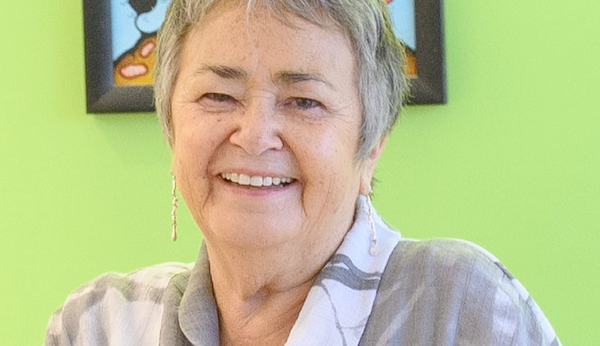
Friends and colleagues of Associate Vice-President, Indigenous Relations Jean Becker are invited to a retirement open house in her honour today. The drop-in event will run from 1:00 p.m. to 3:00 p.m. in the Office of Indigenous Relations (EC5 4201). Tea and sweet treats will be provided. Registration is encouraged but not required.
Becker retires from her role at the end of 2025.
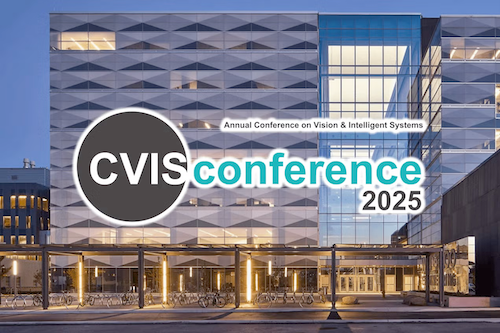
The 11th Annual Conference on Vision and Intelligent Systems takes place on Monday, December 15 and Tuesday, December 16 in Pearl Sullivan Engineering Building (formerly E7). "Academic and industrial research scientists to attend the 11th Annual Conference on Vision and Intelligent Systems (CVIS 2025), where the goal is to bring together both academia and industry to share their joint expertise to promote the advancement and application of artificial intelligence, computer vision, and imaging technologies in various areas of academic and industrial interests," says a note from conference organizers. Registration for this free event must be completed before Friday, December 12.
Upcoming office closures
The International Experience Centre and the Student Success Office will be closed today from 12 noon to 2:00 p.m. for a staff event.
The Office of Advancement and University Relations will be closed today at 1:30 p.m. for a winter celebration event.
The Human Resources office will be closed on Friday, December 12, from 11:30 a.m. to 1:30 p.m. for a department event.
The William M. Tatham Centre for Co-operative and Experiential Education (TC) will be closed on Monday, December 15, from 12 noon to 4:30 p.m. for a staff event. The building will re-open for regular service on Tuesday, December 16 at 8:30 a.m.
Link of the day
When and where
The Campus Wellness Student Medical Clinic offers healthcare visits with Physicians and Nurse Practitioners to current undergraduate and graduate students. Services include: vaccinations, immunity testing, naturopathic services and more. Counselling Services offers appointments with counsellors in person as well as via phone and video. Students can book appointments for these services by calling Campus Wellness at 519-888-4096.
The privately-run Student Health Pharmacy (located in the lower level of the Student Life Centre) is now offering new COVID booster shots and flu shots. Covid booster shots are available by appointment only – please call ext. 33784 or 519-746-4500. The Student Health Pharmacy’s summer hours are Monday to Friday, 9:30 a.m. to 4:30 p.m. Naloxone kits are still available – pick them up in the pharmacy at no charge.
The Waterloo Eye Institute optometry clinics in Waterloo and downtown Kitchener offer comprehensive eye exams and eyewear, including glasses and contact lenses, with the Waterloo location offering various specialized services including urgent eye care. Discounts apply for University of Waterloo students and employees. The Waterloo Clinic is at a nearby interim location, 419C Phillip St, during construction at the School of Optometry and Vision Science. The Kitchener Clinic remains at the Health Sciences Campus, 10B Victoria St. S. Book online or by phone at 519-888-4062.
Final examination period, Friday, December 5 to Friday, December 19.
Jean Becker retirement open house, Thursday, December 11, 1:00 p.m. to 3:00 p.m. (drop-in), Office of Indigenous Relations (EC5 4201). Registration is encouraged but not required.
CVIS 2025 - 11th Annual Conference on Vision and Intelligent Systems, Monday, December 15 and Tuesday, December 16, Pearl Sullivan Engineering Building (formerly E7).
OHD Lending Library drop-in session, Tuesday, December 16, 11:30 a.m. to 1:30 p.m., EC1 1004. Register on Portal.
Master of Taxation virtual information session, Wednesday, December 17, 12 noon,
Retirement celebration for Cathy Newell Kelly, Wednesday, December 17, 3:00 p.m. to 5:00 p.m., Pearl Sullivan Engineering building (E7) event space, room 2472.
Research Impact Canada December Dr. RIC: Thursday, December 18, 1:00 p.m. to 2:00 p.m., online. Contact Nadine Quehl to receive the Zoom link.
Co-operative work term ends, Friday, December 19.
NEW - Faculty of Arts AI Forum, Friday, December 19, 10:00 a.m. to 11:30 a.m., NH 3407.
Nominations open: WUSA General Elections, Monday, December 22.
University holiday break, Wednesday, December 24 to Friday, January 2, 2026.
Upcoming service interruptions
Stay up to date on service interruptions, campus construction, and other operational changes on the Plant Operations website. Upcoming service interruptions include:
- North parking lot at RAC-1 shoring activity, Monday, November 10 to January 1, 2026, shoring, pile driving, lagging and tie-backs will take place between November 10 to the end of December 2025 as part of WaterFEL construction, traffic restrictions and limited access to be in place, excessive noise and vibration may occur in the work area.
-
Optometry fire alarm testing, Friday, December 12, 6:00 a.m. to 6:30 a.m.
-
Environment 1, 2 and 3, Modern Languages, Dana Porter Library, Needles Hall fire alarm testing, Friday, December 12, 6:30 a.m. to 8:15 a.m.
-
East Campus 4, East Campus 5 fire alarm testing, Friday, December 12, 10:00 a.m. to 11:00 a.m.
-
Centre for Environment & Information Technology, Earth Science & Chemistry, Physics, Chemistry 2 fire alarm testing, Monday, December 15, 6:30 a.m. to 8:15 a.m.
-
Carl Pollock Hall, Douglas Wright Engineering, South Campus Hall, Rod Coutts Hall, Grad House fire alarm testing, Wednesday, December 17, 6:30 a.m. to 8:15 a.m.
-
General Services Complex, Commissary, Central Plant fire alarm testing, Wednesday, December 17, 10:00 a.m. to 11:00 a.m.
-
South campus replacement of 4 main backflow preventers, Friday, December 19, 2:00 a.m. to 5:00 p.m., all soft water on campus will be affected, some locations will not have the use of hot water, or soft water.
-
School of Architecture fire alarm testing, Friday, December 19, 6:30 a.m. to 8:15 a.m.
-
Digital Media Stratford fire alarm testing, Friday, December 19, 12 noon to 3:00 p.m.
-
Burt Matthews Hall (original section) domestic hot water shutdown, Friday, December 19, 5:00 p.m. to 11:00 p.m., no water available to building for the duration to accommodate metering installation.
- South campus replacement of 4 main backflow preventers, Saturday, December 20, 2:00 a.m. to 5:00 p.m., all soft water on campus will be affected, some locations will not have the use of hot water, or soft water.
-
Modern Languages domestic cold water shutdown, Saturday, December 20, 7:00 a.m. to 11:00 a.m., no cold water available to the building for a period of one hour during the shutdown window, toilets and sinks will not have water at this time.
-
Psychology, Anthropology, and Sociology (PAS) domestic cold water shutdown, Saturday, December 20, 7:00 a.m. to 11:00 a.m., no cold water available for a period of one hour during the shutdown window, no water to toilets and sinks during this time.
-
Quantum Nano Centre, Biology 1 and 2, Health Services, Science Teaching Complex fire alarm testing, Monday, December 22, 6:30 a.m. to 8:15 a.m.
-
MKV-East temporary electrical shutdown, Tuesday, December 23, 6:30 a.m. to 7:30 a.m., there will be an electrical shutdown that will affect all normal power and lighting due to ongoing electrical work, the east wing of the building (mostly bedrooms and hallways on the 1st floor) will be without normal power for approximately 1 hour, emergency power will be active.