The Emerging Radio Systems Group (EmRG) studies radio hardware from the semiconductor device to the complete system, along four connected lines of research.
Broadband Communication
Linear, efficient multi-band and wideband power amplifiers in gallium nitride (GaN) technology.
Efficiency and Linearity
Amplification and linearization schemes that improve the energy and spectral efficiency of wireless links under demanding transmission conditions.
Modelling and Measurement
Nonlinear circuit modelling and measurement methods that shorten radio-frequency hardware design and reduce costly design iterations.
Standards Interoperability
Reconfigurable power amplifiers for multi-standard transmitters, which support interoperability and lower the cost of future network migrations.
Our Research Groups
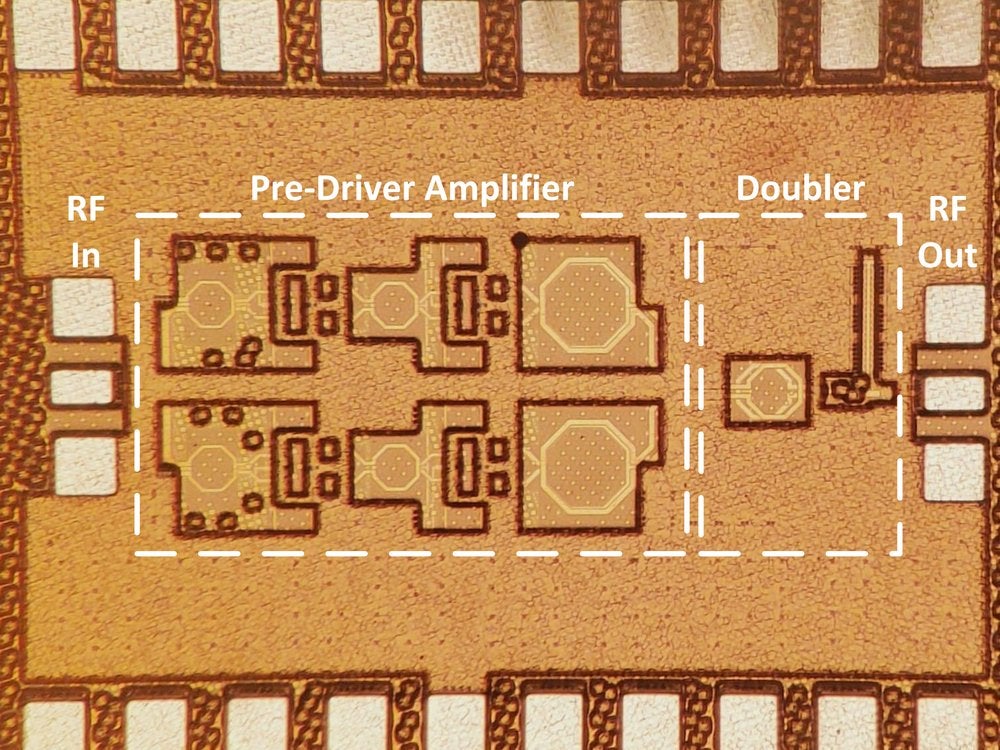
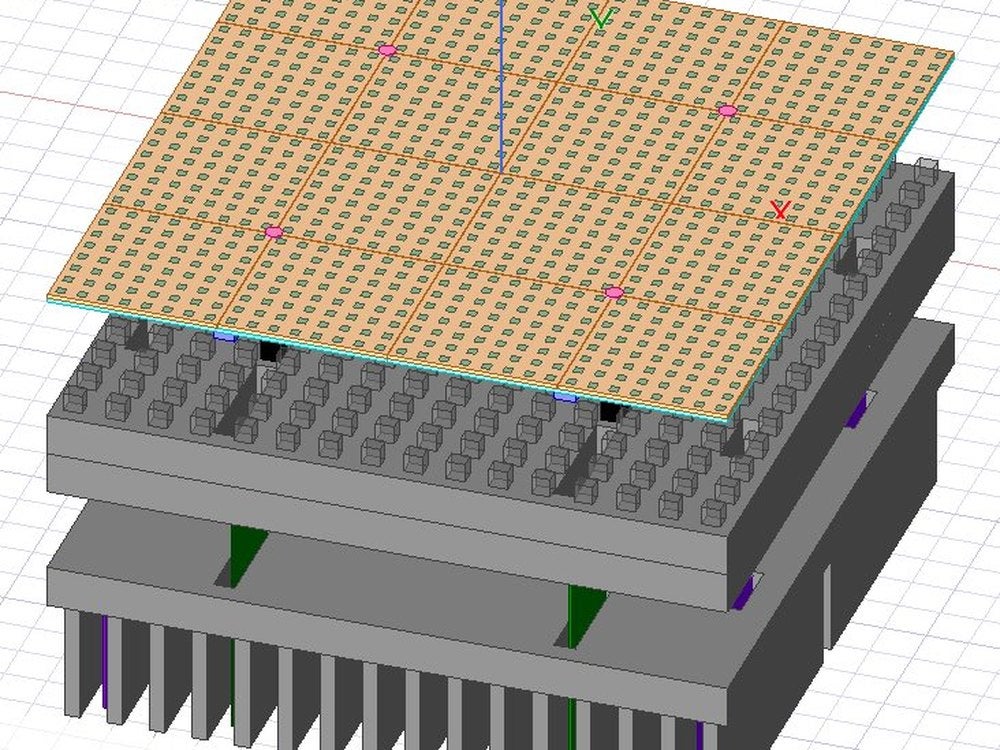
EmRG is organized into three groups that work on one continuous problem, spanning device, circuit and system design. The Circuit Group develops the amplifiers, beamformers and frequency-conversion circuits; the Antenna Systems Group integrates them into phased arrays and massive MIMO systems; and the Digital Signal Processing Group develops the modelling, linearization and calibration algorithms that allow that hardware to meet its specifications. Each group sets the constraints against which the others design, and every prototype is characterized in the same laboratory.
From 5G to 6G
Building on its work on fifth-generation (5G) wireless systems in the areas above, the group has launched new projects on the research challenges of the sixth generation (6G), and is recruiting candidates to join them.
In the Laboratory
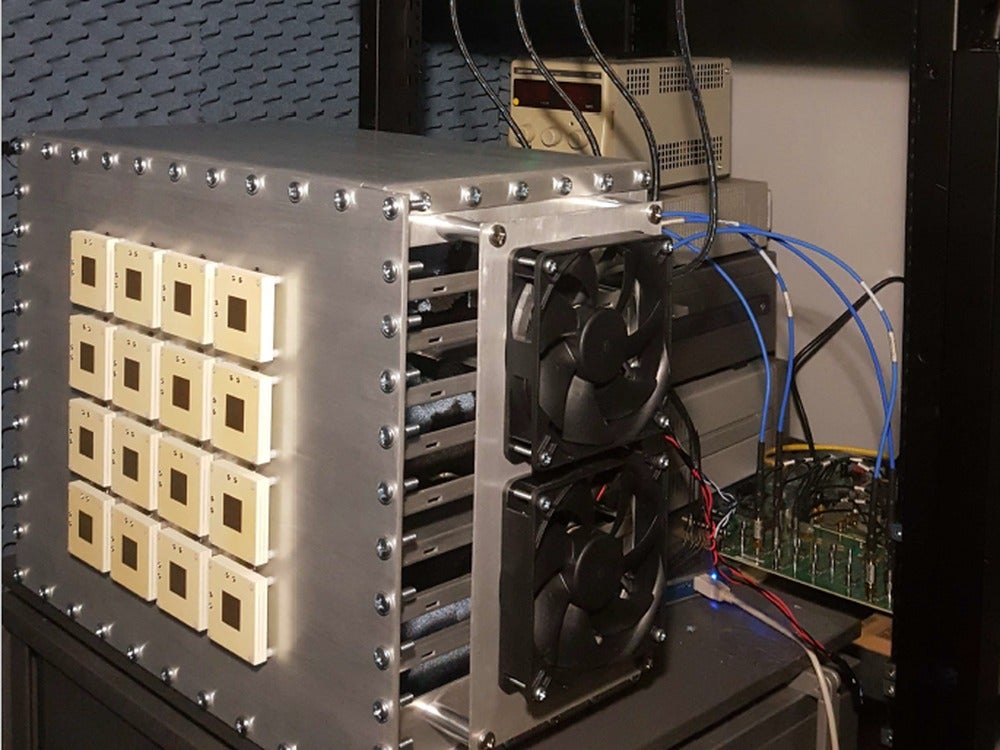
The test and measurement equipment in the EmRG laboratory allows the group to take a design from concept to measured prototype. Because the research is carried out with industry partners, students and researchers train on the problems and tools they will meet in industry.
Publications
The group’s complete record — journal articles, conference papers, graduate theses and patents from 2002 onward — is on the Publications page, arranged by category and, within each, by year.