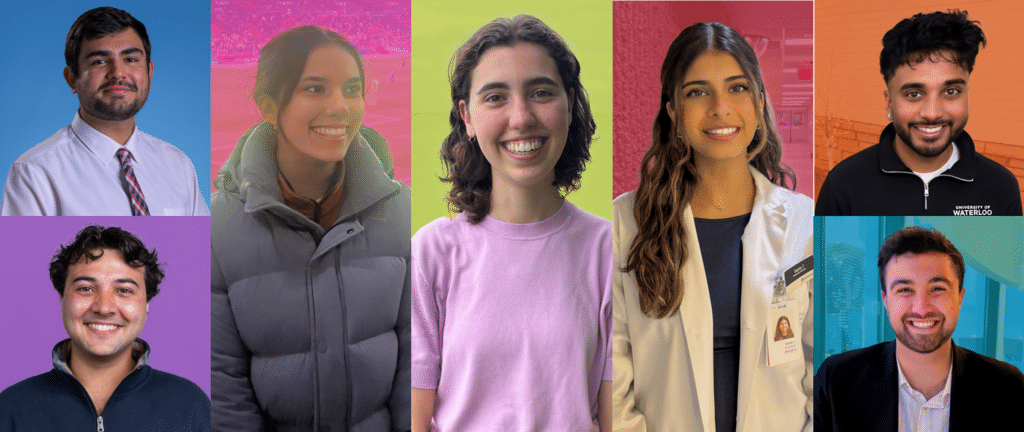
Celebrating graduate scholars advancing knowledge and impact
Class of 2026 valedictorians share how research is creating change in their fields and communities
Convocation marks both an ending and a beginning for our graduates. It is a chance to reflect on the questions explored, challenges overcome and connections made along the way, while looking ahead to what comes next.
After years of research, discovery and perseverance, these five valedictorians will receive their master’s and doctoral degrees and join a growing network of more than 270,000 Waterloo alumni locally and globally. As they prepare to cross the stage, they reflect on the experiences that shaped their time at Waterloo, the lessons they will carry forward and the possibilities that lie ahead.
Faculty of Arts
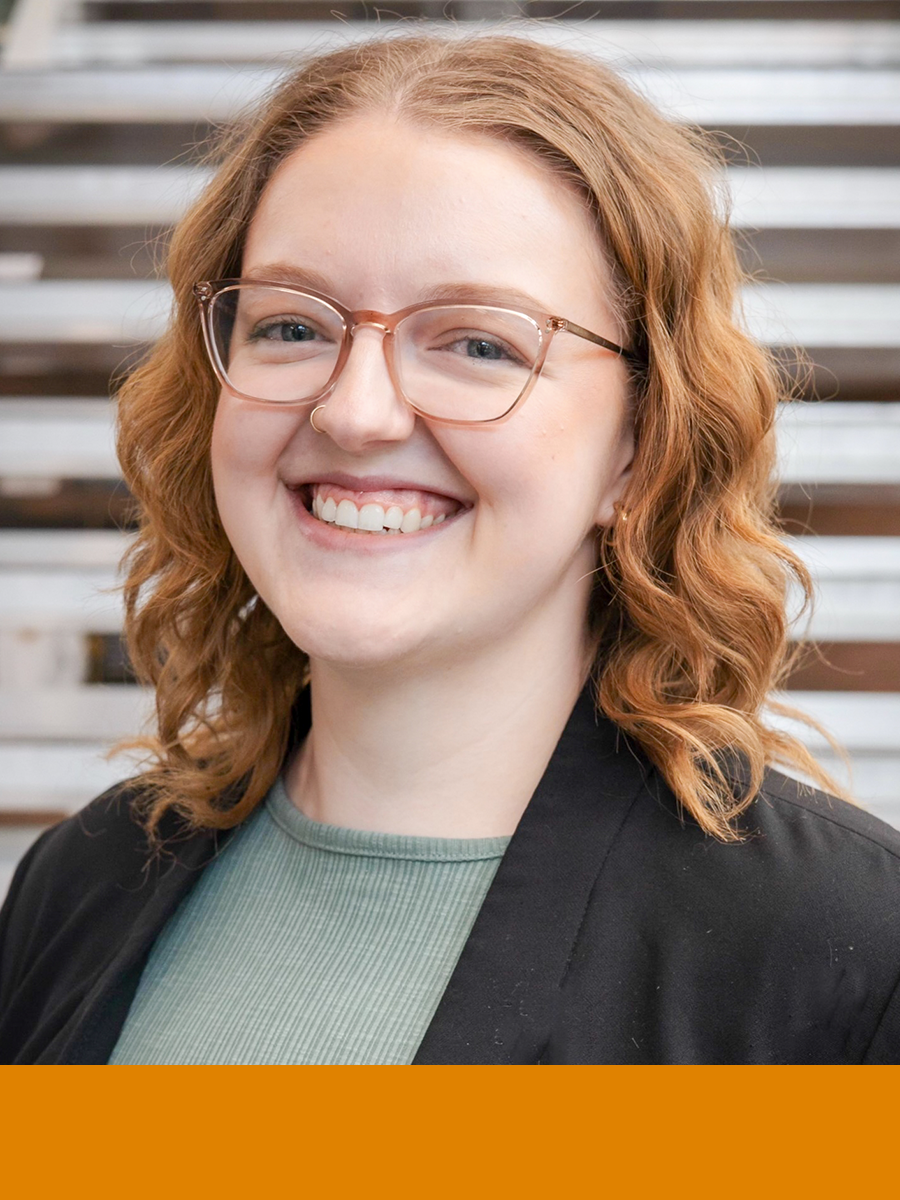
Sarah English (MASc ’21, PhD ’26) completed both her master’s degree and PhD in Developmental Psychology at Waterloo, drawn to the program’s balance of rigorous research and a collaborative, community-oriented environment. Her graduate experience shaped not only her research, but also her belief in the power of the connections built along the way.
“Build a community,” English says. “Grad school is a long haul and the people you surround yourself with are what carry you through it. The connections you make will become some of your closest friends and most valued mentors. Don’t let that opportunity pass you by.”
Her research explores how children and adolescents use social communication to connect with their peers. She examines how affiliative language, shyness, exclusion and familiarity influence young people’s experiences of social connection. Since 2021, English has served on the Psychology, Equity, Diversity and Inclusion Working Group, where she helped develop and co-leads the Lift Undergraduate Mentorship Program, which supports students from historically underrepresented backgrounds interested in graduate studies in Psychology.
Now pursuing a post-doctoral fellowship at Waterloo, English hopes to build a career in academia that brings together the parts of her graduate experience she values most: research, teaching, mentorship and community-building.
Faculty of Engineering
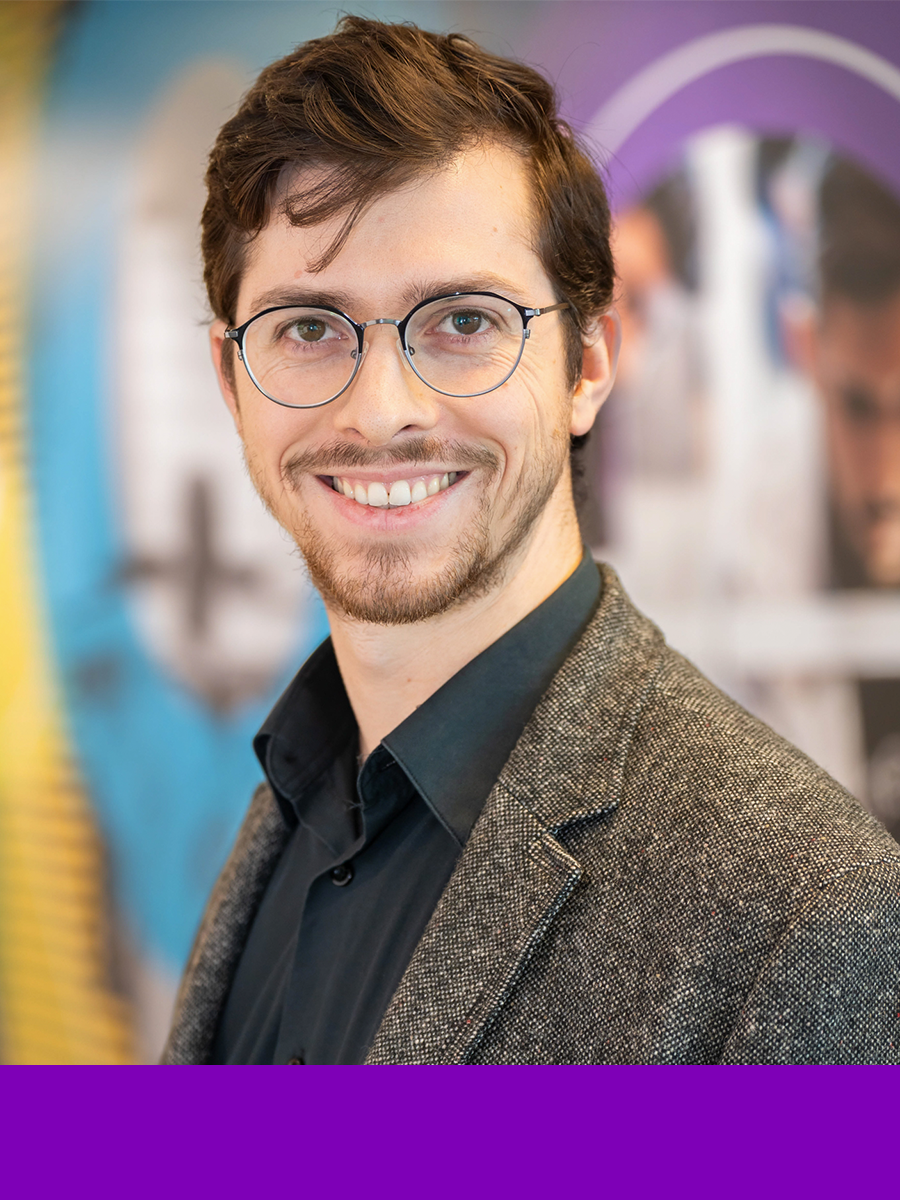
For Nicholas Pellegrino (BASc ’19, MASc ’22, PhD ’26), convocation marks the culmination of a decade-long Waterloo journey, defined by curiosity, community and a drive to make a difference.
Most recently completing his PhD in Systems Design Engineering (SYDE), Pellegrino contributed to the International Barcode of Life’s BIOSCAN project, which aims to discover and catalogue multicellular life. Using machine learning and computer vision, his research explored ways to automatically classify insects from images of specimens, while addressing challenges related to taxonomic hierarchies and incorrectly labelled data.
Beyond his research, Pellegrino immersed himself in teaching, mentorship, intramural sports, student governance and community-building. His journey came fully circle when he taught Linear Systems and Signals, a course he had once taken himself as an undegraduate Mechatronics Engineering student.
“Your degree and university experience is what you choose to make it,” Pellegrino says, encouraging students to pursue what fuels them, broaden their horizons, give back to their communities and learn new things.
Now at Waterloo-based Vena Medical, Pellegrino applies his multidisciplinary background to technology supporting neurovascular procedures. Looking ahead, he hopes to remain connected to industry and academia while using engineering to make a positive impact on society and humanity.
Faculty of Environment
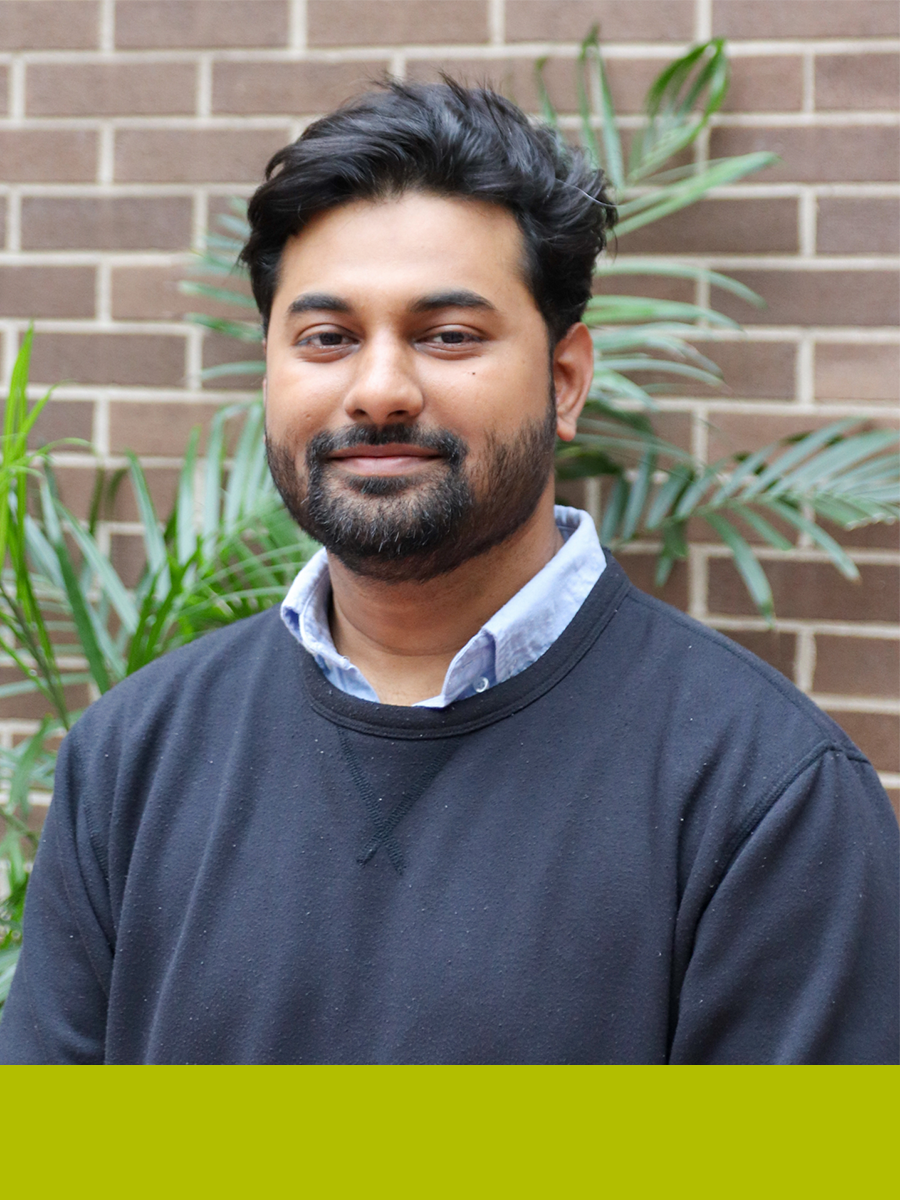
Shahriyer Hossain Shetu (MES ’26) came to Waterloo from Bangladesh to pursue a Master of Environmental Studies in Sustainability Management (Water), drawn to a program where environmental policy and community-based research could come together to create meaningful change.
At the School of Environment, Enterprise and Development, Shetu explored how small-scale fishing communities navigate crises and build more sustainable futures. Through the Vulnerability to Viability Global Partnership, he analyzed five years of conversations with fisheries researchers and practitioners around the world. His work reinforced a powerful idea at the heart of his research: lasting sustainability cannot be achieved without justice.
For Shetu, being named valedictorian is not a finish line but an opportunity to chase bigger goals and make his family and himself proud. "I've always believed that as long as I'm alive, I have infinite chances," Shetu says. "Becoming valedictorian is one of those chances, and I want to make it count."
Now, Shetu is looking ahead. Along with aspirations of pursuing a PhD and potentially working with the United Nations, he hopes to keep learning from communities around the world and work alongside them toward a more just and sustainable future. Outside of work, he dreams of traveling the globe and tasting every cuisine he can find.
Faculty of Mathematics
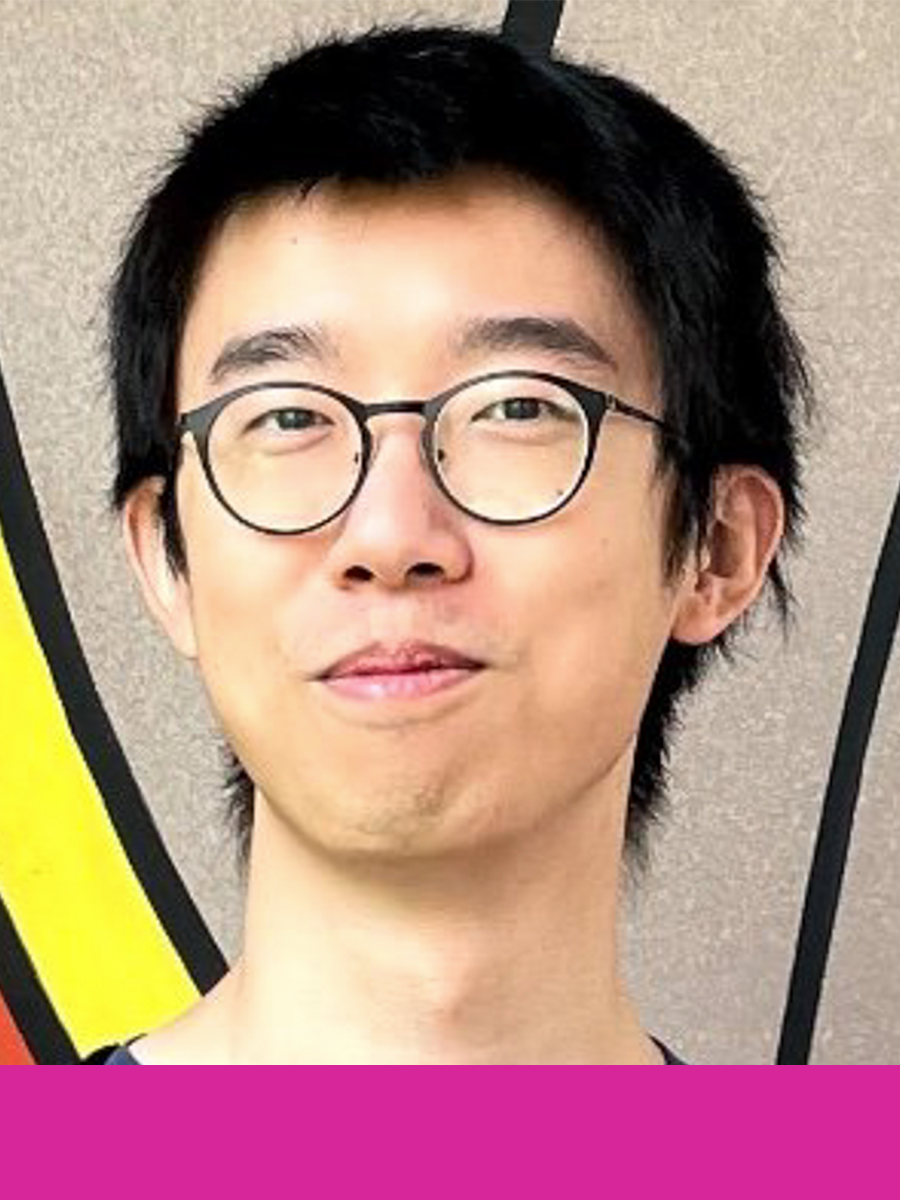
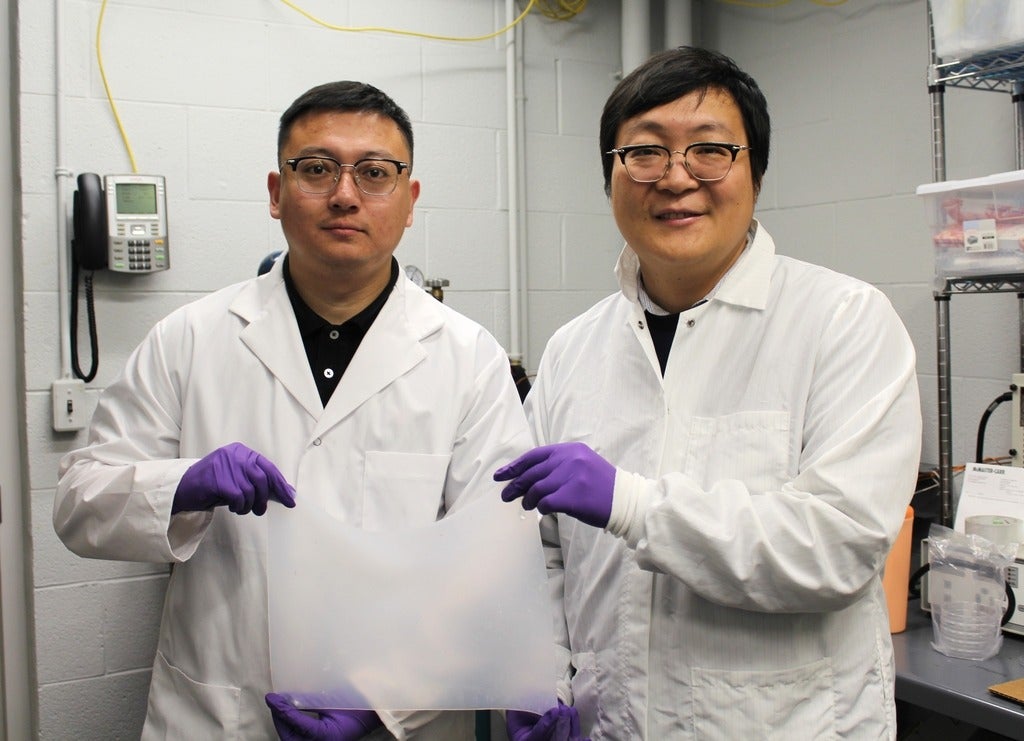
Cong Ma (PhD ’26) came to Waterloo to study Computer Science, drawn by the strength of the program and the opportunity to join Dr. Yizhou Zhang’s newly established research lab. There, he pursued an idea at the heart of his work: creating better ways for programmers to turn what they imagine into reality. During his doctorate, Ma designed Lexa, a programming language that gives programmers greater control over execution flow, helping make complex tasks more concise and easier to reason about.
Some of his fondest memories came away from the computer. On daily walks between campus and Columbia Lake Village, he would watch the sunset and observe wildlife around the lake, sometimes listening to podcasts and other times turning over difficult technical problems in his mind.
Deeply honoured to be chosen as valedictorian, Ma carries with him advice from his supervisor that has shaped his approach to research: “Work on things that you find important personally. Find problems that you care about deeply.”
That philosophy continues to guide what comes next for him. Ma hopes to create programming languages that unlock new possibilities, giving people the tools to bring ideas to life.
Faculty of Science
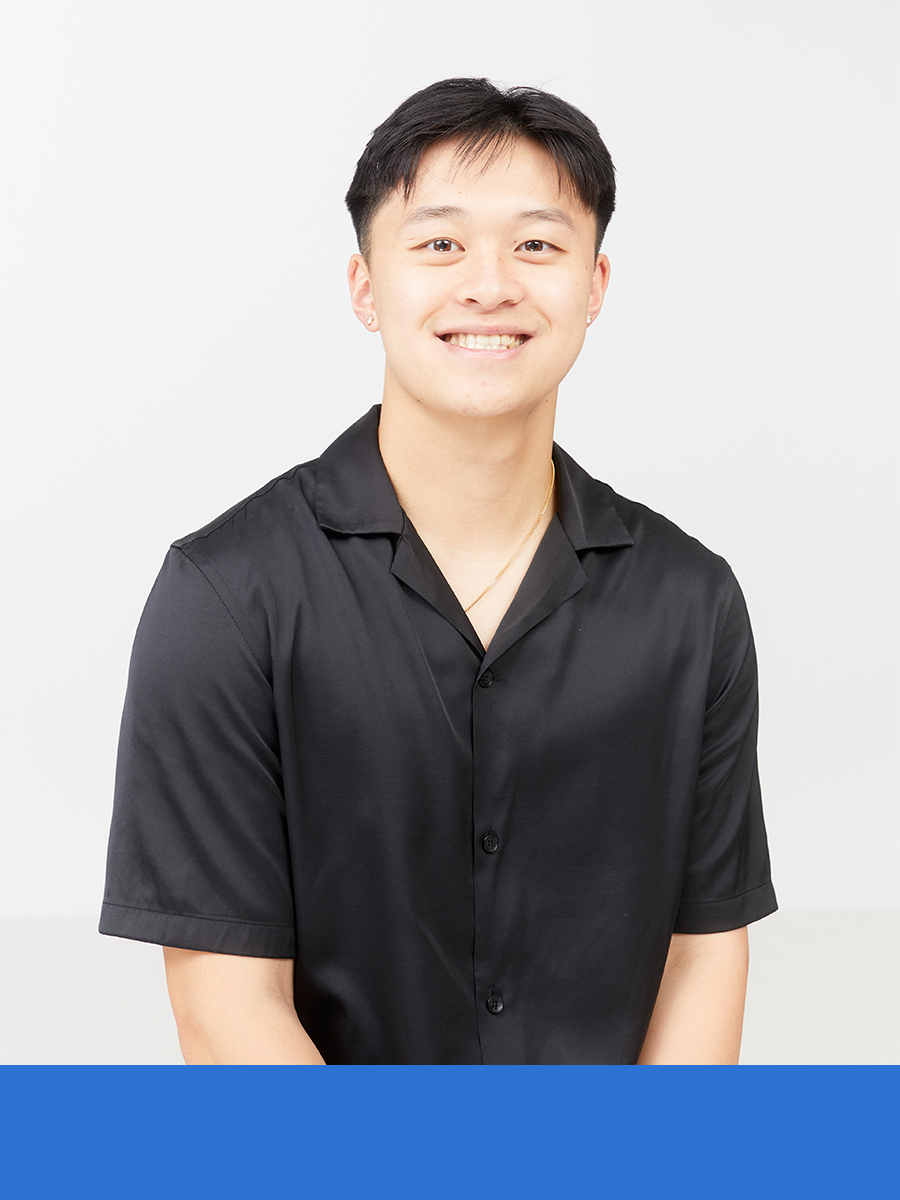
Norman Ly (BSc ’23, MSc ’26) discovered an interest in computer-aided drug discovery while completing his undergraduate thesis at Waterloo. Drawn to the intersection of chemistry and computing, he stayed for his master’s degree, exploring how two fields can come together to advance drug discovery in Waterloo’s interdisciplinary research environment.
His graduate research focused on immune checkpoint proteins and their role in tumour growth. Using computational modelling, Ly studied how these proteins interact with other molecules and how potential drug compounds could target them, contributing to research that could inform future cancer therapeutics.
Along the way, Ly published a first-author article in the American Chemical Society’s peer-reviewed journal Biochemistry and won the People’s Choice Award at Waterloo’s 2024 GradFlix competition, strengthening his appreciation for making complex research accessible to a wider audience.
Looking back, Ly says the challenges were worth it. “To Waterloo students, I hope that amidst all the studying and research you are doing, make sure to take a step back and enjoy the time,” he adds.
Ly is now working as a chemist at Apotex, where he is helping contribute to the supply of medications for Canadians while continuing to grow his career in the pharmaceutical industry.