Postdocs

Kristie Pool, PhD
Kristie was a SSHRC Postdoctoral Fellow in the Social Development Lab from 2020-2022.

Sebastian Dys, PhD
Sebastian completed a Postdoctoral Fellowship in the Social Development Lab between 2019 and 2022.
Masters and PhD students
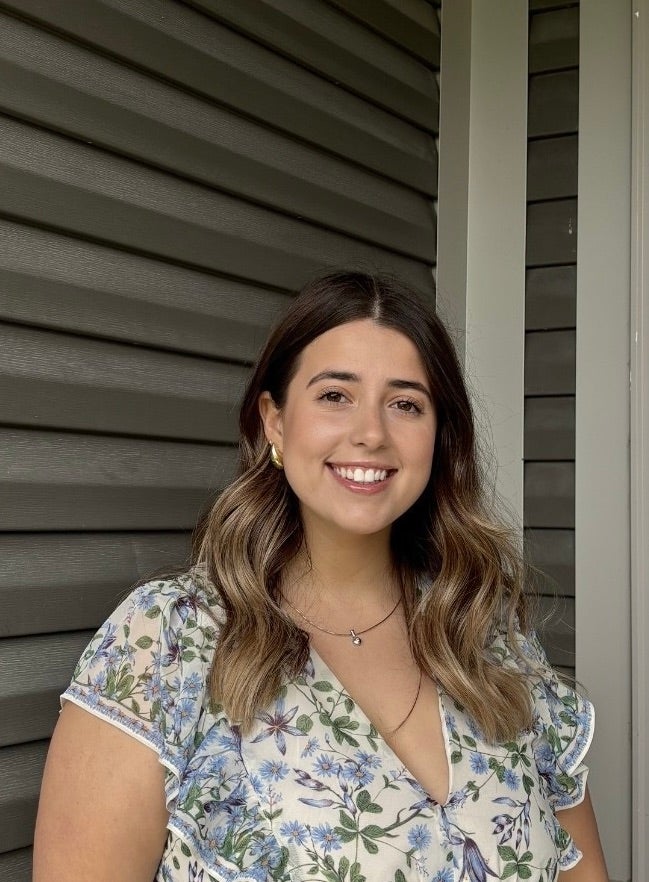
Anna Savic, MA
Anna completed her MA thesis "The influence of goal-orientation on parent-child affect during a problem-solving task" in 2026.

Elaria Ebed, MASc
Elaria completed her MASc in Developmental & Communication Science with the Social Development Lab in 2025.

Ana Ljujic, MASc
Ana completed her MASc in Developmental & Communication Science with the Social Development Lab in 2025.

Mya Dockrill, MA
Mya completed her MA thesis "Children’s social perceptions and metaperceptions during an initial interaction with an unfamiliar peer" in 2023.

McLennon Wilson, PhD
McLennon completed his PhD dissertation "Temperament, attention, and the social world: New empirical approaches to the study of shyness and attention in middle childhood" in 2023.

Emma Green, PhD
Emma completed her PhD dissertation "What do you think? Associations between social anxiety, mentalizing, and social competence in middle childhood" in 2022.

Linda Sosa Hernandez, MA
Linda completed her MA thesis "Emotion dynamics among pre-adolescents getting to know each other: Dyadic associations with shyness" in 2021.
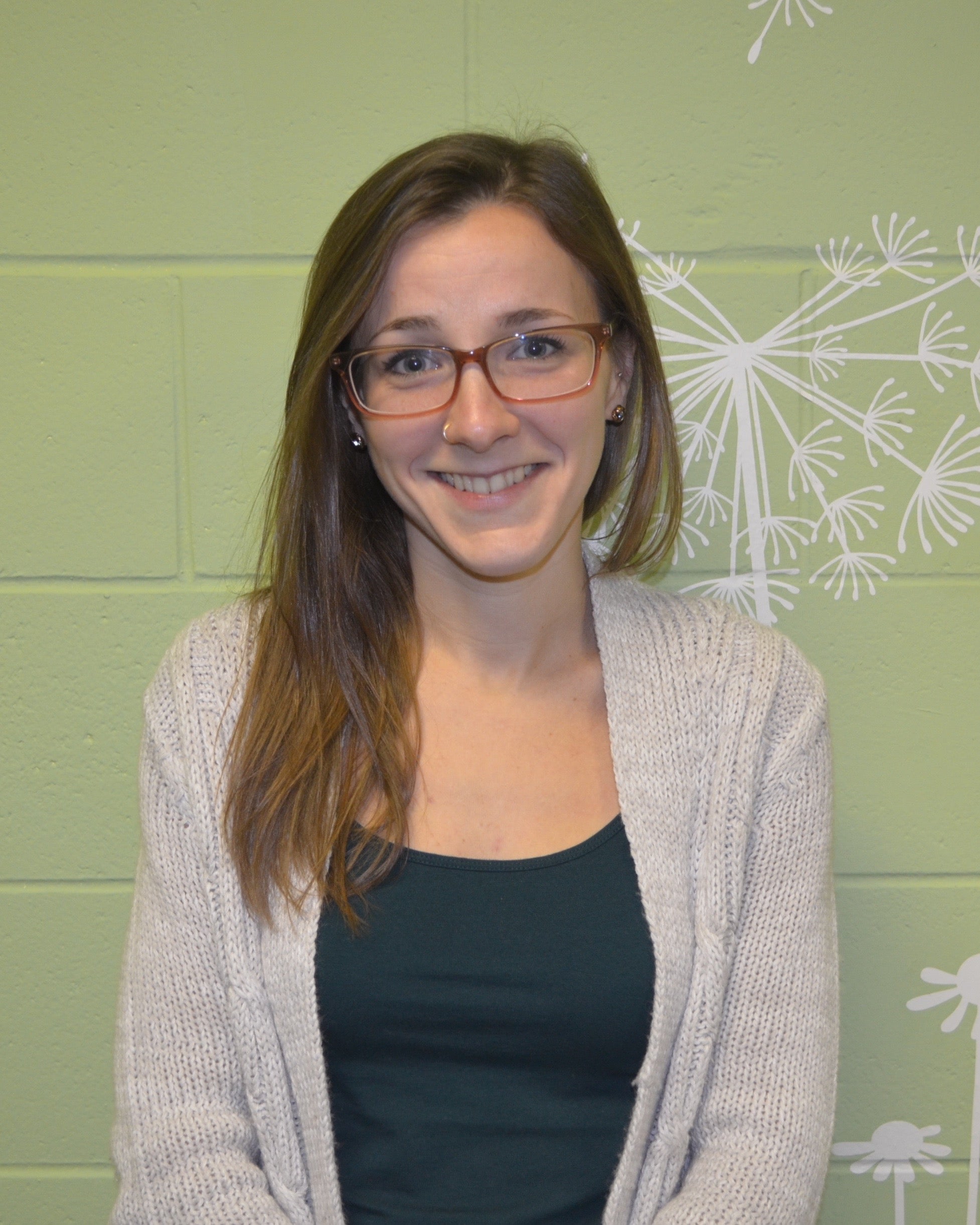
Krista McElvey, MASc
Krista completed her MASc in Developmental & Communication Science with the Social Development Lab in 2016.
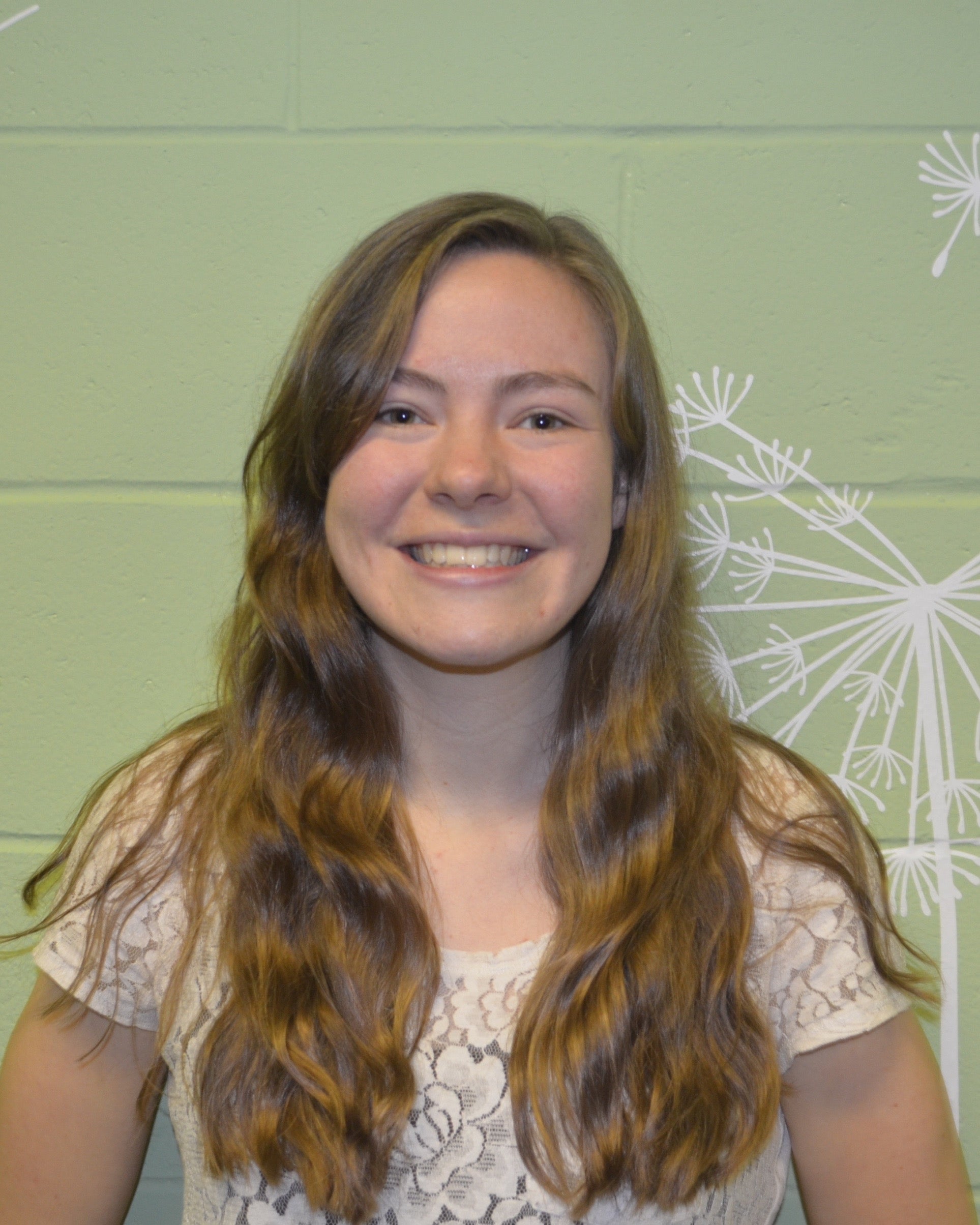
Emily Downs, MASc
Emily completed her MASc in Developmental & Communication Science with the Social Development Lab in 2016.

Claudia Labahn, MASc
Claudia completed her MASc in Developmental & Communication Science with the Social Development Lab in 2015.
Undergraduate thesis projects
Nadia Bhup (2025): Prolonged silences and interaction quality within unfamiliar early adolescent dyads.
Alexandria Perrotta (2025): The joint influence of child temperament and parenting behaviour during a parent-child problem-solving task.
Nevetha Kugathas (2024): Children’s use of affiliative language with an unfamiliar peer: Effects of gender and task demands.
Sucheta Ravi (2023): Associations between temperamental shyness and peer liking: Exploring the moderating role of conversational efficacy.
Grace Lee Golden (2022): Getting to Know You: Dyadic Similarity and Social Avoidance in Children.
Idiris Kabel (2022): Inhibitory control’s buffering role in the association between temperamental surgency and cooperative behaviours in middle childhood.
Connie Ye (2021): Variations in peer exposure and challenges with emotion regulation during the pandemic.
Kaitlyn Crook (2021): Who’s next in line? Testing in an online context.
Jacob Pavicic (2021): Dyadic cooperation and temperamental shyness in middle childhood.
Vanessa Turchio (2020): Parental perceptions of children’s mentalizing styles: Are they influenced by child social anxiety?
Sarah Thomas (2019): The detrimental effects of friendship quality for shy children.
Aaron Boughen (2019): The moderating effect of shyness on the association between respiratory sinus arrhythmia suppression and executive functioning performance.
Rebecca Mallozzi (2018): Short-term longitudinal relations between emotion regulation and anxiety in middle childhood.
Brittany Wick (2018): Children’s temperament and career aspirations.
Mariam Abbasi (2018): The association between temperament, vocabulary and pragmatics in middle childhood.
Aurelia Negulescu (2017): Similarities in temperament as a predictor of the quality of interaction between unfamiliar peers in middle childhood.
Sara Gibbons (2016): Everyday executive functioning behaviours of siblings of children with autism during a clean-up task.