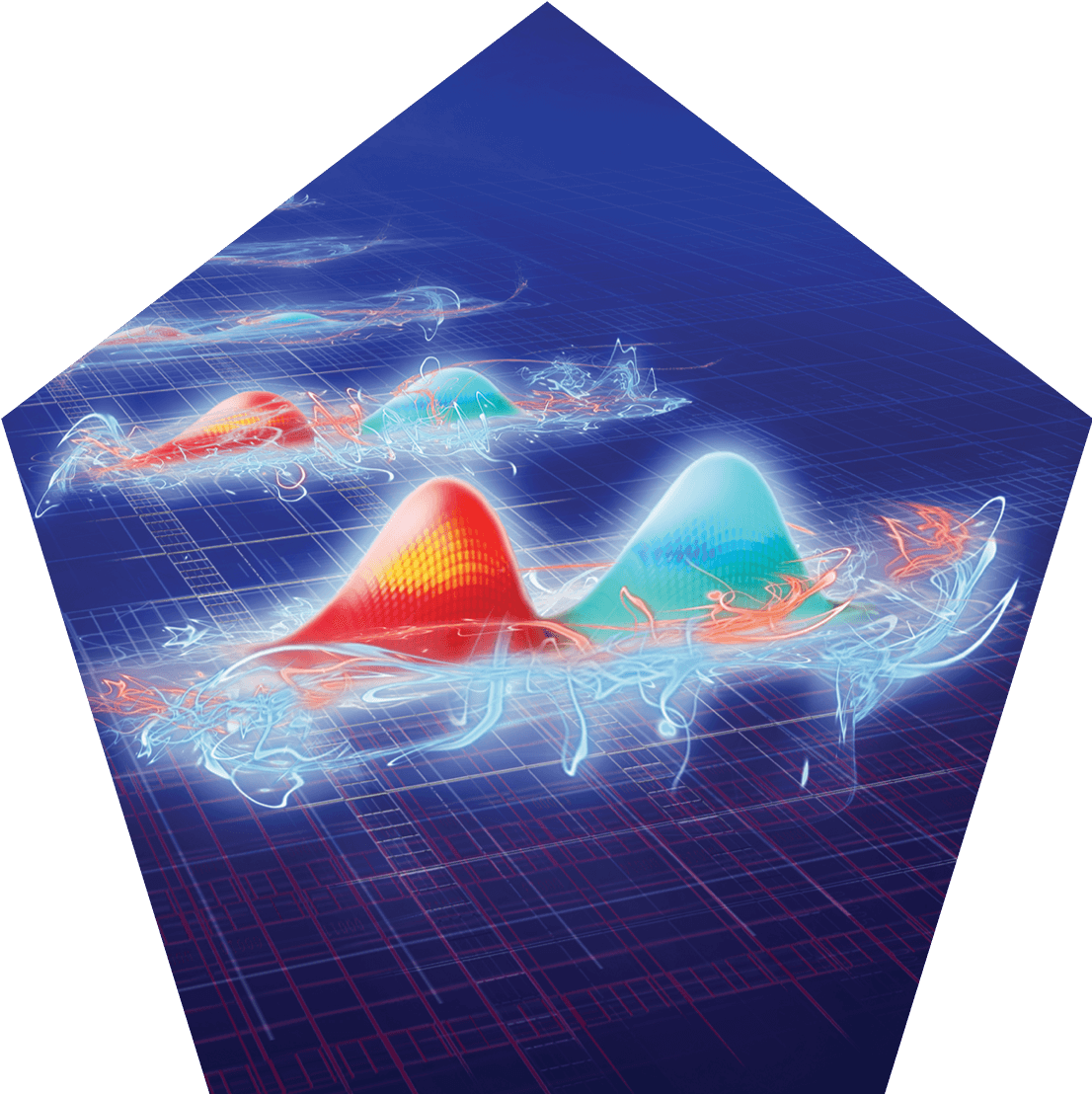
Quantum mechanics enables devices and efficiencies of information processing far beyond what can ever be realized in the classical setting.
Transformative Quantum Technologies (TQT) aims to provide an environment where quantum devices can be designed, built, and their benefits demonstrated.
TQT’s innovation cycle is built upon five core elements. The cycle begins with growing quantum materials and is closed by simulating quantum materials.
In between, we characterize materials, build devices, and integrate them into processors. Each successive generation of materials and devices provides new insights into the design and working of quantum systems.
Quantum Innovation Cycle (QuIC) is a complete technology development resource enabling quantum exploration and development. Capabilities are open to all quantum researchers.
Key quantum labs
-
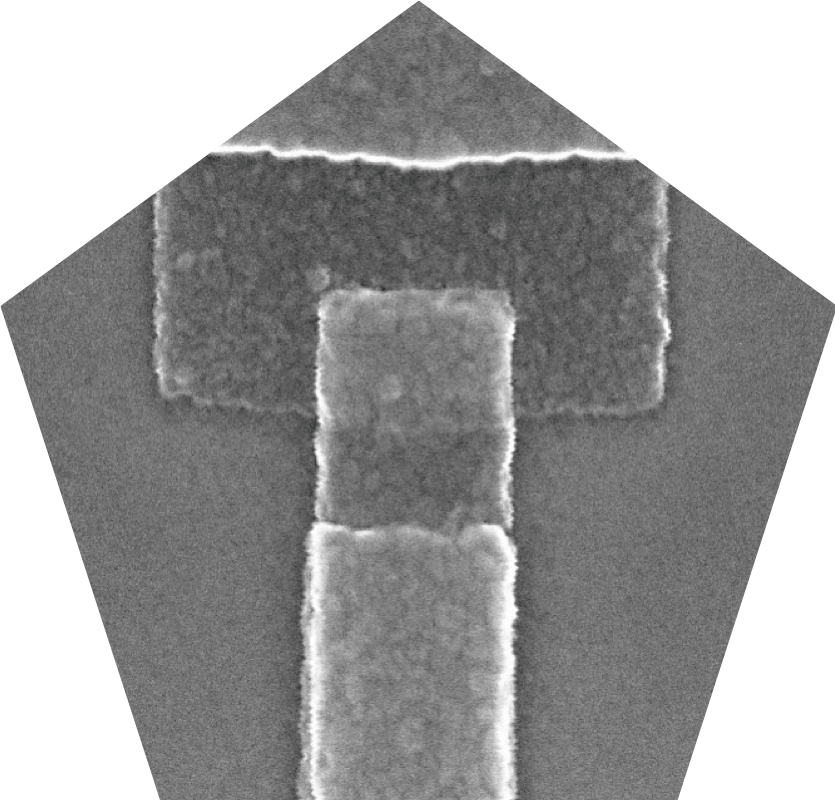
Quantum-Nano Fabrication and Characterization Facility (QNFCF)
-
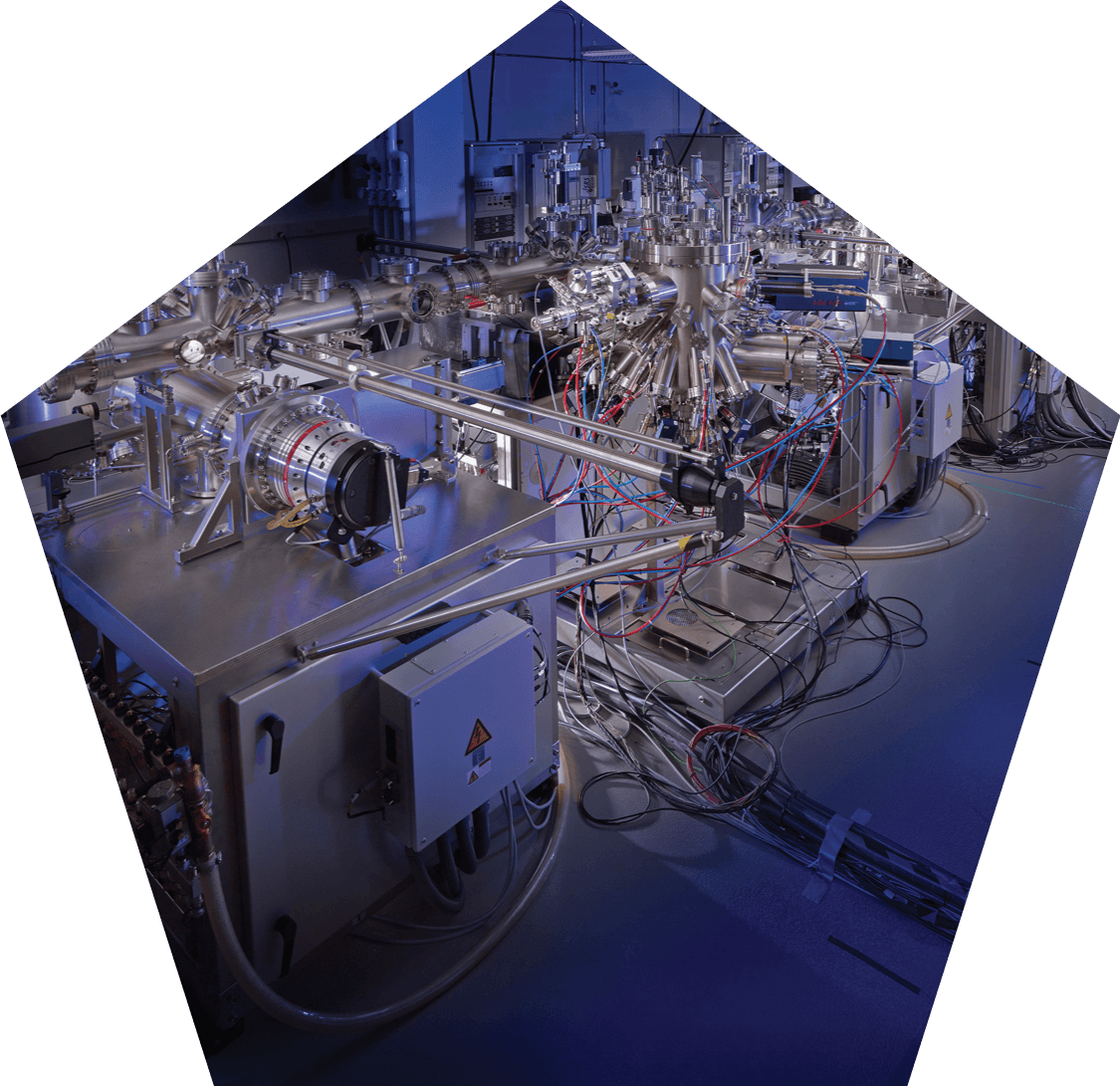
Growth Labs at TQT
-
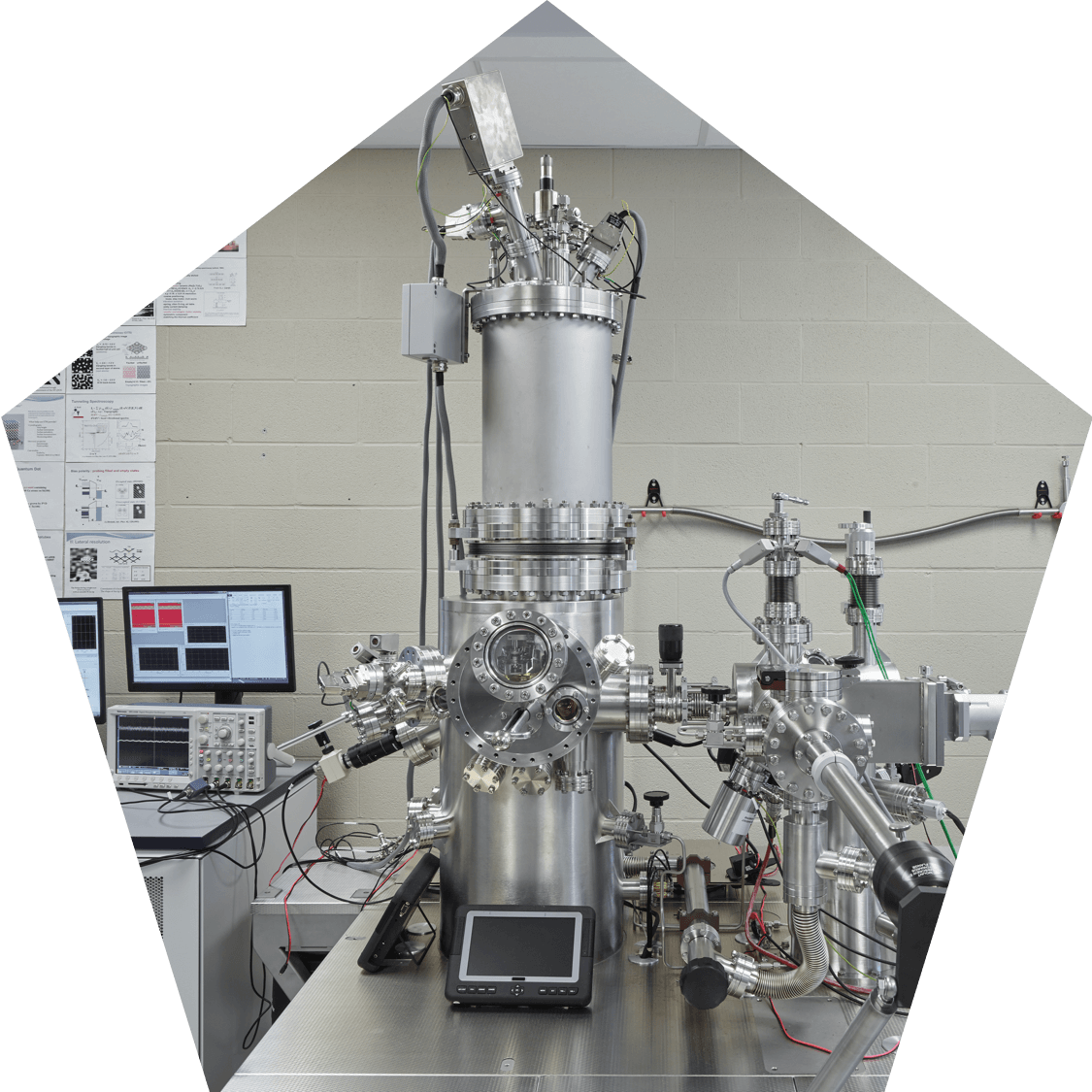
Characterization Labs at TQT
-
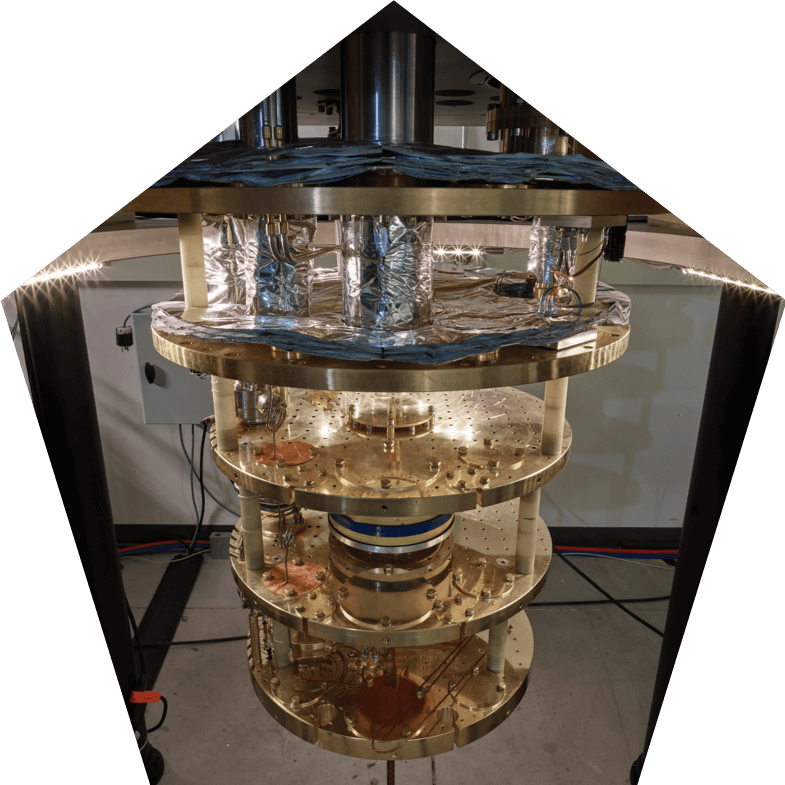
Quantum Simulation at TQT

Quantum devices must be built from quantum materials. These are distinguished from classical materials by being free of "observers" that would collapse the quantum state to a classical reality. Quantum materials need to be clean (chemically, electrically, magnetically, morphologically, and structurally) and they need to support quantum coherence. The quantum nature can be held in atomic scale defects, in nano-structured features, or in macroscopic collective degrees of freedom. Often, they involve multi-body or emergent physics such as superconductivity or magnetism. Quantum materials are grown in ultra-clean, special purpose instruments that allow us to control defects and structure.

The quality of quantum materials is important at extraordinarily low levels. A single atom in the wrong location can degrade the quality and make the material less useful for storing quantum information. Characterization tools can be sensitive at the level of individual atomic structures. New quantum characterization tools enable us to probe the quality of materials and optimize the growth conditions. Through characterization, we learn properties of the materials that are essential knowledge for device design and control. The tools themselves must be quantum systems. Every turn of the quantum innovation cycle leads to new tools that provide better insights into the materials and devices.

Quantum materials hold a quantum state. Quantum devices have the capacity to control a quantum state. Devices are often composed of many materials along with integrated control elements (often classical electronics). There is a challenge to assemble these materials in such a way that the interfaces are clean and precise so that the materials remain free of defects. This is so we can precisely place nano-scale objects on macroscopic devices and that noise in the classical control elements do not destroy the quantum nature of the materials. A complementary activity is the development of improved computational tools for device design and control methods.

Quantum devices typically require specialized environments for testing so that environmental noise does not destroy the fragile quantum state. This can include operations at extremely low temperatures, extremely small (or large) magnetic fields, and extremely low vibrations. The control systems also typically require very stable temperatures, humidity and for some systems, very dark spaces. A particular challenge is that interesting quantum devices cannot be modeled with classical computers. Therefore, we must find new ways to characterize their power and computing capacity.

Quantum technology emerging from the lab today will transform many fields. Two fundamental applications are quantum error correction and quantum simulation. These touch and improve every application of quantum. We explore their impact by getting devices into the hands of users, learning from their experience and integrating that knowledge into the quantum innovation cycle. Quantum simulation is the key step that closes the quantum innovation cycle. Through it, we build new understanding of both quantum materials and quantum devices and how to implement them. Quantum simulators provide a fast way of testing our knowledge and ideas.