Current students

The impact of methane gas on climate change is growing as warmer temperatures accelerate microbial methane emissions in nature. Water Institute member Hyung-Sool Lee, an associate professor in Department of Civil and Environmental Engineering, is discovering innovative ways to deal with this problem. His recent publication, “Kinetic study on anaerobic oxidation of methane coupled to denitrification,” offers new ideas about how to mitigate atmospheric methane efflux through anaerobic oxidation of methane (AOM).

A research publication by Water Institute member Nandita Basu and Collaborative Water Program student, Fred Cheng, was recently featured in EOS after the American Geophysical Union wrote a Research Spotlight on it. We've provided the text, written by freelance writer Sarah Witman, below.

Microplastics contribute an estimated 10,000 metric tons of plastic debris that end up in our Great Lakes every year. These tiny particles of plastic, less than five millimeters in size, can come from things like hand soap, toothpaste, makeup, and even clothing. They are particularly concerning, because their small size and buoyancy allow a number of them to slip through water treatment filters, making their way into our waterways and food chain.

Tuesday, September 5, 2017 2:30 pm - 2:30 pm EDT (GMT -04:00)

Data instead of concrete? Exploring the potential of digitalization in urban drainage

As part of our WaterTalk lecture series professor Max Maurer, head of the Urban Water Management Department at the Swiss Federal Institute of Aquatic Science & Technology (Eawag), presents, "Data instead of concrete? Exploring the potential of digitalization in urban drainage." 

Countless lakes in Canada and elsewhere may offer some important insights into how life on Earth began and may also help us grapple with the pressing environmental issues facing the planet today.

The Boreal Shield is the largest of Canada’s 15 terrestrial ecozones, where boreal forests overlap the Canadian Shield. It stretches almost 4,000 kilometres from Newfoundland to Alberta. The millions of lakes that stud the Boreal Shield may offer clues into how ancient microorganisms might have shaped atmospheric and geological conditions on Earth.

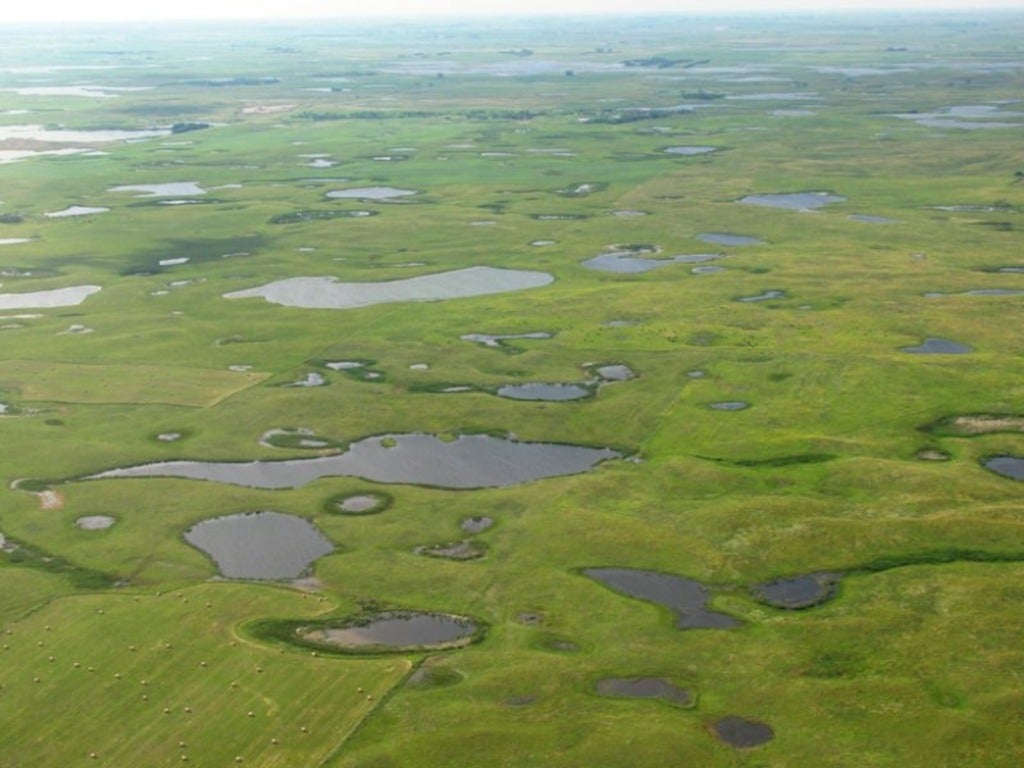
Canada's current wetland protection efforts have overlooked how the environment naturally protects fresh-water resources from agricultural fertilizer contaminants, researchers from the University of Waterloo's Water Institute have found.

In a recent study, engineering researchers at Waterloo found that small wetlands have a more significant role to play than larger ones in preventing excess nutrients like nitrogen and phosphorus from fertilizer from reaching waterbodies such as the Great Lakes.

Wednesday, July 19, 2017 6:30 pm - 8:30 pm EDT (GMT -04:00)

Water Industry Information and Networking Event

Ever considered a career in water? Come out to the Water Industry Info Session and Networking Night to learn about career paths and research in the water industry in areas such as conservation, wastewater and drinking water. 

Wednesday, July 19 | 6:30 - 8:30 p.m. | Science Teaching Complex 0010

Why attend?