Future students

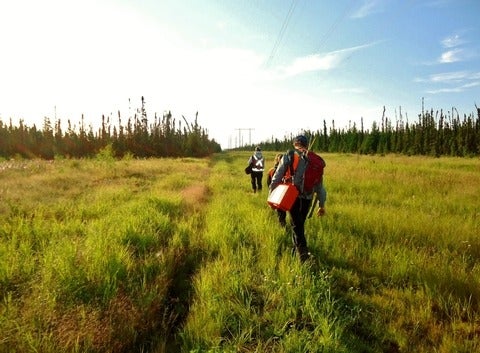
Half a decade ago, Syncrude had no idea whether a frozen slice of wetland, revealing centuries-old layers of peat and soil, would thrive after being transplanted to a former oilsands mine in order to regrow.

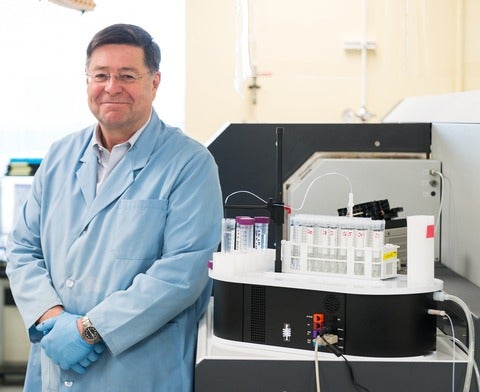
Water Institute researcher, Jonathan Price, professor in the Department of Geography and Environmental Management, comments:

Friday, October 27, 2017 12:00 pm - 1:00 pm EDT (GMT -04:00)

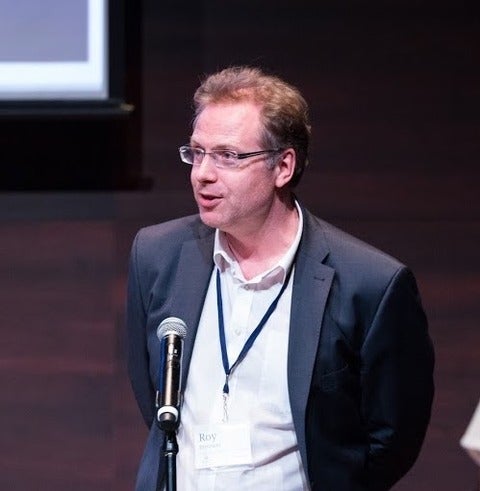
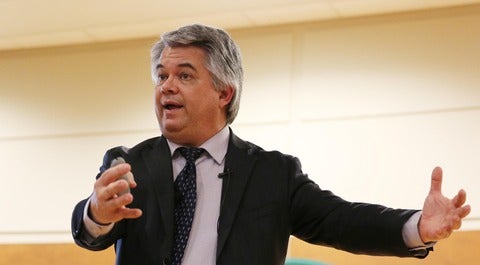
Global Assessment of Payments for Watershed Services with Roy Brouwer

As part of the Office of Research's Research Talks series, executive director of the Water Institute and professor of Economics, Roy Brouwer, will present, "Global Assessment of Payments for Watershed Services with Roy Brouwer."

More information

Who pays for the water quality and supply, biodiversity, and carbon storage provided by forests, wetlands, and grasslands?

Monday, August 28, 2017 3:30 pm - 4:30 pm EDT (GMT -04:00)

How to value marine and coastal ecosystem services for policy use

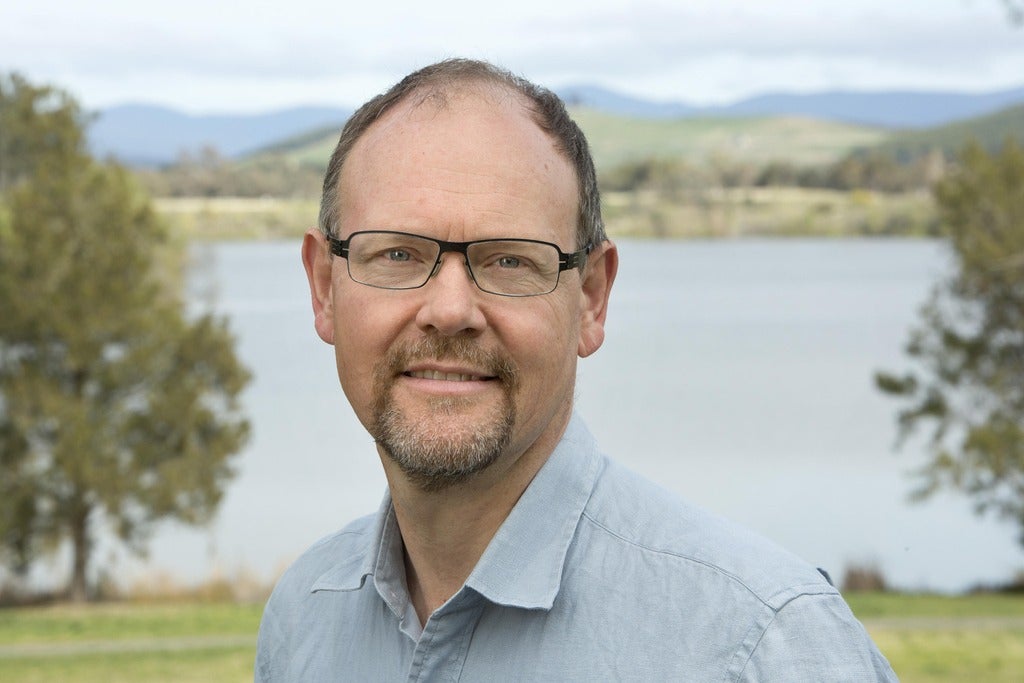
As part of our WaterTalk lecture series Ståle Navrud, professor of environmental and resource economics, presents, "How to value marine and coastal ecosystem services for policy use." 

Register today.

Coffee and light refreshments will be provided. 

As part of our WaterTalk lecture series Kevin Boyle, professor of agricultural and applied economics and director of the Program in Real Estate at Virginia Tech, presents, "From the Exxon Valdez oil spill to the BP Deep Water Horizon oil spill: A story of economic damages from major environmental contamination events."

Register today.

The impact of methane gas on climate change is growing as warmer temperatures accelerate microbial methane emissions in nature. Water Institute member Hyung-Sool Lee, an associate professor in Department of Civil and Environmental Engineering, is discovering innovative ways to deal with this problem. His recent publication, “Kinetic study on anaerobic oxidation of methane coupled to denitrification,” offers new ideas about how to mitigate atmospheric methane efflux through anaerobic oxidation of methane (AOM).

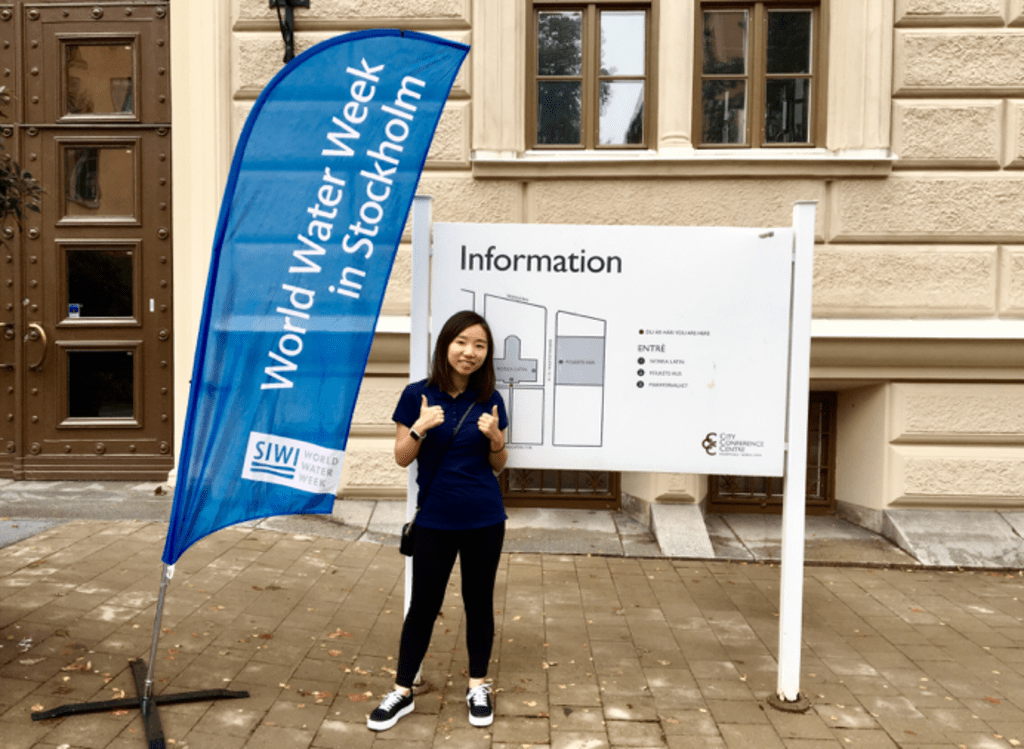
A research publication by Water Institute member Nandita Basu and Collaborative Water Program student, Fred Cheng, was recently featured in EOS after the American Geophysical Union wrote a Research Spotlight on it. We've provided the text, written by freelance writer Sarah Witman, below.