SWIGS welcomes its 2026-27 executive team
The Society of the Water Institute Graduate Students (SWIGS) has elected its executive committee for the 2026-27 academic year. Representing disciplines from across water research at the University, the new executive team is preparing to create opportunities for students to connect, collaborate and grow through professional development, networking, social events and community engagement.
Leading this year's team is Ben DePetris, a Master’s student in Geography (Water Program), who will serve as Chair.
Together with the executive committee, Ben will continue building an inclusive and interdisciplinary graduate student community while supporting events that bring together students, researchers and water professionals.
"I am super excited to work with this year's SWIGS executive team to continue to provide professional and social opportunities to students interested in water," said Ben DePetris, Chair of the Society of the Water Institute Graduate Students (SWIGS).
"This year I hope to build even stronger connections with our members by increasing our in-person communications footprint and continuing to grow our newsletter presence. Additionally, our team will continue to build upon the work of last year's executive team to modernize SWIGS’ constitution to reflect the current needs of the membership."
Meet the incoming SWIGS executive team:
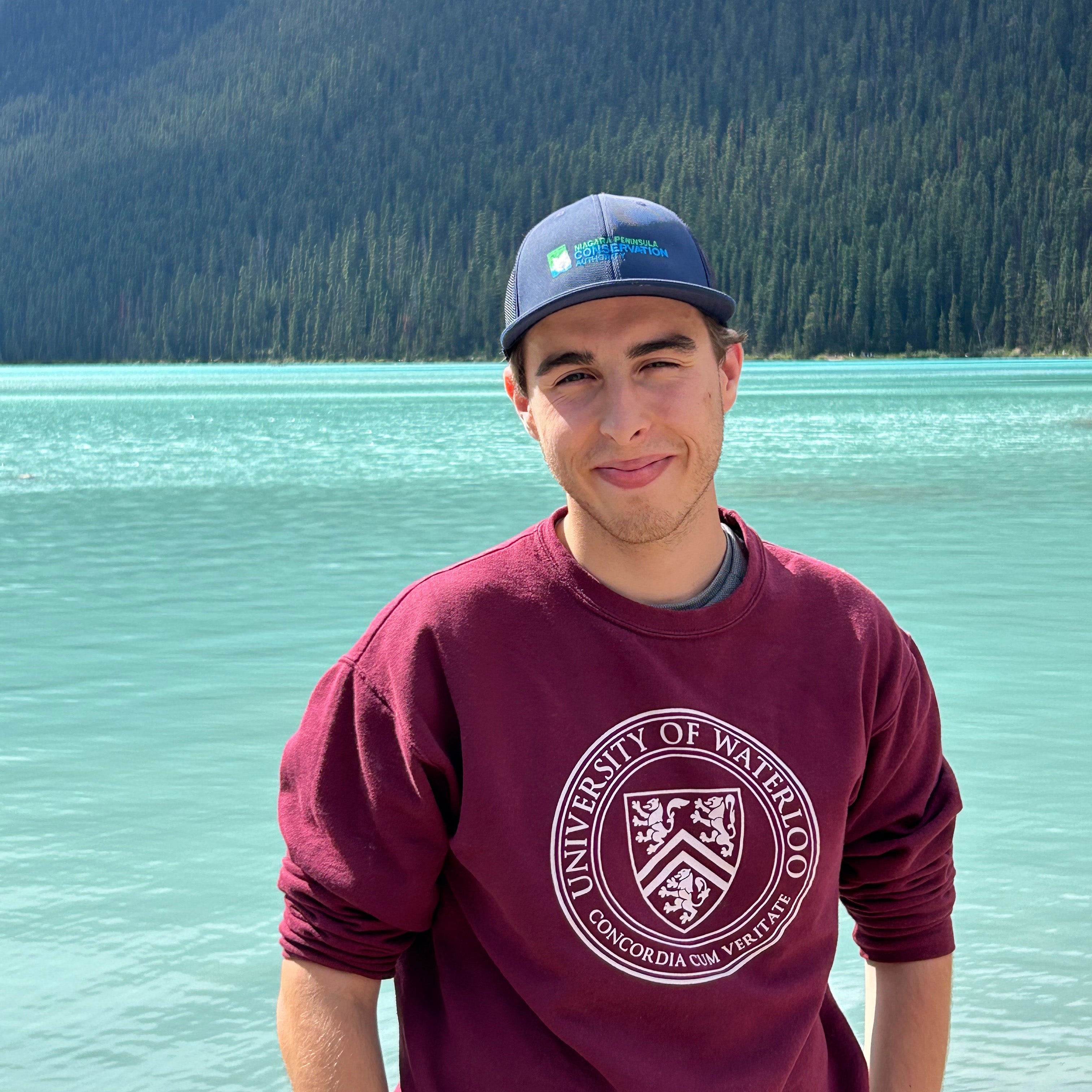
Chair
Ben DePetris
Geography
I am a Master’s student in Geography (Water Program), working within the Biogeochemistry Lab. My research involves investigating nutrient dynamics and transport at a watershed scale. I focus particularly on the legacy of various phosphorus fractions within the Grand River watershed and its contributions towards eutrophication. During last year's SWIGS Council, I served as Vice Chair Operations. In my role as Chair, I hope to maintain and build upon many of the great events and opportunities SWIGS has to offer to students interested in water on campus.
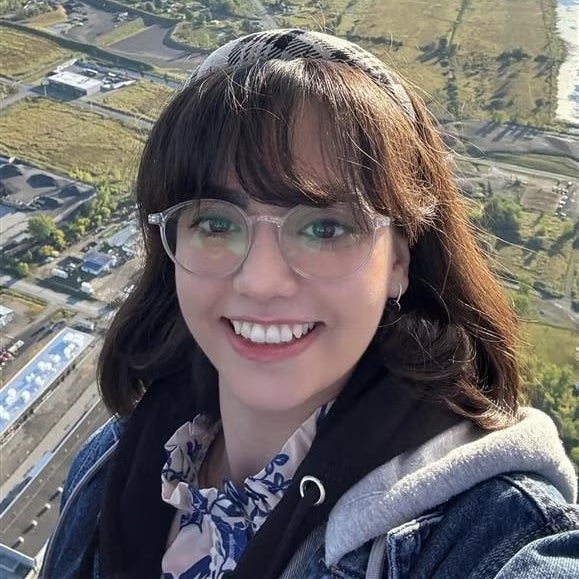
Vice Chair Conference
Azi Zebarjadian
Civil and Environmental Engineering
I am a PhD candidate in Civil and Environmental Engineering (Water Program) at the University of Waterloo. My research focuses on hydrological modeling, reservoir operations, and water resources management under uncertainty. I am particularly interested in developing optimization approaches that incorporate practical operational constraints to support more realistic and implementable water management decisions. Before joining the University of Waterloo, I completed both my bachelor's and master's degrees in Civil Engineering at the University of Tehran, where my research explored climate change impacts and machine learning applications in hydrology. I enjoy combining hydrology, modeling, and decision-making tools to improve the sustainability and resilience of water systems.
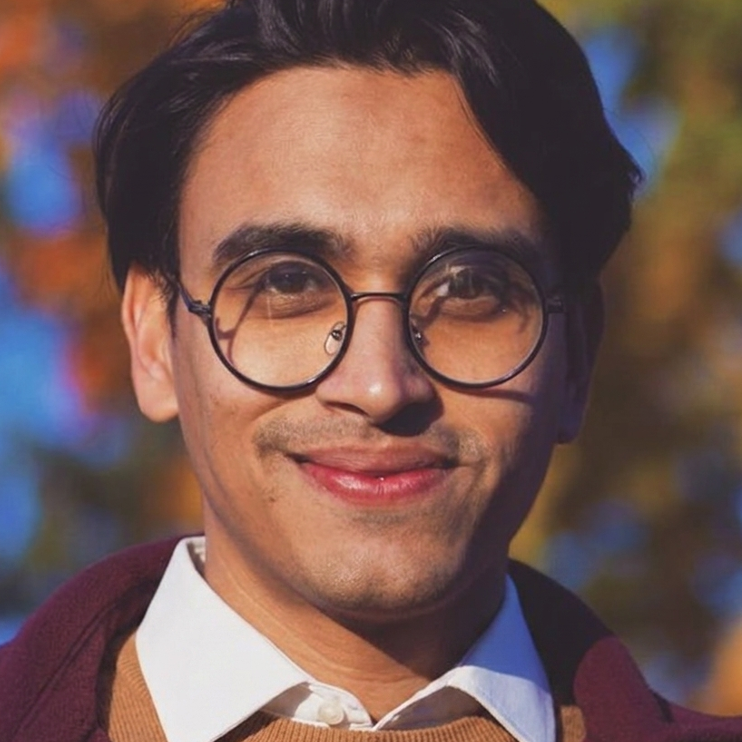
Co-Vice Chair Social
Omar Sadab Chowdhury
Civil and Environmental Engineering
I am a PhD Candidate in the Civil and Environmental Engineering program. My research interest revolves around drinking water treatment. I have worked with microbiological contaminant removal for a project during my undergrad and took a deep dive into microplastics in drinking water treatment to understand how and when they could pose potential health concerns. Currently, my research is focused on managing drinking water reservoirs to reduce the impacts of algae on raw water. Outside of school I enjoy running and doing music with friends. I love to play table tennis and spend the summer playing in the cricket league when I am not doing field work.
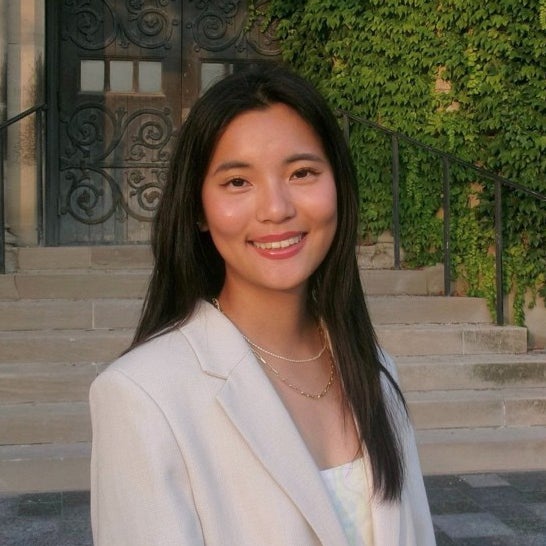
Vice-Chair Operations:
Madeline Ho
Civil and Environmental Engineering
I'm a Master's student in Civil & Environmental Engineering (Water Program) with the WaterSTP Group. My research focuses on drinking water treatment, specifically on the impacts of wildfires on biofouling in membrane systems. Before coming to Waterloo, I completed my Bachelor's degree in Ecology and Urban Studies at the University of Toronto. As Vice-Chair Operations, I look forward to engaging our graduate community through SWIGS events, updates, and opportunities.
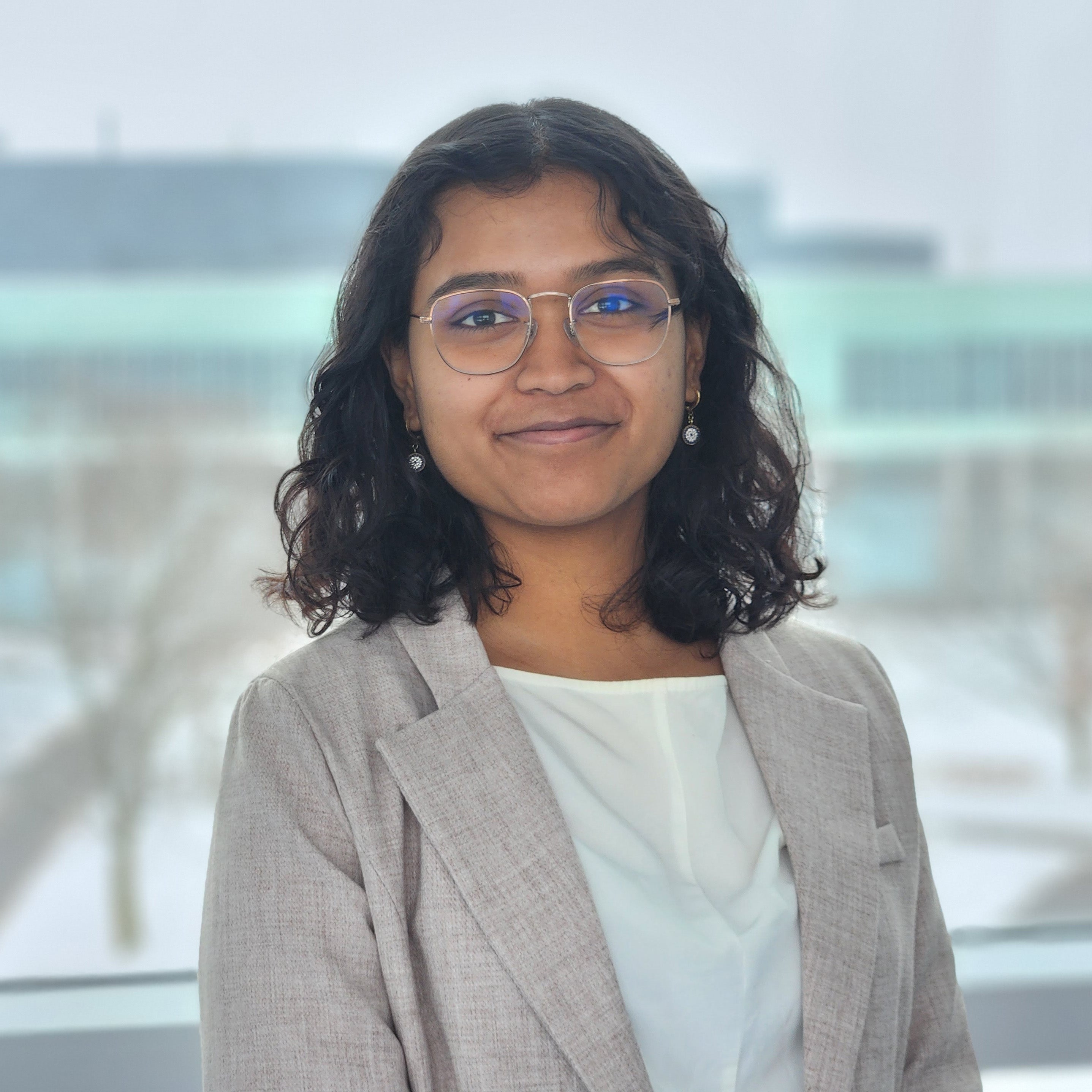
Vice-Chair Outreach:
Puvaanah Arrumugam
Earth and Environmental Science
I am a Master's student in the Earth and Environmental Sciences program, where I study groundwater and surface water connectivity on a regional scale. Using the results of numerical modelling and machine learning, my research looks into which areas have a significant amount of groundwater contributing to surface water, and vice versa. This research will help conservation authorities know which rivers are at higher risk of drying up due to groundwater extraction, and how to better protect native fish species that rely on a constant flow of water in the rivers they live in.
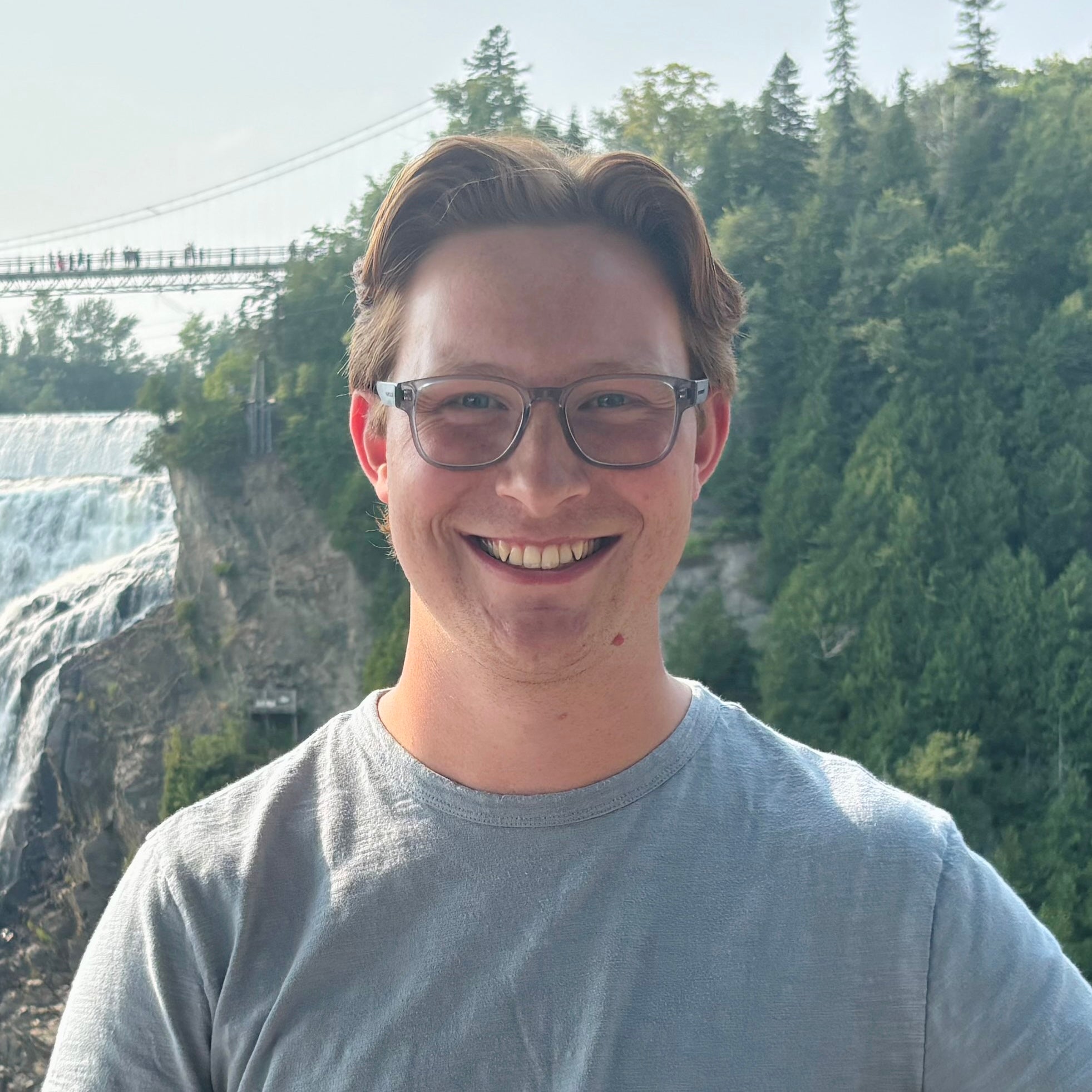
Vice-Chair Academic:
Michael Chislett
Civil and Environmental Engineering
I'm a PhD student in Civil Engineering (Water), conducting research with the River Hydraulics Research Group. Originally from Newfoundland & Labrador and having spent many summers “on the water,” I'm passionate about the intersection between fluvial systems and their impacts on (or impacts from) people and society. My current research focuses on process-based river restoration approaches to predictably induce the formation of pool-riffle morphologies; an essential ecological and hydraulic bedform. Before coming to the University of Waterloo, I studied Water Resources Engineering at the University of Guelph. I'm excited to foster meaningful, genuine connections and bring a community together through the Vice-Chair Academic role.
CWP Liaison
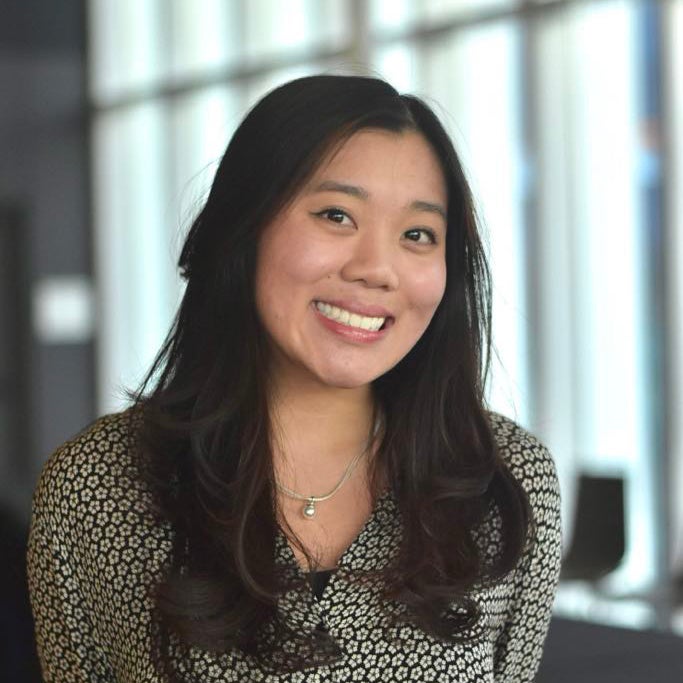
Kiera Hum
I'm a Master's student in the Earth Science (Water) program, completing my research in the Ecohydrology Research Group. My research involves conducting field and lab experiments to evaluate the degradation potential of common and biodegradable plastics using hydrolytic enzymes. Before beginning my Master's, I completed my Honours BSc in Integrated Science, concentrating in Earth and Environmental Sciences, at McMaster University. As the Collaborative Water Program (CWP) Cohort 13 Representative, I hope to help the SWIGS team create a supportive community among graduate students and ensure there is clear communication with the CWP.
Congratulations from the Water Institute! We look forward to seeing what you have planned for SWIGS members in the upcoming academic year.