News

Filter by:

Limit to news where the title matches:
Limit to items where the date of the news item:
Date range
Limit to news items tagged with one or more of:
Limit to news items where the audience is one or more of:

Jason Deglint, Systems Design Engineering PhD candidate and winner of the 2017 AquaHacking competition, is building new technology to leverage the power of artificial intelligence for safe, clean water. Along with founding members Chao Jin and Alexander Wong, the vision of their company – Blue Lion Labs – is to allow treatment plants, governments, private organizations, and local communities, to be proactive in

Andrea Minano, Geography PhD candidate, is the coordinator of the Canadian Coastal Resilience Forum (CCRF) led by Water Institute member Jason Thistlethwaite. She is responsible for organizing and facilitating CCRF activities and engagement. Andrea also manages the Flood Policy Research Group — an interdisciplinary group of researchers focusing on Canadian flood policy and flood risk management.

Every year a significant amount of runoff water, contaminated with hydrocarbons, gets washed into stormwater drains and released into the water bodies, often untreated. This problem is often overlooked while contaminants accumulate and negatively impact the environment – including the water quality and animal and plant habitats.

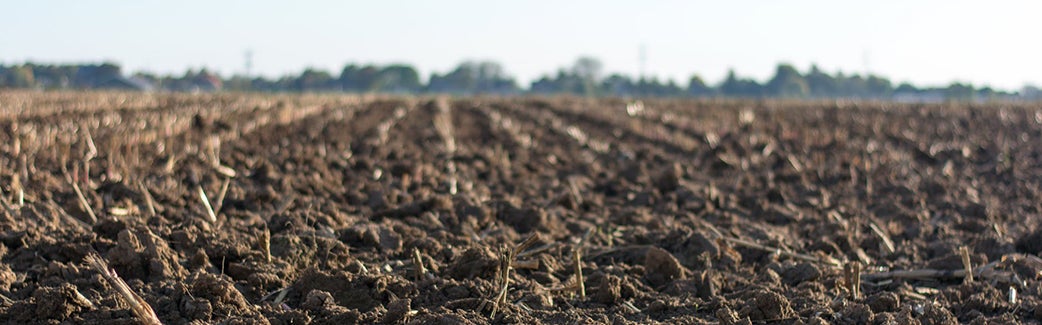
Warmer winters are leading to a greater frequency of freeze-thaw events and colder soils due to the loss of the insulating snowpack. These factors are subsequently changing the movement of water, carbon and nutrients in soils during the winter. Many assume that frozen soils are dormant. However, a new research project at the University of Waterloo is discovering that soils remain biogeochemically active during winter months, just differently from other seasons.

Underscores value of citizen science and linking with stakeholders to refine and share research results

Nearly 95,700 Great Canadian Shoreline Cleanup volunteers hauled approximately 263,000 kilograms of litter from Ontario shorelines between 2010-17. Volunteer citizen scientists have logged the amounts and types of litter they have found during their community cleanups, however this information has not often been utilized by researchers to explore notable trends over extended time periods.

Proposed bill could lead to policy patchwork in Ontario endangering environmental protections and public health

UW associate professor Nandita Basu says Bill 66 threatens the environment by allowing municipalities to bypass policies and acts protecting water and land.