Dr. Chelsea Bray on contact lens safety
What are the dangers of poor contact lens hygiene?
Eye infections and other lens-related complications can result from poor contact lens hygiene. Left untreated, an infection from contact lenses can progress rapidly and become sight-threatening, potentially leading to permanent vision loss.
Microbial Keratitis
Insufficient cleaning of contact lens storage cases and sleeping in contacts can create infectious environments, leading to a nasty corneal infection termed microbial keratitis. This is the most common type of serious infection due to contact lenses and fortunately, it remains fairly rare. This disease can cause corneal scarring and ultimately leads to permanent vision loss if left untreated.
Corneal Hypoxia
Prolonged contact lens wear using materials that do not transmit lots of oxygen can result in insufficient oxygen supply to the front of the eye, resulting in corneal hypoxia. This causes the cornea to thicken and results in red, irritated eyes. This corneal damage can be prevented by avoiding sleeping while wearing contact lenses and ensuring regular follow-up checks with your practitioner to monitor the health of your eye.
What are some signs and symptoms of these lens-related complications?
Lens-related complications can be treated if you know the warning signs and take prompt action to deal with any problems before they become major. Some symptoms to look out for include:
- Eye redness
- Pain or discomfort, especially after removing the lenses
- Blurry or decreased vision
- Sensitivity to light
A good rule of thumb is: If in doubt, take it out. If you have any sort of abnormal redness, pain or irritation, discontinue contact lens wear immediately and see your eye care practitioner as soon as possible.

Do’s and Don’ts of contact lens safety
Do:
- Do wash your hands
Always wash your hands with soap and water prior to handling contact lenses, whether inserting or removing them. This helps prevent microbes and debris from your hands being transferred to the lens, thus reducing the risk of eye infection.
- Do use the appropriate contact lens solution
Use the contact solution recommended by your eyecare practitioner and always replace it with fresh solution when storing lenses. Multipurpose solutions can be used regularly to clean and disinfect your contact lens, while hydrogen peroxide-based solutions are very reactive, so they must be neutralized overnight to avoid chemical injury. Stick to the recommended brand and always consult your practitioner if you wish to change solutions, as the new solution may not be the best to use with your lenses.
- Do properly care for your contact lenses
Follow the prescribed care and replacement schedule of your lens type and do not stretch the scheduled replacement times. Don’t reuse daily disposable lenses, disinfect bi-weekly and monthly lenses each time they are worn, and strictly follow the replacement schedule.
Don’t:
- Don’t rinse your contact lenses with tap water
Rinsing your contact lenses with tap water – or anything other than contact lens solution – puts you at a high risk for eye infection due to microbes in the water. Lenses should never contact water, even for very short periods of time. Storing contact lenses in water for any period of time is highly dangerous and can lead to severe infection and vision loss.
- Don’t shower with contact lenses
Contact lenses should always be removed when showering, swimming and washing your face. If your contact lenses are exposed to water, they should be removed immediately and replaced to minimize any risks.
- Don’t apply makeup before putting on your contact lenses
Apply makeup only after inserting your contact lenses to prevent contamination from makeup particles and hand residue. Always wash your hands when handling contact lenses and makeup. Additionally, remove contact lenses before taking off makeup to avoid irritation and water exposure. Learn more about cosmetics and eye health.
- Don’t sleep or nap in contact lenses
Sleeping in contact lenses can raise the risk of infection and prevent your eyes from getting enough oxygen. The only exception is if your eye care practitioner prescribes you extended wear lenses. In that case, strictly follow the replacement schedule.
-
Don’t share contact lenses
Never share contact lenses as it increases the risk of contagious eye infections, such as conjunctivitis (pink eye). Contact lenses are medical devices that are unique to your prescription and eye shape – wearing someone else’s can be uncomfortable and harmful.
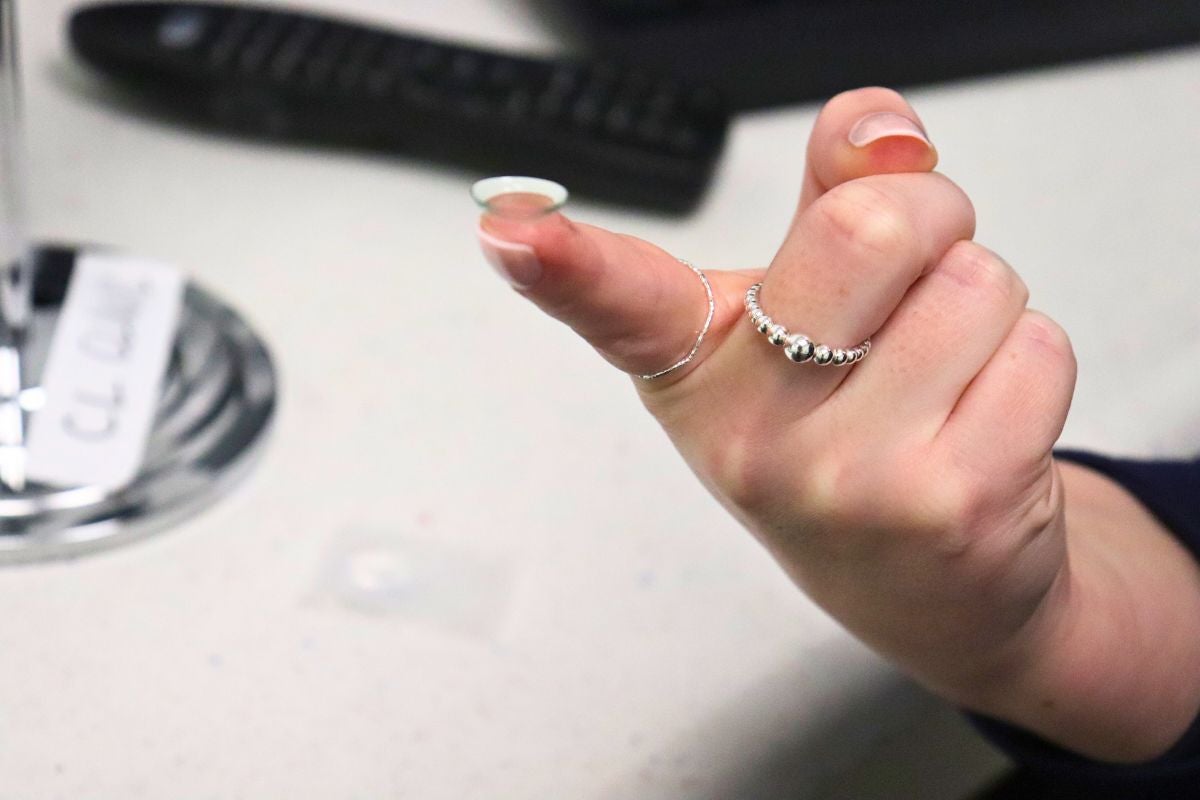
Can children wear contact lenses?
Children as young as five can and do safely wear contact lenses – as long as they're willing to wear them and are properly fitted for them by an optometrist. Contact lenses are an effective option for myopia control treatment, though special glasses and eye drops are also good options. Depending on the age of the child, parents may need to be involved in putting in and taking out contact lenses. Daily disposable lenses are often recommended for children.
How often should contact lens wearers return for follow-up exams?
Contact lens wearers should be seen for eye exams annually to monitor the health of the cornea. Your eye care practitioner will also ensure the lenses fit properly and are providing the best and most comfortable contact lens experience possible.
Waterloo Eye Institute patients
At the Waterloo Eye Institute, our Advanced Contact Lens Service provides a wide range of contact lenses — from standard soft contact lenses to specialized rigid lenses. We also offer myopia management plans to help slow down the progression of nearsightedness in children. Myopia control treatments can involve the use of contact lenses, special glasses, eye drops or a combination of techniques.
Appointments with our Advanced Contact Lens Service require a referral, either internally from our Primary Care Service, which provides comprehensive eye exams, or externally from your optometrist.
Check out our info about eye care coverage under the Ontario Health Insurance Plan (OHIP).
University of Waterloo students, employees and their dependants qualify for discounts on eye exams and glasses and may qualify for discounts on some contact lens products. Speak to Waterloo Eye Institute staff for details.

Research
The University of Waterloo School of Optometry and Vision Science ranks fifth worldwide in research output among optometry schools.
The Centre for Ocular Research and Education (CORE), the School’s oldest and largest research centre, has contributed to some of the most important developments in contact lenses, including the development of disposable lenses and the evolution of silicone hydrogel lenses.
Our researchers were involved in testing the first FDA-approved myopia control method, MiSight contact lenses. They are also innovating in a variety of areas, including developing drug-delivering bandage contact lenses.
If you are interested in participating in contact lens studies, CORE regularly recruits participants of all ages. Check out our current studies that are actively looking for participants.
You can also get involved in other studies – check out the studies recruiting participants.
Article and video by Kavya Piraba and Karen Kawawada
Reviewed by Dr. Chelsea Bray, OD, FAAO, and Dr. Lyndon Jones, PhD, DSc, FCAHS, FCOptom, DipCLP, DipOrth, FAAO (Diplomate in Cornea & Contact Lens), FIACLE, FBCLA
Contact
Comprehensive eye exams for people of all ages are offered by the Primary Care Service at our Waterloo and Kitchener locations. To make an appointment, call 519-888-4062 for the Waterloo Clinic or 519-888-4455 for the Kitchener Clinic. You can also book eye exams online.
Specialized services cannot be booked online. To contact the Advanced Contact Lens Service (Waterloo location only), call 519-888-4414.
Waterloo Clinic address: Unit C, 419 Phillip St., Waterloo
Kitchener Clinic address: 10B Victoria St. S., Kitchener