
This year’s Map the System competition at the University of Waterloo drew in a wide range of students eager to explore complex problems. This competition encourages students to use a new approach when researching issues occurring around the world, introducing the use of systems mapping to get to the roots of a problem. With registration now closed, responses show which parts of the university students are coming from and what issues they are interested in researching.
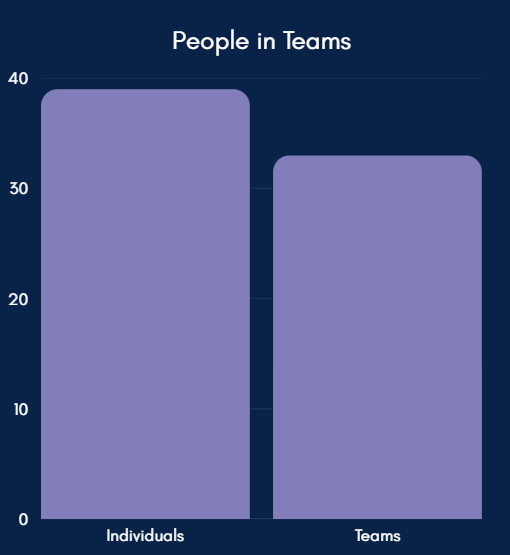
Last year, there were a total of 89 registrants, but this year 166 students registered to Map the System at the University of Waterloo. 39 applicants are competing individually and 127 are researching as a team, creating 34 teams. There are recent graduates and students outside of UWaterloo that are teammates in this year's competition as well.
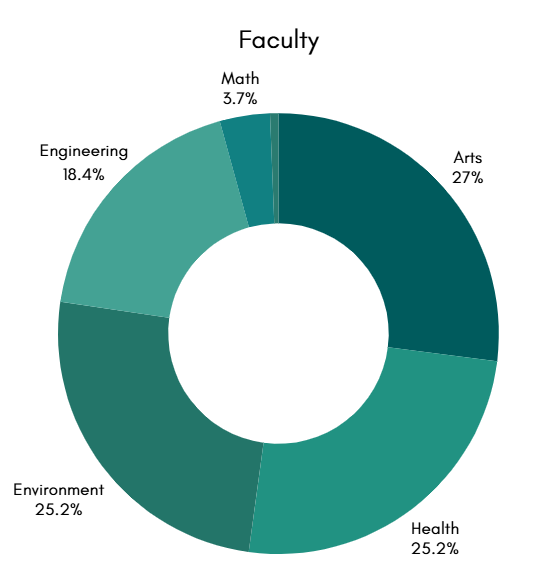
Registrations make it clear that systems thinking is not limited to a specific type of educational background. Applicants came from all levels with 100 undergraduate, 61 Masters, and five PhD registrants and spanned each faculty, with strong engagement from Health, Arts, and Environment students. The total number of teams registered by faculty was: 44 from Arts, 41 from Environment students, 41 from Health, 30 from Engineering, six in Math, and one in Science.
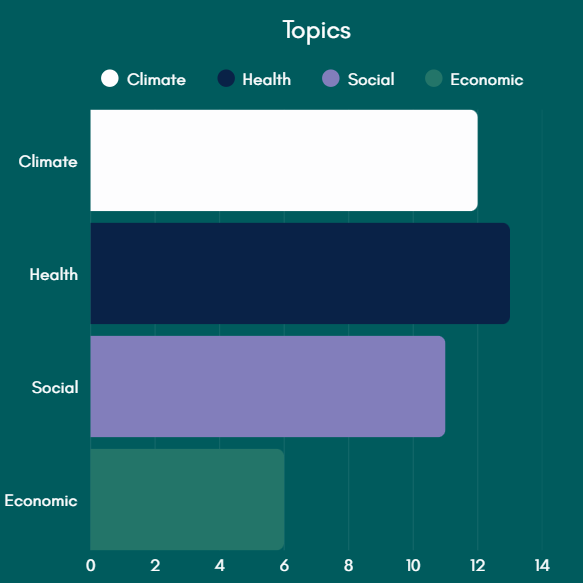
Students have the freedom to choose the issue they research, which the competition organizers at Oxford University group into four themes: social, economic, health, and climate. 13 groups chose topics related to health problems, 12 teams chose climate, 11 teams chose social, and six chose economic topics. Although health was a popular topic, not all the students are from the Faculty of Health, meaning that many students branched out to research topics beyond their field of studies. Some emerging sub-themes include housing, AI, women’s rights, and mental health, and proposed projects span geographies from Kitchener-Waterloo to Syria.
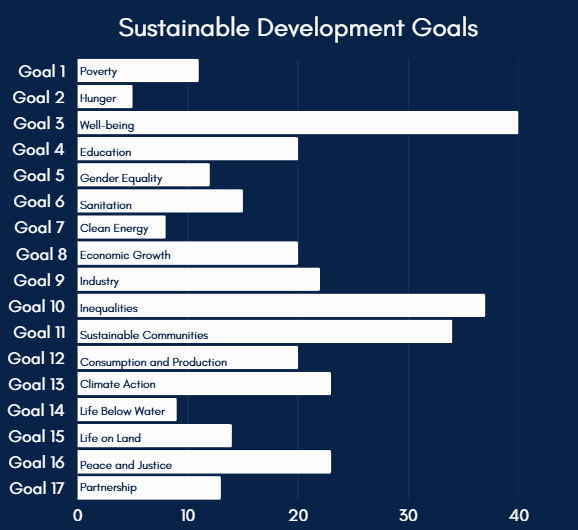
When registering, students identified which Sustainable Development Goals (SDGs) they believed their research would touch upon. Each goal was referenced in at least five team responses, indicating that students have chosen topics targeting more than one global challenge, and showing the wide range of concerns that students want to address through their research.
This year’s Map the System registrations revealed just how diverse the research competition is, bringing in students with a variety of educational backgrounds and goals – reflecting Map the System’s overarching mission: to encourage all students to use systems thinking to address problems they are passionate about. Over the next two months, students will begin conducting their research with the assistance of our campus lead, Gabriel.
On April 7th, the top five teams will present their findings to a panel of judges for the opportunity to represent Waterloo at the global finals at the University of Oxford in July. All other finalists will be eligible to receive an “Apprenticing with the Problem” grant to continue exploring—or to take action—on their challenge.
We are grateful for the generous financial support of Kindred Credit Union, MEDA, Sarona Asset Management, and the Waterloo Institute for Complexity and Innovation that is making these awards possible.