
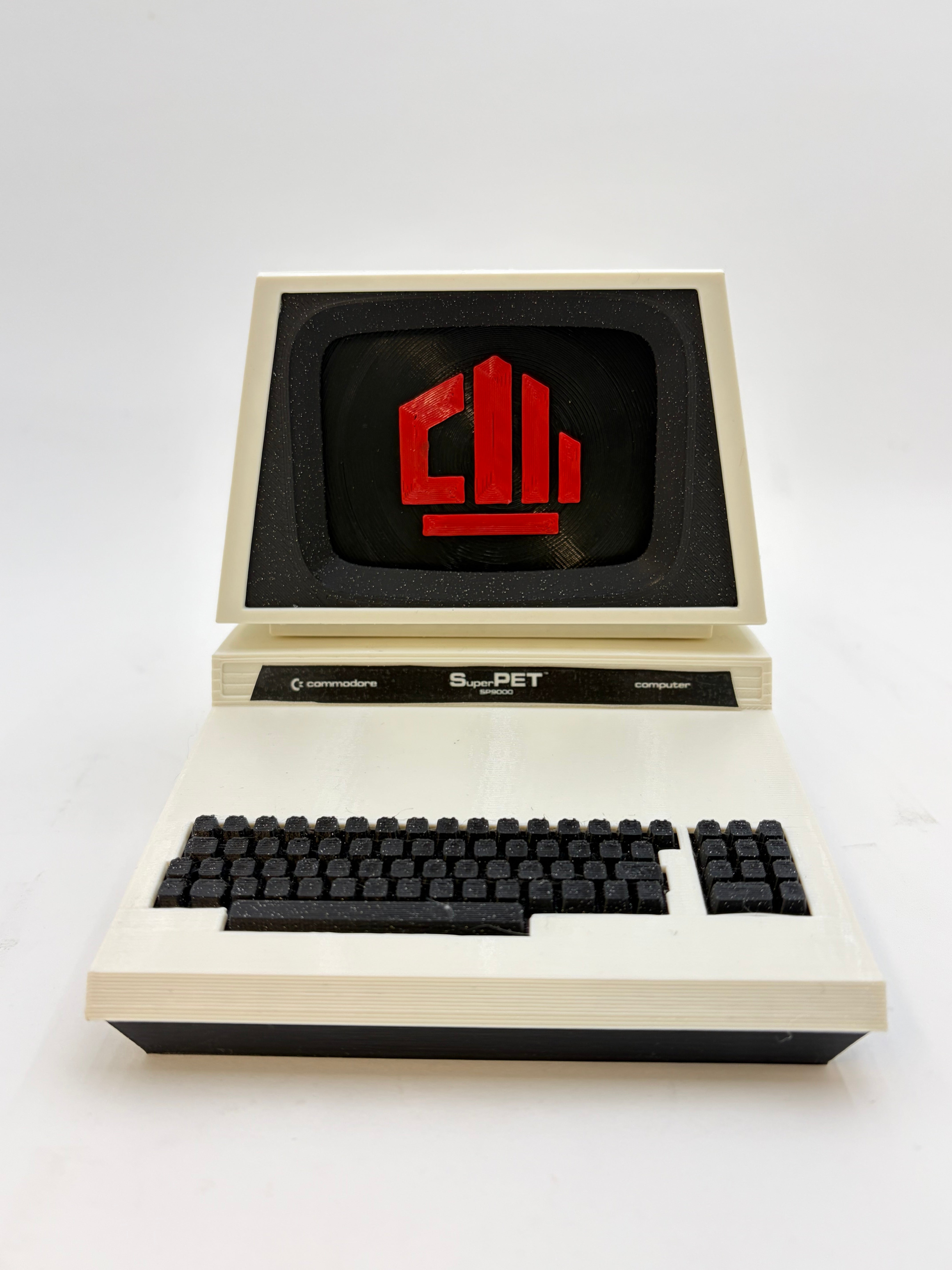
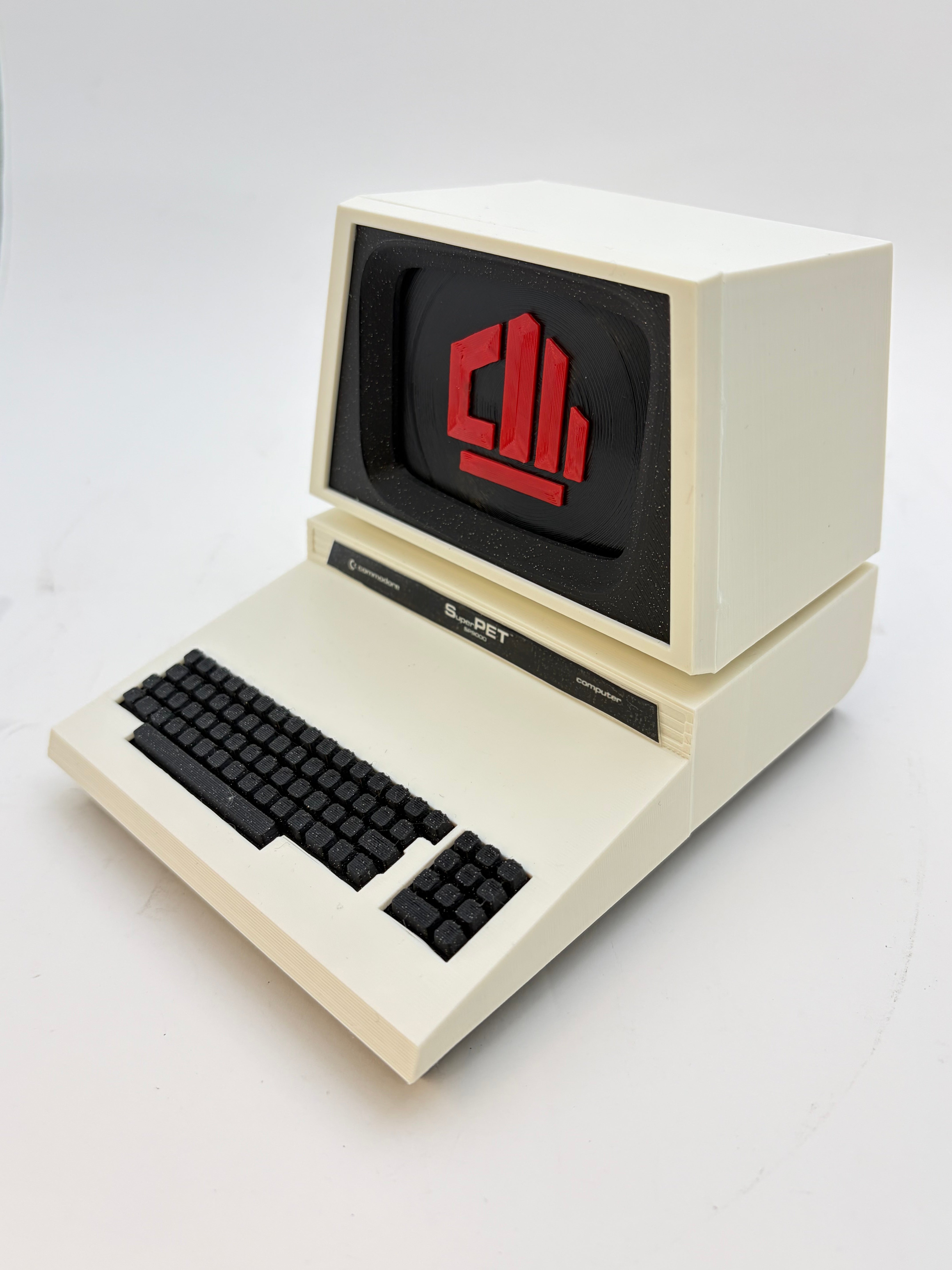
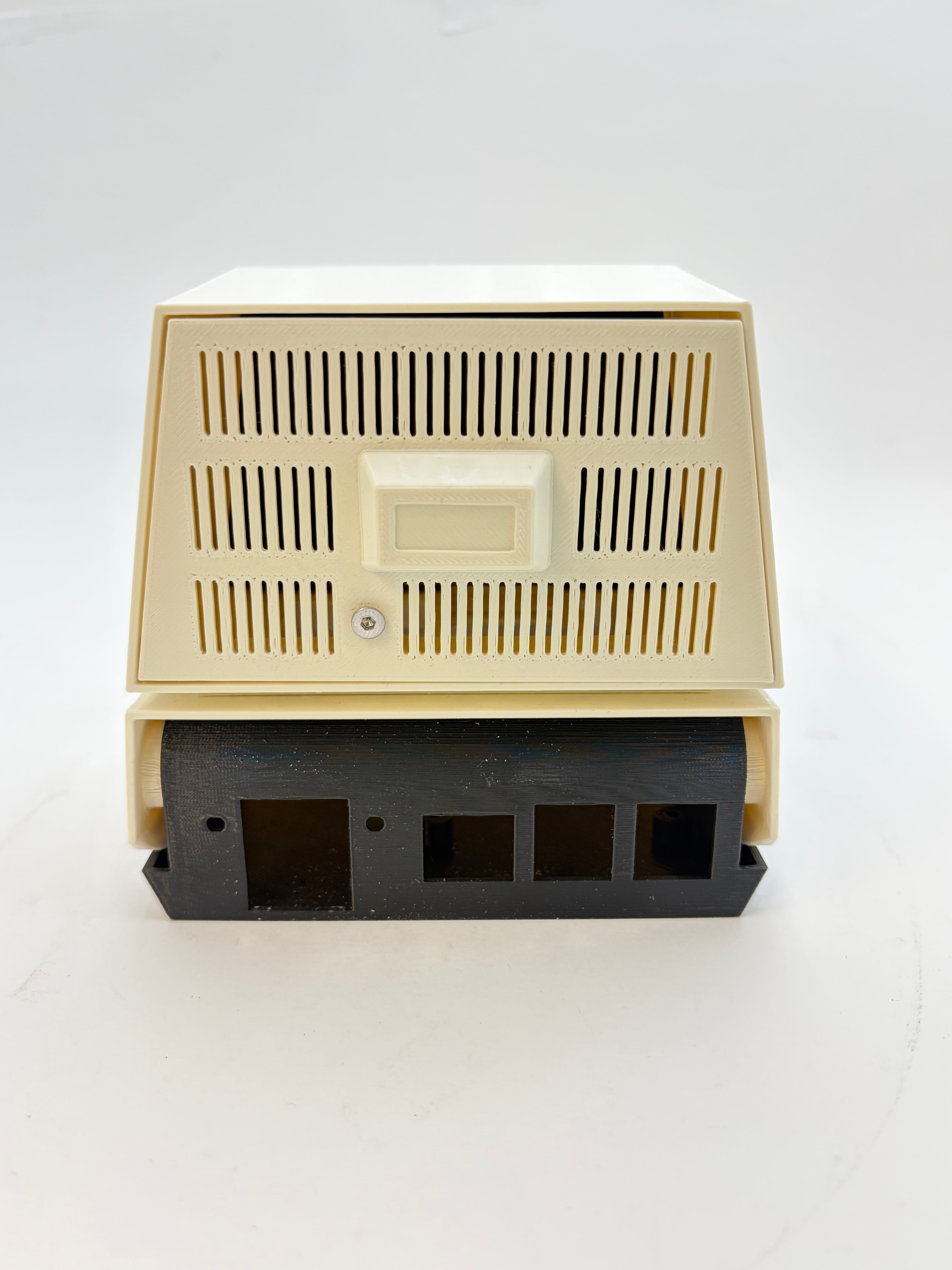
Commodore SuperPet (1981)
The Commodore SuperPET was developed by the Computer Systems Group to meet the need of a more powerful computer to run the sophisticated programming languages developed by CSG for use in teaching Computer Science at Waterloo. The unique feature of the SuperPET is that it has 2 complete "brains" - the original 6502-based board that came with the PET and a 6809 16-bit board that was added in to run the software developed at the University of Waterloo.
See the Artifact on the Computer Museum Catalogue
Source: Lorenzo - Commodore PET Mini




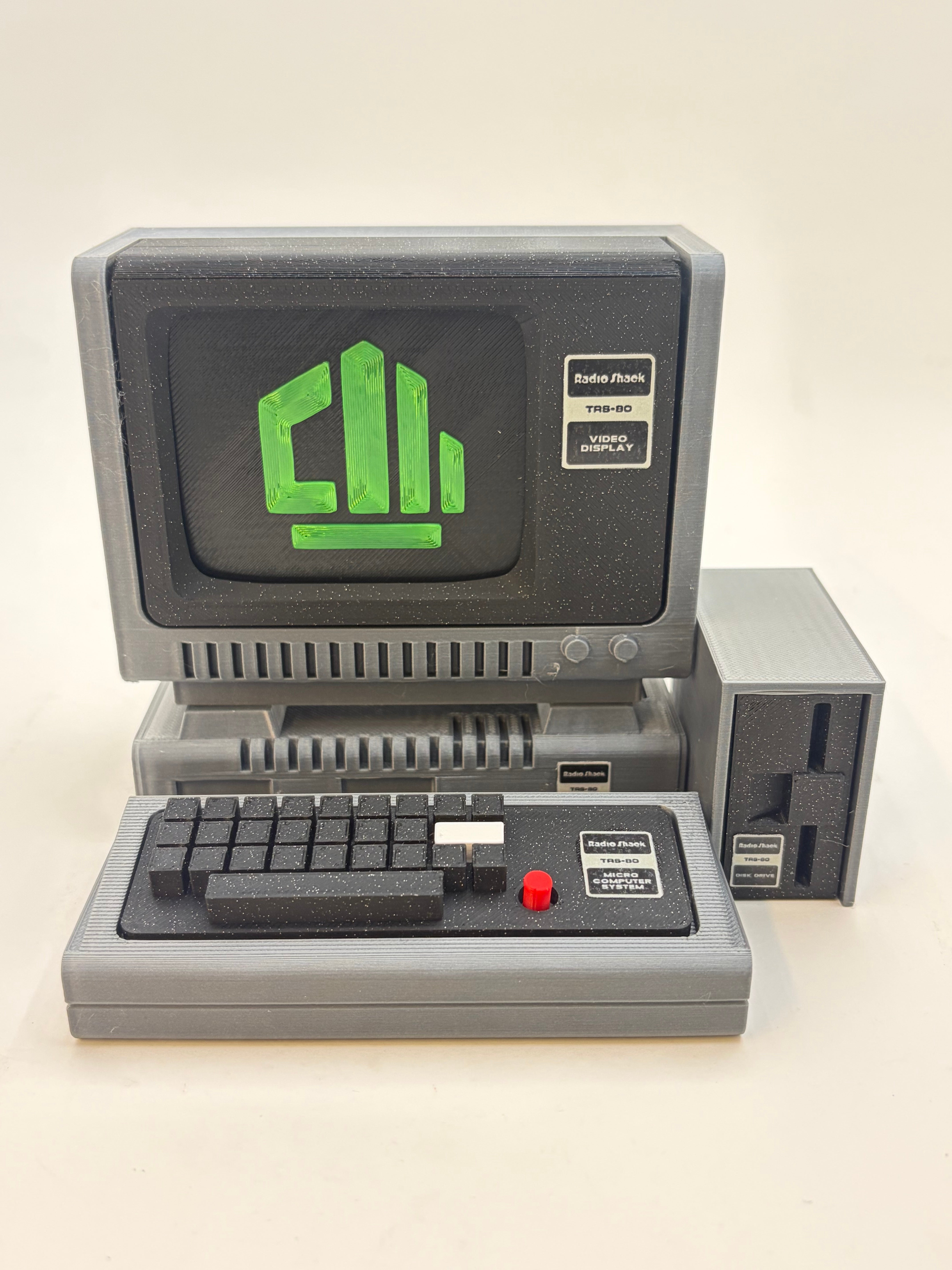
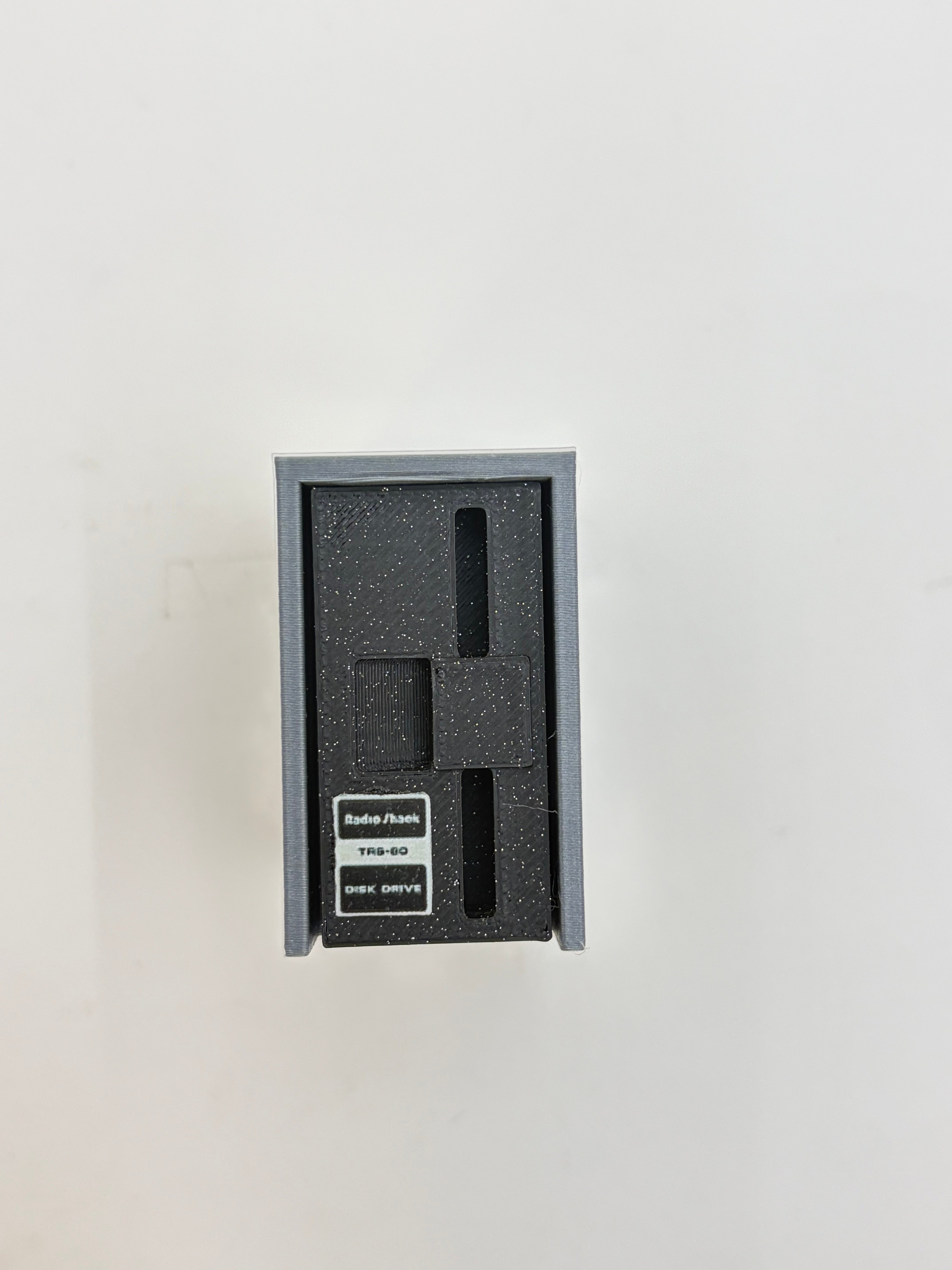
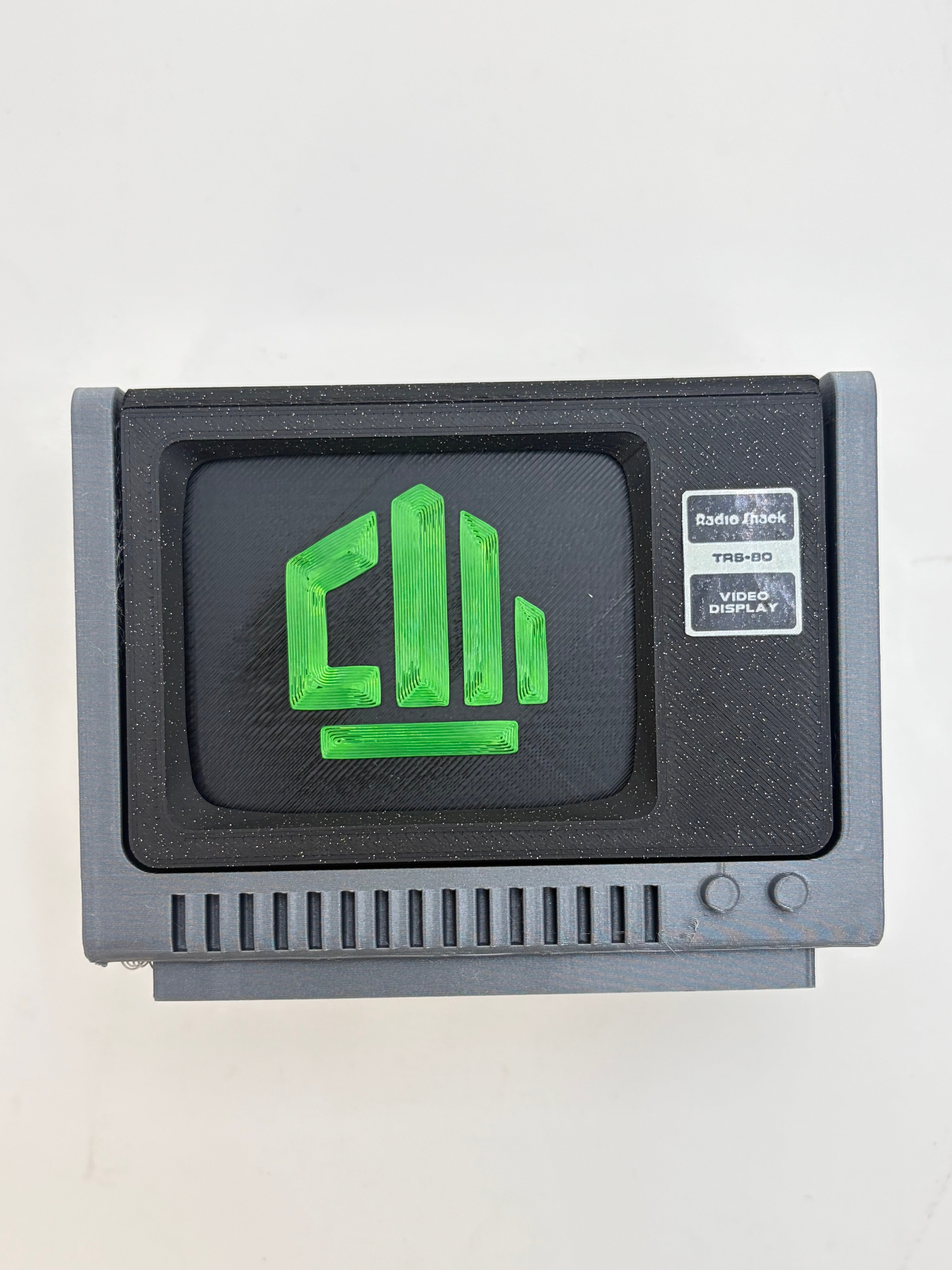
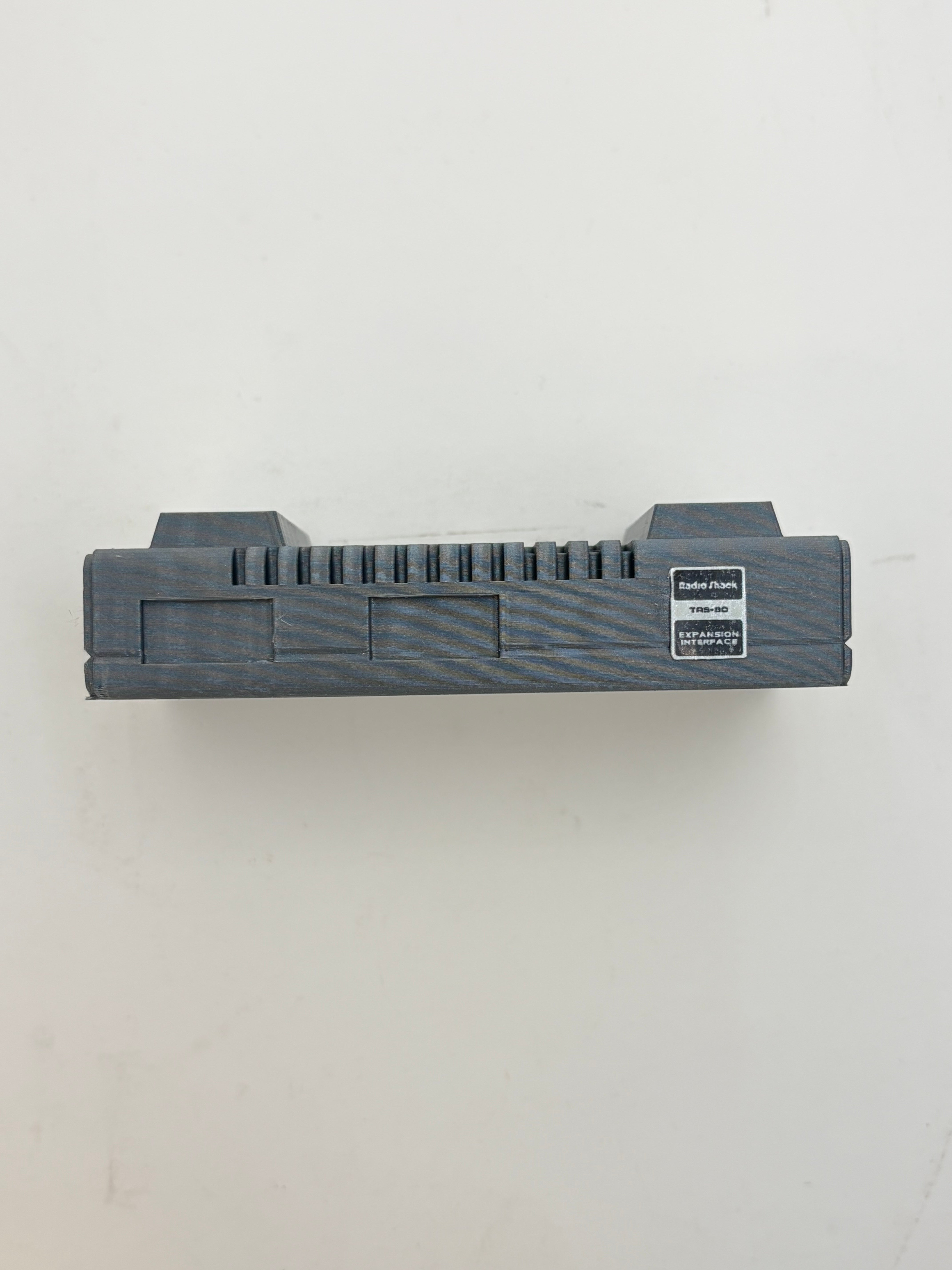
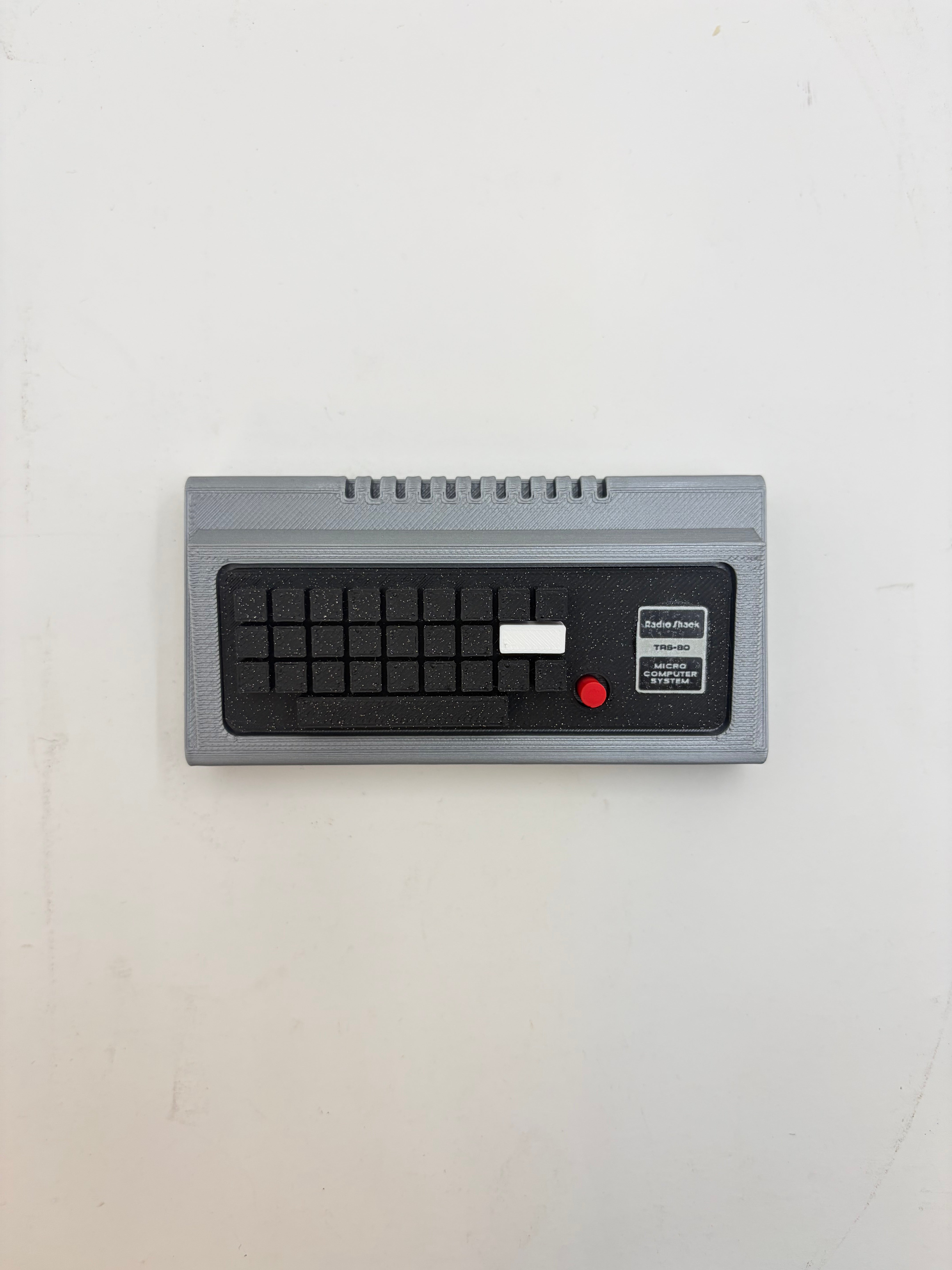
Tiny TRS80 Model I (1977)
The TRS-80 Model I is a desktop microcomputer launched by Radio Shack in August 1977. It was one of the "trinity" of personal computers (alongside the Apple II and Commodore PET) that pioneered the home computer industry. It was designed for hobbyists, small businesses, and home users, becoming the best-selling PC line until 1982, with over 250,000 units sold.
See the Artifact on the computer Museum Catalogue
Source: RabbitEngineering
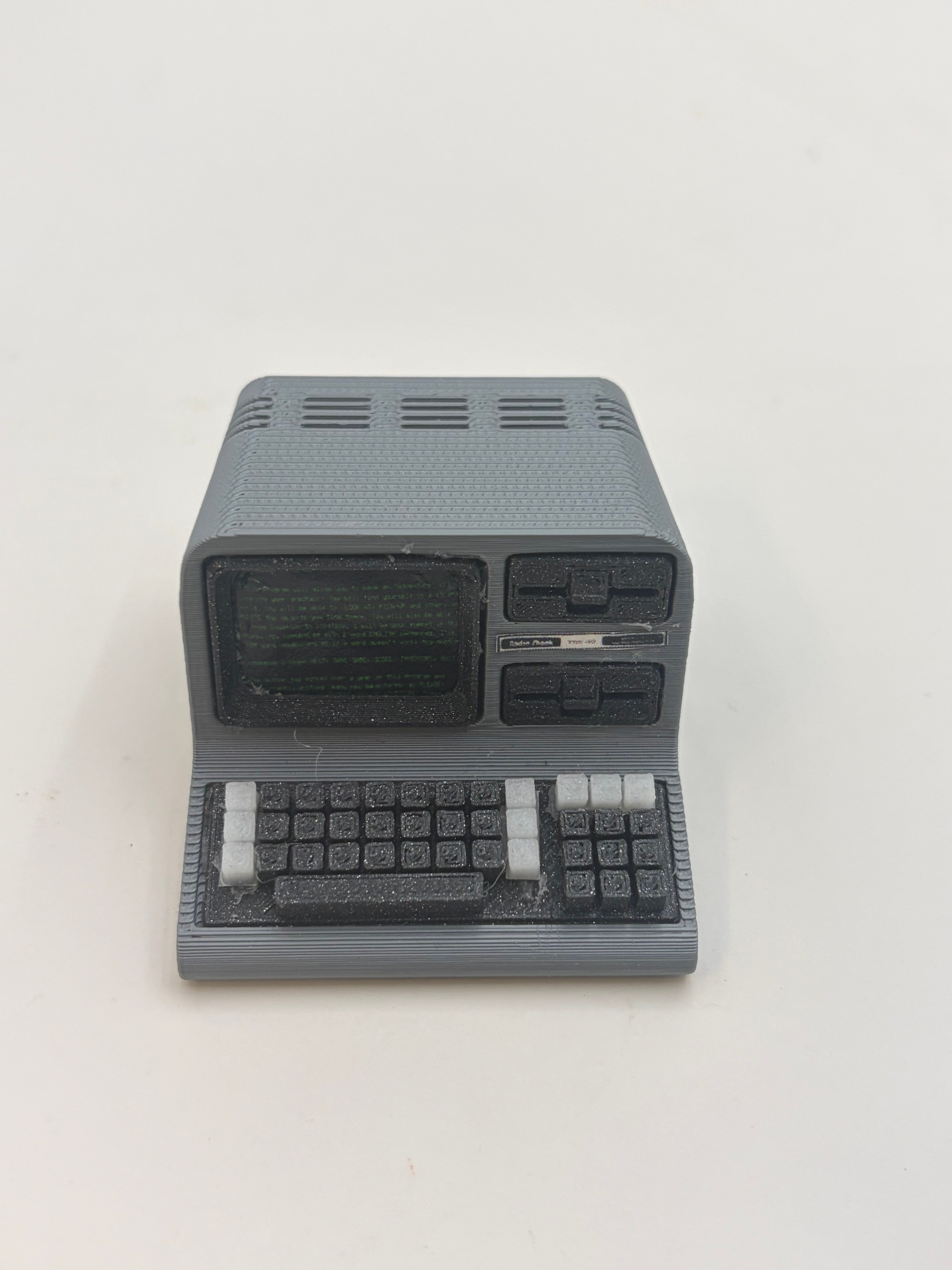
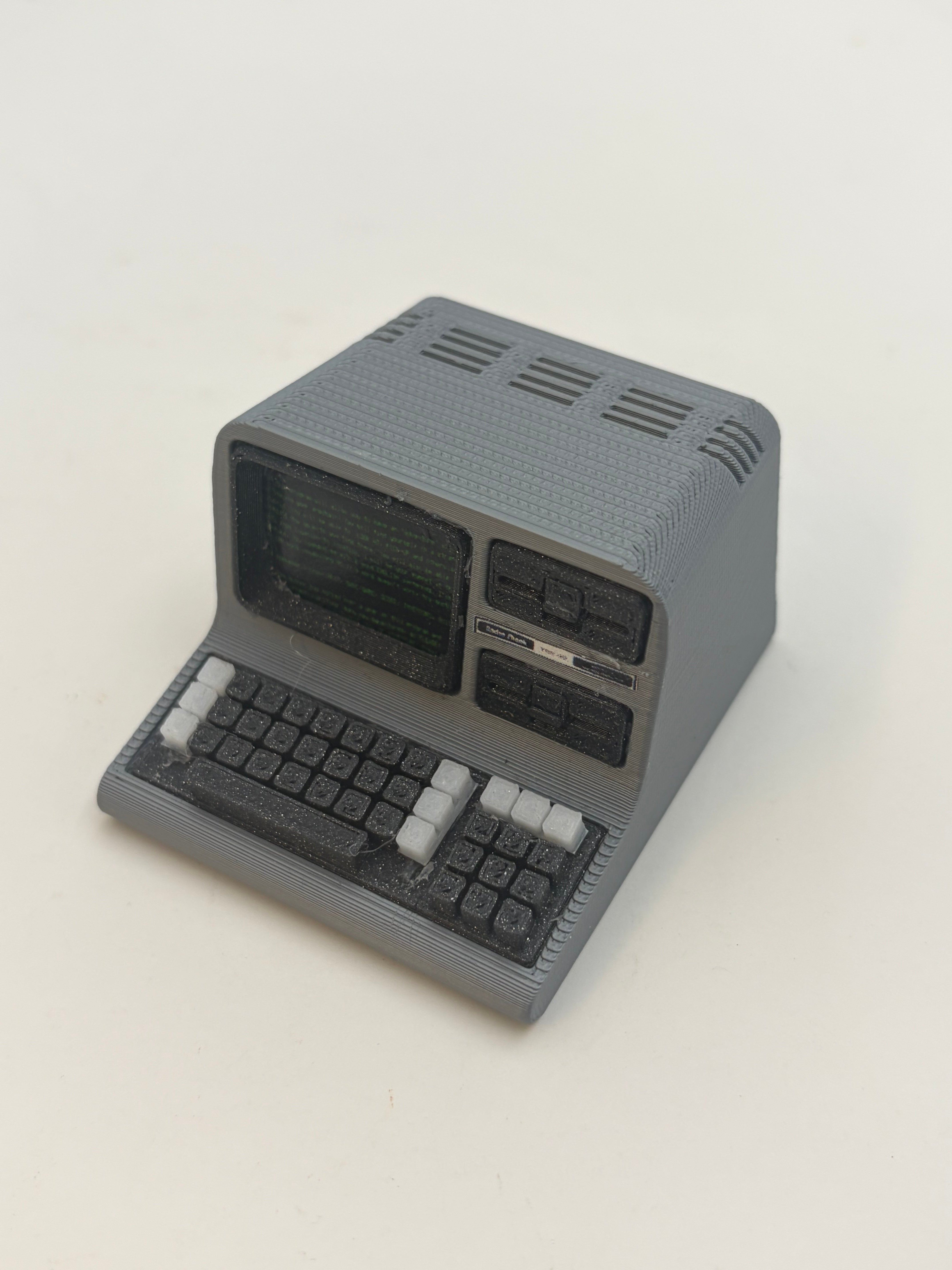
TRS80 Model III (1980)
The TRS-80 Model III was a popular all-in-one home computer from Tandy/Radio Shack, released in 1980 as a successor to the Model I, featuring an integrated monitor, keyboard, and optional disk drives, with a Z80 processor, up to 48K RAM, and running TRS-DOS.




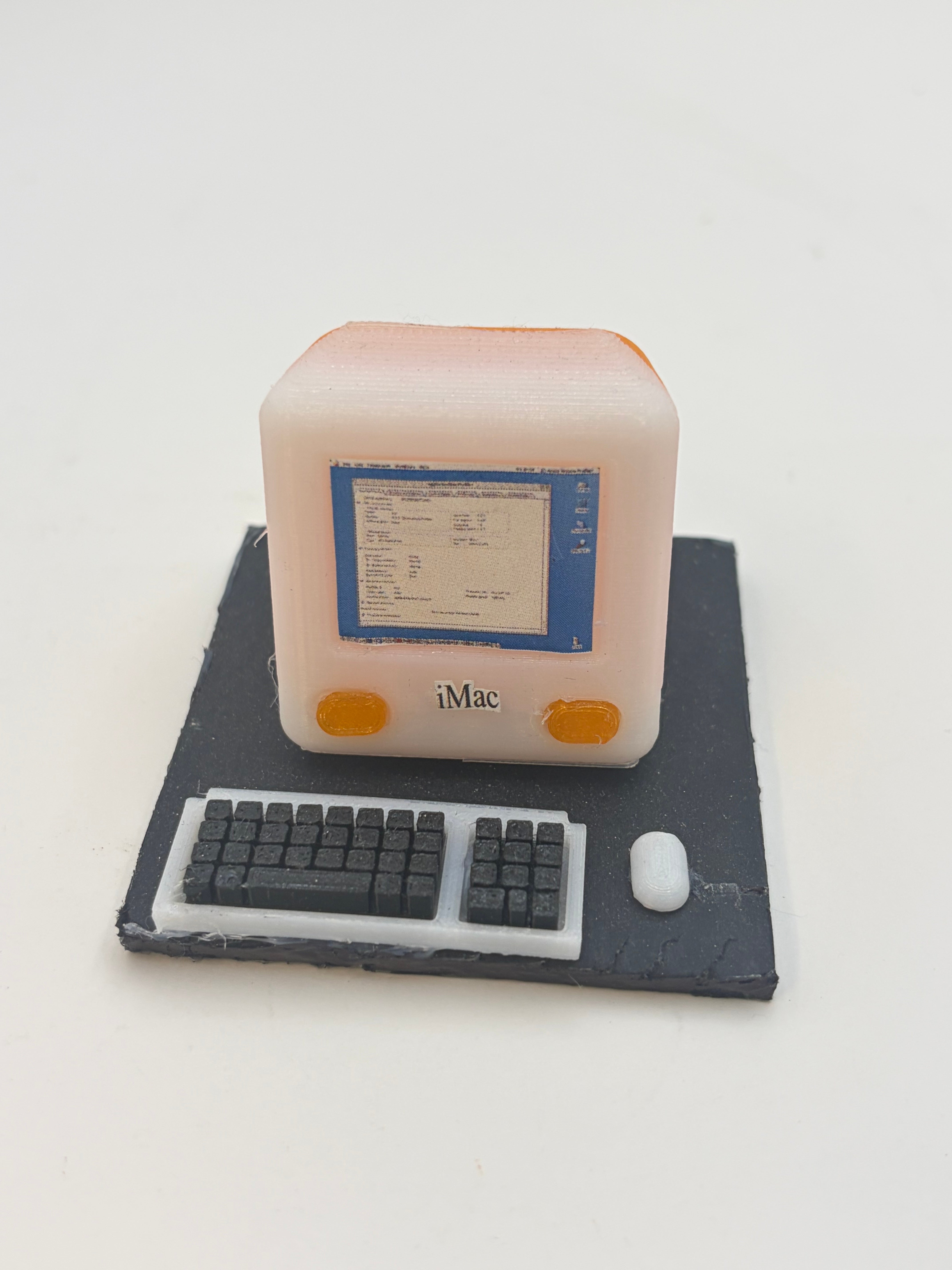
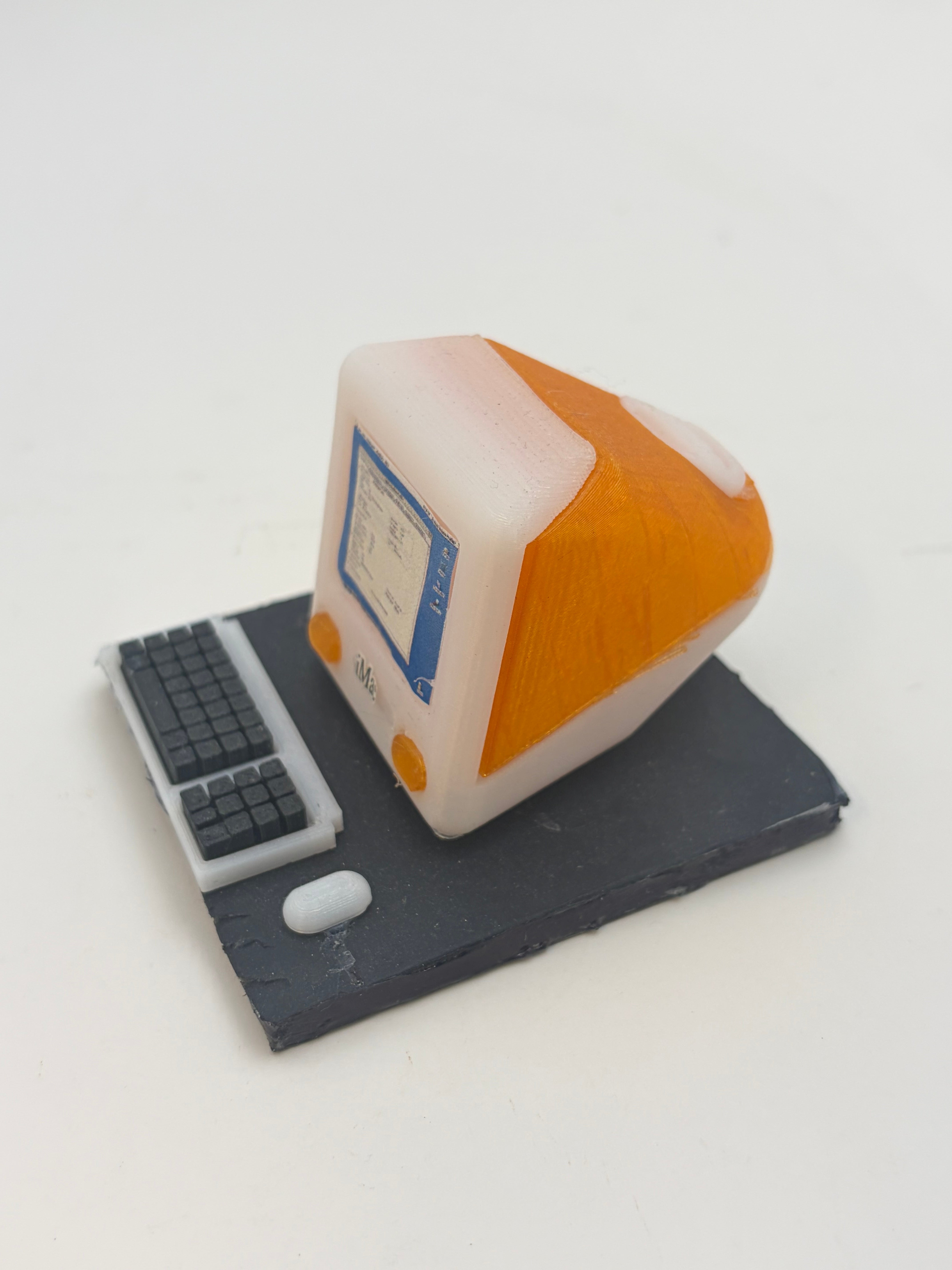
iMac G3 (1998)
The Apple iMac G3, originally released as the iMac, is a series of Macintosh personal computers that Apple Computer sold from 1998 to 2003. The iMac was Apple's first major product release under Steve Jobs. The computer was a revolutionary, all-in-one computer featuring a translucent, bond blue, 15-inch CRT design that was different from the traditional, boring beige boxes. It pioneered the glossy, aqua-themed visual, which is an early example of the Frutiger Aero aesthetic that was popularized at the time.