Students Gain Hands-On Research and Cultural Experience in Vietnam’s Mekong Delta
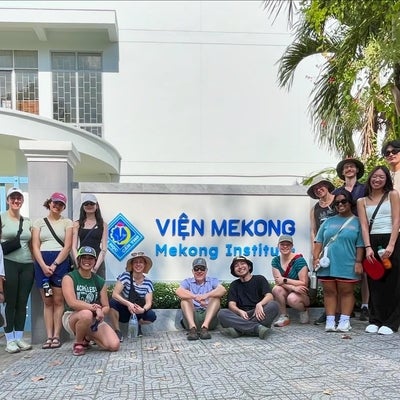
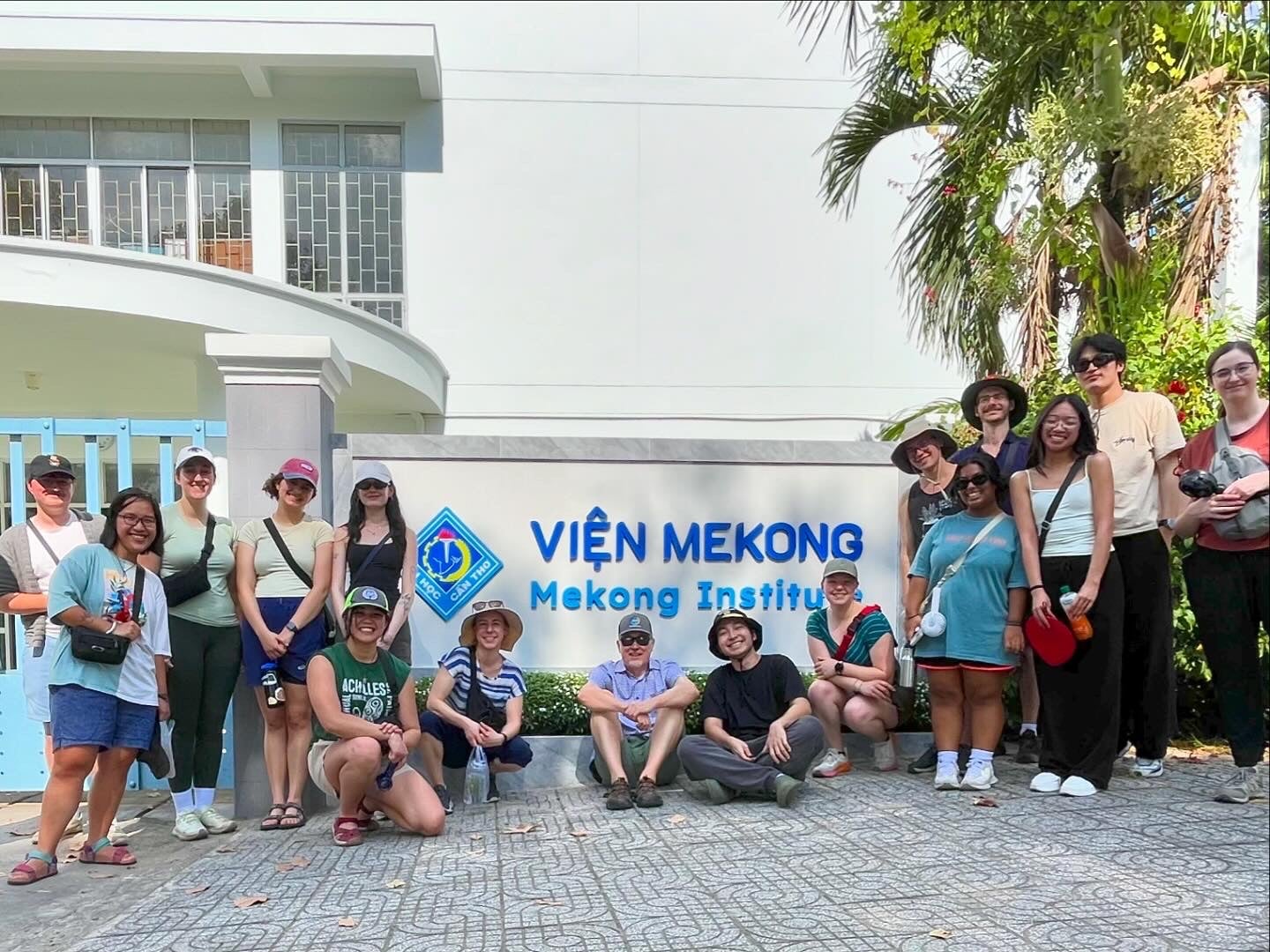
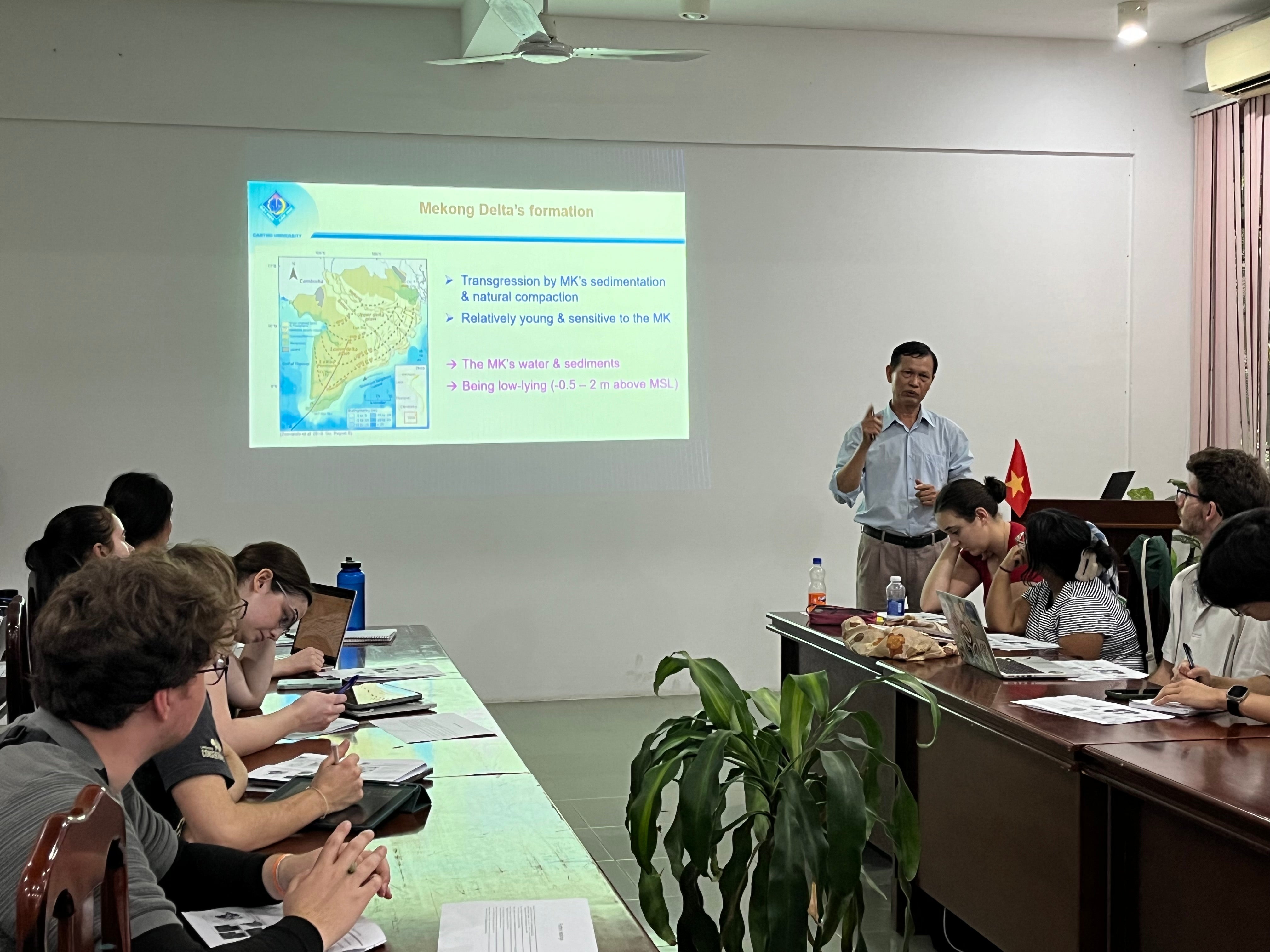
Over the winter break, students enrolled in EARTH 490: Mekong Delta Field Course, led by Professor Philippe Van Cappellen, took part in an immersive learning experience in one of the world’s largest and most fertile mega-deltas. The course combined hands-on fieldwork, laboratory training, and cultural exchange, offering students a unique opportunity to connect classroom knowledge with real-world environmental challenges.
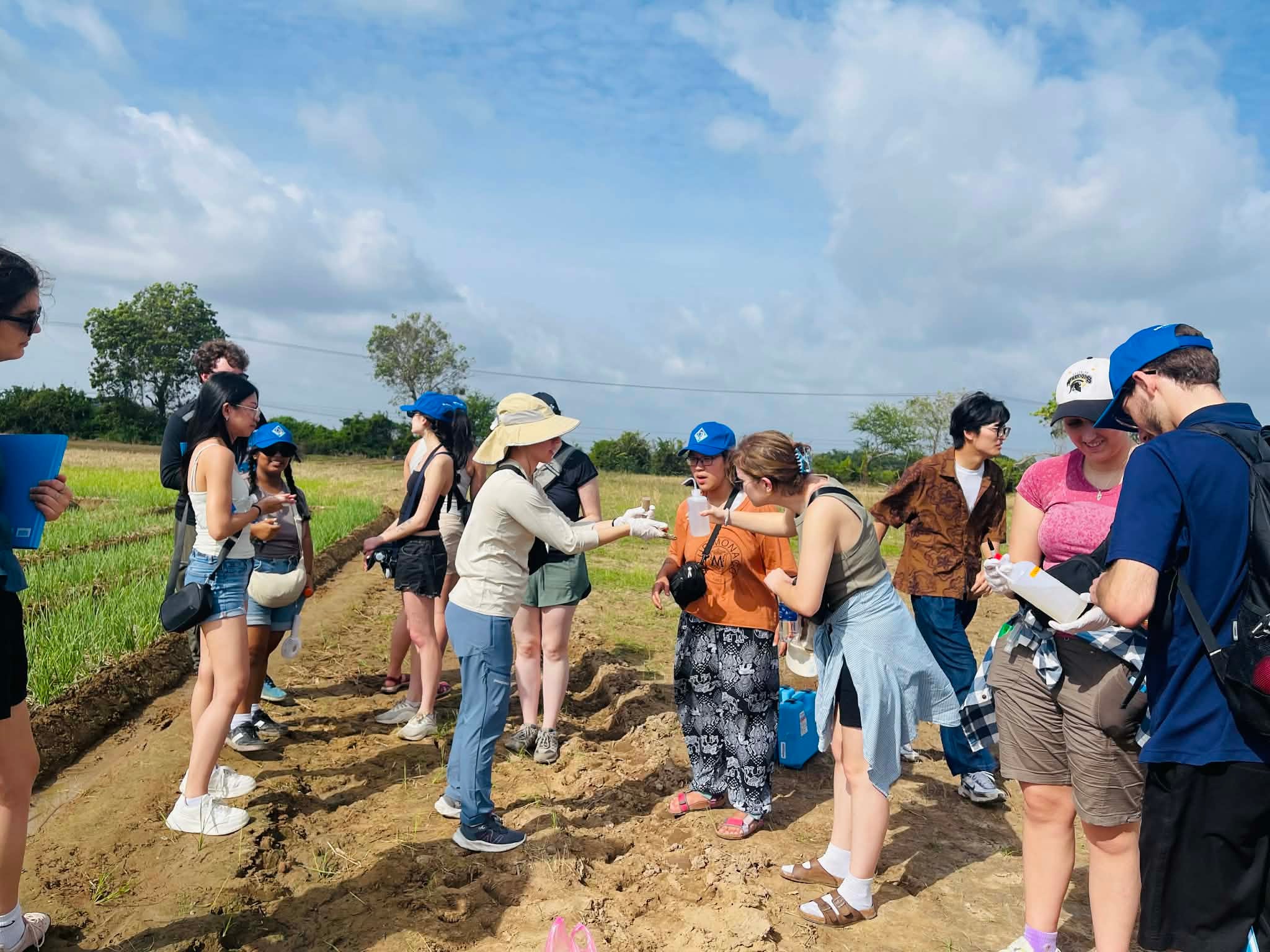
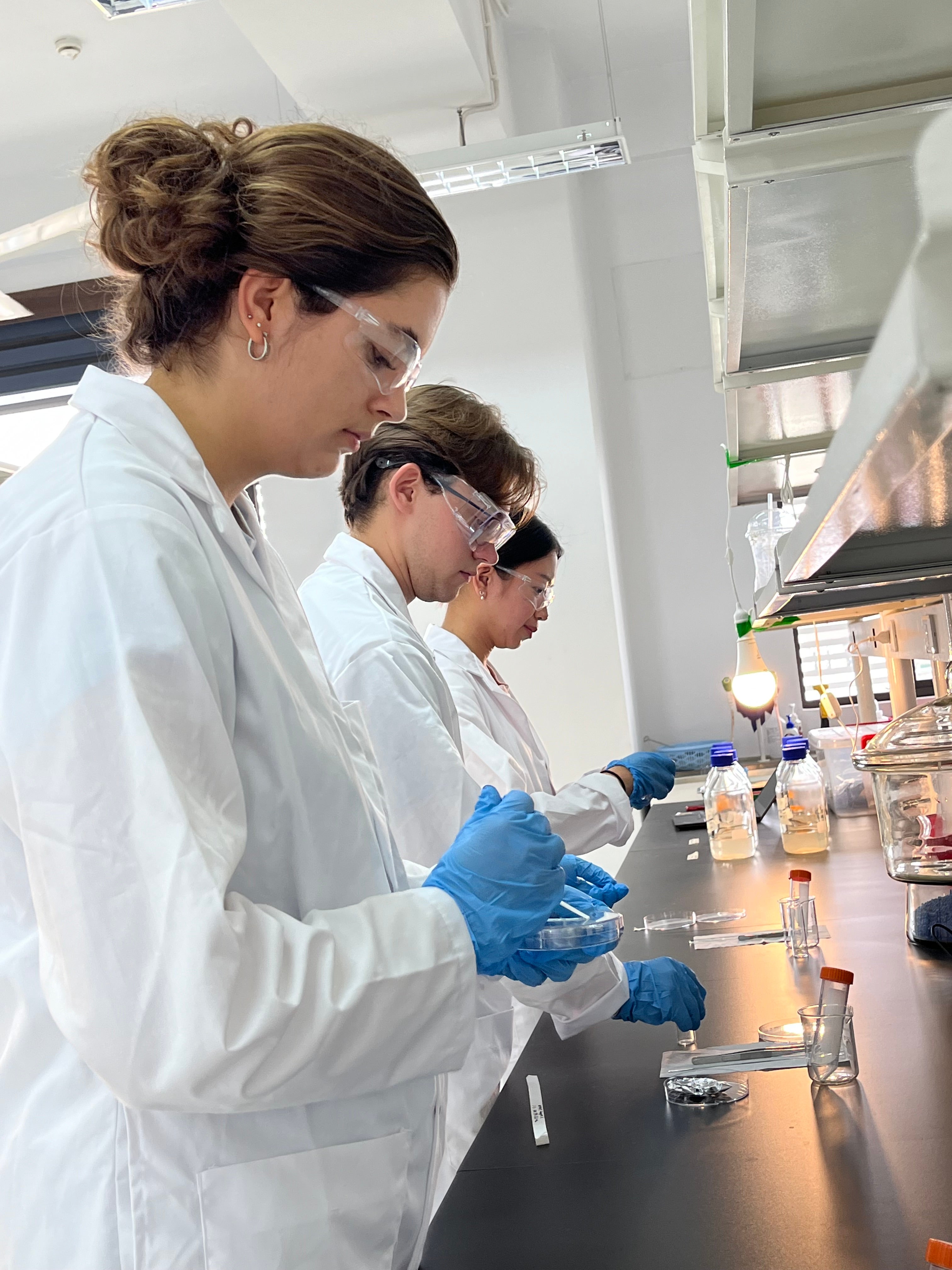
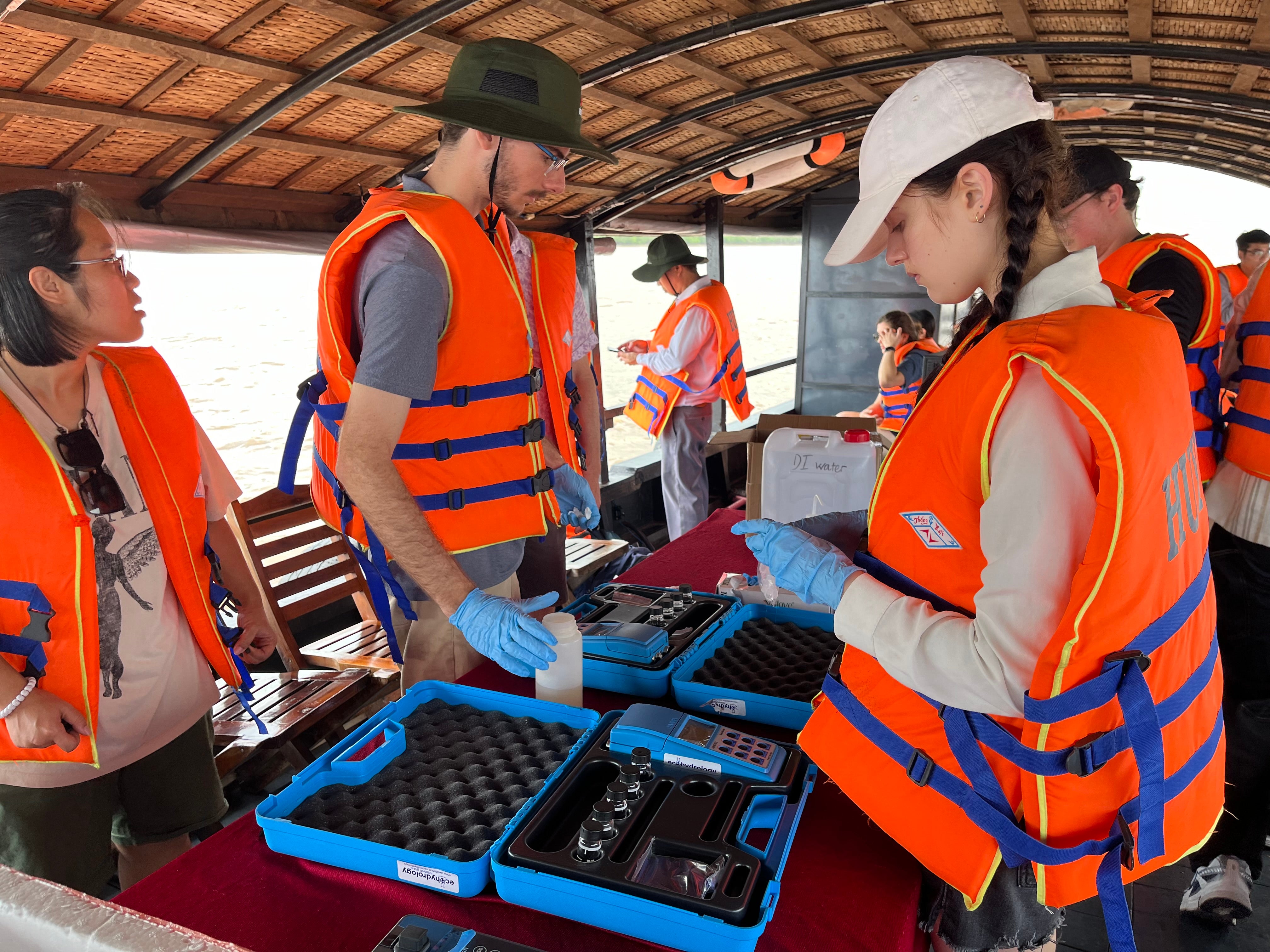
During the first week, students conducted salinity-gradient sampling along the Hau River to observe changes in salinity when going seaward. They also received laboratory training in chlorophyll-a extraction, guided by Lab Technician Hang, before deploying greenhouse gas chambers in fishponds and rice fields. Through these activities, students calculated methane and CO₂ fluxes to estimate greenhouse gas emissions from agricultural and aquaculture systems.
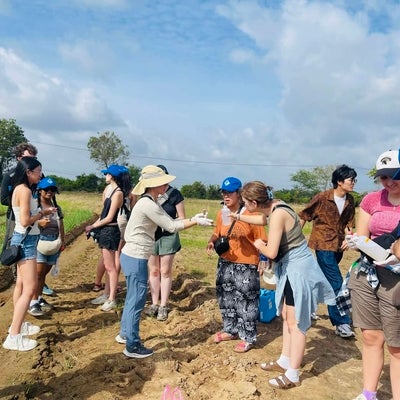
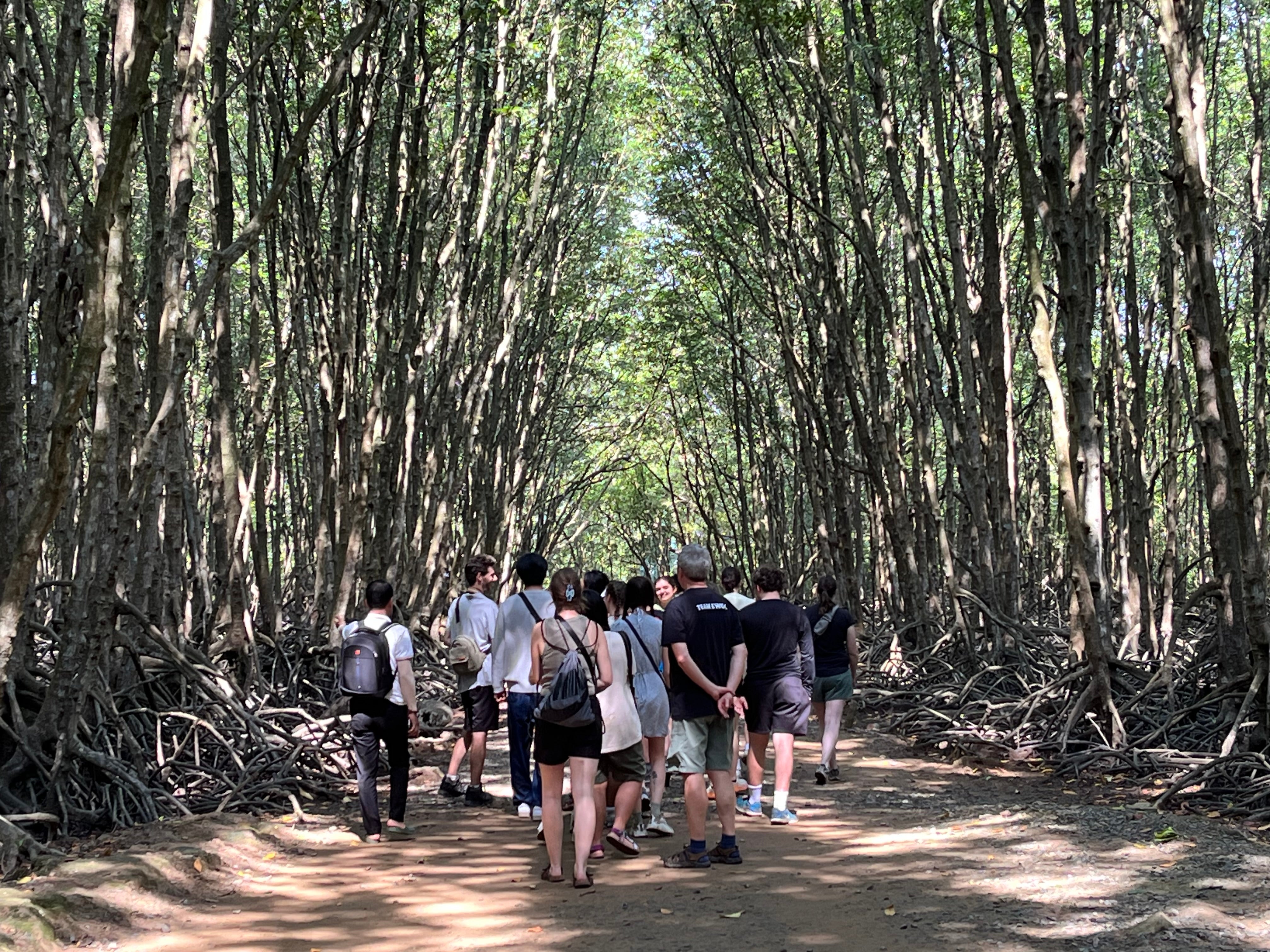
In the second week, students engaged directly with local communities by interviewing onion farmers, gaining insight into how unusually heavy rainfall, groundwater reliance, and potential climate change impacts affect farm productivity. The course concluded with a topographic survey in a mangrove forest near the delta’s estuary, allowing students to examine coastal processes and ecosystem responses to environmental change.
Beyond research, students also had the opportunity to experience Vietnamese culture and daily life, from visiting floating markets and the Can Gio Biosphere Reserve to sharing meals, exploring local cuisine, and building friendships with students at Can Tho University. These cultural experiences enriched their understanding of the region and strengthened international connections.
Overall, the field course provided students with meaningful, real-world insights into how human activities and climate change are reshaping delta environments, while fostering cross-cultural learning and collaboration. We extend our sincere thanks to our hosts at Can Tho University for their generous support and hospitality, which made this experience possible.