Overview of FaST program
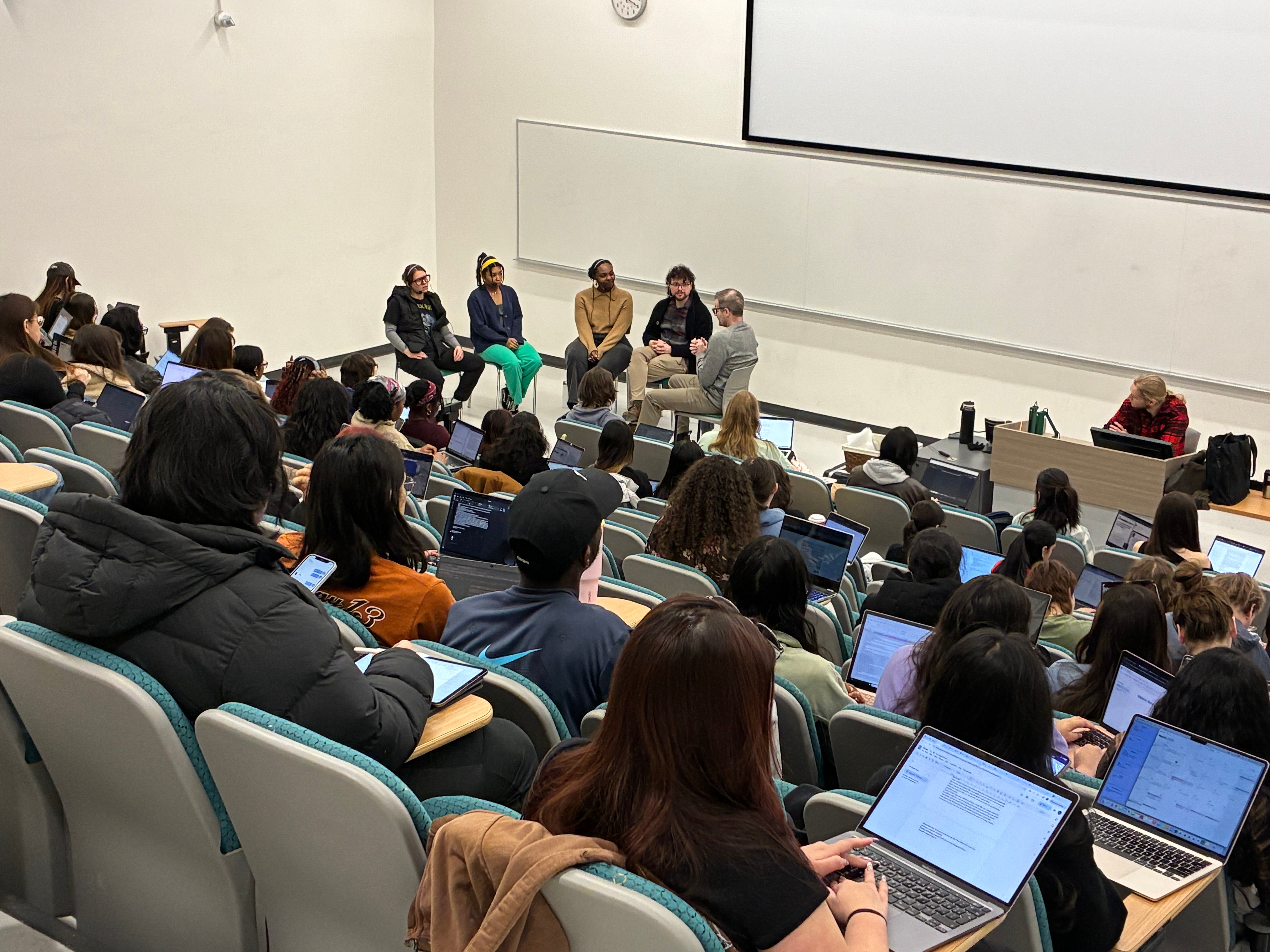
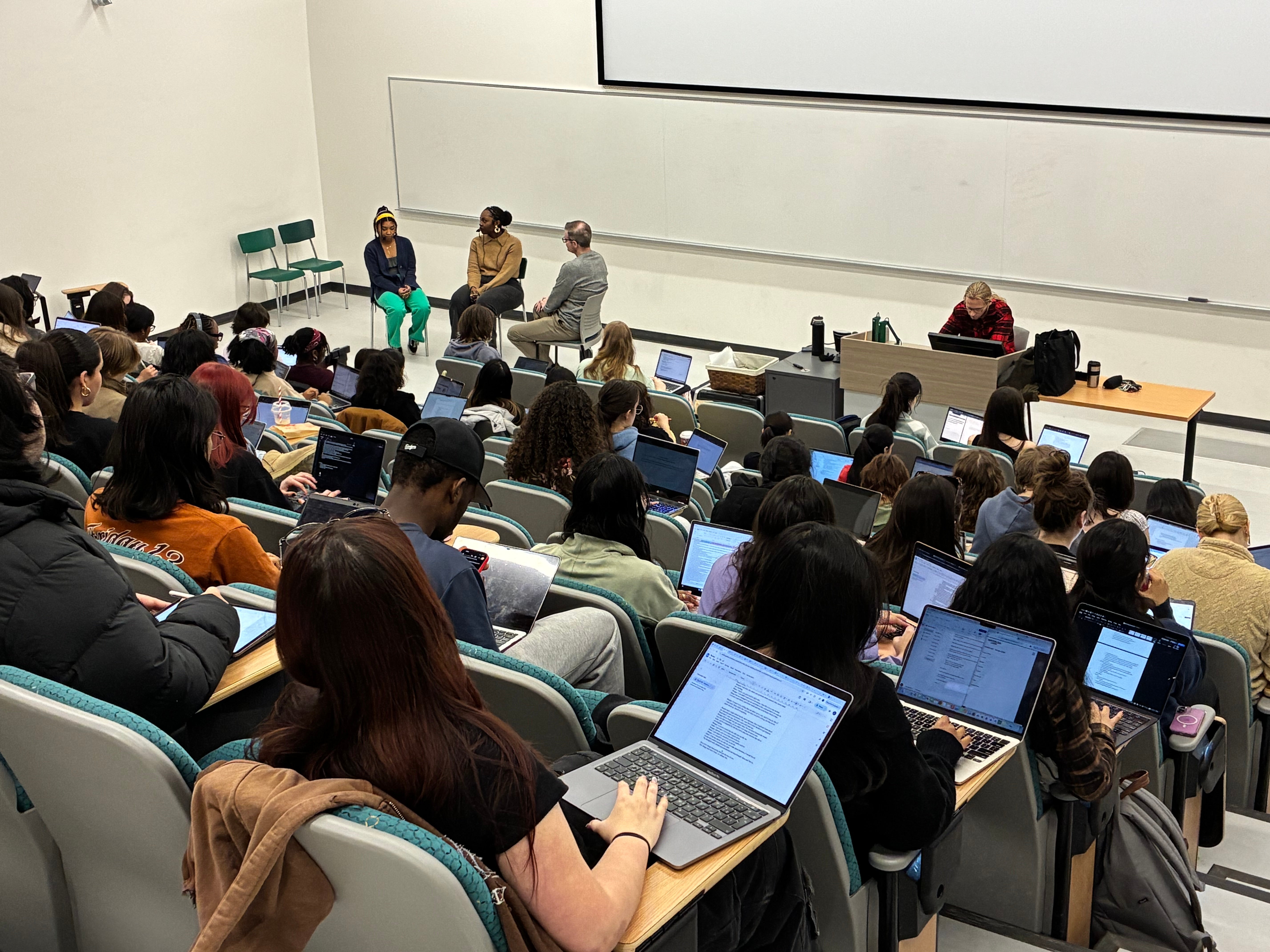
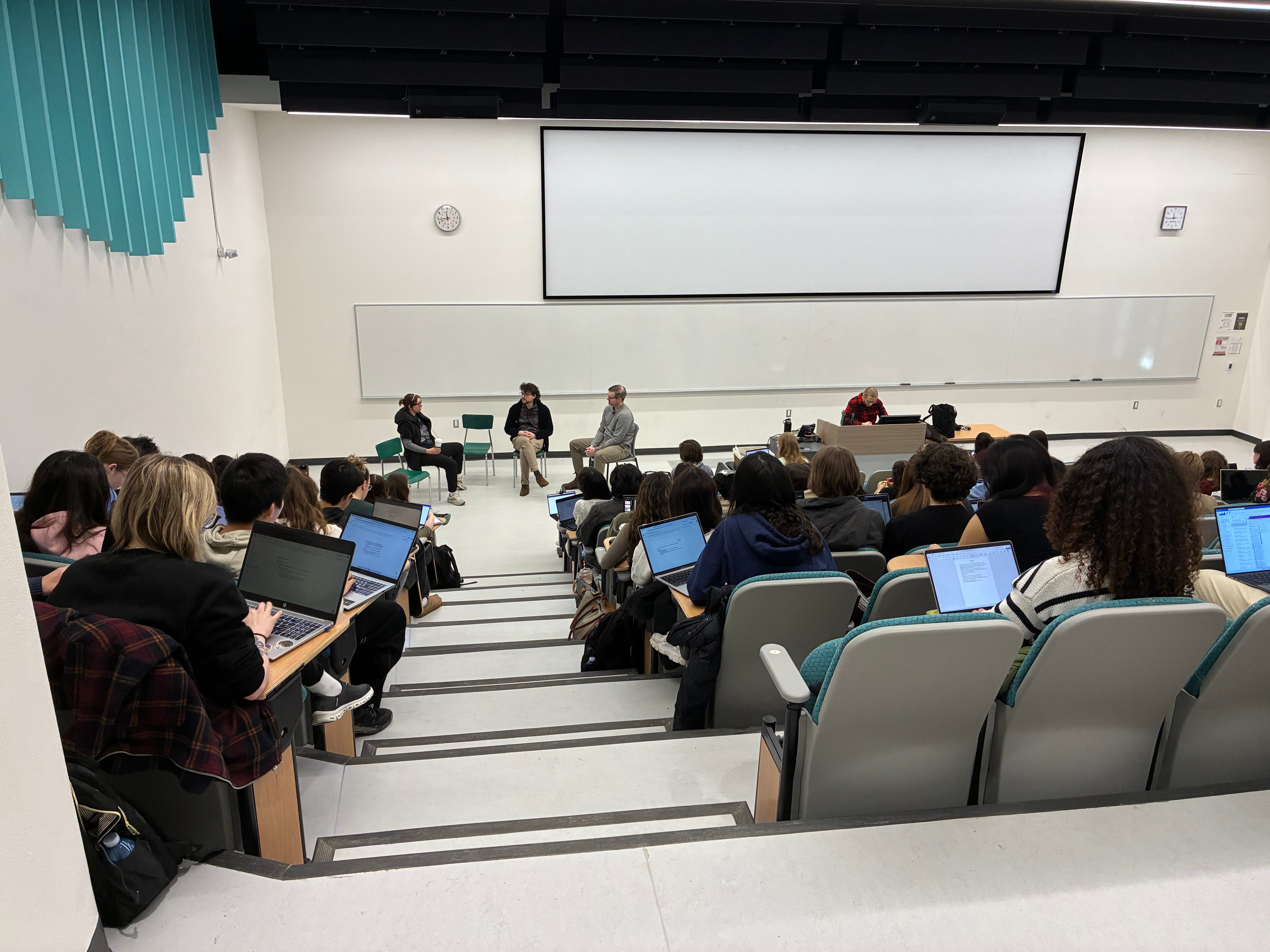
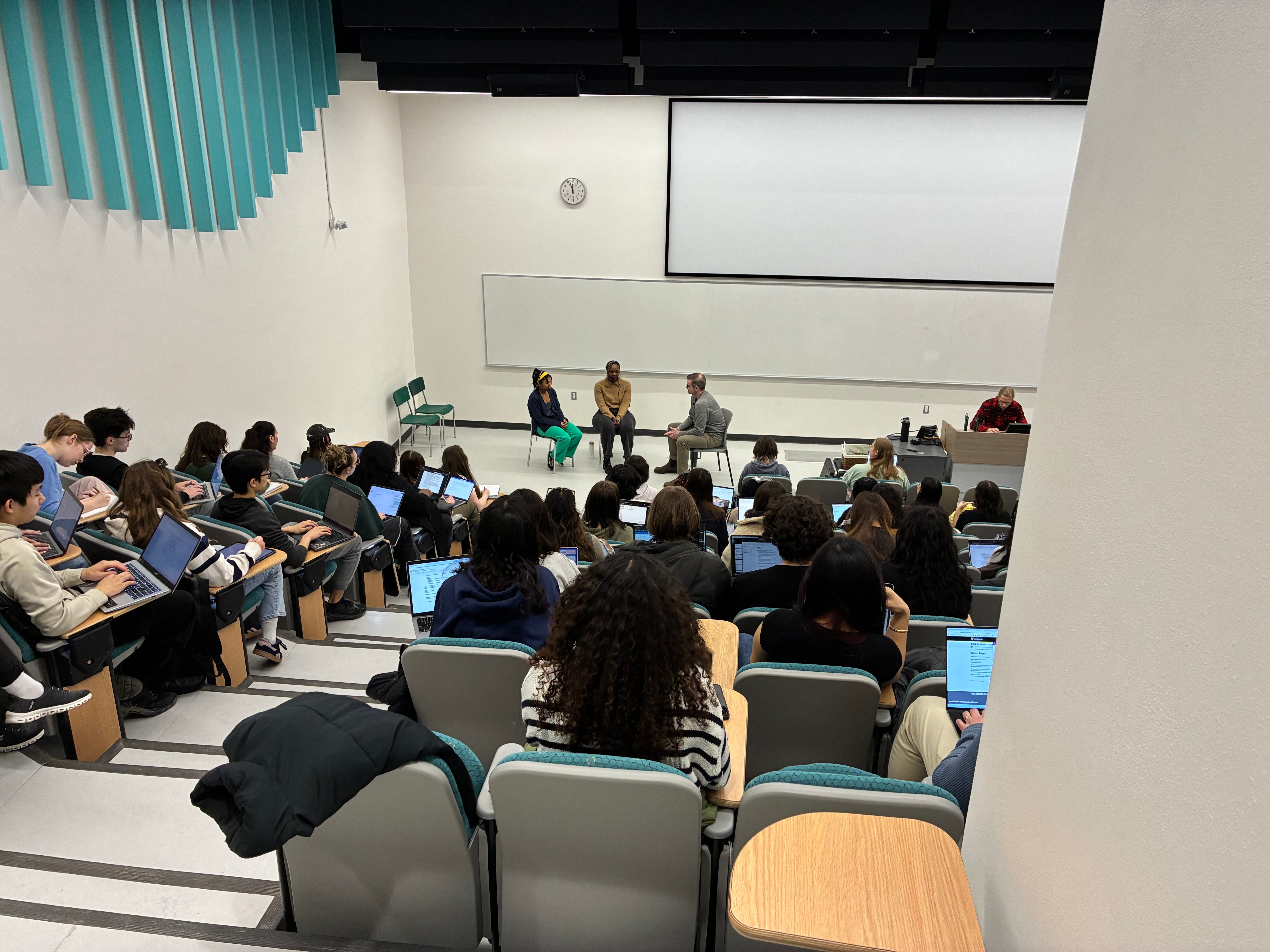
Undergraduate education in psychology and health sciences provides few opportunities for clinical exposure to family therapy and clinical work more broadly. This is unfortunate, as students are left to decide whether to pursue professional studies in mental health without having the appropriate clinical exposure needed to make informed decisions about their career pathways. To overcome these limitations, students in an interdisciplinary undergraduate course entitled Trauma, Stress and Resilience in Families, observed and studied live simulated therapy sessions, with a course instructor serving as the therapist alongside actors who had theatrically formed into a "family." Undergraduate students completed measures of self-efficacy in understanding and applying clinical concepts learned in class as well as self-report measures of physical, cognitive and emotional engagement. Overall, we found that students showed significant improvements in their physical engagement and self-efficacy understanding and applying family course content over the semester.


The Importance of Experiential Learning
Experiential learning involves the imparting of knowledge, skills and perspectives onto students through active engagement in the learning process. Numerous benefits for learning have been documented when these experiential methodologies are employed. Yet, there is presently no standard simulation-based learning opportunity for psychology and health sciences students at the University of Waterloo, particularly for undergrads and in family-related clinical work (e.g., family therapy).
This is a natural yet unfortunate phenomenon, as it is not safe, realistic, or responsible to have undergraduates interacting with persons who suffer from mental illness and family dysfunction. Thus, many of our students seek volunteer or co-op positions off campus with organizations to support their applications to “clinical” programs despite never having seen clinical work. These volunteer or work experiences are seldom incorporated meaningfully into core psychology (or allied health sciences) training, and students are left to decide whether to pursue a professional life in mental health, having virtually no exposure to mental health services (e.g., the controlled acts of psychotherapy or family therapy).
There is a significant history of "simulated patients" in medical school settings. However, the application of this methodology to family therapy has not been explored. Thus, the current partnership between the Departments of Psychology and Communication Arts and the Teaching Innovation Incubator is designed to address these limitations through a synergistic and symbiotic exercise in pedagogical innovation. Engaging acting students to form into a "family", which then facilitates real-world opportunities for undergraduate students to observe and study live simulated therapy sessions, will address this need.
Research Project Team
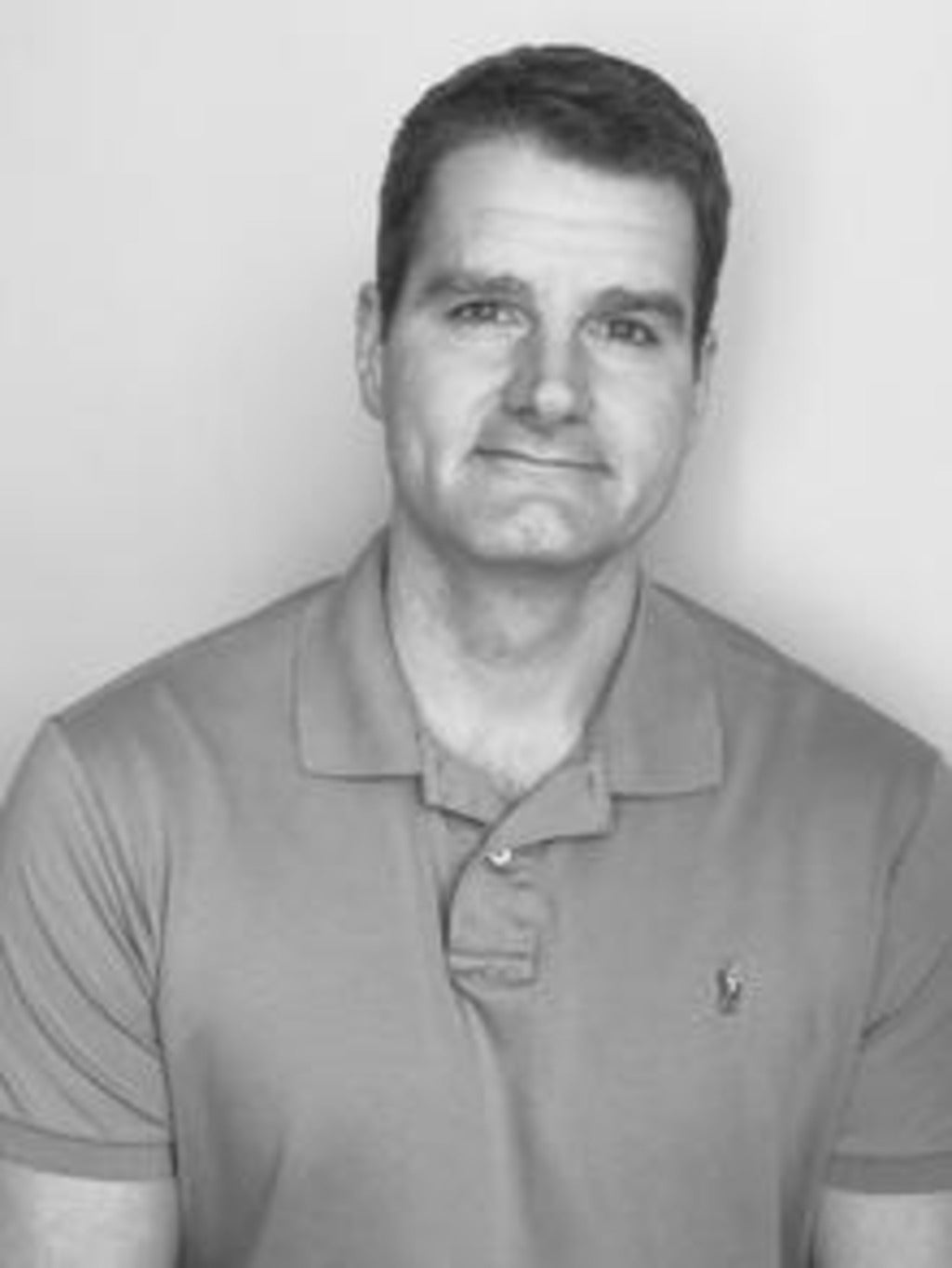
Dr. Dillon Browne
Associate Professor of Psychology (Clinical)
Tier II Canada Research Chair in Child and Family Clinical Psychology (SSHRC)

Rebecca Zehr
Creative Program Director, Family Simulation Training (FaST) program (University of Waterloo)

Katie Musleh
B.A. Hons. (University of Waterloo)

Imogen Sloss
B.A. Hons. (University of Waterloo)