SWIFT Hub: Synthetic Waterloo Intelligent Futures Technology
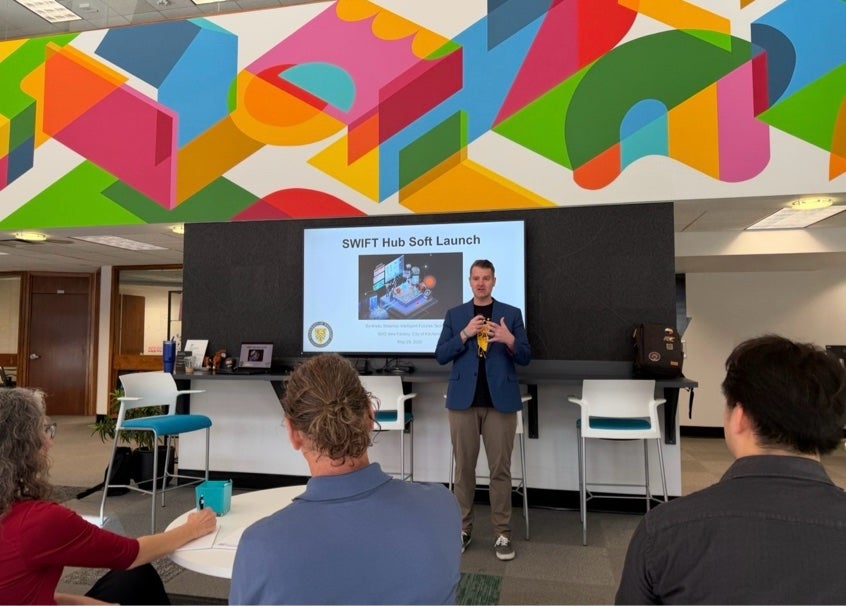
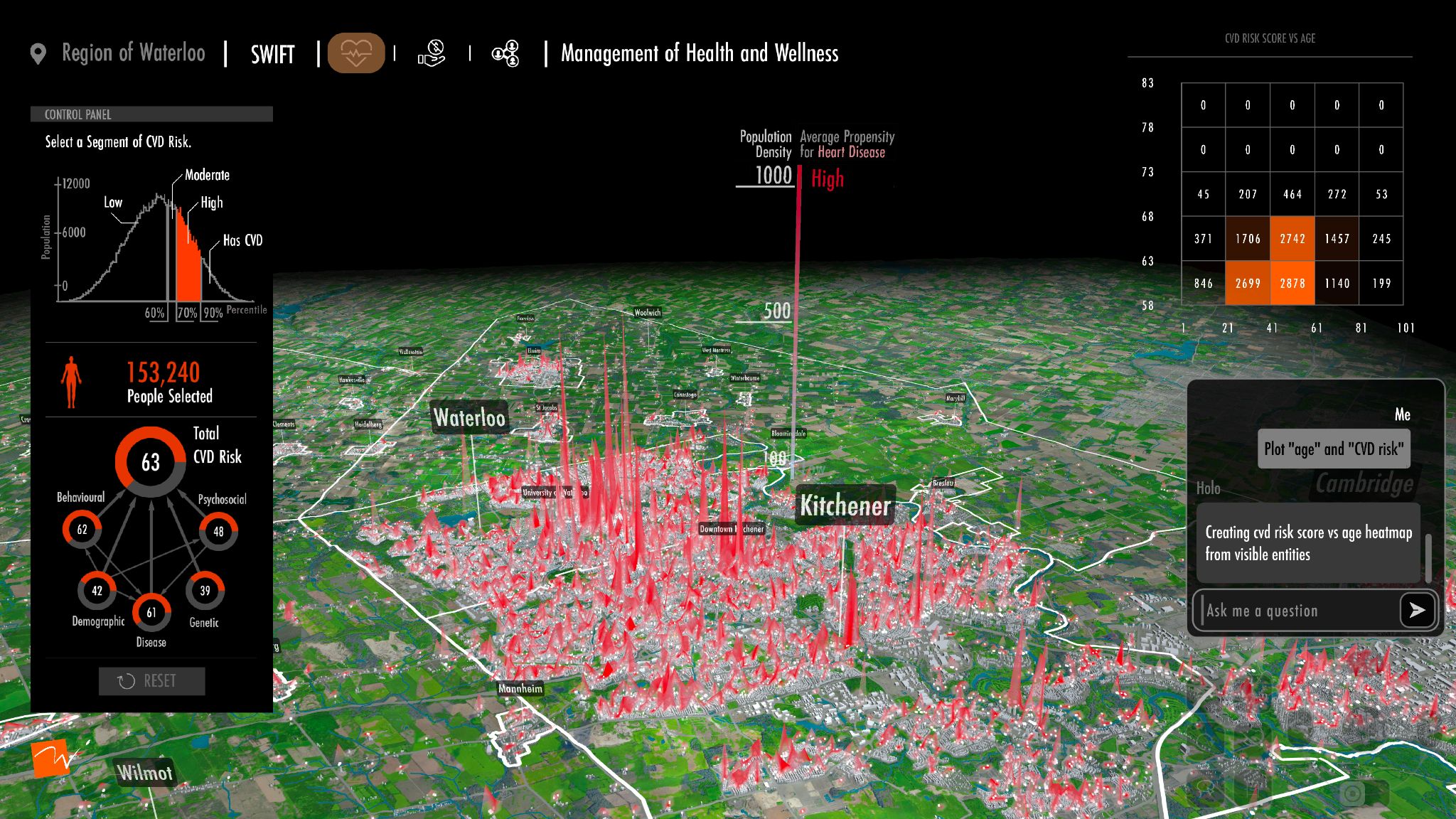
The Synthetic Waterloo Intelligent Futures Technology (SWIFT) Hub is a research and innovation platform focused on understanding and improving the complex systems that shape human wellbeing. This initiative is powered by state-of-the-art technology developed by industry leading synthetic decision intelligence company, RUNWITHIT Synthetics.
Aligned with the University of Waterloo's Global Futures vision, the SWIFT Hub combines synthetic data, digital twins, advanced analytics, and computational modelling to help researchers, policymakers, community organizations, and industry partners explore future scenarios before implementing change in the real world.
The Hub brings together expertise from health, mental health, child development, family science, housing, workforce development, education, economic systems, public policy, and sustainability. By connecting these traditionally separate domains, SWIFT supports novel approaches to addressing some of society's most pressing challenges.
Rather than viewing problems in isolation, SWIFT examines how individuals, families, communities, organizations, and systems interact over time, transforming data into actionable insights that support healthier people, stronger communities, and more resilient futures.
Why SWIFT?
Today's challenges are increasingly interconnected.
Mental health influences education and workforce participation. Housing affects health and family wellbeing. Economic conditions shape access to services, opportunities, and long-term outcomes. Yet most data systems and research approaches continue to examine these issues separately.
SWIFT was created to bridge these gaps.
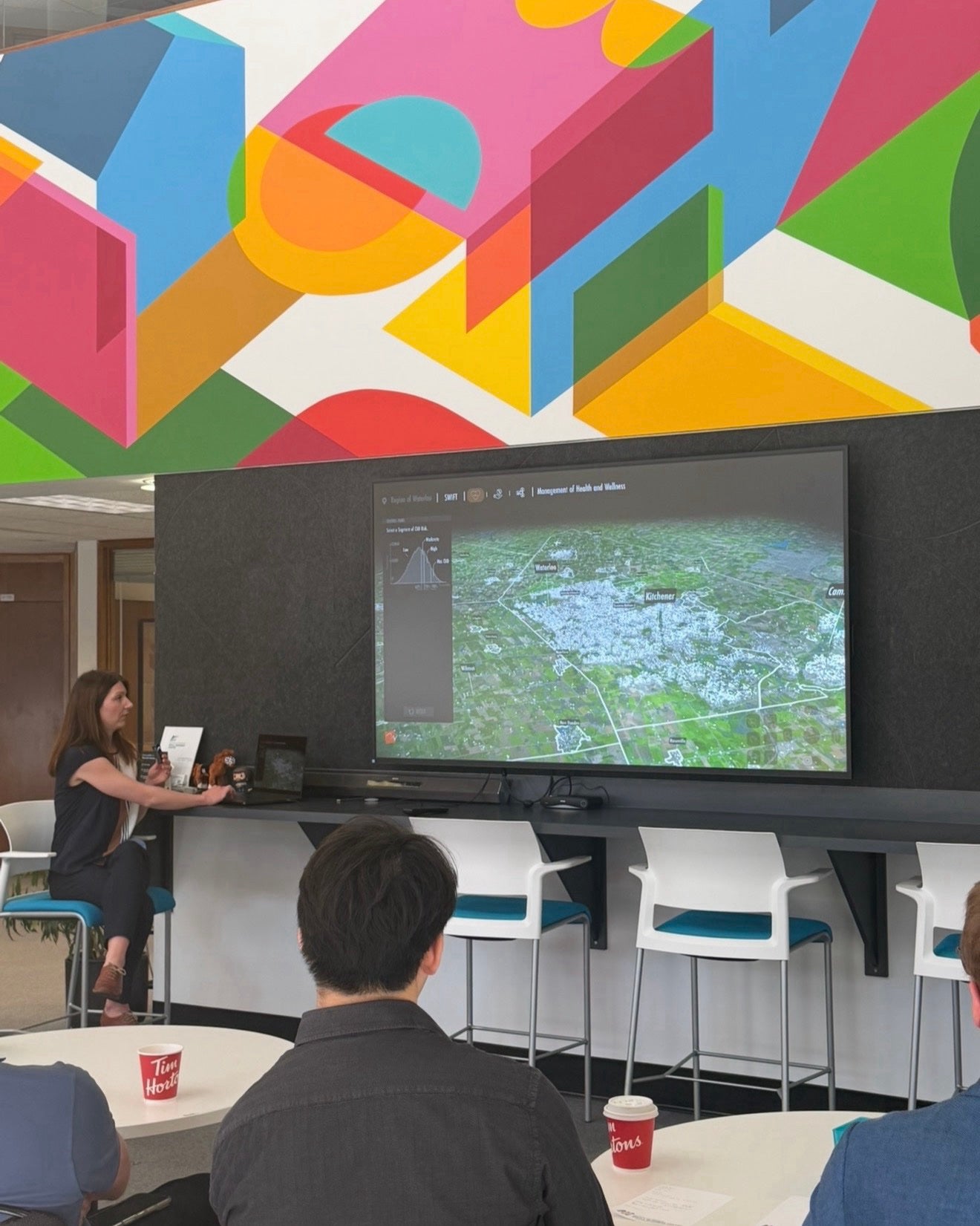
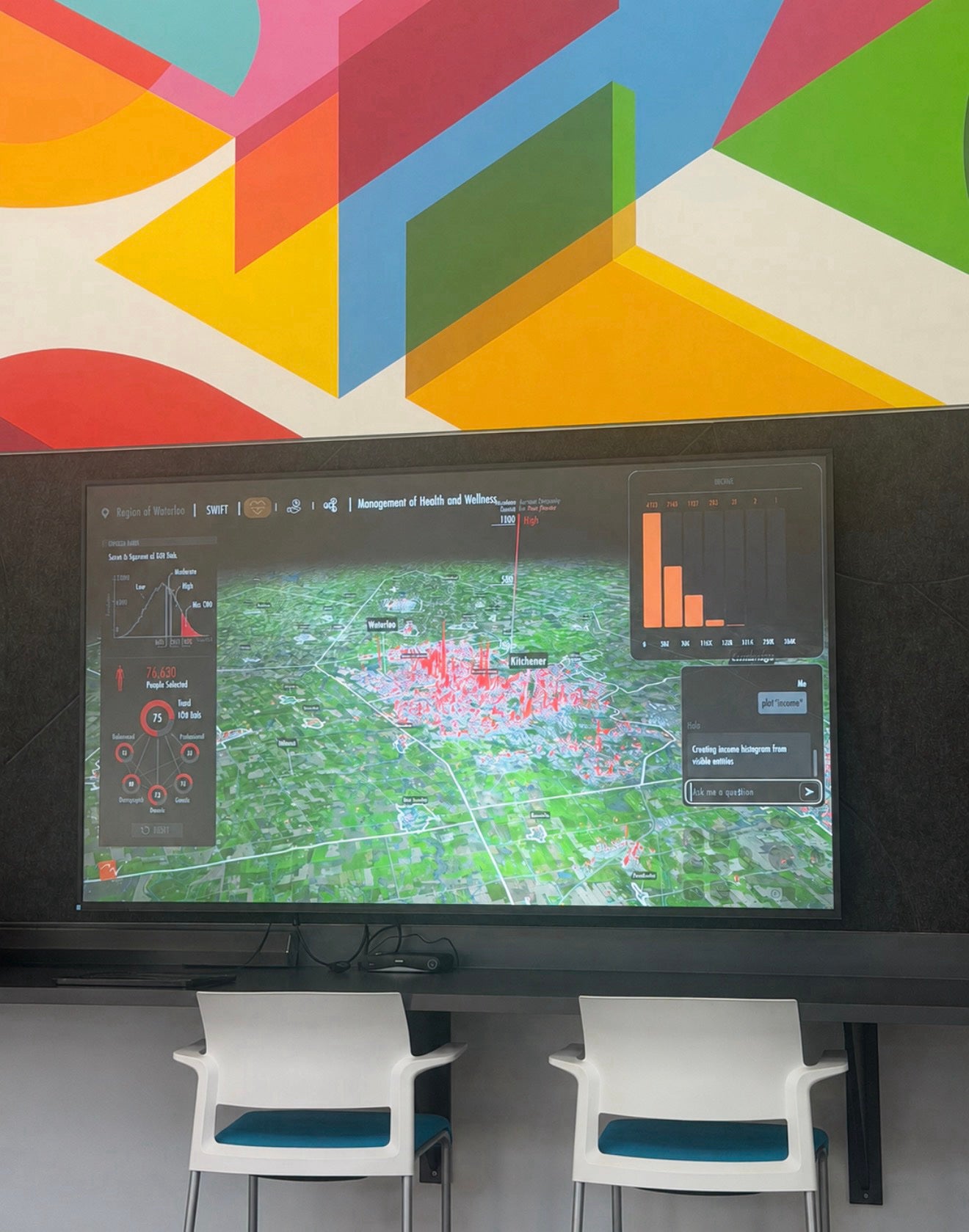
Using synthetic populations and simulation-based modeling, the Hub creates virtual environments where researchers and decision-makers can test ideas, evaluate interventions, and estimate future impacts before committing resources in practice.
This approach moves beyond asking "What happened?" to asking "What could happen?" and "What should we do next?"
What is Synthetic Data?
Synthetic data are computer-generated datasets that capture the statistical characteristics, relationships, and patterns found in real-world populations while protecting individual privacy.
Generated using methods from artificial intelligence, machine learning, computational psychology, and simulation science, synthetic data create realistic representations of individuals, families, communities, and systems without exposing identifiable information.
Synthetic datasets preserve important features of observed data, including distributions, variation, correlations, and system-level relationships. This allows researchers to conduct meaningful analyses while reducing privacy and governance barriers that often limit data access and collaboration.
A particular strength of synthetic data is the ability to improve representation across diverse populations. By integrating information from multiple sources and accounting for historically underrepresented groups, synthetic populations can provide a more complete picture of community needs and experiences.
At the SWIFT Hub, synthetic populations are generated using demographic, census, survey, administrative, and clinical data. Techniques such as Monte Carlo simulation, probabilistic modelling, generative algorithms, statistical matching, bootstrapping, and rule-based generation (among many others) are used to create realistic virtual populations that support research, forecasting, and decision-making.
These synthetic populations form the foundation of the SWIFT Hub's modelling and simulation activities.
What is Synthetic Modelling?
Synthetic modelling uses synthetic data to simulate and analyze how complex systems may behave under different conditions.
Rather than relying solely on historical trends, synthetic modelling allows researchers to explore future possibilities by testing policies, interventions, and environmental changes within virtual populations.
Because social, health, economic, and environmental systems are highly interconnected, changes in one area often create effects elsewhere. Synthetic modelling captures these relationships, helping researchers understand both intended and unintended consequences of potential decisions.
One of the most advanced applications of synthetic modelling is the development of digital twins: detailed virtual representations of individuals, families, organizations, communities, or entire populations. Digital twins can help us understand how people and systems change over time and respond to different interventions.
Researchers can then adjust key variables within the model, the "knobs and levers" of a system, to estimate outcomes under different scenarios. This capability supports precision decision-making in healthcare, human services, education, public policy, infrastructure planning, and community development.
By testing potential solutions in a virtual environment, synthetic modelling helps organizations identify promising strategies, anticipate risks, and make more informed decisions before implementing change in the real world.
Research and Innovation Areas
Mental Health and Wellbeing
Modelling pathways into and out of mental health challenges across childhood, adolescence, and adulthood, while evaluating prevention, intervention, and service delivery strategies.
Families and Child Development
Understanding how family relationships, caregiving environments, social supports, and community conditions shape developmental outcomes and lifelong wellbeing.
Housing and Community Systems
Examining how housing availability, affordability, neighbourhood characteristics, and social infrastructure influence health, resilience, and quality of life.
Workforce and Economic Development
Exploring workforce transitions, skills development, labour market dynamics, and economic conditions that support thriving communities.
Health Systems and Service Delivery
Modelling healthcare utilization, service integration, access to care, and resource allocation to improve outcomes and system efficiency.
Sustainability and Future Communities
Investigating how environmental change, sustainability initiatives, and emerging social trends may influence future population wellbeing and community resilience.
Partnerships
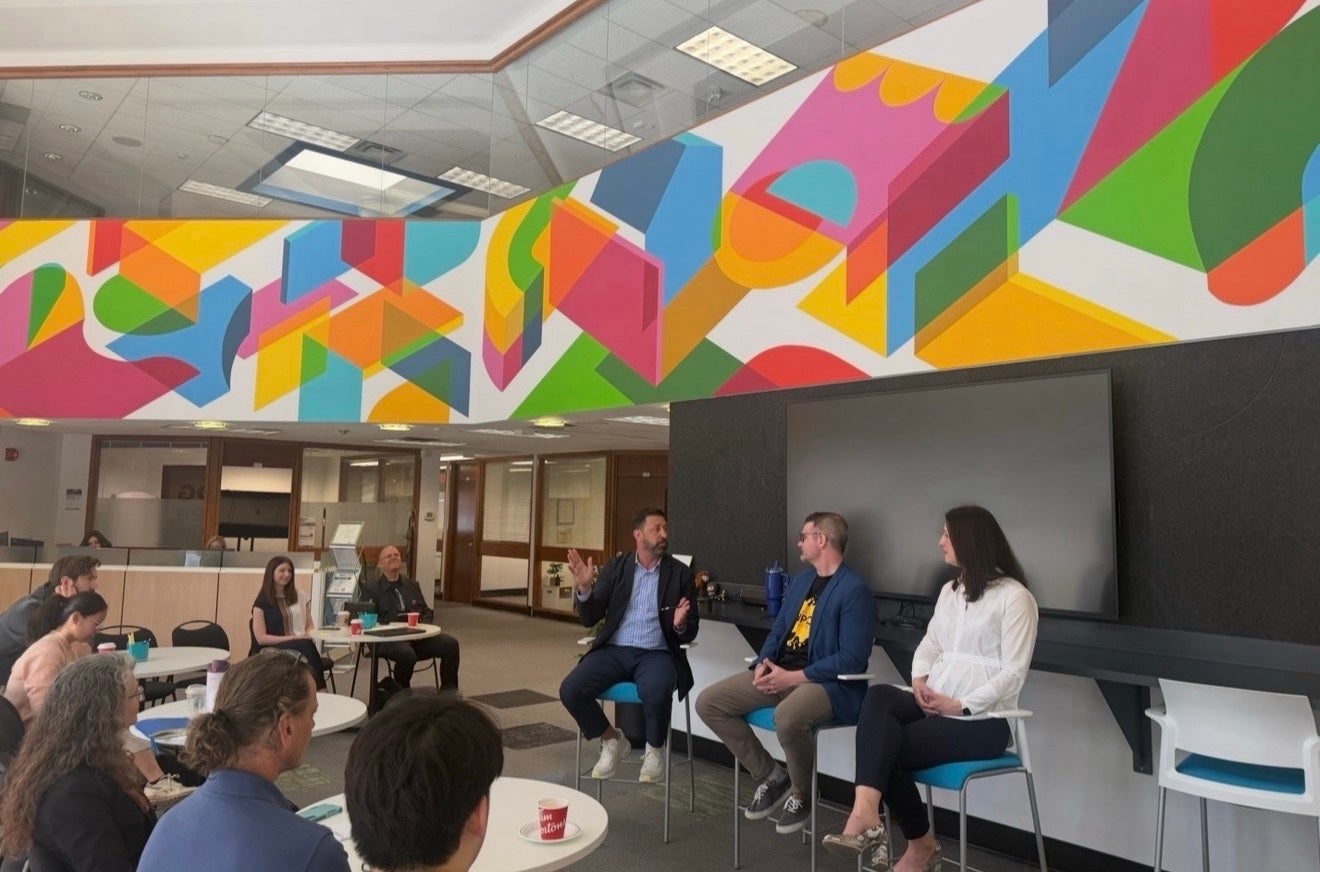
The SWIFT Hub is built upon collaboration across academia, government, industry, healthcare, education, and community organizations.
Through these partnerships, the Hub develops synthetic populations, digital twins, and simulation models that bridge research and practice, helping stakeholders understand complex systems, test innovative solutions, and make more informed decisions.
Founding partners include RUNWITHIT Synthetics, the Children & Youth Planning Table of Waterloo Region, the Future Cities Institute (Faculty of Environment), and the Professional Practice Centre in Health Systems (Faculty of Health).
Looking Ahead
The future will be shaped by the decisions we make today.
By combining synthetic data, digital twins, advanced analytics, and interdisciplinary collaboration, the SWIFT Hub provides a platform for understanding complex societal challenges and exploring evidence-informed pathways toward healthier, more equitable, and more sustainable futures.
Through this work, SWIFT contributes to a growing global movement that seeks not only to understand the future, but to actively design it.