Glocal: How MPACS students brought their local experiences abroad
In October, Master of Peace and Conflict Studies (MPACS) students participated in an MPACS Internship Symposium hosted by the PACS Department. Eager to share lessons learned with fellow MPACS students, Grebel faculty and staff, Emilie, Theresa, and Quinn reflected on the highlights and challenges they faced during their internships abroad.
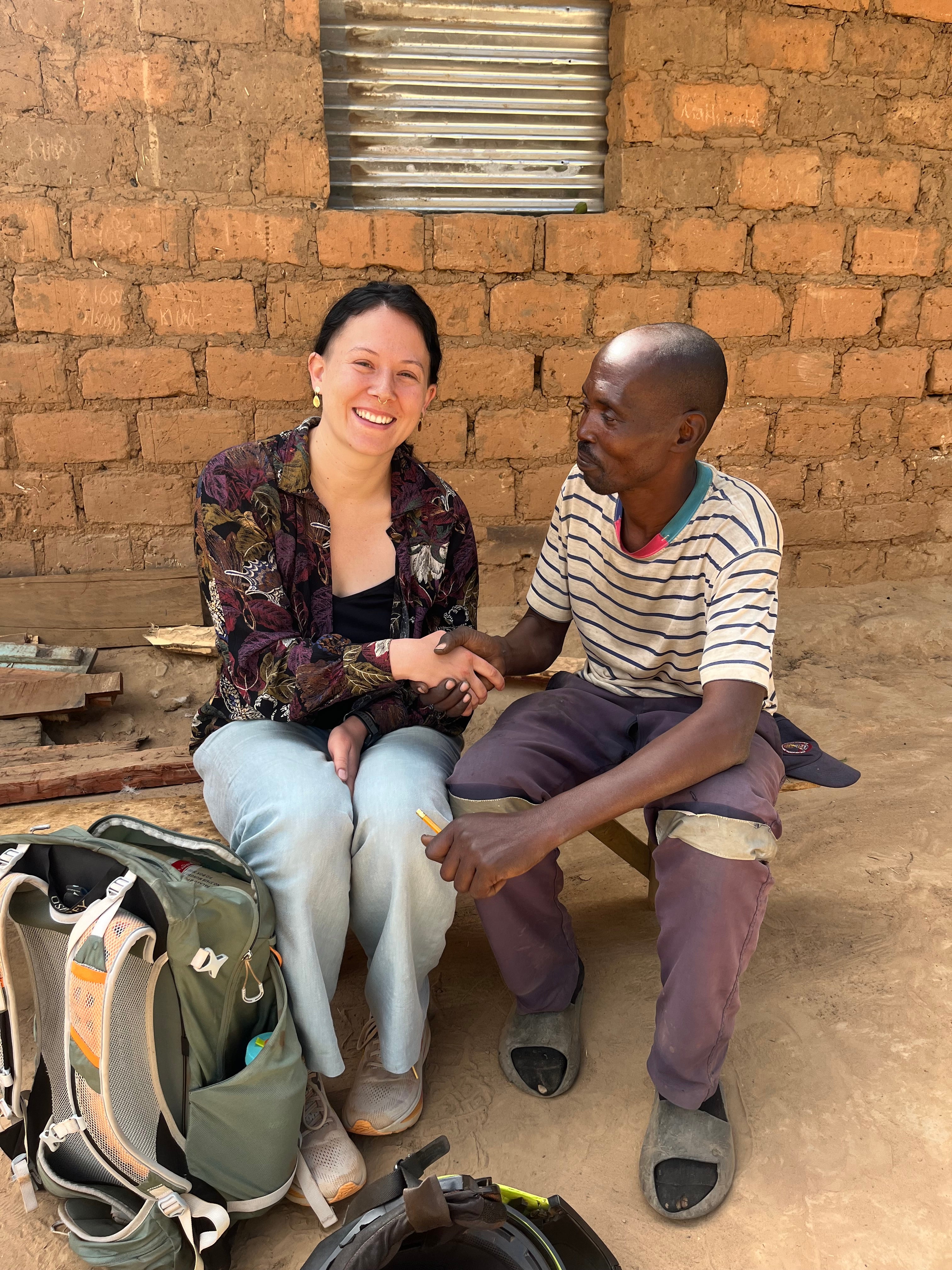
Emilie Szekely:
Emilie Szekely is approaching her final semester in the MPACS program. Last summer, she worked as a Peace and Conflict Analyst intern with Brave Heart Foundation, a Christian non-profit organization that is partly funded by Mennonite Central Committee (MCC). Based in Zambia, Brave Heart Foundation aims to strengthen, serve, and protect refugees through humanitarian assistance as well as long-term peacebuilding initiatives.
In this role, Emilie spearheaded research to inform Brave Heart’s next peace project. She conducted key informant interviews, focus group discussions, and surveys. Later, Emilie processed and analyzed the data to write a final report on the research findings as well as a concept note for a peace project geared to address conflict in the home and related issues of substance abuse.
Reflecting on her internship, Emilie noted that plans are often subject to change when engaged in peacebuilding work, and it is critical to adjust to change and approach obstacles with confidence. By centering reflection and learning to accept (and even embrace) what you cannot control, Emilie found her internship to be valuable in getting experience in research in the peace and conflict field.
Theresa Strutt:
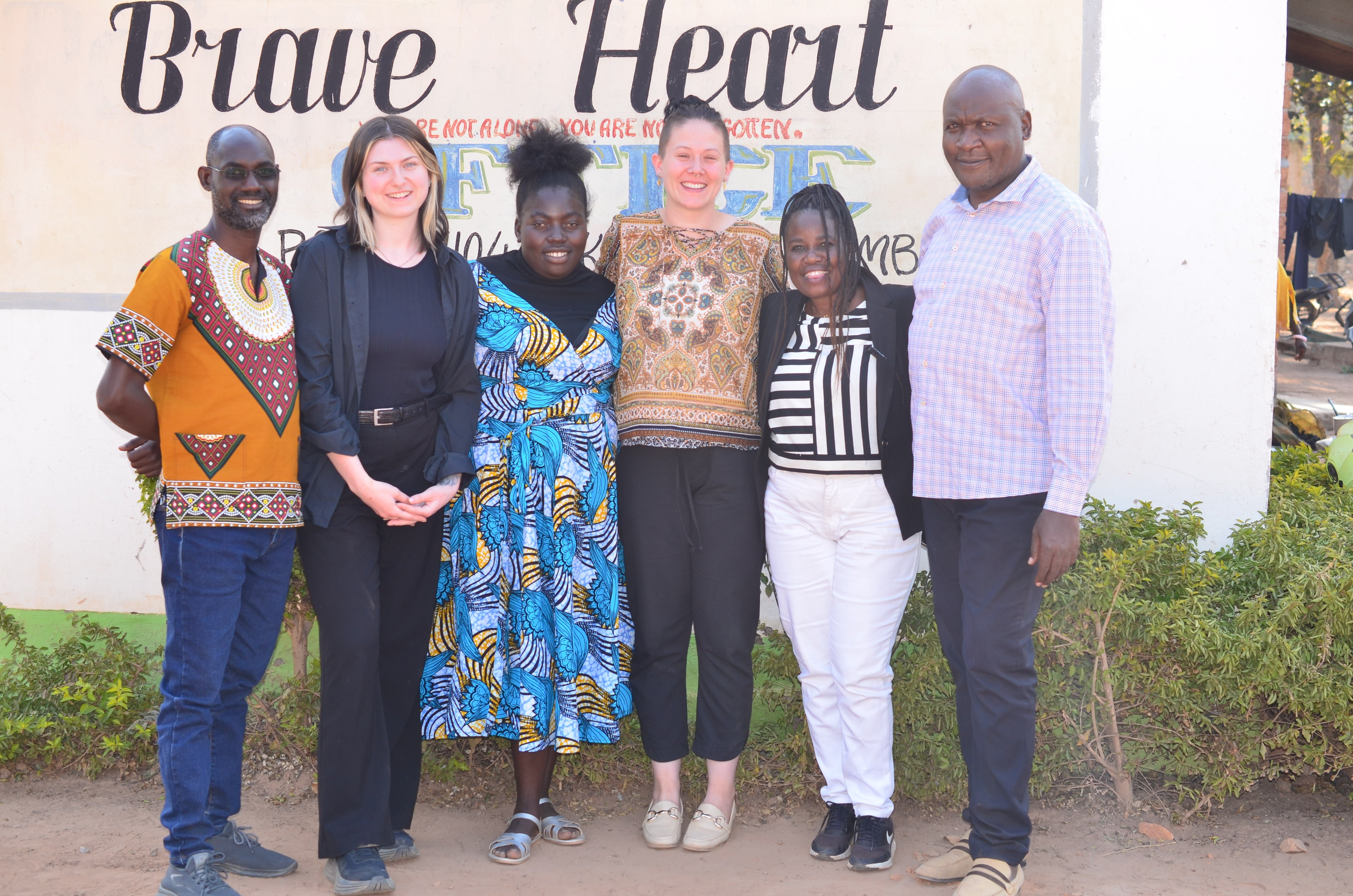
Theresa Strutt spent her summer working with the Brave Heart Foundation alongside Emilie in Zambia. With the foundation, she was a Gender-Based Violence (GBV) Prevention Project Coordinator (intern). In her role, she supported a gender-based violence prevention project funded by MCC. This dialogue-based project worked to combat and advocate against gender-based violence through training, information sessions, and mediation.
As someone interested in gender-based violence and how it intersects with colonialism, Theresa monitored and evaluated the program, drafted work plans, project schedules, and meeting agendas. Theresa also facilitated pre-workshop and post-workshop surveys and wrote reports for the project.
Through this internship, Theresa discovered how monitoring, evaluation, and aspects like funder dynamics work in practice. She also found the significance of healing trauma through inner peace work; something she worked to integrate into her projects. In peacebuilding, Theresa believes it is important to be agile and “make things work” with few resources. She also believed in the importance of listening and collaborating with others to achieve a collective social and organizational goal.
Quinn Hunt:
Quinn Hunt spent her MPACS internship working with the Calais Food Collective in Calais, France, supporting those living in displacement. The settlement sites in Calais face issues like the absence of public drinking water, walls, and physical barriers to site entry, and state interventions. The Food Collective advocates for and assists in food and water autonomy.
As a member of the Grounds Team, Quinn brought food to six living sites and distributed around 600,000 liters of water to 13 sites. Alongside the food and water project, the advocacy project provided Quinn with an opportunity to observe court cases and initiatives related to waste management on the sites.
Now Quinn plans welfare events remotely with the Safeguarding and Wellness Committee to internally boost Collective morale. Throughout Quinn’s internship, she learned the importance of mediation during conflict and how to “take a step back because you can’t solve everything.” Quinn looks forward to further involvement in humanitarian aid, food security, and peacebuilding within the Calais Food Collective and Calais settlement sites.
The MPACS internship program provides students with an opportunity to advance personal and professional development through scholarly reflection and on-the-ground experiences. The internship, whether local or abroad, can help students apply their education and skills into everyday roles and uncover intriguing career opportunities. Prospective students interested in learning more about MPACS internships are encouraged to contact the Graduate Coordinator.
By: Samira Abdillahi