Designing with intention
MDEI student Taran Kandhola turns data into human-centered experiences
For Taran Kandhola (she/her), a student in the Master of Digital Experience Innovation (MDEI) program, the path into digital product work began not with design, but with data.
Currently working as a Digital Product Analyst with the Canadian Olympic Committee, Kandhola spends her days translating complex engagement data into insights that shape digital platforms. But her journey into this work reflects something deeper; a shift from analyzing numbers to understanding people.
“I realized I was becoming much more interested in the people behind the numbers than the numbers themselves,” she says.
Before joining the Stratford School, Kandhola was already working in digital analytics. While she enjoyed the strategic side of her work, she found herself questioning the design of the very platforms she was analyzing. That curiosity led her to MDEI, where she set out to bridge the gap between data and design.
“I wanted to understand how to actually build those interfaces,” she explains. “Not just report on them.”
That perspective quickly evolved during her first term. A defining realization came when she began to see design not as something limited to screens, but as something embedded in everyday life.
“I started noticing that everything from the curve of a car door to the way headphones fit was a deliberate choice,” she says. “I saw that the most successful products in our lives aren't just the ones that look good; they're the ones meticulously crafted to reduce our stress and make our day-to-day movements feel effortless.”
This shift fundamentally changed how she approaches her work. Whether analyzing data or contributing to digital product development, Kandhola now frames her thinking around the user experience.
“I stopped seeing products as tools and started seeing them as environments,” she says. “I ask myself: is this making someone’s life simpler, or am I just adding to the noise?”
In her role, that mindset shows up through storytelling and design thinking; two skills that she credits to her time in MDEI. Rather than simply presenting metrics, she focuses on what those numbers mean for real people.
"Data is useless if it doesn’t tell a human story. I’m not just sharing stats; I’m trying to move people toward a decision."
This approach also shapes how she collaborates. One of her most impactful learning experiences came during a cross-disciplinary workshop, where students from technical and design backgrounds worked together under pressure.
“That friction is where the best ideas came from,” she says. “We weren’t just building a tool that worked; we were building something that felt intuitive.”
Beyond her professional role, Kandhola has also applied these principles to personal projects. One example is ActuarySim, an interactive tool designed to help students better understand complex insurance mathematics. By transforming static content into an exploratory experience, the project reflects her commitment to making technical information more accessible.
“Before ActuarySim, students were often stuck memorizing formulas from textbooks or wrestling with static data. By designing a web application specifically for them, I shifted the experience from passive reading to active exploration, and from confusion to clarity. Instead of just reading about a 'collective risk model,' students could actually manipulate variables and see the impact in real-time.”
For Kandhola, success is often subtle. It’s not about recognition or scale, but about clarity.
“It’s when someone uses something I’ve designed and doesn’t hesitate,” she says. “When the experience is so intuitive, it disappears.”
Looking ahead, she sees her role, whether in analytics or design, as a bridge between complexity and understanding.
“I’m taking something complicated and making it human,” she says. “If I can help someone save time or reduce frustration, that’s meaningful.”
Her advice for others interested in similar work is simple: start paying attention.
“Next time you use an app or a tool that frustrates you, don’t just get frustrated. Stop and ask yourself why it’s failing you.” Kandhola says. “Once you start noticing the gap between what a product does and what a human actually needs, you’ve already taken the first step toward becoming a designer!”
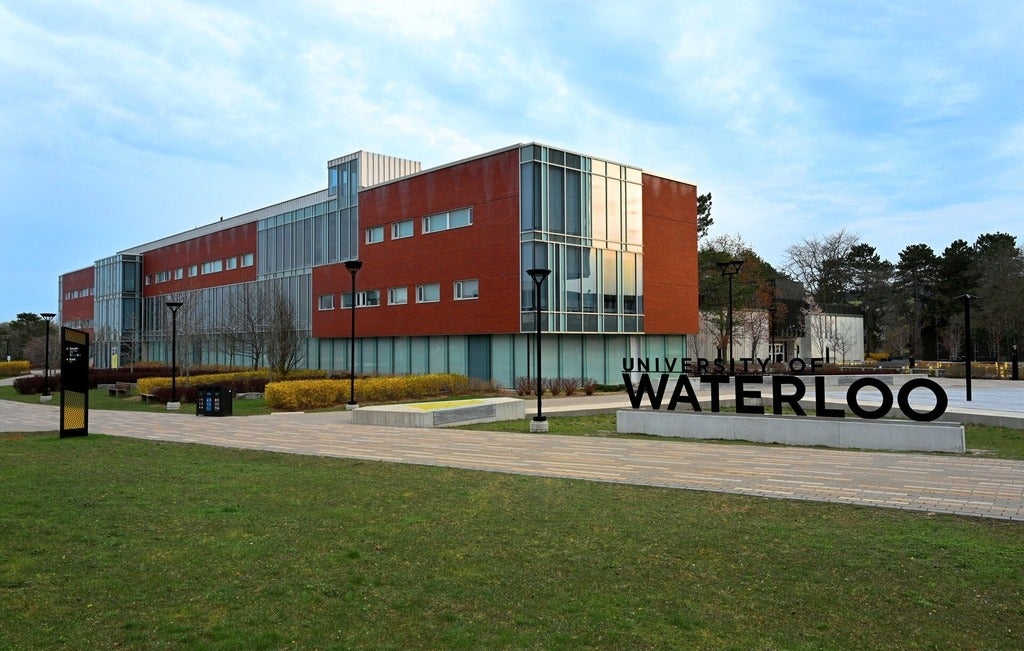
Banner image: Adai Tran