Remembrance Day: Uncovering my grandfather’s story of war
The long night in a lifeboat on the Atlantic Ocean
Geoff Keelan is an archivist at Library and Archives Canada.

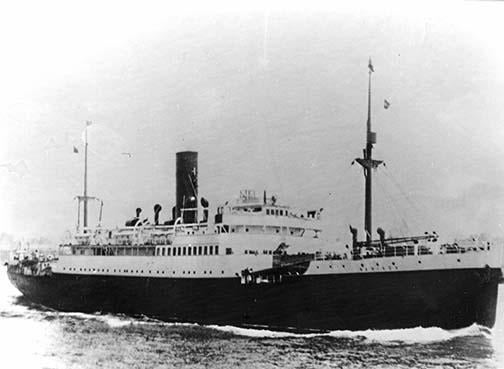
On board was a 21-year-old RCMP officer, my grandfather Gerry Keelan.
Nine days and 4,000 kilometers later, my grandfather and some of his fellow officers were finishing a game of bridge around midnight when a terrific blast threw them out of their chairs.
Thankfully, my grandfather’s cabin was the last one on the stern which meant he and his cabin mates were able to jump in a nearby lifeboat.
From this lifeboat, they spotted a Nazi submarine just 15 meters away. Then a second and third torpedo passed under their lifeboat, hitting the Nerissa at the same time — tearing the ship in two and sinking it within seconds.
Baling water in a leaking lifeboat
For the next nine hours, it rained as my grandfather and the other conscious survivors baled water from their leaking lifeboat. Constantly battered by the high waves of the Atlantic Ocean, it was 8 a.m. when a destroyer finally pulled up alongside them just off the coast of Ireland.
Twelve were still alive in the boat when they were finally pulled out of the rocking seas. Seven others had died in the night.
Only 84 of the 290 passengers and crew of the SS Nerissa survived in the single largest loss of Canadian troops en route to England during the Second World War — 62 Canadian servicemen died that night.
My grandfather survived and arrived in England safe and uninjured, where he was stationed at Aldershot, Hampshire with the 21st Army Group as a member of the Military Police. Soon after, he met Irene Trott, an English schoolteacher and my grandmother.
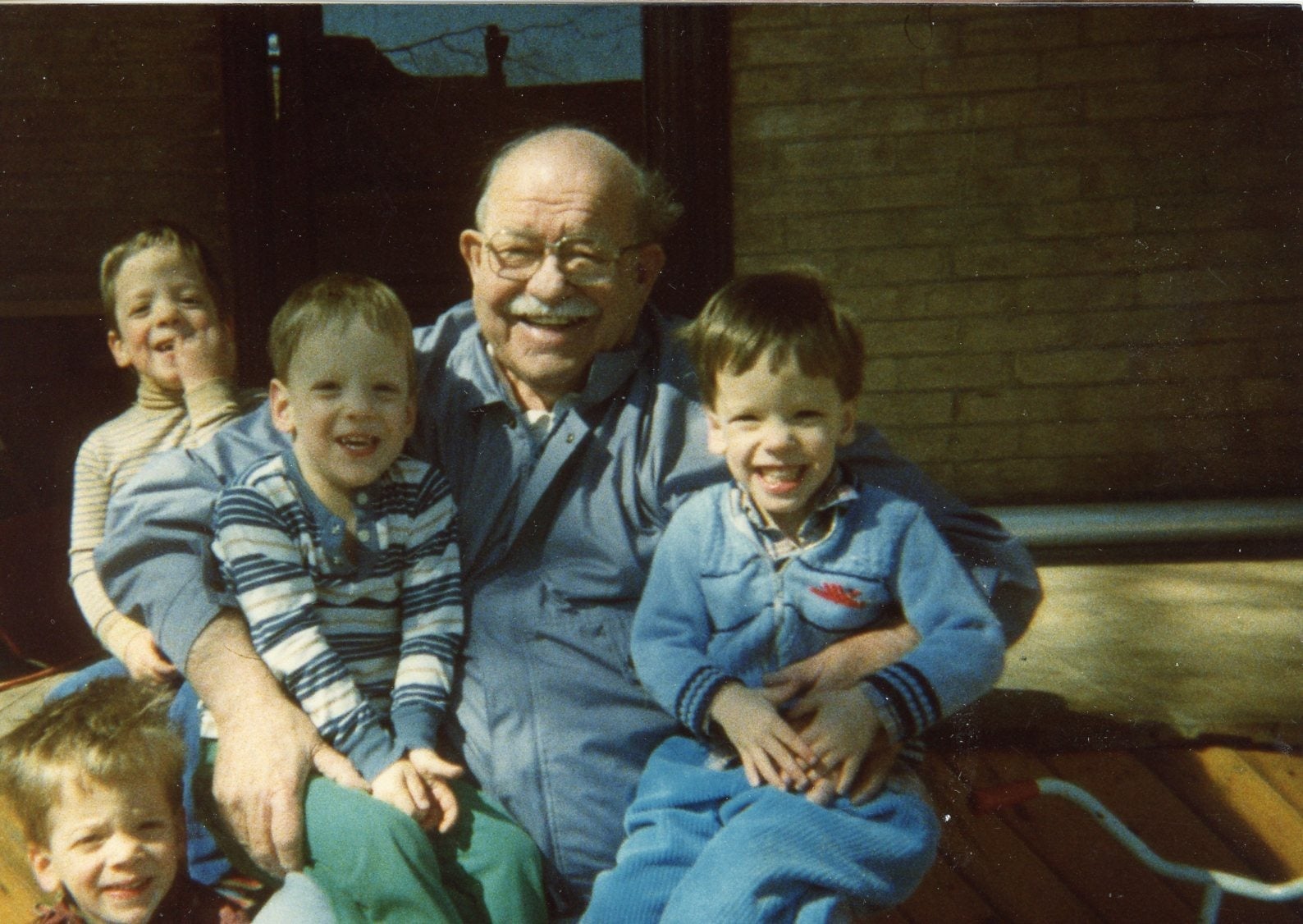
I never heard any of these stories from my grandfather, or even from my father. Grandpa Gerry did not talk much to any of his children or grandchildren about the war before his death in 1998. Or, I was just too young to listen.
Eventually, I studied Canadian history at the University of Waterloo with History Professor Whitney Lackenbauer, beginning my doctoral studies 70 years after the Nerissa sunk.
Searching for my grandfather’s story
I discovered that he was interviewed for the Court of Inquiry regarding the sinking, but even still his words cover less than a page. One of the Provost Corps soldiers who roomed with him wrote a much more complete record of the event, which is how I now know of this harrowing night and his brush with death.
Family histories and wartime struggles
On Remembrance Day, when we are meant to remember those who were lost and those who survived, I always consider myself lucky to have even a small part of my grandfather’s story. If I had taken a different career path, my family likely never would have thought to look for anything other than a service file, or known where to look for it.
I reflect on this story whenever I give public or classroom lectures about the war, or when I have a chance to speak with a veteran. For many of us, our family histories are intertwined with wartime struggles, good and bad, but few ever get the chance to see written transcripts of something their grandparents endured.
Most can only imagine their stories in our larger history of the wars, imagining what triumphs and failures they endured and the dark times through which they lived.
There is one reason, above all else, to find and tell these stories: They are meant to be remembered.
All of these stories have the same common thread, whether they be found deep in the archives or told over a glass of wine late at night decades later. There is one reason, above all else, to find and tell these stories: They are meant to be remembered.