March 25, 2026
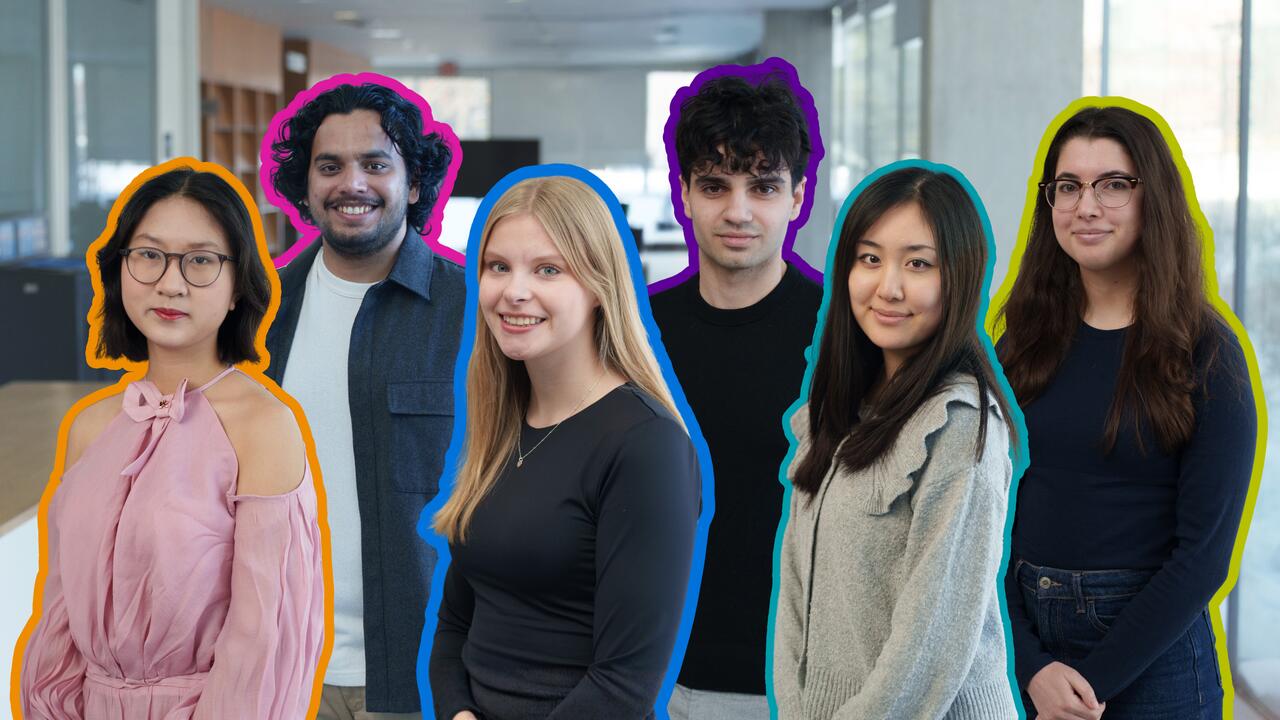
Celebrating the 2025 Co-op Students of the Year
From health care to technology and sustainability, these award-winning students demonstrated how to make meaningful impacts in the workplace
From health care to technology and sustainability, these award-winning students demonstrated how to make meaningful impacts in the workplace
The Co-op Student of the Year Awards recognize Waterloo co-op students whose work terms exemplify innovation and impact. From sustainability to emerging technologies and advancing patient care, this year's award recipients delivered results that extended beyond expectations. Their efforts had real human impacts that demanded thoughtful, innovation initiatives.
“Each of these students shows what’s possible when talent meets trust and opportunity,” says Judene Pretti, interim associate provost, Co-operative and Experiential Education (CEE). “They approached complex challenges with confidence, curiosity and leadership, and their contributions created lasting value for their employers and communities.”
Congratulations to the 2025 Co-op Students of the Year:
CEE celebrated the Co-op Students of the Year at a hybrid ceremony on March 25. The event also celebrated this year’s honourable mentions as well as the Velocity Co-op Problem awards, which recognize students for providing the best analysis of an important problem relevant to a co-op employer or their industry.
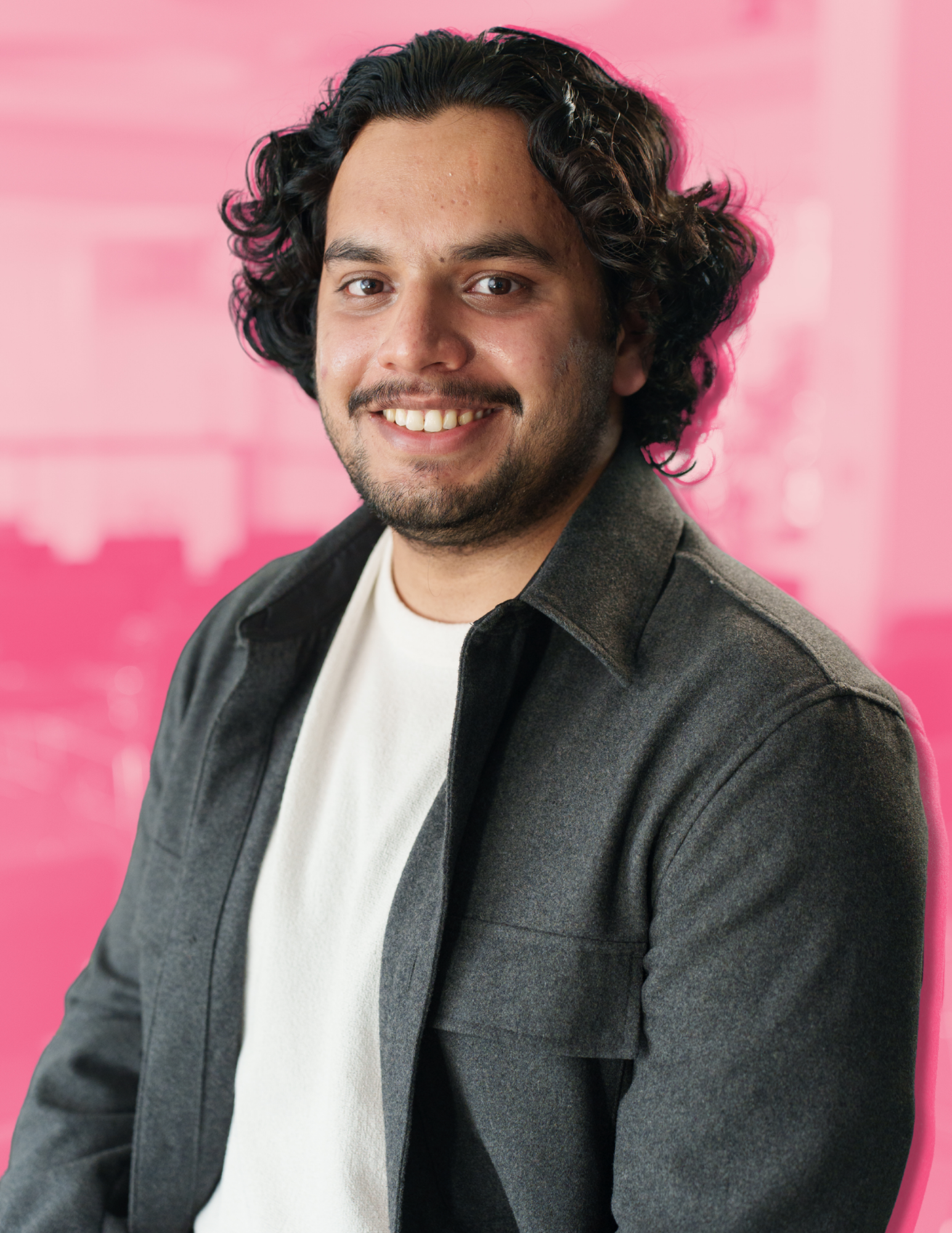 Vinayak Bector, Faculty of Mathematics
 While working at xAI as a web developer, Vinayak Bector, a fourth-year Computer Science student, made significant improvements to the company's codebase and Grok translation pipeline. Once fully implemented, his work is projected to save the company more than $3 million annually in translations costs.
During his work term, Bector became one of the highest contributors to the company’s modern codebase, setting a new internal benchmark for productivity and technical depth. He was credited with resolving a major migration issue by coordinating with colleagues in London and Japan.
“Seeing the whole team coordinate across time zones to prevent what could have been days of downtime, that’s when it really hit me that my work wasn't just code on a screen; it was directly protecting the experience of millions of people across the globe,” Bector says.
Bector contributed to multiple high-priority initiatives that spanned web and mobile platforms to improve systems used company-wide. By taking ownership of critical work and delivering results with minimal supervision, he consistently operated as a core contributor.
“Knowing the lines of code you're writing are reaching millions of users is addictive in the best way,” he adds. “I thrive in an environment that is fast-paced and gives me the autonomy to make meaningful contributions across the organization.”
Learn more about Bector’s story
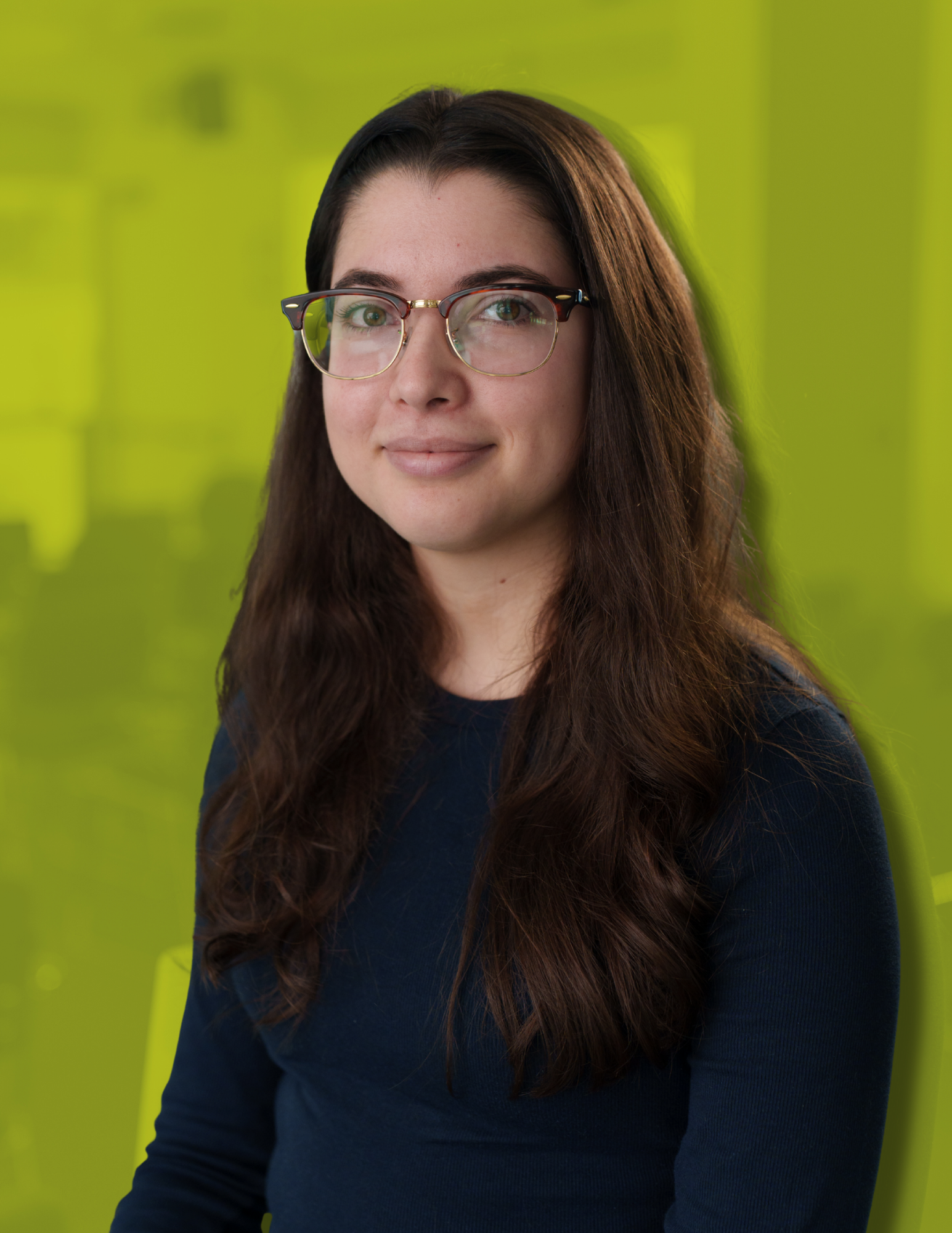 Francesca Girmenia, Faculty of Environment
 Francesca Girmenia’s work as a young researcher at Graz University of Technology (TU Graz) in Austria helped shape the future of the university’s climate strategy.
The fourth-year Environment and Business student studied the carbon removal market to help TU Graz plan for climate neutrality by 2030.
“I knew my work was making a real difference when my professor told me to include my recommendations when presenting my findings to the vice rector for infrastructure and sustainability,” Girmenia says. “I realized I'm not just doing this as a research project to learn; what I'm finding is actually going to be used to inform the sustainability strategy at TU Graz.”
Drawing on her academic expertise, Girmenia assessed carbon removal technologies, analyzed international standards and investigated the roles of key stakeholders. She used Microsoft's carbon removal strategy as a case study and turned those insights into actions for TU Graz's own climate neutrality strategy.
Girmenia went beyond the scope of her role by securing interviews with key stakeholders to uncover information that was not publicly available. Utilizing this supplementary information, she produced a comprehensive 28-page report that served as a major research document. The report offered an overview of the carbon removal market and included evidence-based recommendations.
Girmenia’s final report will have a tangible impact on TU Graz and now serves as a foundational document guiding the university’s future investments in carbon removal.
“As a student, you're not necessarily going to have the technical expertise or everything you need to know to do the job, but if you're curious and willing to learn, I think that's what co-op is about.”
Learn more about Girmenia’s story
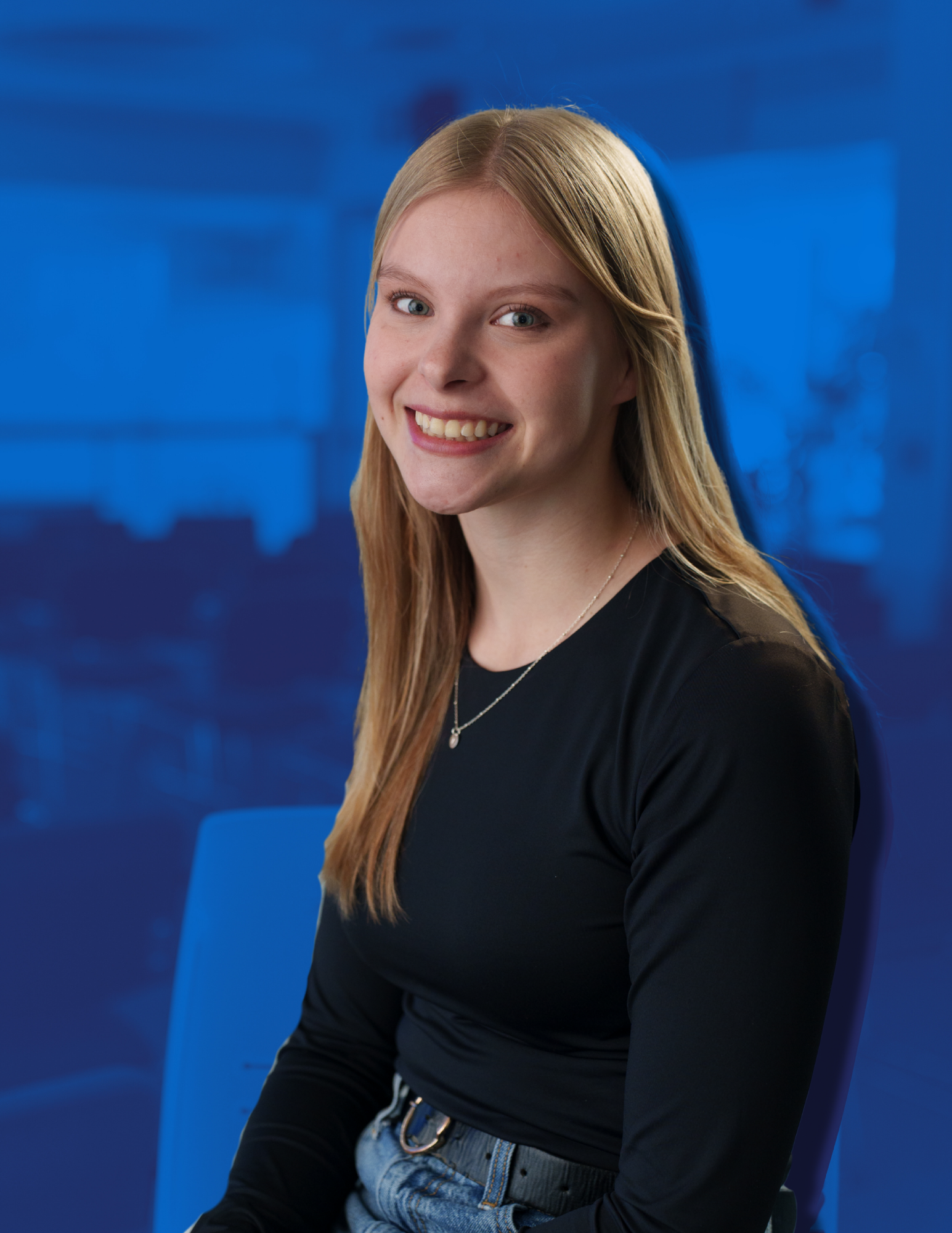 Allysa Greidanus, Faculty of Science
 During her work term in the Murphy Lab at the University of Waterloo, fourth-year Chemistry student Allysa Greidanus had a direct impact on Canada's deuterium economy. Deuterium, also known as heavy water, plays a significant role in various scientific and industrial applications, including nuclear fusion and as a tracer in chemical reactions.
In collaboration with the deuterium science and innovation company deutraMed, Greidanus found that existing purification methods were ineffective against a 40-ton wastewaster sample. To tackle this problem, she created a new process to decontaminate industrial heavy water (D2O), unlocking $40 million in deuterium resources to be used globally.
“Working in this job, I found I really did have a passion for solving complex research problems,” Greidanus says. “It solidified that I wanted to keep working in research.”
Her hard work helped to solidify a five-year grant between the Murphy Lab and deutraMed. The grant will fund 15 additional co-op student work terms at the lab that will enable students to continue innovation in this space. deutraMed has also extended an offer for Greidanus to work with them post-graduation, amplifying the impact she had during her work term.
“I hope to continue working towards creating a better environment and breaking barriers, because it's what keeps me passionate,” Greidanus says. “I get bored if I'm not challenged, and chemistry constantly challenges me.”
Learn more about Greidanus’ story
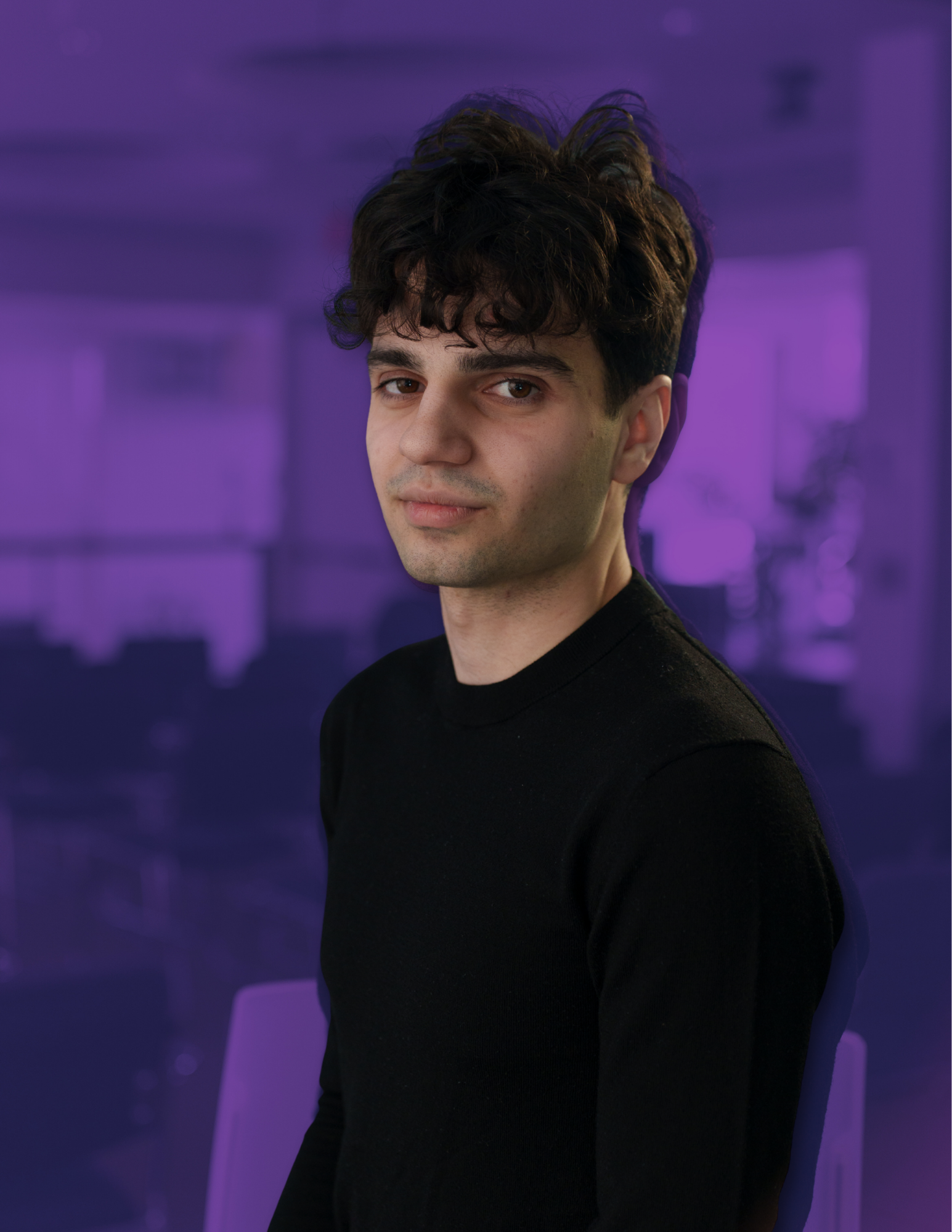 Aiden Sarrafzadeh, Faculty of Engineering
 Aiden Sarrafzadeh, a second-year Biomedical Engineering student, made an exceptional impact during his first work term as a research assistant at Women's College Hospital.
As the only engineer on the team during his work term, Sarrafzadeh learned advanced concepts like the implementation of science, patient-oriented research and the ethical implications of AI in health care.
Motivated by curiosity, Sarrafzadeh built an AI chatbot prototype to explore its potential role in supporting health care practices. Although his analysis determined that fully developing the tool was not a good use of resources at the time, his supervisor was impressed with Sarrafzadeh's initiative and determination.
In only one month, Sarrafzadeh completed a collaboration project with OntarioMD that was expected to take four months. The project contributed to the evaluation of digital health tools for clinical decision support.
“I realized my work was making a difference during those late nights when I was in the office with a clinician, who was diagnosing and treating different patients,” Sarrafzadeh says. “The next morning, I would be working on a project that would look for tools that could improve those exact workflows [using AI].”
Beyond his deliverables, Sarrafzadeh’s initiative, curiosity and commitment to learning elevated the entire team, leaving a lasting impact well beyond expectations.
“At the end of the day, what matters is helping people; that's your purpose on this planet. Strive to improve the world,” he says.
Learn more about Sarrafzadeh’s story
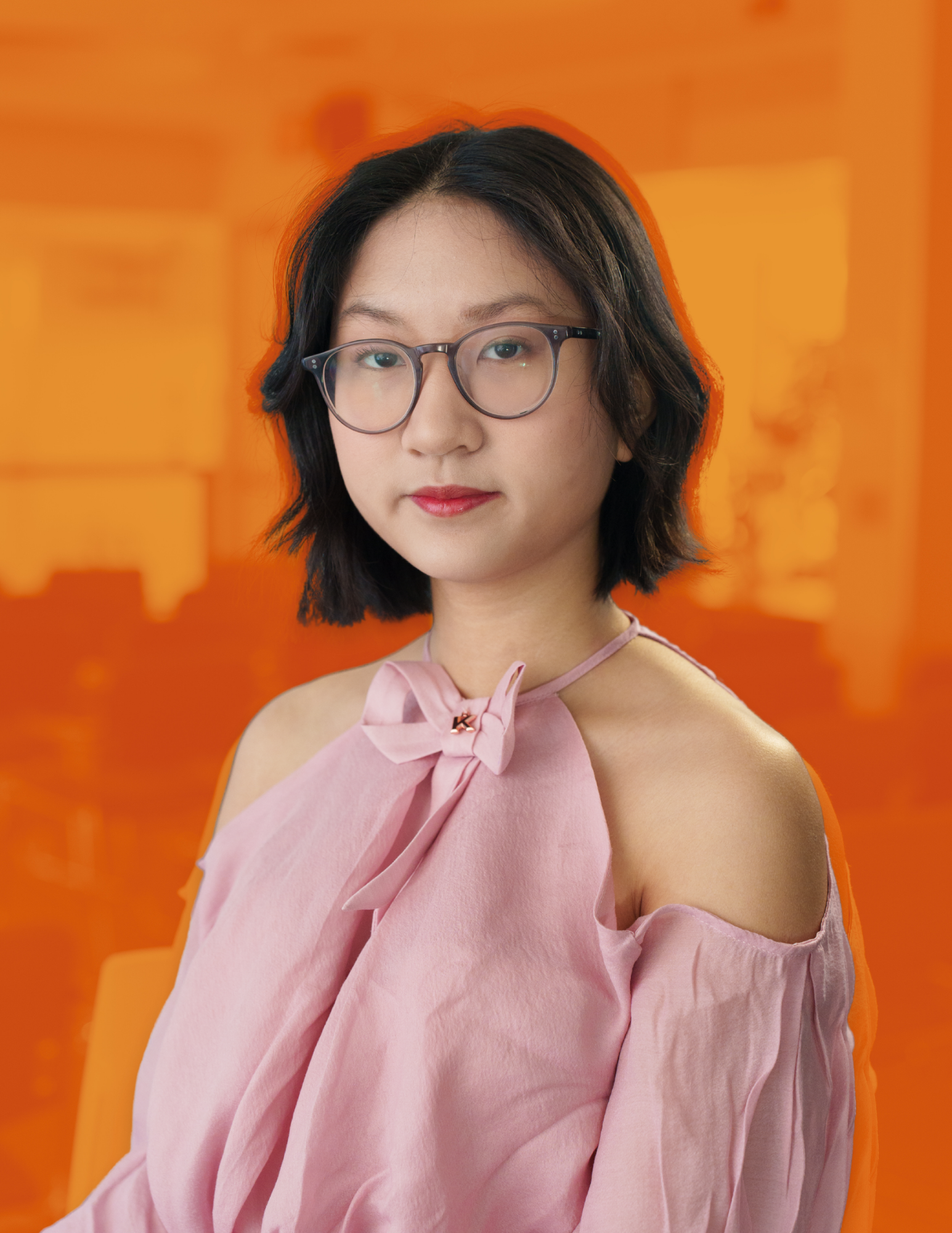 Giang Tran, Faculty of Arts
 Giang Tran's advertising design lit up New York City's Times Square during her co-op work term as a product and visual designer at Rootly AI Labs. The third-year Global Business and Digital Arts student created custom workflows that saved the company's three-person marketing team about half of their asset creation time.
“Since they were giving me a lot of ownership, I was able to shine and have a lot of creative space to execute my ideas,” Tran says. “Being able to discuss these ideas with people in the office every day created an incredible environment for me to grow as an individual and as a collaborator.”
Despite it being her first co-op term, the team at Rootly saw Tran as an equal partner. She designed more than 80 high-impact user experience improvements, supported more than 1,000 on-call engineers with her artificial intelligence (AI) templates and helped bring in $70,000 in revenue. Tran also worked with leadership to define brand guidelines and shape Rootly AI Labs' visual identity.
“I moved from Vietnam to Canada at the age of 16, all by myself, to chase bigger opportunities in art and design. During this time, I've tried to see how my art can have an impact across as many people and as many communities as possible.”
Tran’s goal for the future is to design platforms that make people feel capable and creative to do their best work every day.
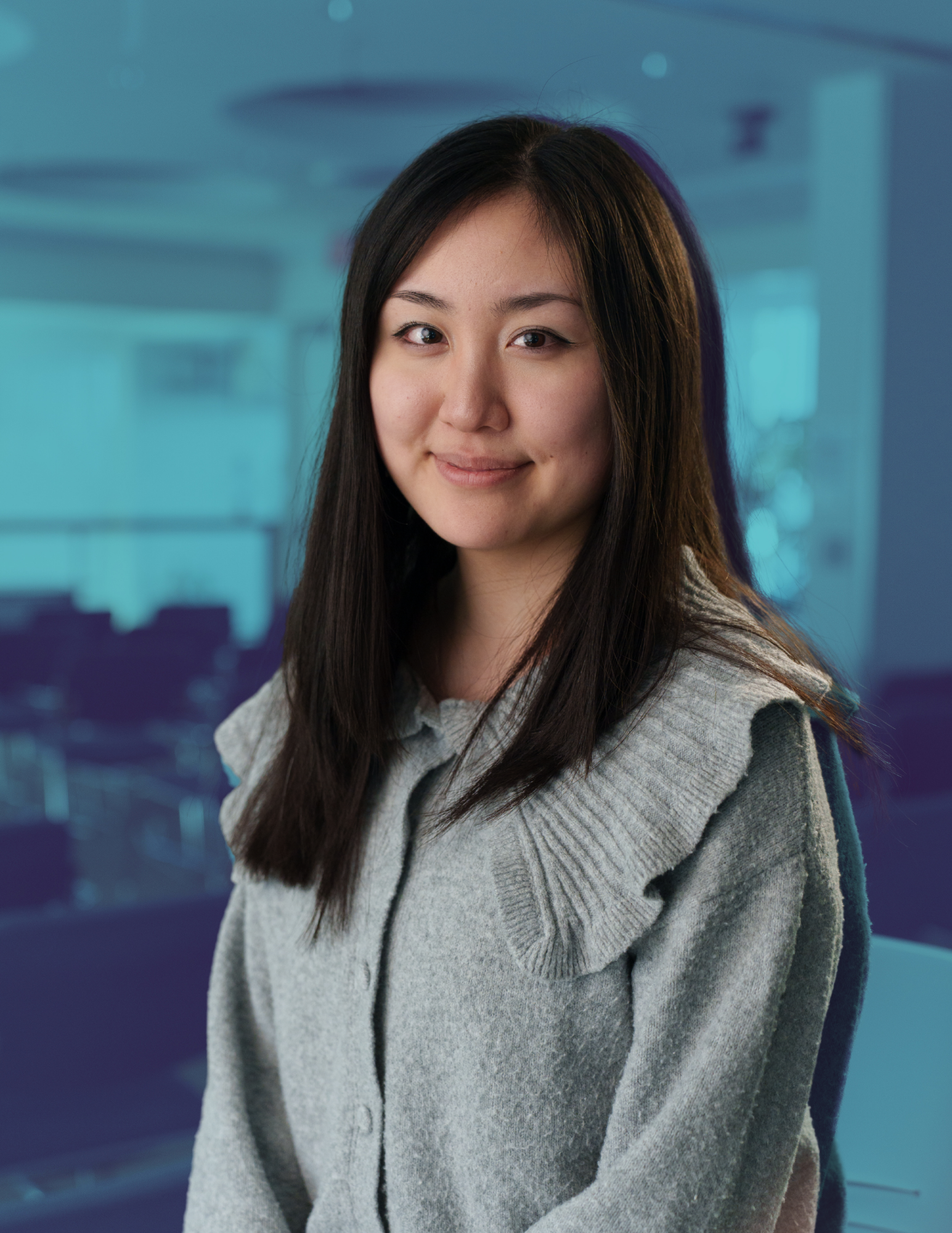 Christina Yang, Faculty of Health
 As a clinical research assistant at the Odette Cancer Centre at Sunnybrook Health Sciences Centre, Christina Yang's research and findings made her an essential team member. Yang is also the 2025 winner of the Experiential and Work Integrated Learning Ontatio (EWO) Co-op Student of the Year.
With the first month of her co-op term, the third-yeah Health Sciences student independently led the activation of the first randomized clinical trial, combining two established interventions to prevent radiation-induced burns in breast cancer patients. In one month, Yang was able to complete a process that typically takes six months. Her work enabled patient enrolment and ensured the study could move forward on schedule.
“As co-op students, we often might think we can't make a big difference in four months, but these awards show that we can,” Yang says. “It encourages me to keep going and do my best.”
Yang’s innovative research also directly improved patient outcomes and advanced the clinic’s leadership in radiation‑related wound care. Her work introduced more effective treatment approaches that significantly reduced patient pain and accelerated wound healing.
“They respected and trusted me enough to let me handle complex tasks and important projects,” Yang says. “They weren't just giving me the grunt work that they didn't want to do. They gave me projects that were difficult, challenged me, but also allowed me to grow so much in my work.”
Beyond her research impact, Yang made a meaningful difference through her passionate, patient-centred care. When a Mandarin-speaking patient raised concerns about post-treatment symptoms, Yang communicated directly with her, advocated for a prompt follow-up and ensured a quick assessment. Yang's compassion left a lasting impression, leading the patient to write a heartfelt letter of gratitude.


