Dr. Patricija Marjan
Research Interests
Patricija completed her undergraduate and Master’s studies in Ecology and Environmental Protection at the University of Novi Sad (Serbia), where she developed a strong interest in aquatic toxicology, particularly the effects of herbicides on aquatic macrophytes. She then moved to Canada for advanced research training, completing her PhD in our lab under the co-supervision of Dr. Deborah MacLatchy and Dr. Mark Servos, where she studied biological responses in fish to municipal wastewater exposure in the Grand River watershed. Her subsequent Postdoctoral Fellowship in the Global Water Futures program focused on the application of environmental DNA (eDNA) for aquatic ecosystem monitoring.


PhD (Graduate Sep 2017)
Patricija completed her PhD under the co-supervision of Dr. Deborah MacLatchy and Dr. Mark Servos, focusing on biological responses in rainbow darter (Etheostoma caeruleum) to changes in municipal wastewater quality in the Grand River watershed.
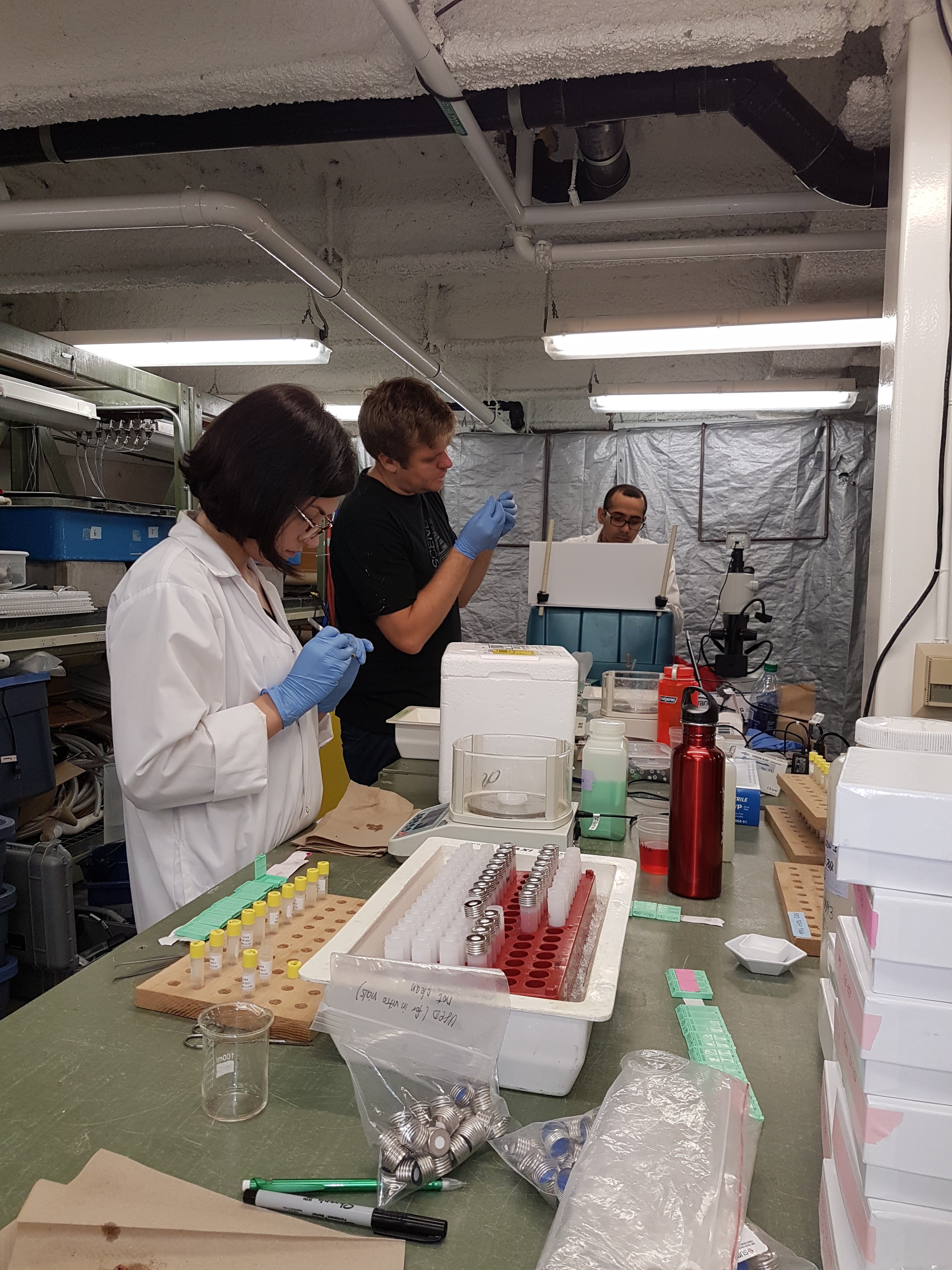
Her research investigated how municipal wastewater treatment plant (MWWTP) discharges influenced endocrine disruption in fish populations, particularly through exposure to estrogenic and anti-androgenic compounds present in effluents from the Waterloo and Kitchener facilities. Using field-based sampling, transcriptomics, and in vitro steroid production assays, her work assessed molecular, physiological, and organism-level responses across spatial and temporal gradients, including before and after major wastewater treatment upgrades.
Key findings demonstrated that wastewater treatment upgrades were associated with measurable improvements in fish health endpoints, including partial recovery of sex steroid production and shifts in hepatic gene expression profiles linked to contaminant exposure. Her work also highlighted the importance of spatial and temporal context in field-based ecotoxicology and demonstrated the value of transcriptomic approaches for detecting responses to complex contaminant mixtures in real-world river systems.
Overall, her PhD research advanced understanding of how aquatic organisms respond to improvements in wastewater effluent quality and contributed to the growing application of omics-based tools in environmental toxicology and watershed-scale monitoring.
Postdoctoral Scholar (Nov 2017-Feb 2020)
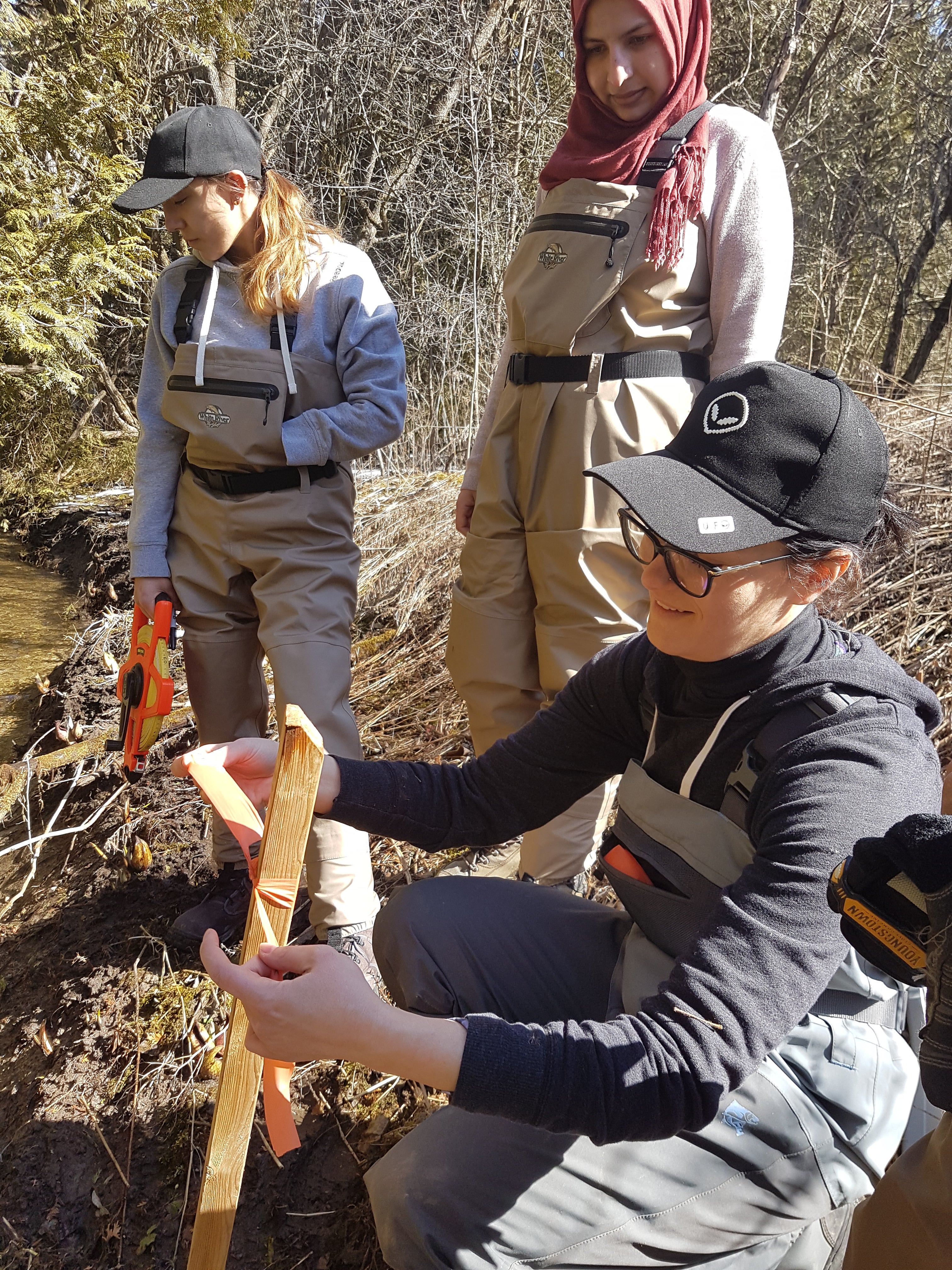
Patricija continued in the lab as a Postdoctoral Fellow in the Global Water Futures program, where she focused on environmental DNA (eDNA) applications for aquatic ecosystem monitoring.
Her research centred on the detection and analysis of brook trout (Salvelinus fontinalis) in small stream systems, with the goal of improving understanding of species presence, seasonal dynamics, and habitat associations using molecular-based approaches. She integrated eDNA barcoding with traditional electrofishing surveys to evaluate seasonal population dynamics in a southern Ontario stream within the Grand River watershed.
Results showed that brook trout were consistently detected using eDNA, with peak detection occurring during summer months (July–September), identifying this period as the most effective for monitoring. eDNA signals were significantly correlated with brook trout density, demonstrating strong potential as a tool for population assessment, although relationships with biomass and site-specific differences were weaker.
In addition to her research, she contributed to the development of an updated stream and aquatic ecology course, supporting field-based experiential learning and laboratory training. This included the preparation of instructional materials such as lecture content, lab manuals, and field guides, as well as input into curriculum design for upper-year Biology courses focused on aquatic ecology.