
Mark Servos
Research Interests
Mark R. Servos is an ecotoxicologist whose research focuses broadly on ecotoxicology and integrated water resources management. Research in the Waterloo Aquatic Toxicology and Ecosystem Remediation Laboratory examines the environmental exposure, fate, and effects of emerging contaminants such as pharmaceuticals and personal care products (PPCPs) in aquatic environments.
Current research activities evaluate the impacts of municipal and industrial effluents on aquatic ecosystems, including the development of new approaches for environmental risk assessment and risk management of priority substances and wastewater discharges. The laboratory also investigates urban and agricultural influences on water quality, including the evaluation of best management practices for reducing pollution associated with intensive agricultural activities. More recent research has also focused on wastewater-based epidemiology (WBE), including monitoring of SARS-CoV-2 during the COVID-19 pandemic and the analysis of drugs of abuse in wastewater systems.
Prior to joining Waterloo in 2003, Prof. Servos held research positions with Environment Canada, the Department of Fisheries and Oceans, and the National Water Research Institute, where his work focused on the environmental fate and effects of contaminants in aquatic systems, particularly within the Great Lakes. He also previously served as Scientific Director of the Canadian Water Network until 2011.
Throughout his career, Prof. Servos has organized numerous international meetings and workshops, participated on expert panels related to environmental contaminants and water quality, and remained active in major international scientific organizations, including the Society of Environmental Toxicology and Chemistry (SETAC). He has published extensively on the treatment, exposure, environmental fate, and biological effects of organic contaminants in aquatic environments.
Current Research Projects
- Watershed processes, modelling, and cumulative effects
- Factors controlling the environmental fate and bioavailability of contaminants across watershed-scale gradients.
- Development of aquatic cumulative effects assessment frameworks for the Grand River watershed.
- Modelling the fate and effects of contaminants in complex watershed systems.
- Monitoring tools and environmental assessment approaches
- Novel approaches to environmental assessment, including the use of environmental DNA (eDNA) as a biomonitoring tool.
- Development and application of effects-directed assessment approaches.
- Wastewater impacts and aquatic ecosystem responses
- Evaluating responses of fish communities, growth, and reproduction to remedial actions at selected wastewater treatment plants in the Grand River.
- Bioaccumulation of pharmaceuticals and drugs of abuse in fish downstream of wastewater treatment plants (WWTPs).
- Wastewater-based surveillance (WBS/WBE)
- Wastewater-based epidemiology (WBE) for COVID-19 surveillance.
- Wastewater-based surveillance (WBS) of drugs of abuse to track community substance use trends and support public health monitoring.
- Nanomaterials and applications
- Development and application of nanowire membrane technologies for water treatment.
- Development and application of nanomaterials in cancer therapy to enhance radiotherapy and catalytic treatment approaches.



Teaching
BIOL 470 – Methods of Aquatic Ecology
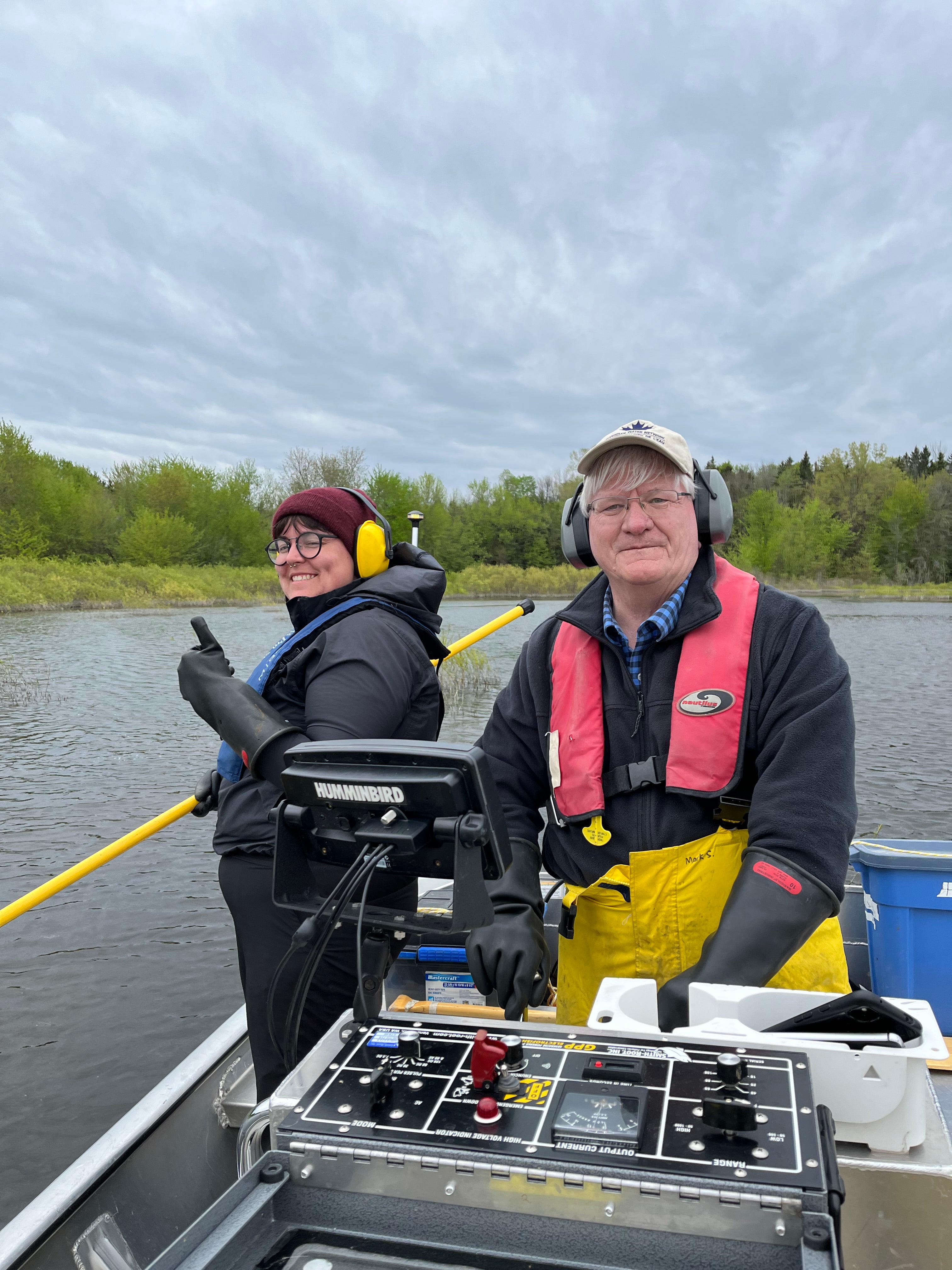
Mark teaches this fourth-year undergraduate course delivered in the fall term with a strong emphasis on hands-on, field-based training in aquatic ecology, consisting of six-hour field or laboratory sessions. The first four weeks of the course are dedicated to field work at Belwood Lake (two weeks) and the Grand River (two weeks). This is followed by laboratory sessions dedicated to processing and analyzing all collected samples, with a strong focus on invertebrate and fish identification, as well as zooplankton, phytoplankton, and chlorophyll-a analyses.
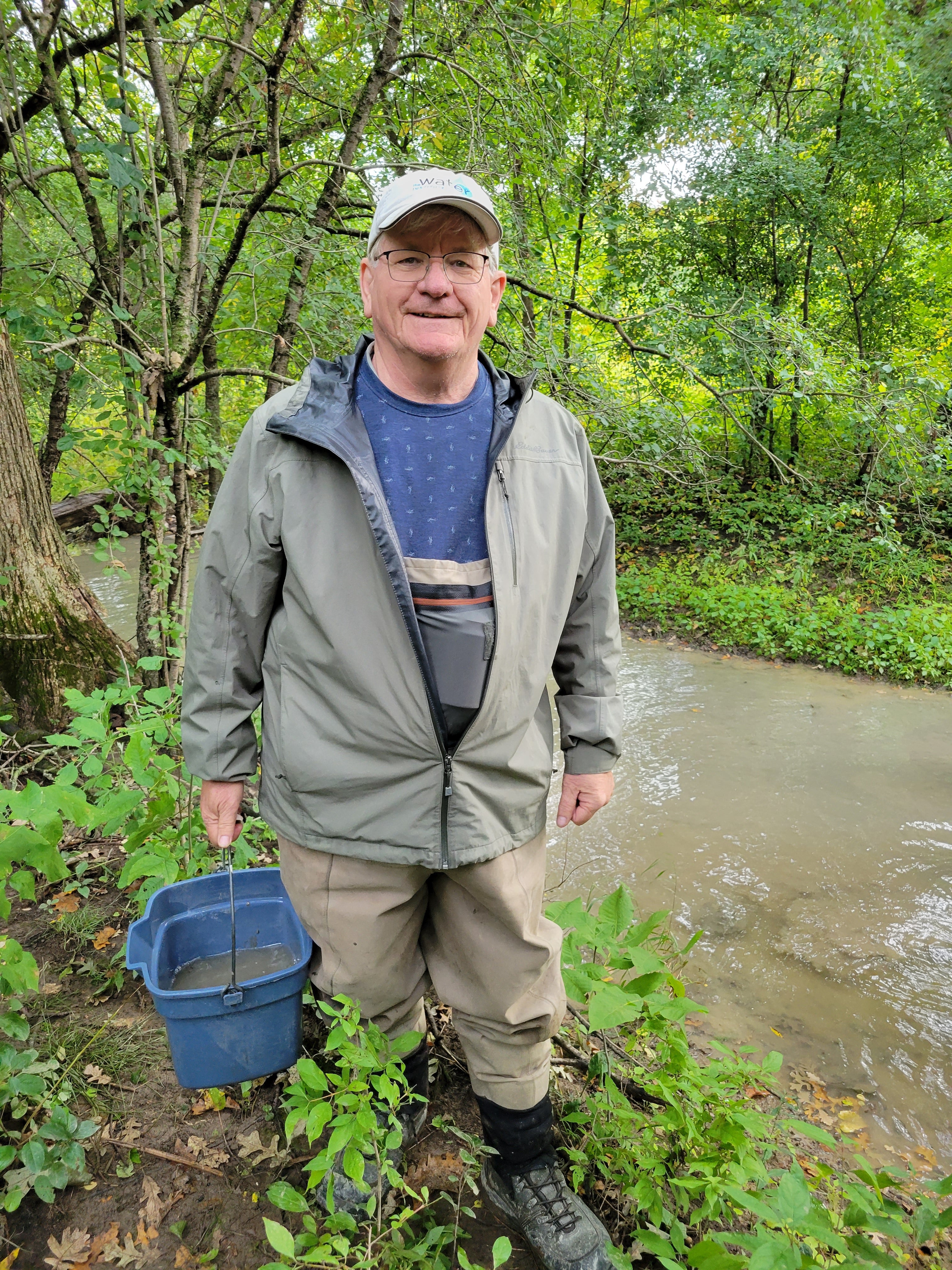
Across both lake and river systems, students collect standardized data on fish, invertebrates, and environmental DNA (eDNA), supported by habitat assessments and in situ water quality measurements to characterize ecosystem conditions. Lake sampling at Belwood Lake is conducted by boat and includes Ekman dredge sampling, zooplankton net tows, Secchi disk measurements, and Van Dorn water sampling. River- and shoreline-based sampling includes D-net kick netting for invertebrates, and fish sampling using backpack electrofishing and seine netting. Site and habitat characterization is conducted using YSI multiprobe water quality profiling, Swoffer flow measurements, turbidity, and chlorophyll-a measurements, providing integrated training in aquatic field methods across both lentic and lotic environments.


Personal Interests
Fly fishing, flying small airplanes, learning to play guitar, and participating in War of 1812 military reenactments.
