Monday, March 25, 2019
Flush your disgust. We can’t let emotions dampen our water policies
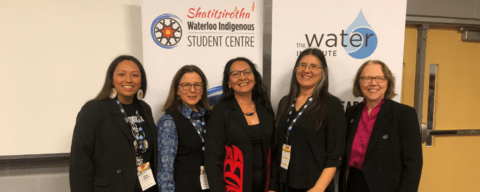
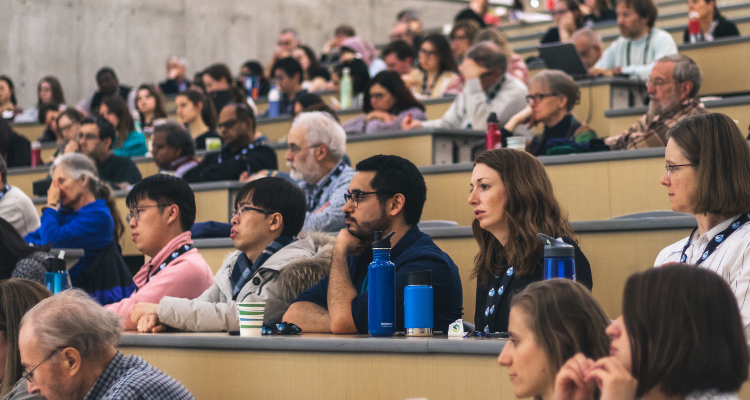
On March 22, 2019, the Water Institute hosted World Water Day celebrations at the University of Waterloo. Nearly 300 water researchers, industry professionals, students, and community members came together to learn about this year's theme, "Leaving no one behind: Water for all."
A new report released Thursday by a team researchers, including Water Institute member Rob de Loë, suggests extreme bouts of precipitation and flooding could be the new normal in the Great Lakes region due to climate change.
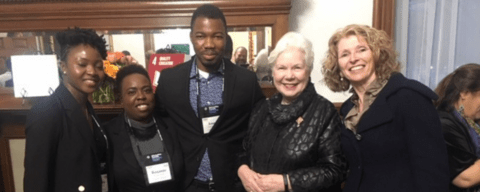
The below was written by Queen Elizabeth Scholar, Roxanne Springer

A Waterloo startup has developed a solution for keeping microfibre pollutants out of our water
When tossing in a load of laundry most of us have no idea that other people may unwittingly swallow tiny pieces of our yoga pants or bath towels.
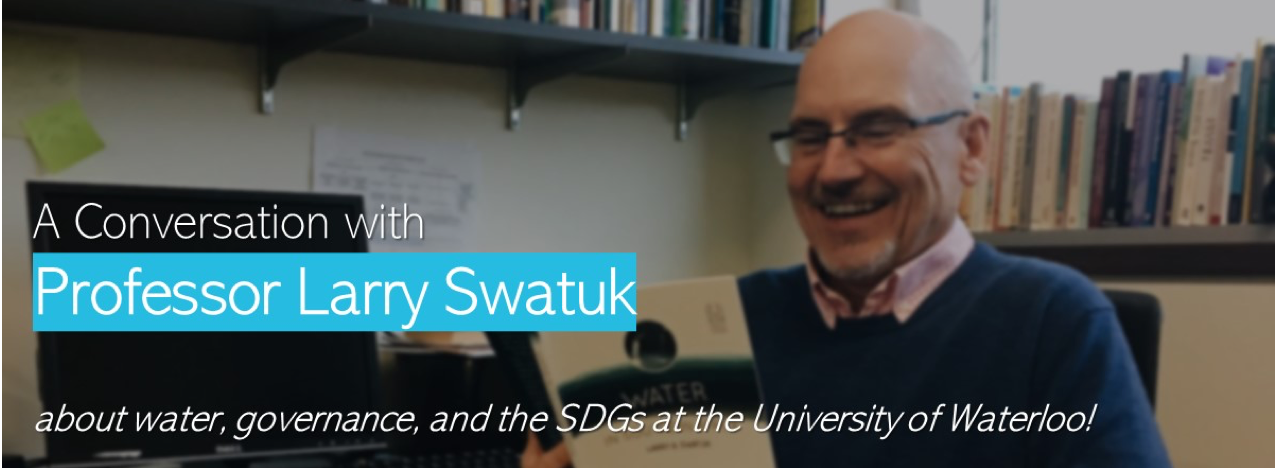
February 13, 2019
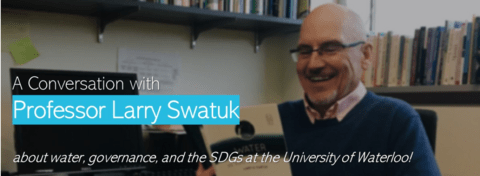
Interview conducted by co-President of SAID, Zack Ahmed Attended and transcribed by Marketing & Communications Director of SAID, Carissa Muller
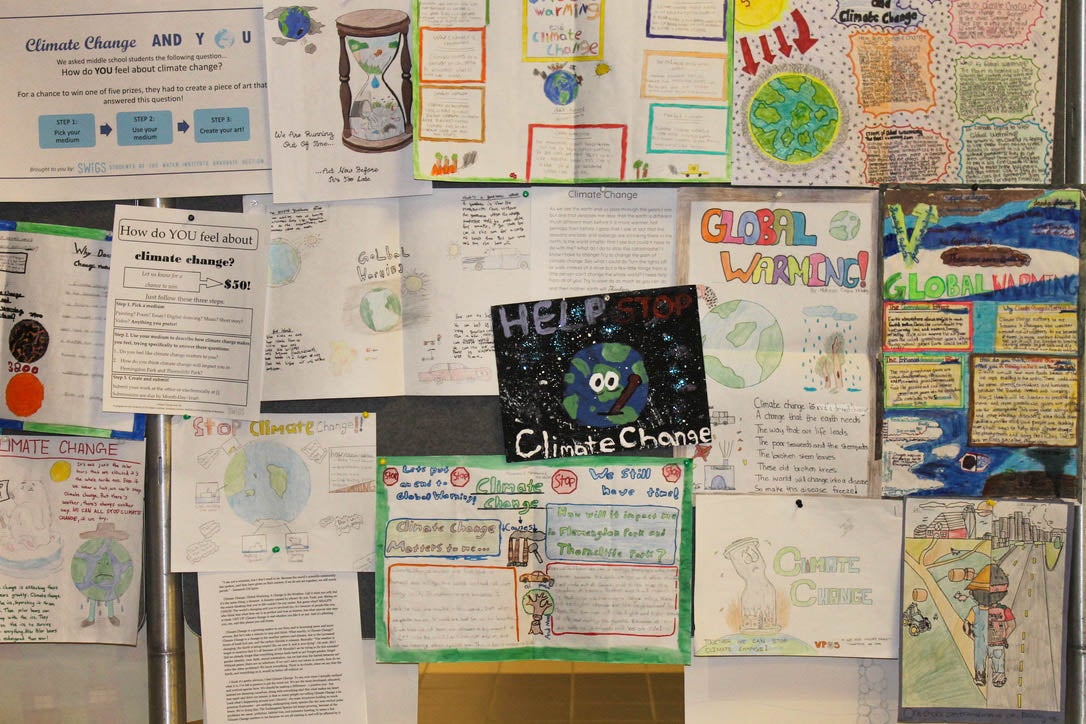
2018 Climate Change and You submissions
Growing up Mark Ranjram, PhD candidate in Waterloo’s Civil and Environmental Engineering department, felt the way many young children today feel when it comes to global issues: There isn’t anything I can do to help solve these problems. Too many children believe they don’t have a voice or a seat at the table when it comes to tackling global challenges such as climate change. This is something Mark is trying to change through his community-outreach initiative Climate Change and You.

Canadian homeowners do not have the information they need to know if they should buy flood insurance leaving them exposed to significant financial risk.
A recent study from the University of Waterloo found flood mapping information in Canada was inadequate, incomplete, hard to locate and varied widely from province-to-province.
Natural Resources Canada (NRCan) has announced funding for a Friends of the Greenbelt Foundation project under their Climate Change Adaptation Program. Water Institute member and professor Derek Robinson, from the Waterloo's Department of Geography and Environmental Management, is a co-applicant on the grant.