Alpine goldenaster
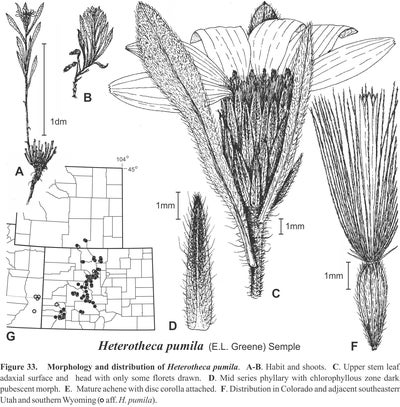
Heterotheca pumila (Greene) Semple has distal cauline leaves that are linear-oblanceolate, often longer thenlower stem leavesl, and generally surpassing short-pedunculate heads. Leaf surfaces are moderately strigose, sparsely to moderately stipitate-glandular. The species grows in subalpine and alpine sites (2800–3800 m) in Colorado, southeastern Utah (Lasalle Mountains), and southern Wyoming, where it is very rare. It is most similar to H. villosa var. minor, which in the range of sympatry has larger heads but smaller distal cauline leaves than are typically found in H. pumila. The species includes diploids (2n=18) and tetraploids (2n=36). Nesom (2020) treated plants with more closely strigose stems and leaves as H. schneideri Nesom. These plants occurred mostly in the the central western and southwestern part of the range indicated below for S. pumila primarily in the San Juan Mts. Nesom's distribution map for S. pumila included a collection from Taos Co., New Mexico.
Last revised 29 April 2025 by J.C. Semple
© 2025 J.C. Semple, including all photographs unless otherwise indicated
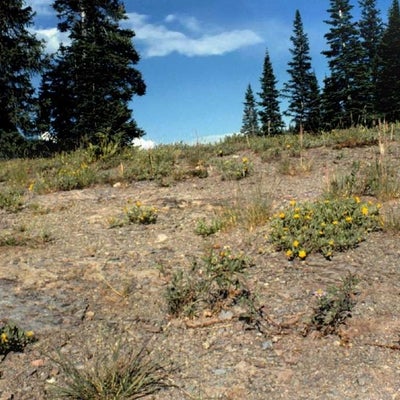

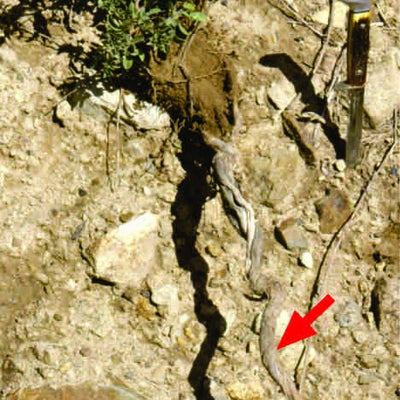
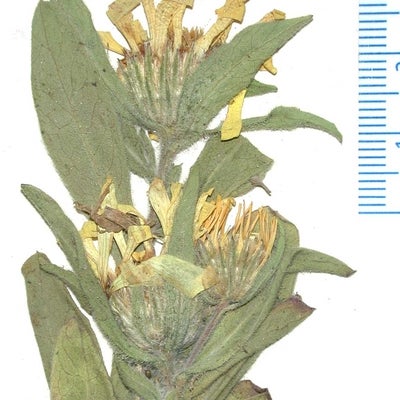
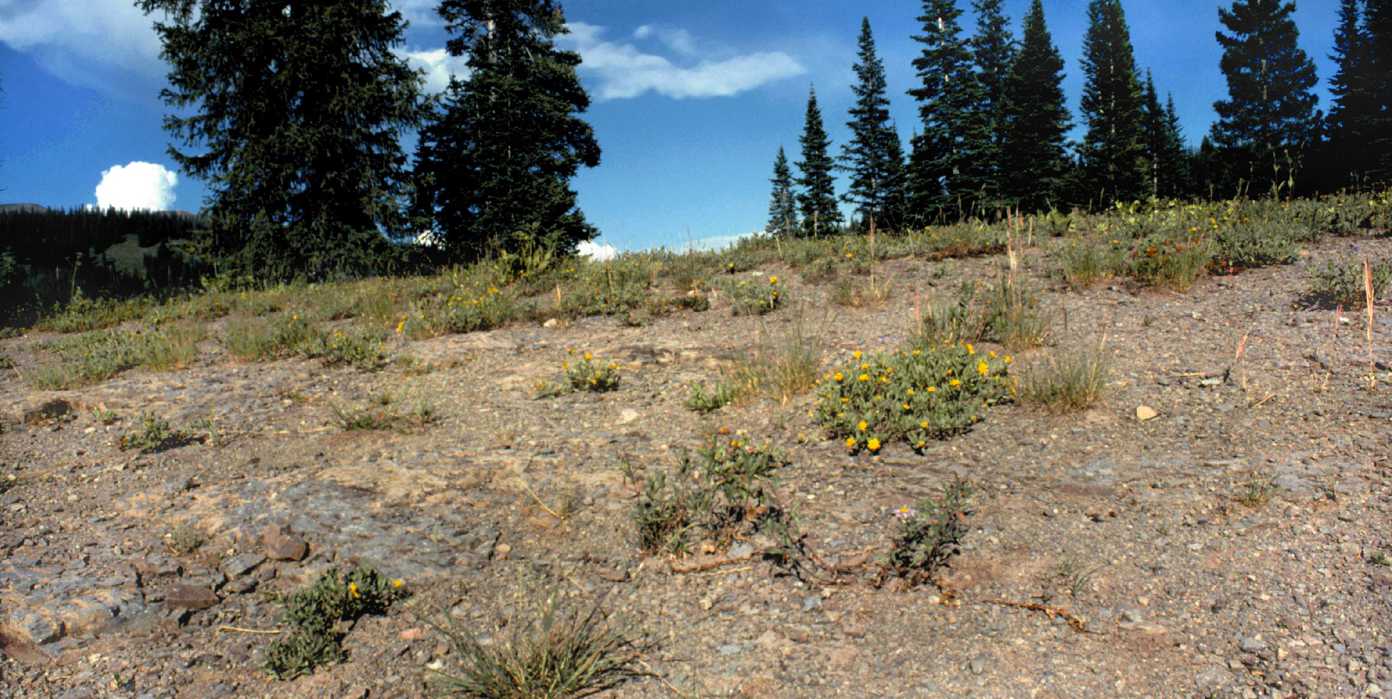
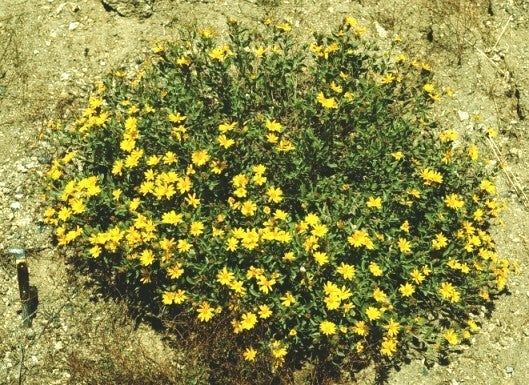
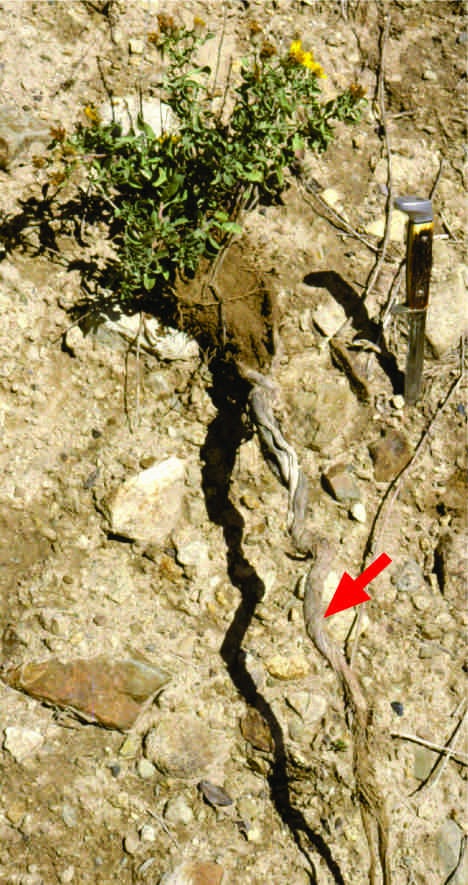
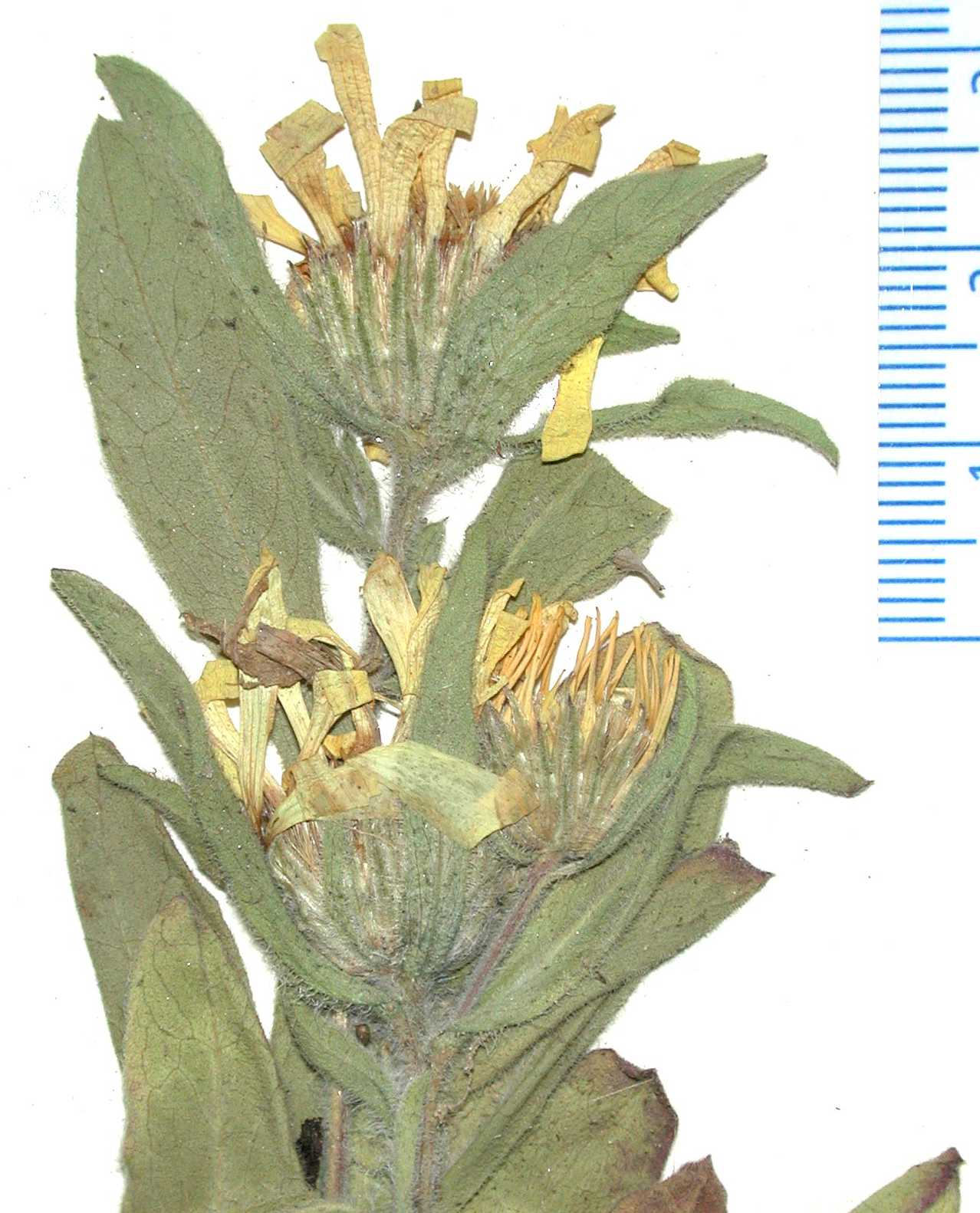
1-4. Heterotheca pumila. 1. Habitat, Kebler Pass, Colorado, photo by K Shea 2. Robust plant, Semple & B. Semple 5781, Gunnison Co., Colorado. 3. Exposed taproot, Semple & Heard 7757, Gunnison Co., Colorado. 4. Upper stem leaves and head, Brooks 20926 WAT, Clear Creek Co., Colorado.