Faculty

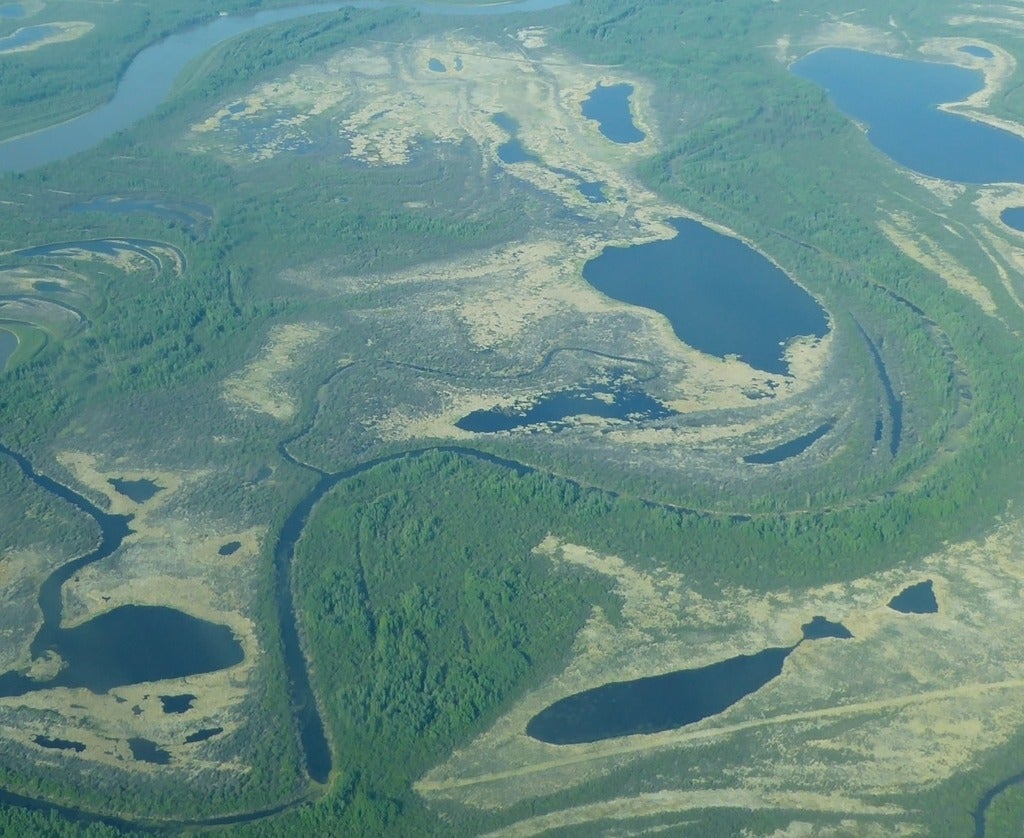
A new policy brief from the Waterloo Climate Institute led by Dr. Laura Neary, Prof. Roland Hall and Prof. Brent Wolfe is urging governments and stewardship bodies to act quickly to establish long-term lake monitoring in the Peace-Athabasca Delta (PAD), the world’s largest freshwater boreal delta, amid growing pressures from climate change and major energy developments.

Tuesday, February 3, 2026 11:30 am - 3:30 pm EST (GMT -05:00) Wednesday, February 4, 2026 11:30 am - 3:30 pm EST (GMT -05:00) Thursday, February 5, 2026 11:30 am - 3:30 pm EST (GMT -05:00)

Designing Climate-Ready Education for the Next Generation of Professionals

The University of Waterloo’s Climate Institute is hosting a National Forum “Designing Climate-Ready Education for the Next Generation of Professionals”. This forum will explore what knowledge and skills students need most, and how we can teach in ways that cultivate hope, agency, and purposeful learning.

Join us for an inspiring event  centered on Indigenous knowledge, storytelling, and climate activism, with special guest Isaac Murdoc. The event will open with a keynote address by  Isaac,  followed by a thoughtful conversation between  Isaac  and  University of Waterloo’s Elder  Myeengun Henry and Amanda St. Marie.

Waterloo researchers are helping shape the next global scientific assessment that will guide world leaders from climate promises to action. These researchers are from the University of Waterloo’s Faculty of Environment and members of the Waterloo Climate Institute: Dr. Sarah Burch, Dr. Vanessa Schweizer and Dr. Andrew Trant. We caught up with them to learn their roles in producing the upcoming Seventh Assessment report, how it relates to their work at Waterloo and what keeps them motivated.

A new policy brief from the Waterloo Climate Institute and the Christmas Tree Lab, led by Prof. Kelsey Leonard, highlights the need for climate resilience measures for Ontario’s Christmas tree industry.  To ensure the industry’s long-term sustainability, the brief proposes five key action areas for all levels of government: upholding cultural heritage, aligning crop insurance policies to tree farming, addressing climate-driven pests and diseases, integrating Christmas tree farms into climate policy, and promoting post-holiday tree recycling. 

The Ontario Climate Risk Workshop, held on October 30–31, 2024, brought together a diverse group of voices, including academics, government officials, private sector representatives, Indigenous leaders, NGOs, and community members, to collaborate and identify localized solutions for addressing climate risk.

On November 13th, SYDE will be hosting Prof. Rachel Davidson here at the University of Waterloo. Prof. Davidson is a core member of the Delaware Disaster Research Center, the first center dedicated to the study of disasters in the world. 

A new technical brief from the Waterloo Climate Institute is urging policymakers to consider the full cycle of material use and associated services delivered by critical infrastructure —the “stock-flow-service” nexus—to ensure long-term sustainability and resilience for Small Island Developing States (SIDS).