


Integrating Environmental Water Research Across Multi Scales and Disciplines
Water is our most precious natural resource. All human activities, from agriculture and industrial processes to domestic uses, depend on water of sufficient quantity and quality. This is also true for natural ecosystems. In contrast to highly visible water quantity stressors, such as flash floods and prolonged droughts, changes in water quality are often more gradual and more difficult to detect, and their cumulative impacts more difficult to predict and manage. Water quality deterioration, however, poses more pervasive and chronic risks to the economy, human health and the ecological life-support systems of the planet.
Water quality degradation is a global phenomenon. In Canada, for example, harmful and nuisance algal blooms are a persistent problem for many freshwater bodies, including the iconic Laurentian Great Lakes, while many of our First Nations communities still live under drinking water advisories. Globally, awareness is also growing that climate change adaptation must be an integral part of planning and implementing effective water management policies and practices.
For general inquires about the Ecohydrology Research Group, please email ecohydrology@uwaterloo.ca.
News
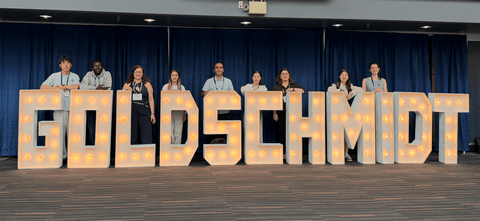
ERG attends Goldschmidt 2026 in Montreal
ERG members are attended the 2026 Goldschmidt Conference held in Montreal from July 12-17, 2026. Goldschmidt is the largest international conference dedicated to geochemistry, organized by the Geochemical Society and the European Association of Geochemistry.
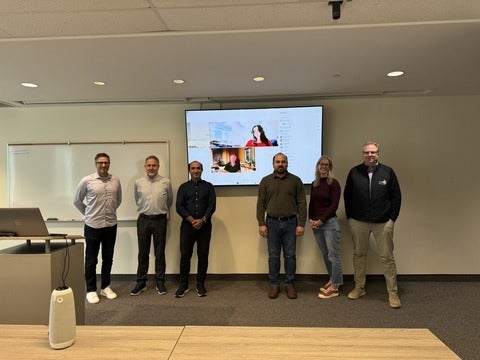
Amir defends his PhD thesis!
Ecohydrology Research Group PhD student Amir Reshadi successfully defended his thesis on June 25, 2026. Amir's thesis is titled "Multi-Scale Modeling of Microplastic Fate and Transport in Urban Runoff: From Catchment-Scale Yield and Retention to a Global Predictive Framework."
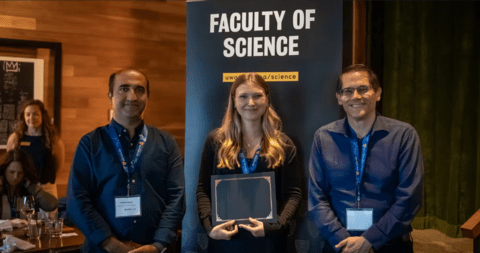
Katie received the Dean of Science Award!
Our recent MSc graduate, Katie Hettinga, received the Dean of Science Award, which recognizes outstanding performance in the Master of Science program. One student from each department within the Faculty of Science is selected to receive this honour.
Events
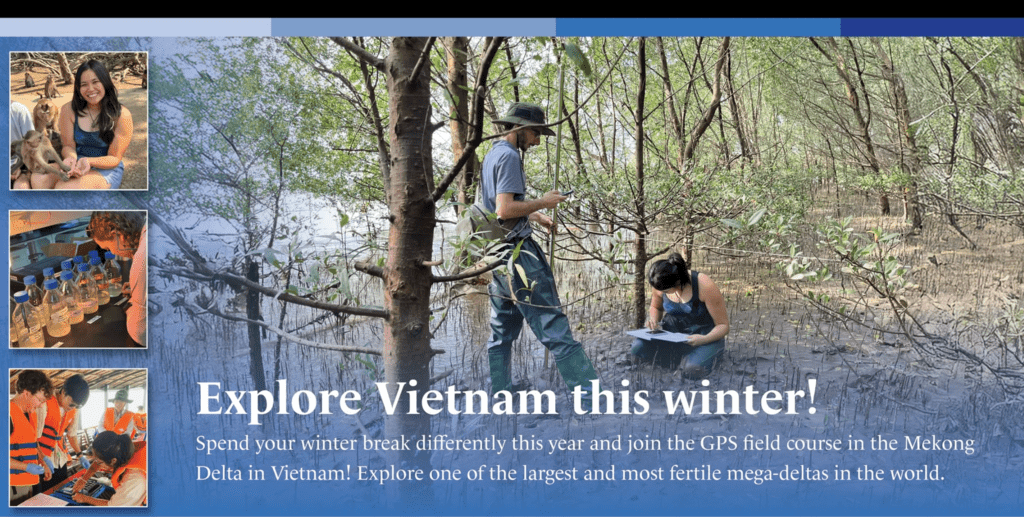
Mekong Delta Field Course: EARTH 490
Spend your winter break differently this year and join the GPS field course in the Mekong Delta in Vietnam! You will learn about the natural processes that created the delta but also how humans have been altering the hydrology, landforms, and ecosystems of the delta.