Our 14th annual World Wetlands Day was a success!
The Ecohydrology Research Group (ERG), in collaboration with the Wetland Soils & Greenhouse Gas Exchange Lab and the Waterloo Wetland Laboratory, hosted another successful World Wetlands Day Research Symposium at the University of Waterloo on Monday February 2nd, 2026. This was the 14th year that the University of Waterloo celebrated World Wetlands Day.
World Wetlands Day is held annually to mark the day when the United Nations Convention on Wetlands was adopted in 1971 in Ramsar, Iran. The Convention is an international agreement acknowledging the importance of wetlands and plays a central role in the wise use and conservation of these critical ecosystems.
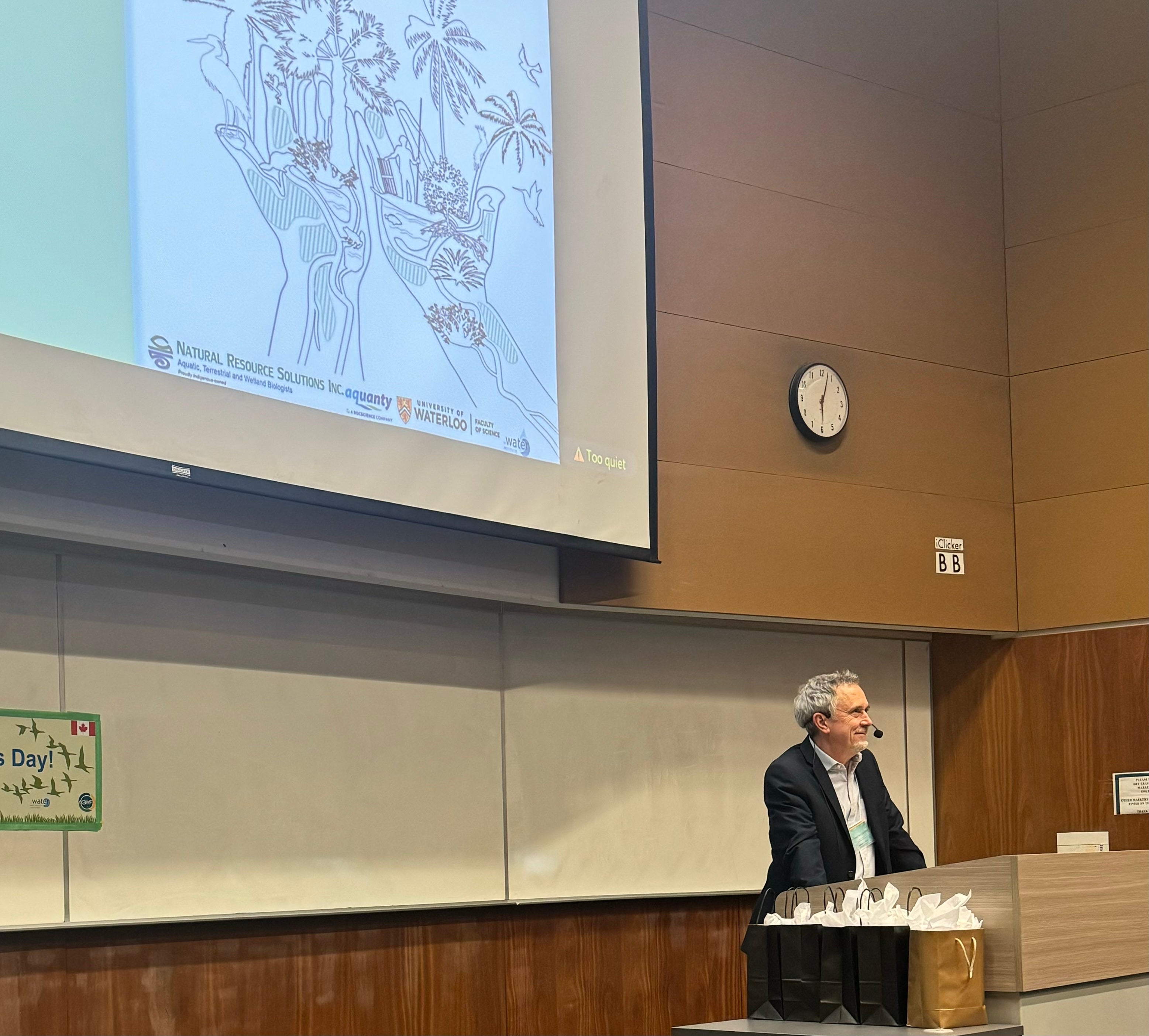
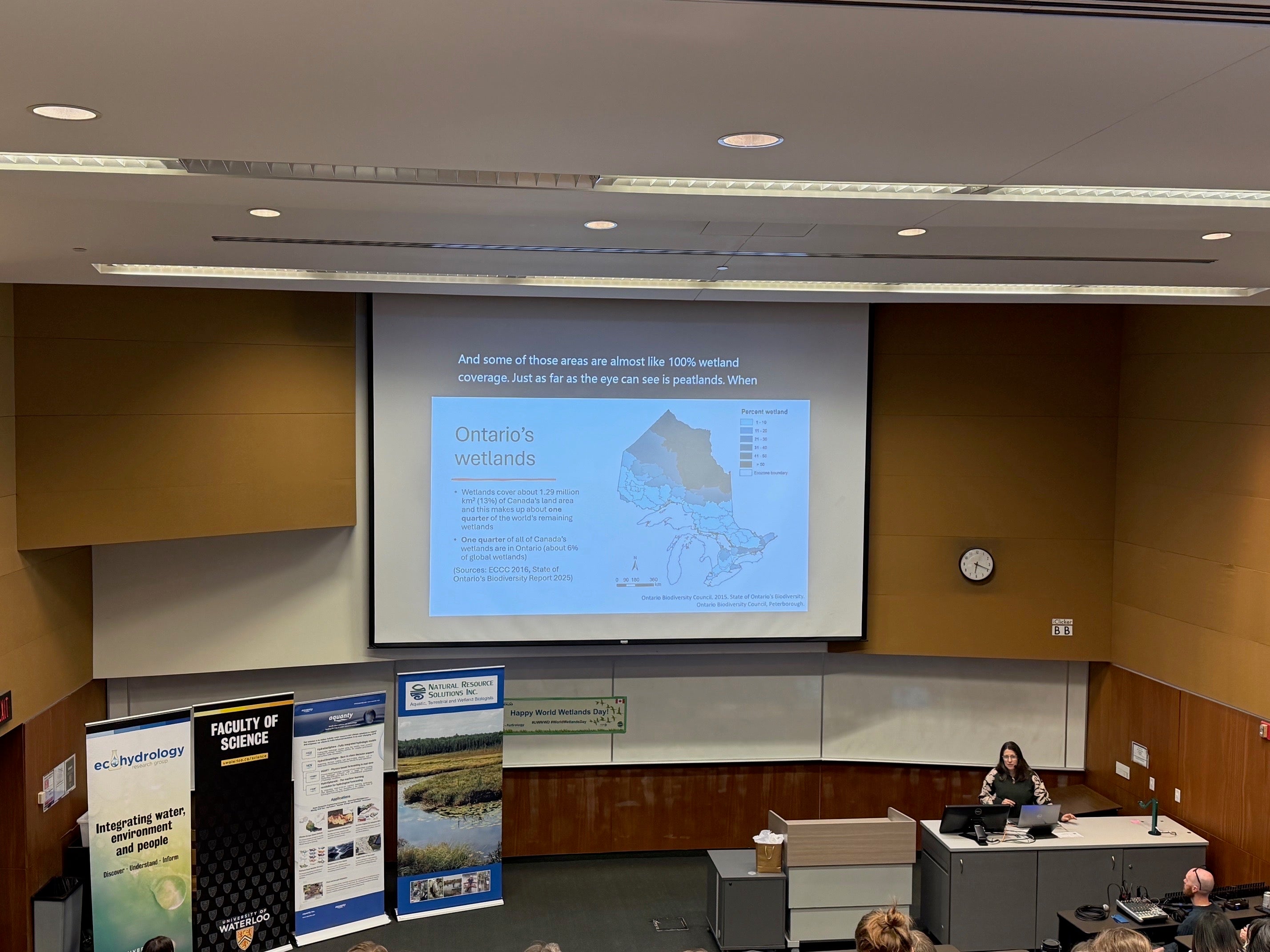
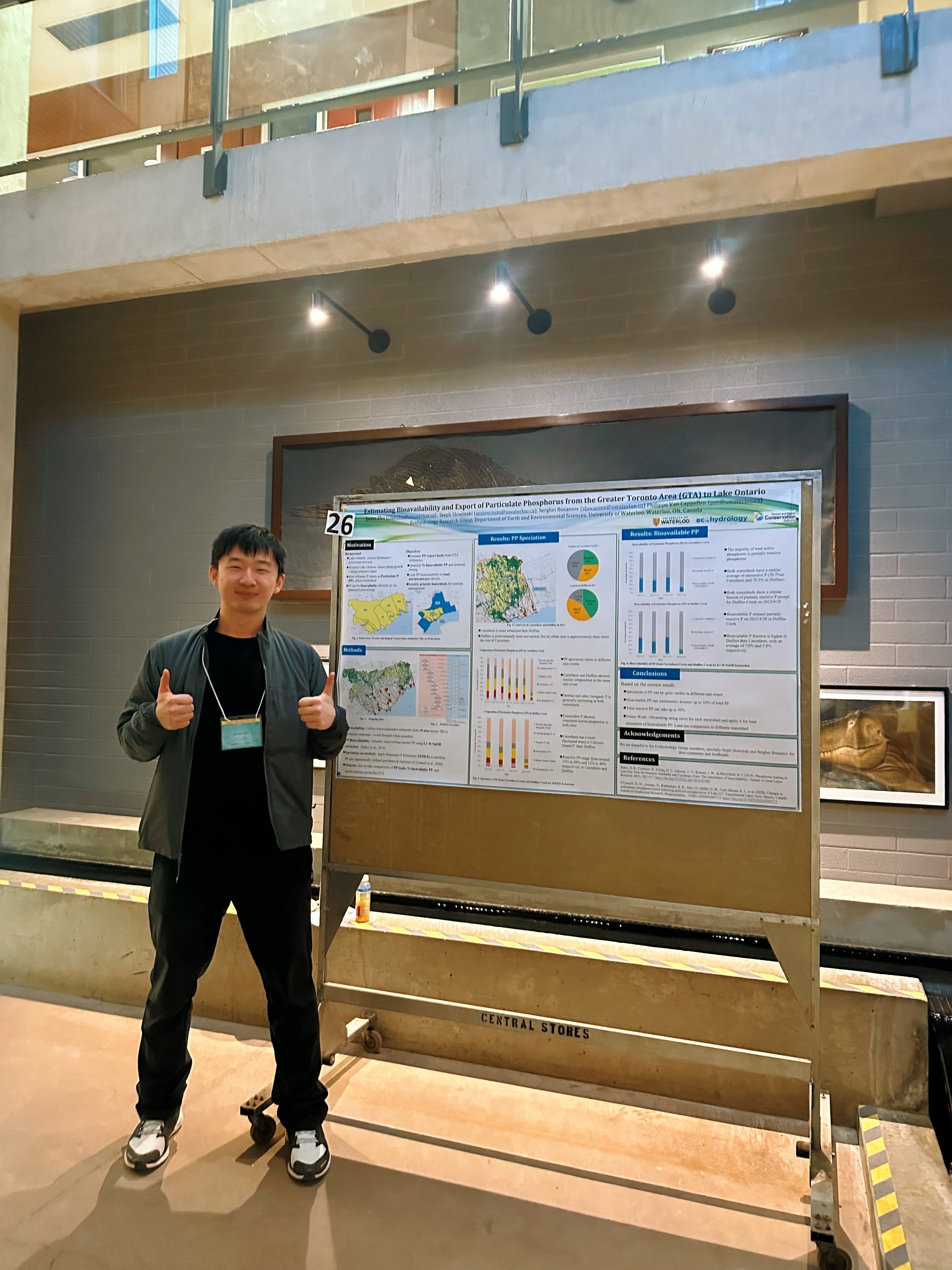
The Waterloo symposium included a poster session featuring 31 posters covering a wide range of research topics related to wetlands. Eighteen ERG undergraduate and graduate students, along with researchers, presented their research at the poster session. In the evening, Dr. Sarah Finkelstein, a Professor in the Department of Earth Sciences at the University of Toronto gave a distinguished lecture titled “From Biidasige Park in the Toronto Port Lands to the Winisk River on Ontario’s North Coast: linking paleoenvironmental research and Indigenous knowledge to support wetland conservation in Ontario”, which had over 140 registrants.
The following ERG members presented their research at the poster session:
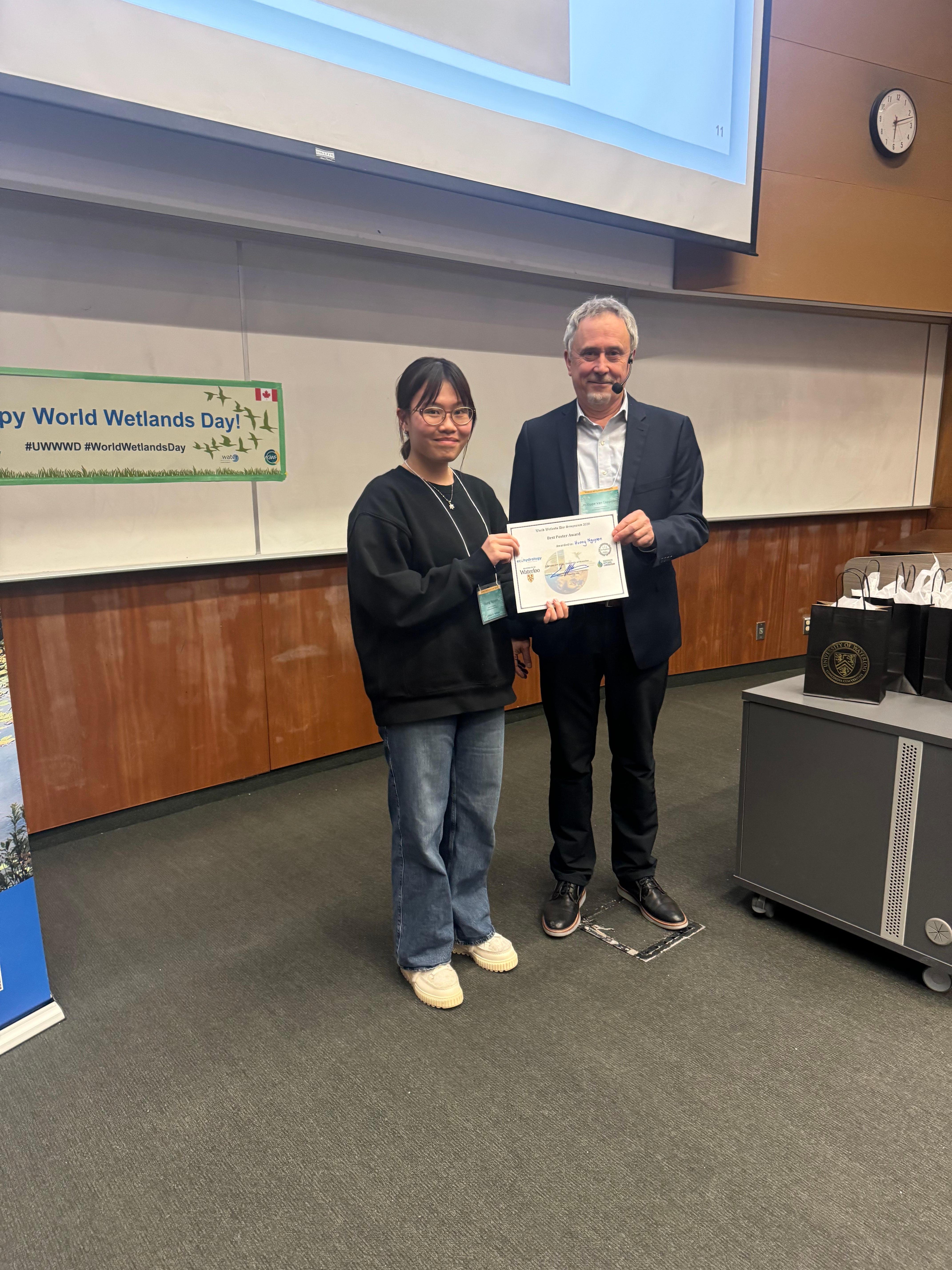
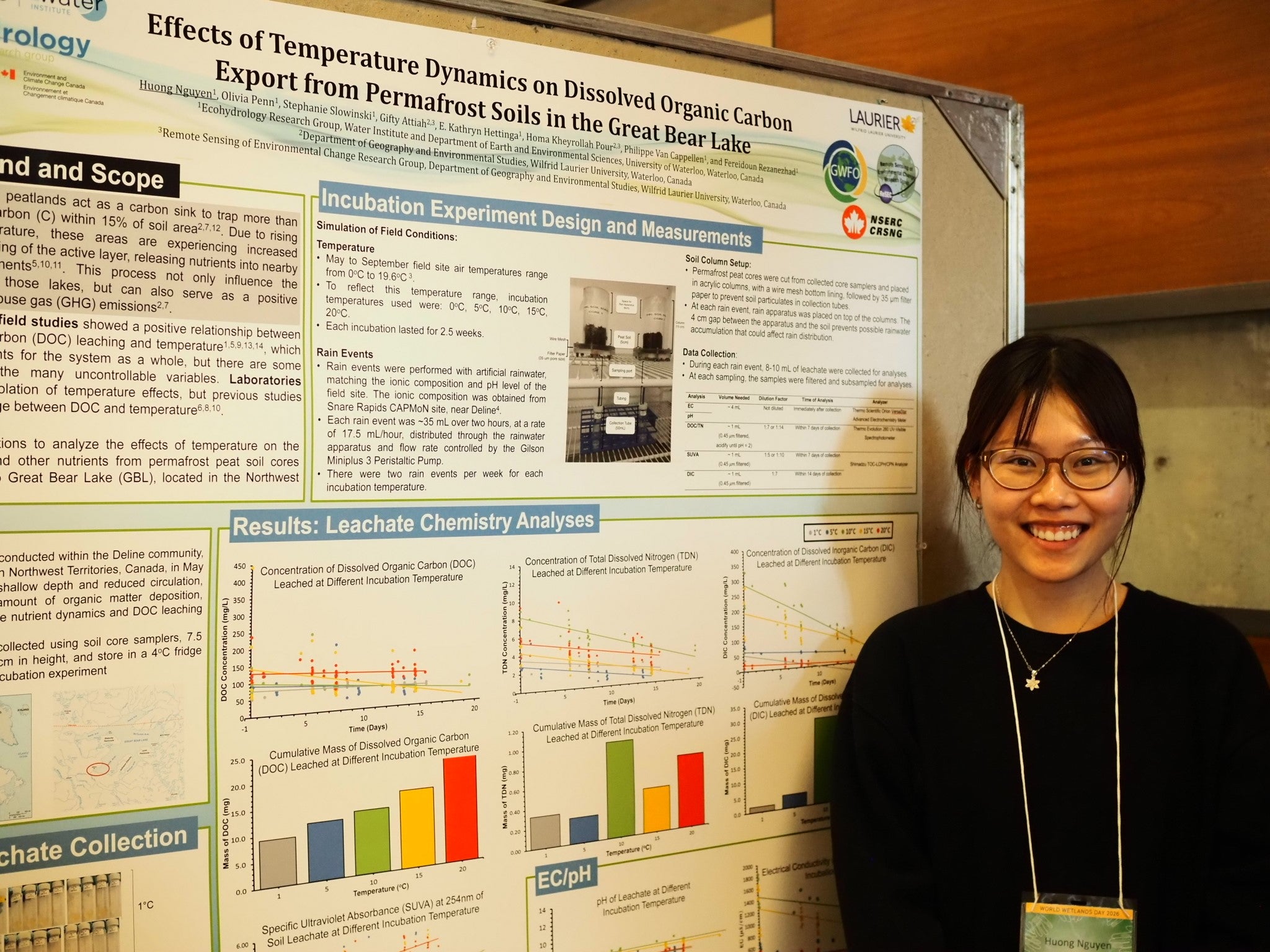
- Huong Nguyen - Understanding the Effects of Rising Temperature on Leaching of Dissolved Organic Carbon from Soil in the Great Bear Lake
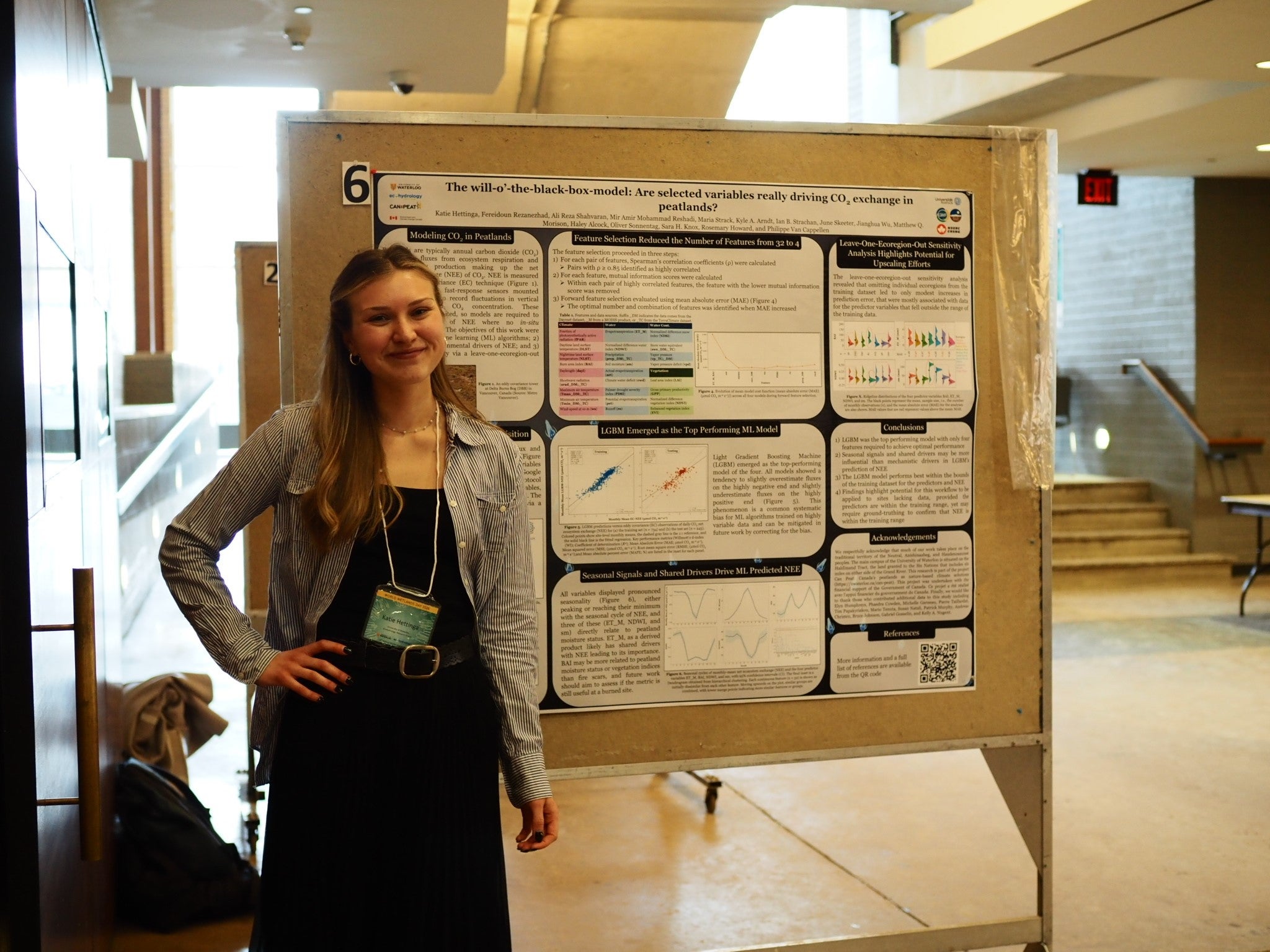
- Katie Hettinga - The will-o'-the-black-box-model: Are selected variables really driving CO2 exchange in peatlands?
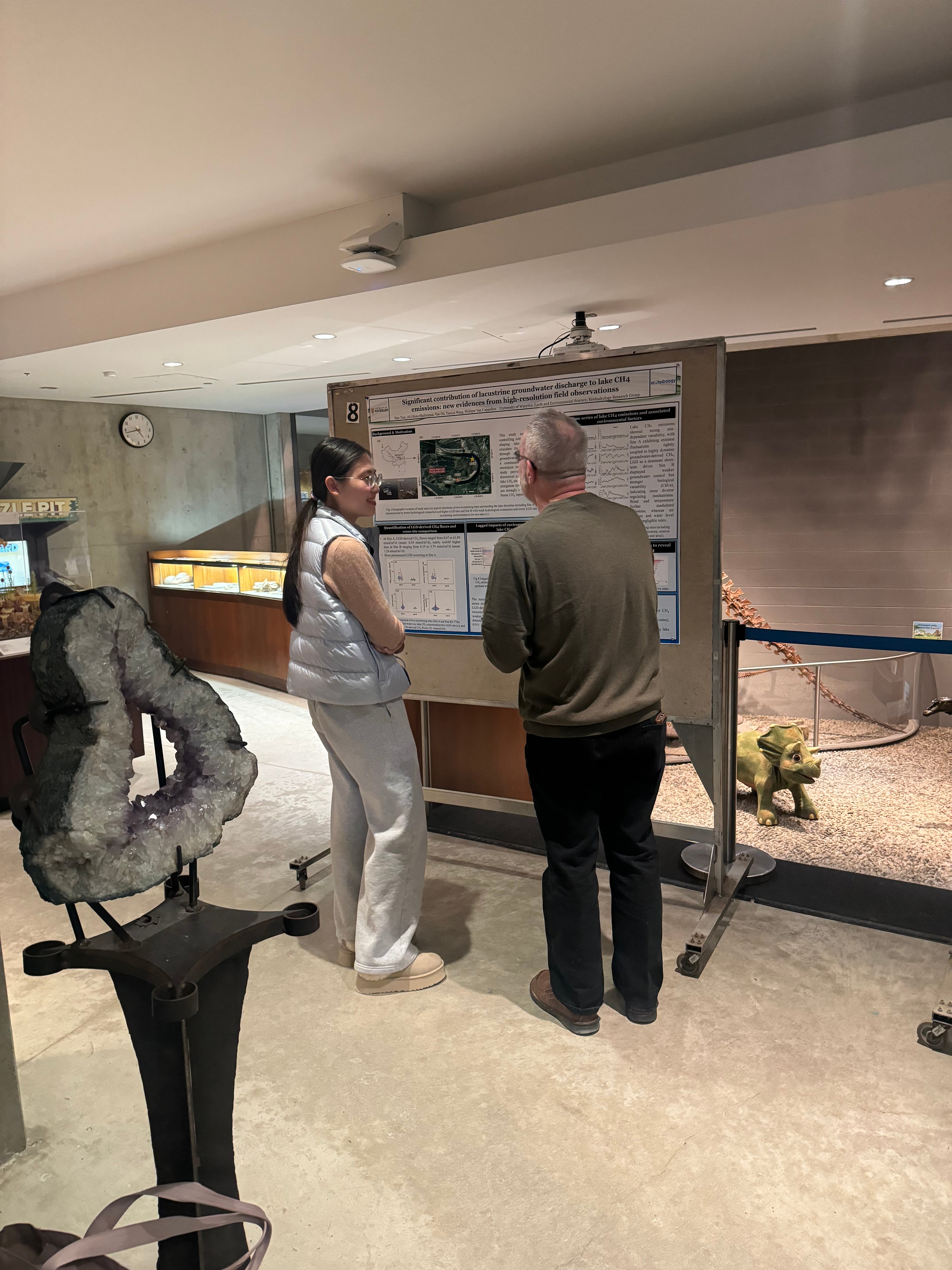
- Hao Tian - Significant contribution of lacustrine groundwater discharge to lake Ch4 emissions: new evidences from high-resolution field observations
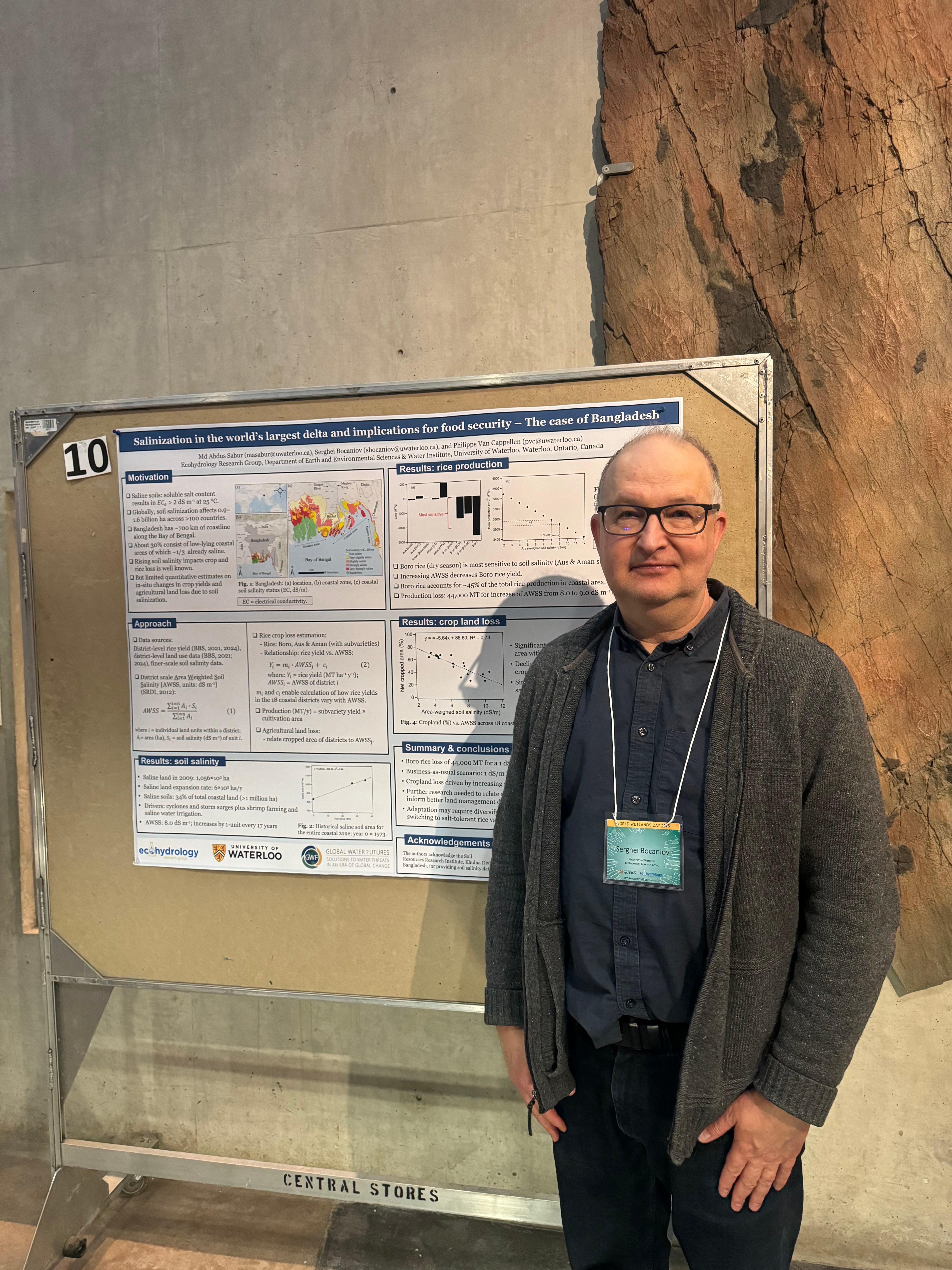
- Serghei Bocaniov - Salinization in the world’s largest delta and implications for food security – The case of Bangladesh
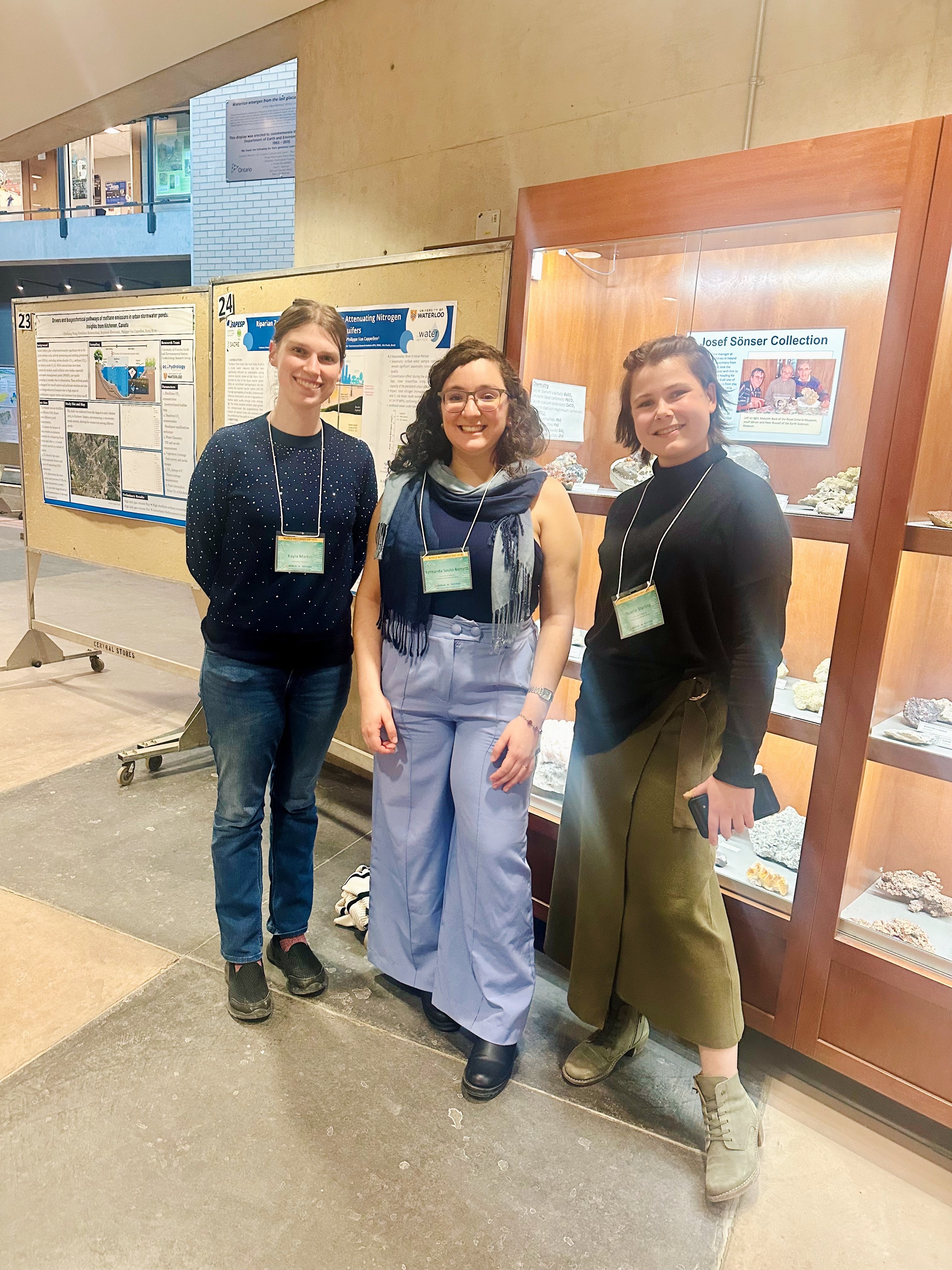
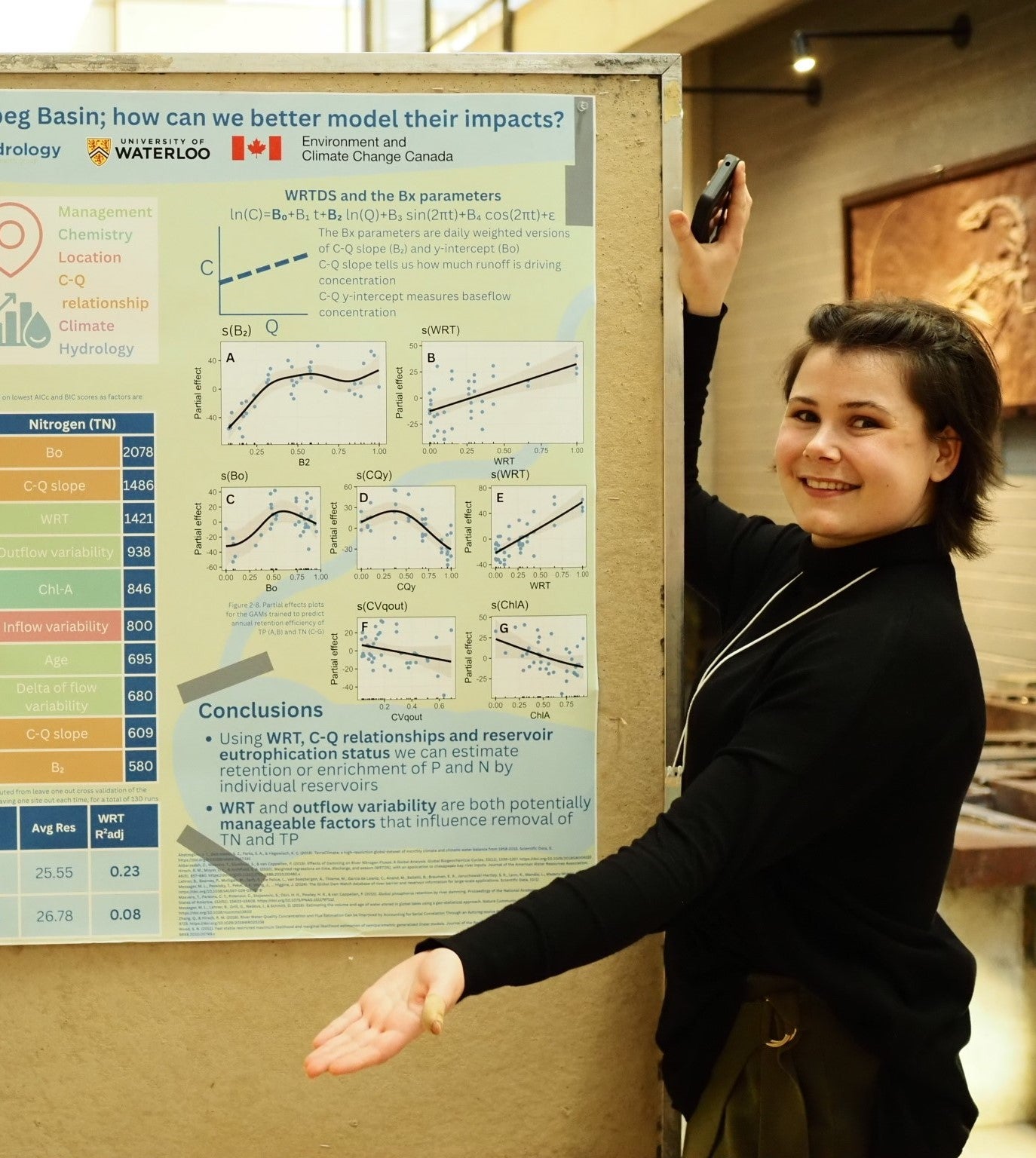
- Noelle Starling - Dams shape N and P loads across Lake Winnipeg Basin; how can we better model their impacts?
- Jiangkai Xue - Paleoclimate-Driven Sedimentary Environment Change Shaped High Iodine Aquifers in Alluvial Lacustrine Plains
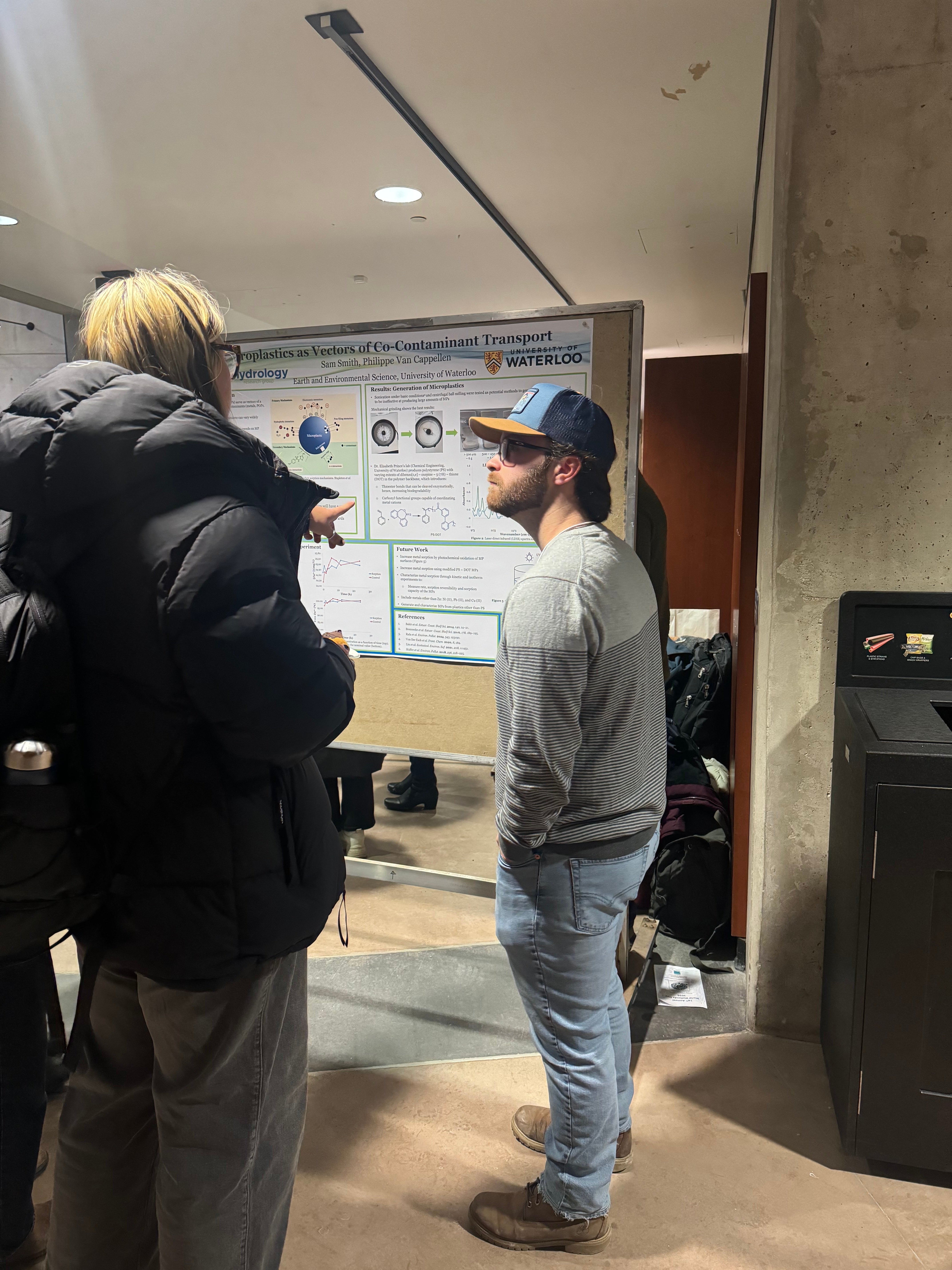
- Sam Smith - Microplastics as vectors of co-contaminant transport
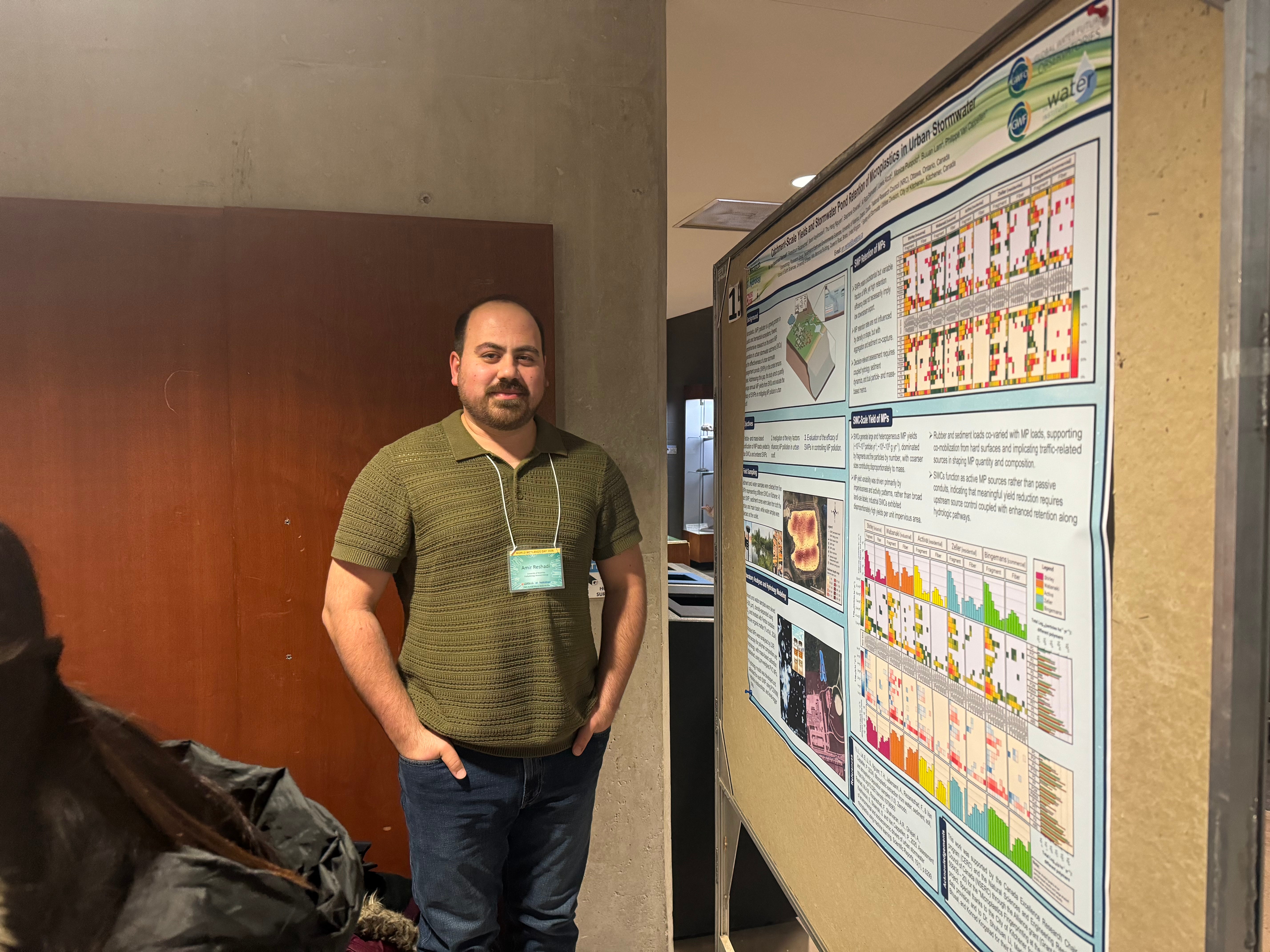
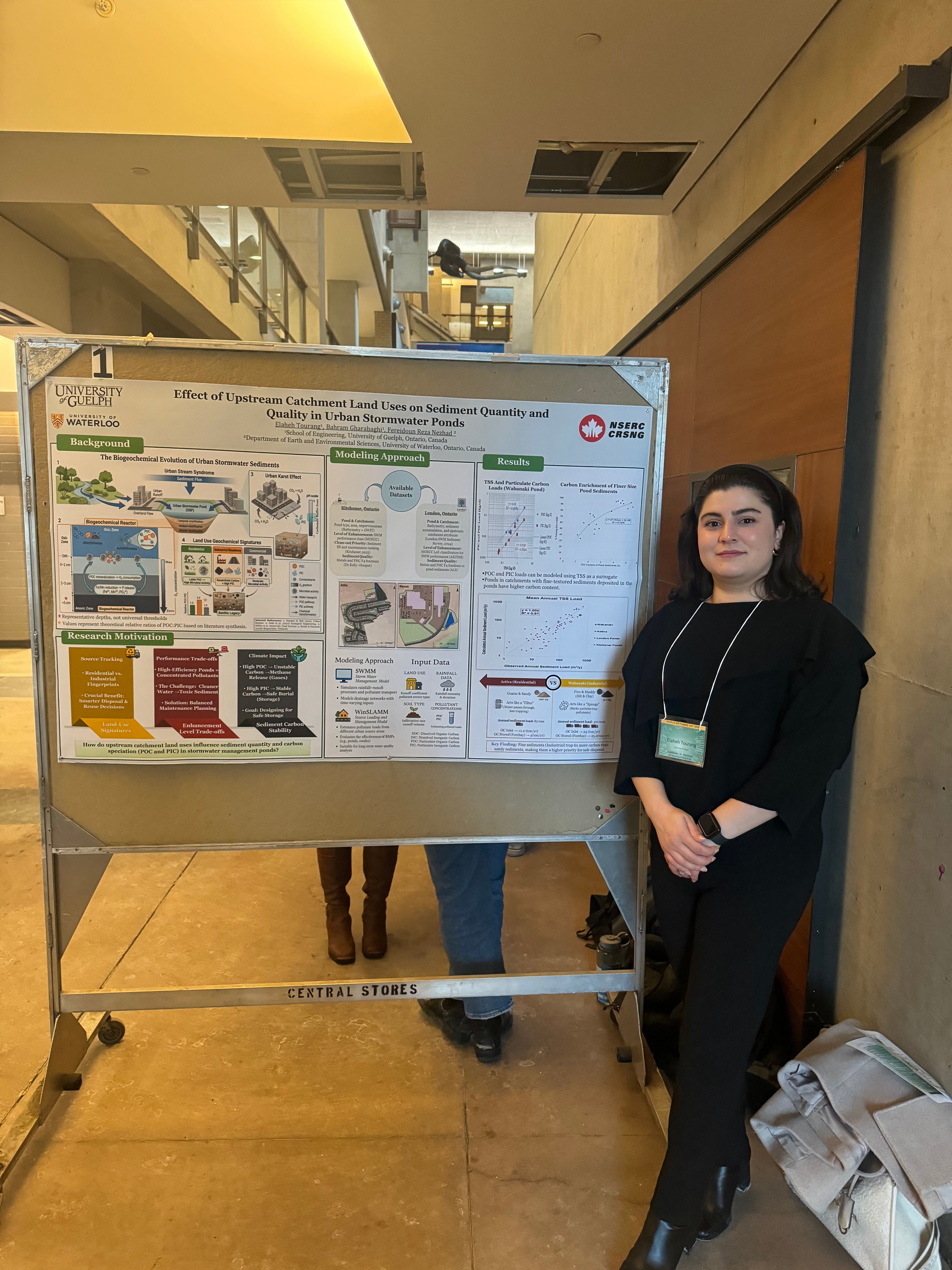
- Amir Reshadi - Microplastic Emissions and Retention in Urban Catchments and Stormwater Ponds
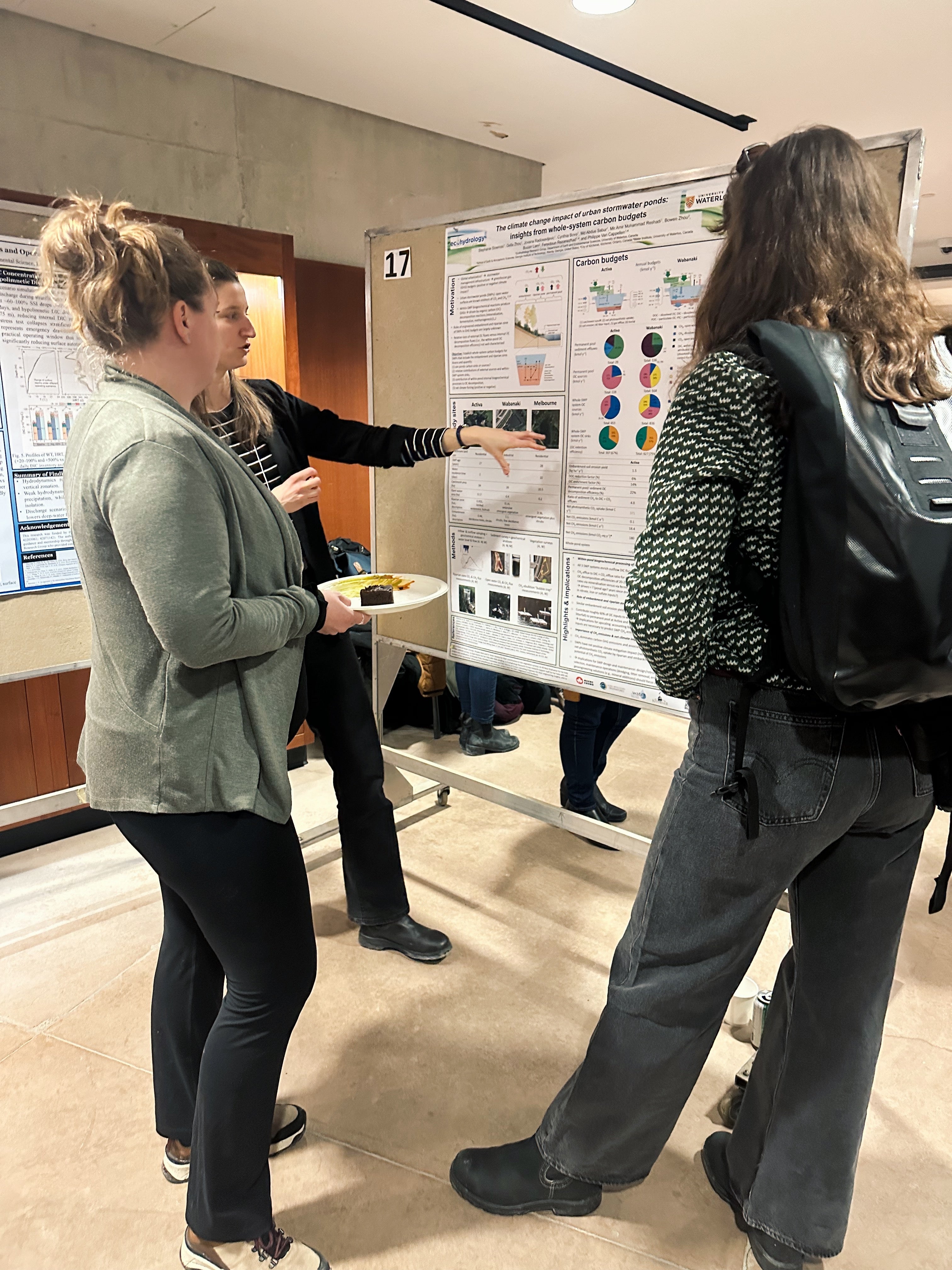
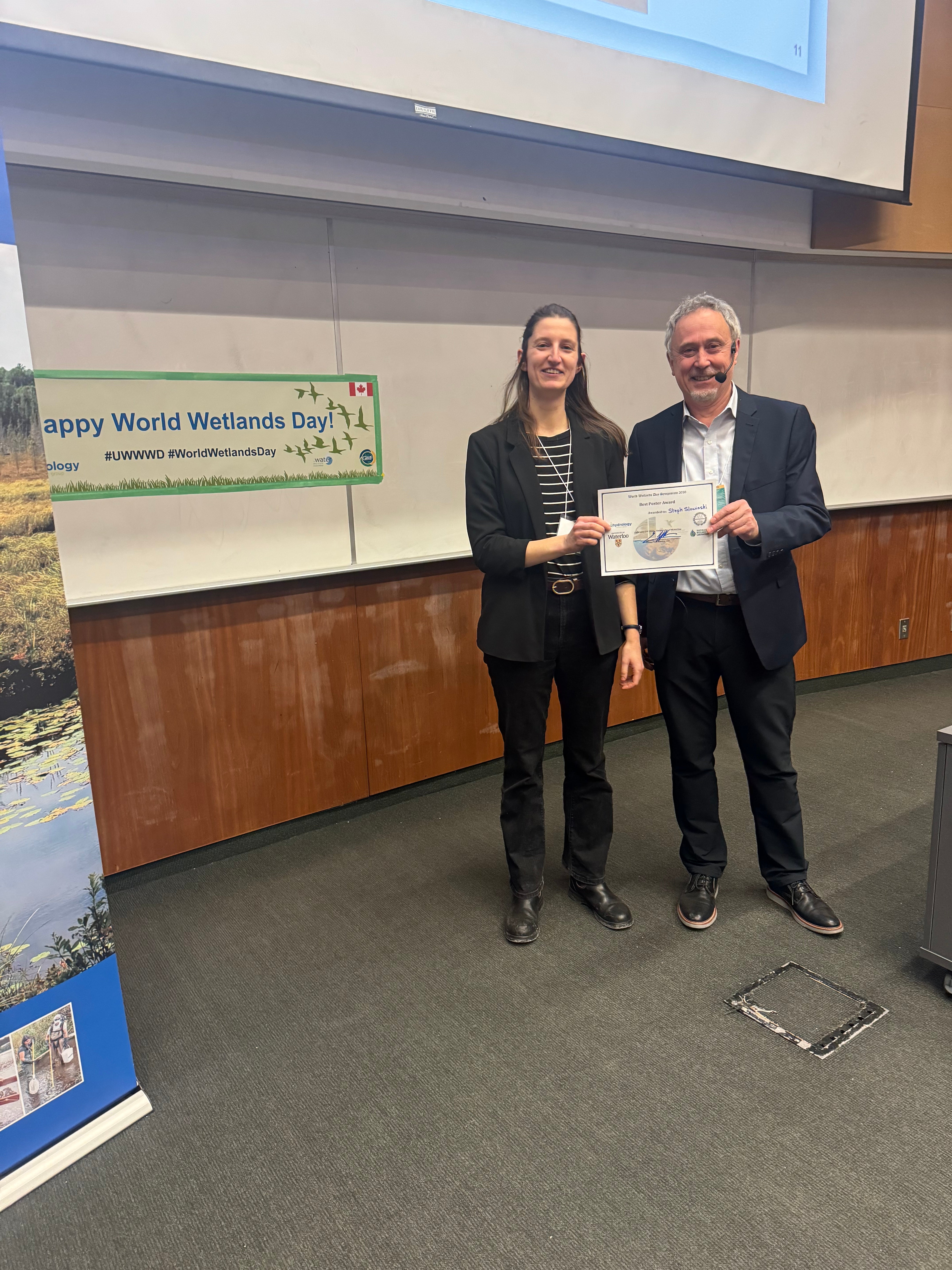
- Steph Slowinski - The climate change impact of urban stormwater ponds: insights from whole-system carbon budgets
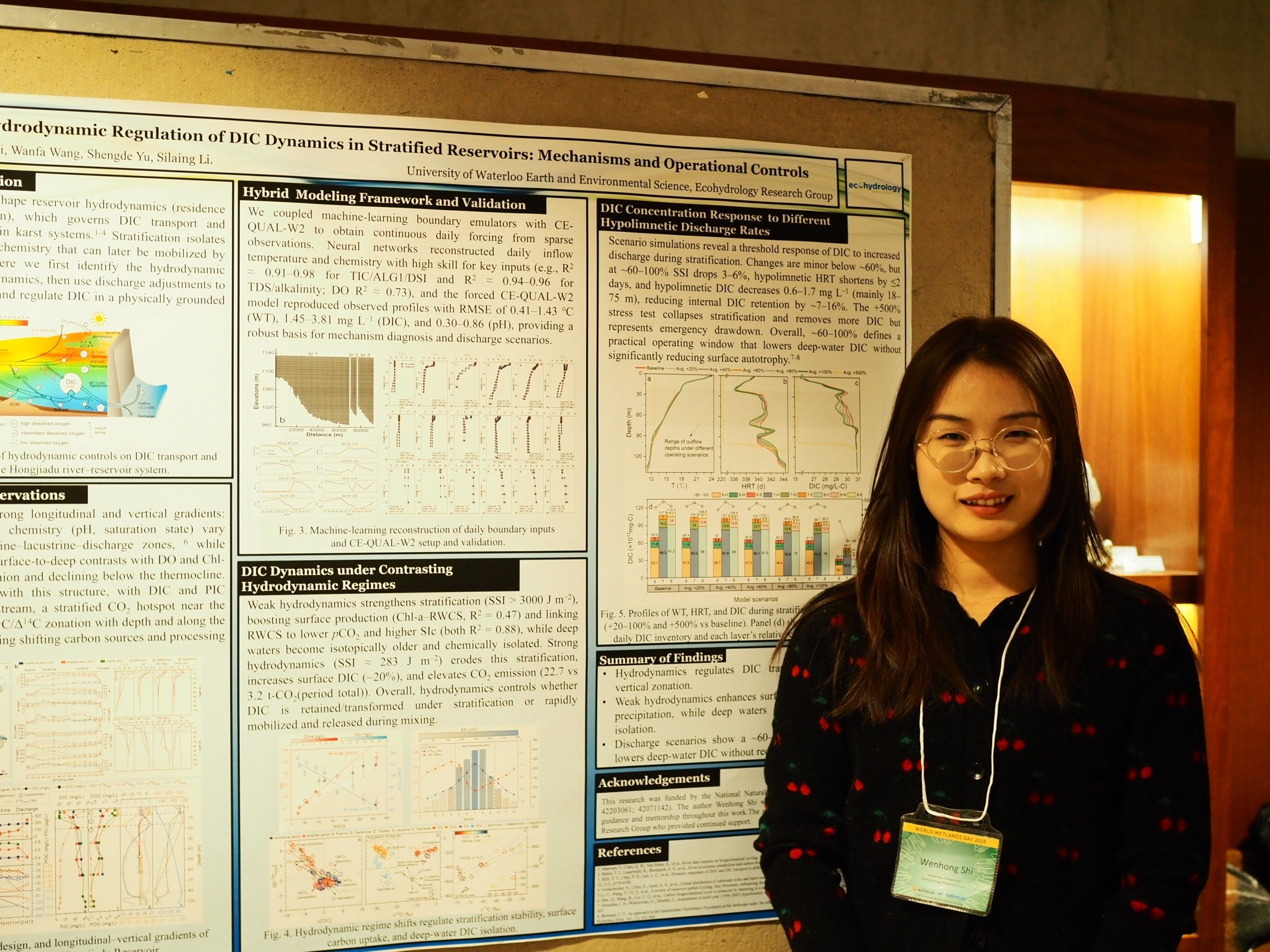
- Wenhong Shi - Hydrodynamic Regulation of DIC Dynamics in Stratified Reservoirs: Mechanisms and Operational Controls
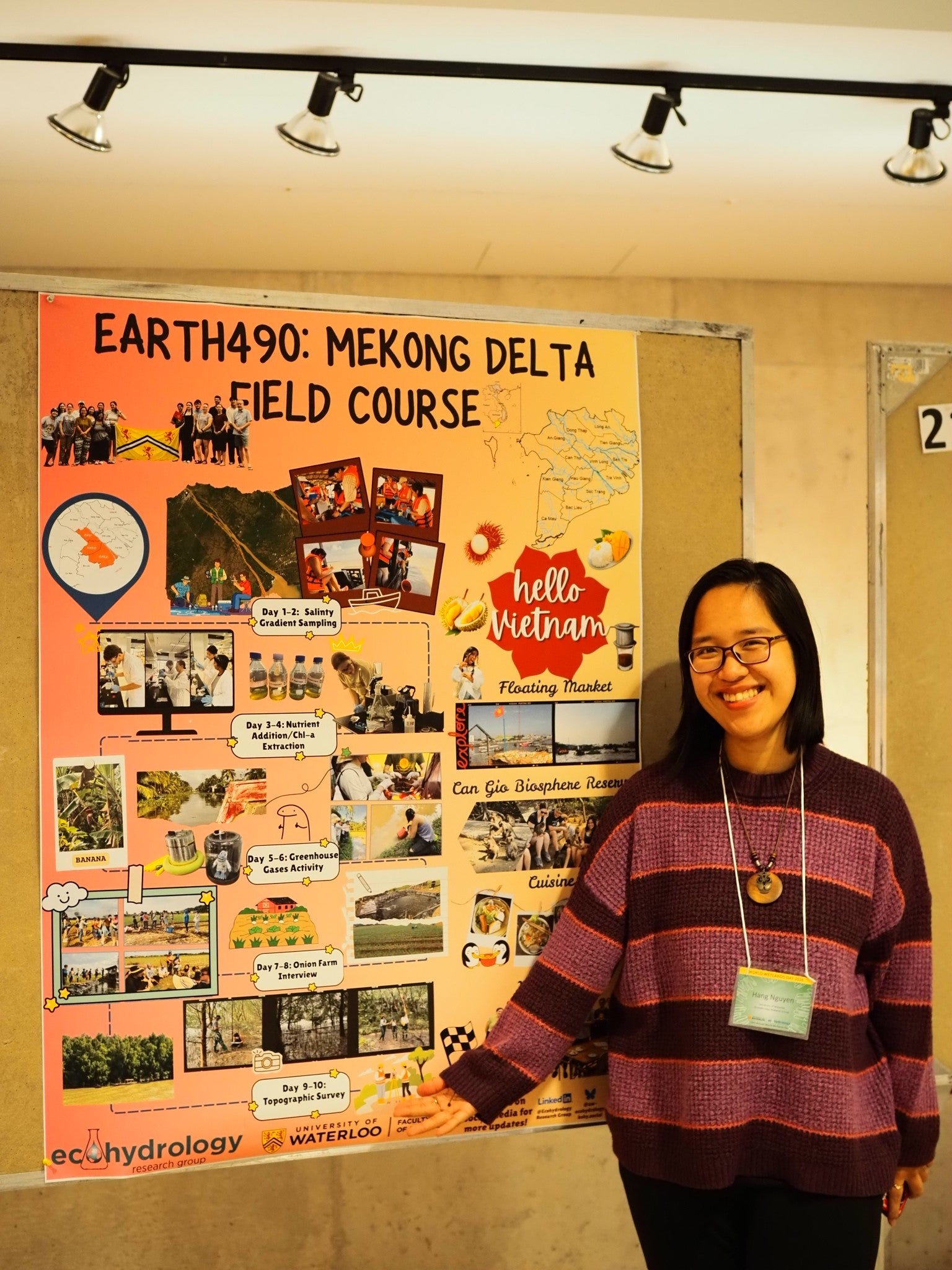
- Hang Nguyen - EARTH490: Mekong Delta Field Course
- Xinchang Wang - Drivers and biogeochemical pathways of methane emissions in urban stormwater ponds: Insights from Kitchener, Canada
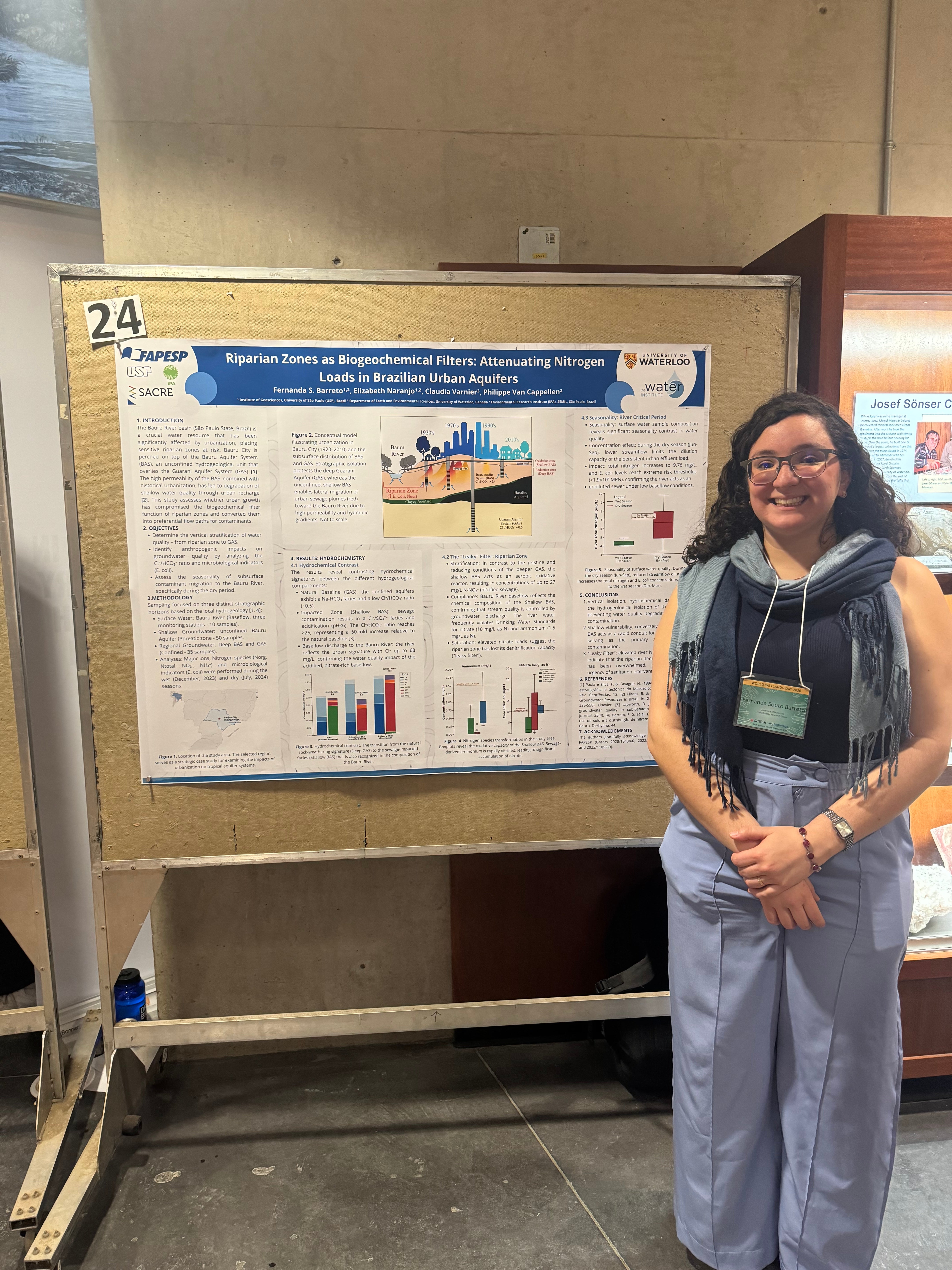
- Fernanda Souto Barreto - Coupling Hydrogeology and Riverine Health: Sewage-Derived Groundwater Discharge Driving Urban Stream Degradation
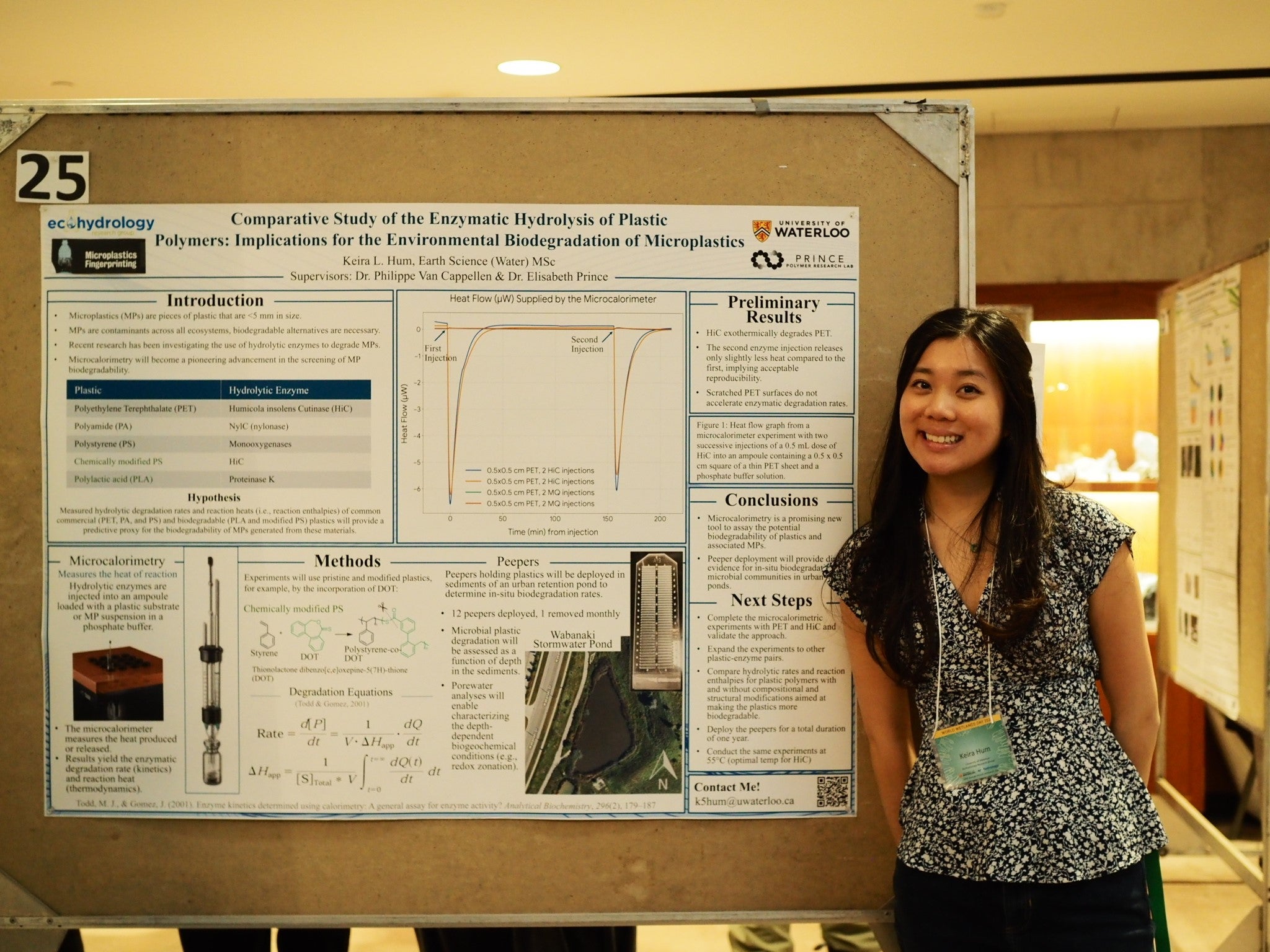
- Keira Hum - Comparative Study of the Enzymatic Hydrolysis of Plastic Polymers: Implications for the Environmental Biodegradation of Microplastics
- Jason Zhu - Bioavailability of Particulate Phosphorous
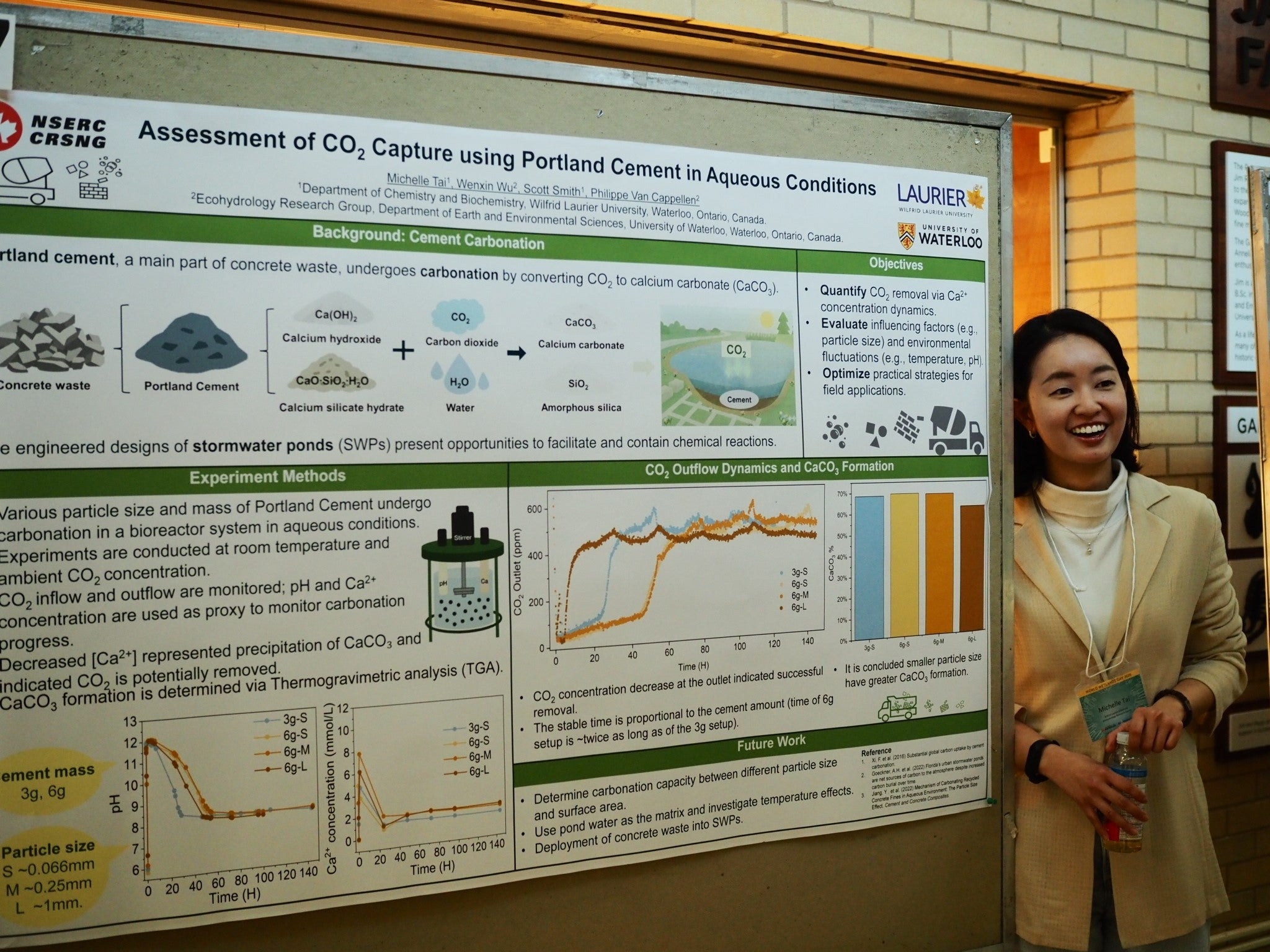
- Michelle Tai - Assessment of CO2 Capture using Portland Cement in Aqueous Conditions
- Shengde Yu - GRM: Linking Global Databases to Process-Based Reservoir Simulations
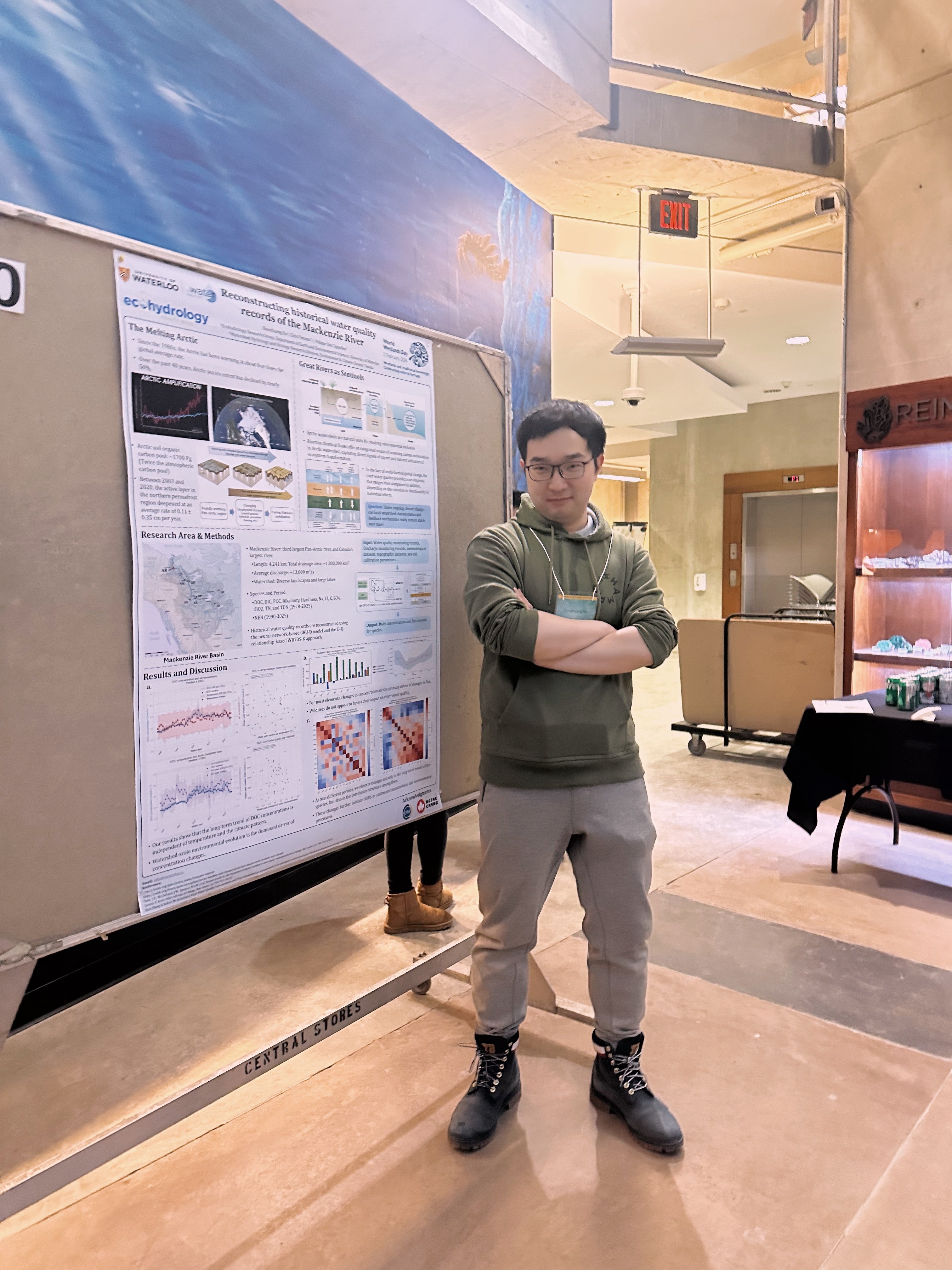
- Xiaochuang Bu - Reconstructing historical water quality records of the Mackenzie River
Many thanks to Philippe Van Cappellen, Maria Strack, Fereidoun Rezanezhad, Rebecca Rooney, Steph Slowinski, Bhaleka Persaud, Maryam Bayatvarkeshi, and Tia Jenkins for their help in organizing the day's events. We gratefully acknowledge the support of the University of Waterloo community, including the Faculty of Environment, the Faculty of Science, and the Water Institute.
We also extend a special thank you to Aquanty for sponsoring the event and fully covering the graduate student poster prize, and to Natural Resources Solutions Inc. for sponsoring and fully covering the undergraduate student prize.