Transdisciplinary research and reconciliation in Haida Gwaii
The most rewarding and impactful research of my career has been of this kind. When I’m lucky, I have the privilege to witness moments of transformative transdisciplinarity.
I joined SERS just over two years ago and before I had students to supervise, an office with a window, or a group of co-conspirators with (occasional) late-afternoon thirst, my office was overflowing with waterlogged—potentially mold-steeped—ancient wood.
SERS brings together a diverse group of people focused on tackling the profound ecological and social issues confronting humanity. We’re interested in different kinds of problems, but we all seem to like rolling up our sleeves and getting involved. As a result, we often find ourselves working with or alongside the people experiencing the problems we study, or implementing solutions.
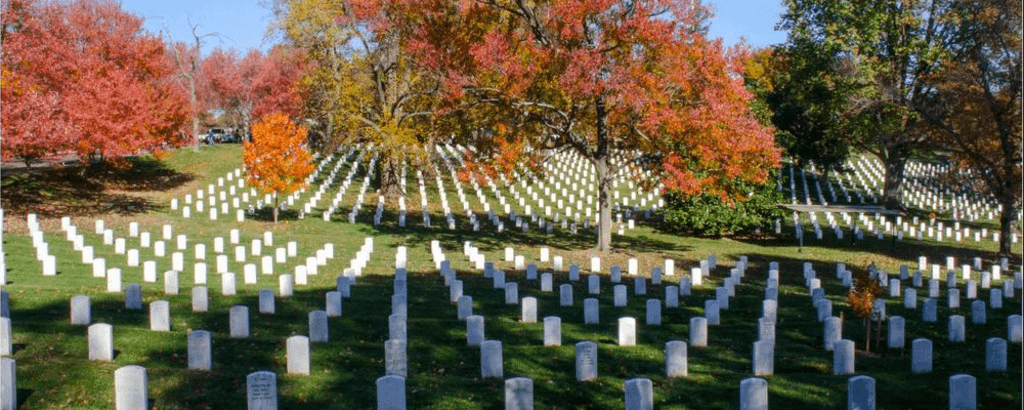
Living beside a cemetery is never boring and, contrary to popular belief, it isn’t quiet. There are kids taking shortcuts on the walk to school, old married couples strolling and bickering, yappy dogs harassing squirrels, and teenagers – on dark summer nights – daring each other to do silly things.