Blog

Filter by:

Limit to posts where the title matches:
Limit to posts where the date of the blog post:
Date range
Limit to posts tagged with one or more of:
Limit to posts where the audience is one or more of:

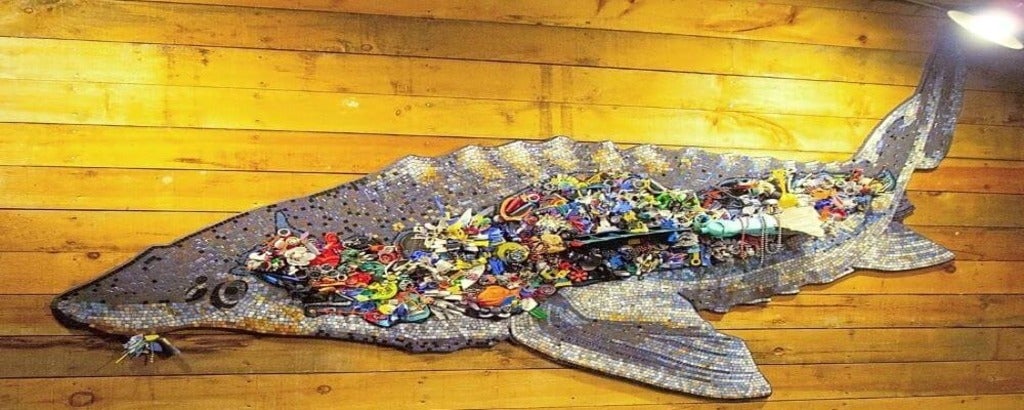
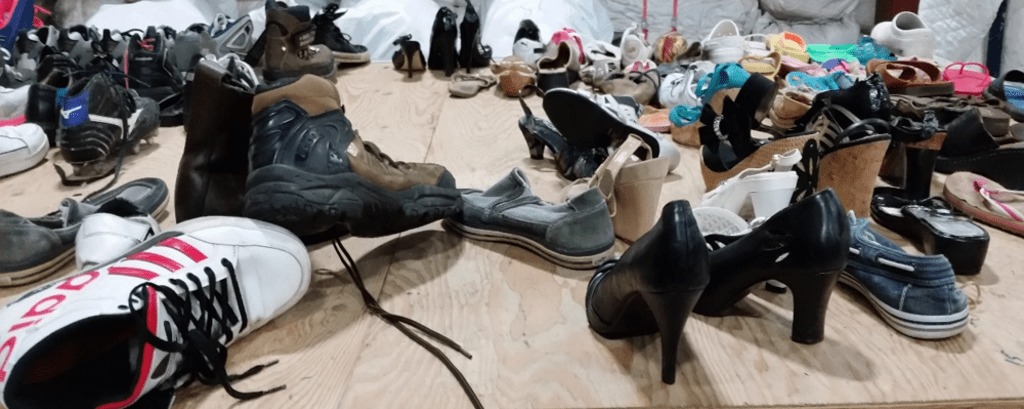
This simple question sounds like it would lead to a simple answer, but the fate of even a single shoe involves some of the most complex issues related to textile waste. I quickly discovered this during my master’s studies at the University of Waterloo’s School of Environment, Resources and Sustainability.
Natural gas reservoirs were first discovered in Ontario in 1866, and drilling to extract the new source of energy began in the early 1900s. Since then, thousands of natural gas wells have been drilled in southwestern Ontario. As extraction became inefficient due to the depletion of gas reservoirs, many of these wells were abandoned. Most wells abandoned before the 1970s were inadequately plugged to the standards of the time.

The dilemma began when we challenged ourselves to solve the elemental issue of food security about a century ago. We assumed that the climate would not change, but unknowingly we created numerous environmental issues through industrial agriculture causing the degradation of the natural resources such as soil. We thought focusing on the interdependent human needs – water, energy and food is enough to address the current and future challenge of sustaining humankind while protecting and addressing environmental concerns.

As a three week, Monday to Friday field course, ERS 341 Professional Practice I is designed to equip students with the real-world tools and experience that will carry them into their dream jobs, graduate studies, and beyond. Introducing students to monitoring and assessment techniques for mammals, birds, insects, reptiles, amphibians, soil, freshwater mussels, and plants, students gain hands-on learning experience in collaboration with partner organizations and experts in the field.

The students enrolled in ERS 342 Professional Conservation and Restoration Practice II, a 1.0 Credit course, were provided an excellent opportunity to learn from ecological restoration professionals engaged in forest, prairie, wetland, and marsh restoration in the Long Point World Biosphere.

Nothing about a river is straight, nor is its management straightforward. I quickly learned from my exploratory research, evaluating monitoring indicators in the Muskoka River Watershed, that the supposedly simple task of generating a list of environmental indicators for monitoring watershed health was more about social equity, communication, organizational capacity and partnerships, than it was about managing the watershed – at least at that stage in the monitoring program’s development.