
The School of Environment, Resources and Sustainability (SERS) offers a student-centred approach where you can customize our core Environment, Resources and Sustainability (ERS) program to suit your personal interests and work towards an exciting environmental career. SERS tackles challenges at every scale from local food systems to global climate change, with deep strengths in resource sustainability, ecosystem conservation and environmental policy. You can further expand your toolkit with the Knowledge Integration (KI) add-on diploma, which builds the interdisciplinary problem-solving and collaboration skills needed to bridge diverse fields. Ultimately, SERS equips you to ask the hard questions about complex problems and design the innovative solutions that make our graduates highly successful.
Programs and diploma options
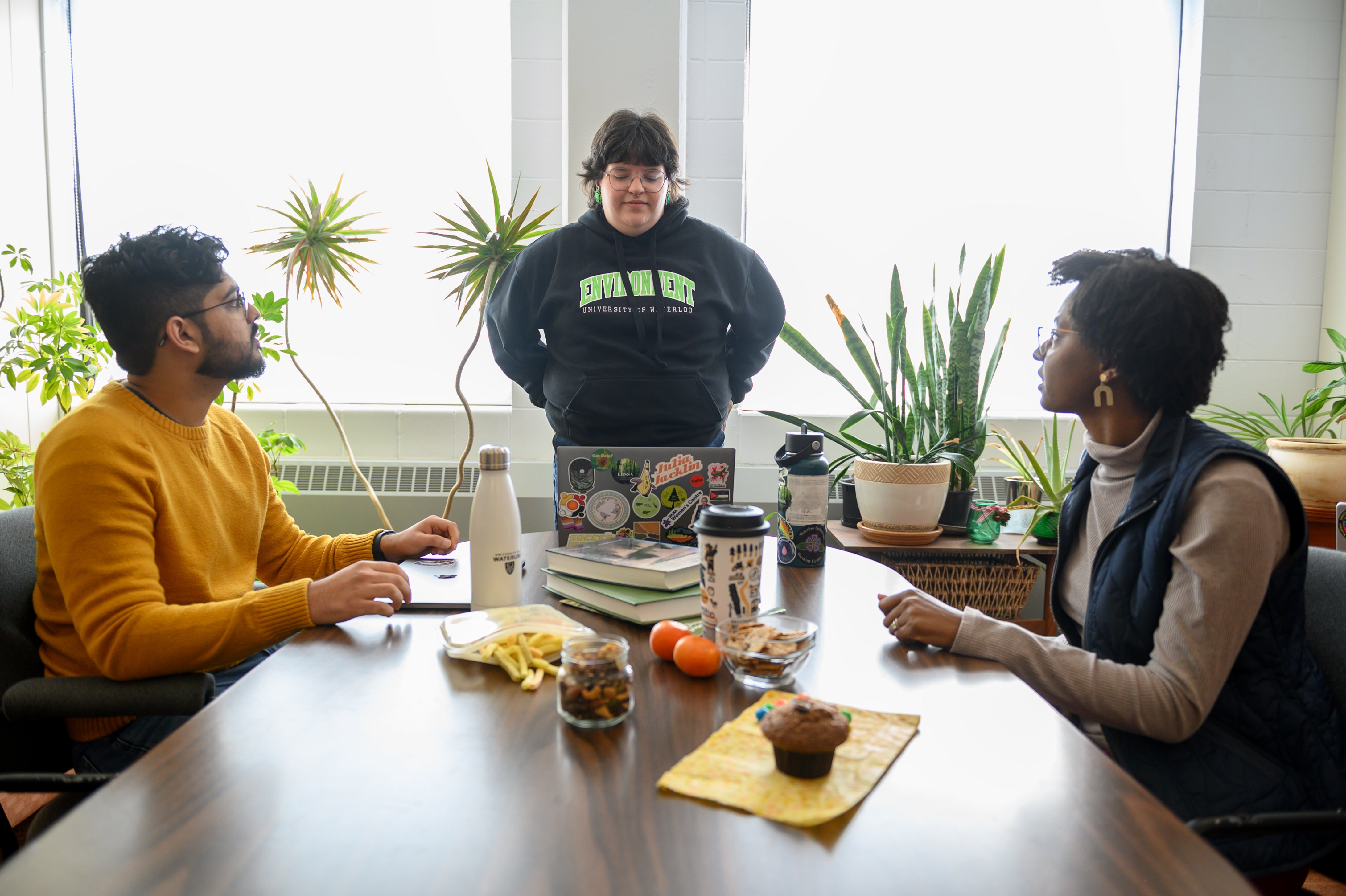
Environment, Resources and Sustainability
Use insights from natural and social sciences to address major environmental challenges like water scarcity and biodiversity loss, while learning about ecosystem conservation and governance in small, community-focused classes.
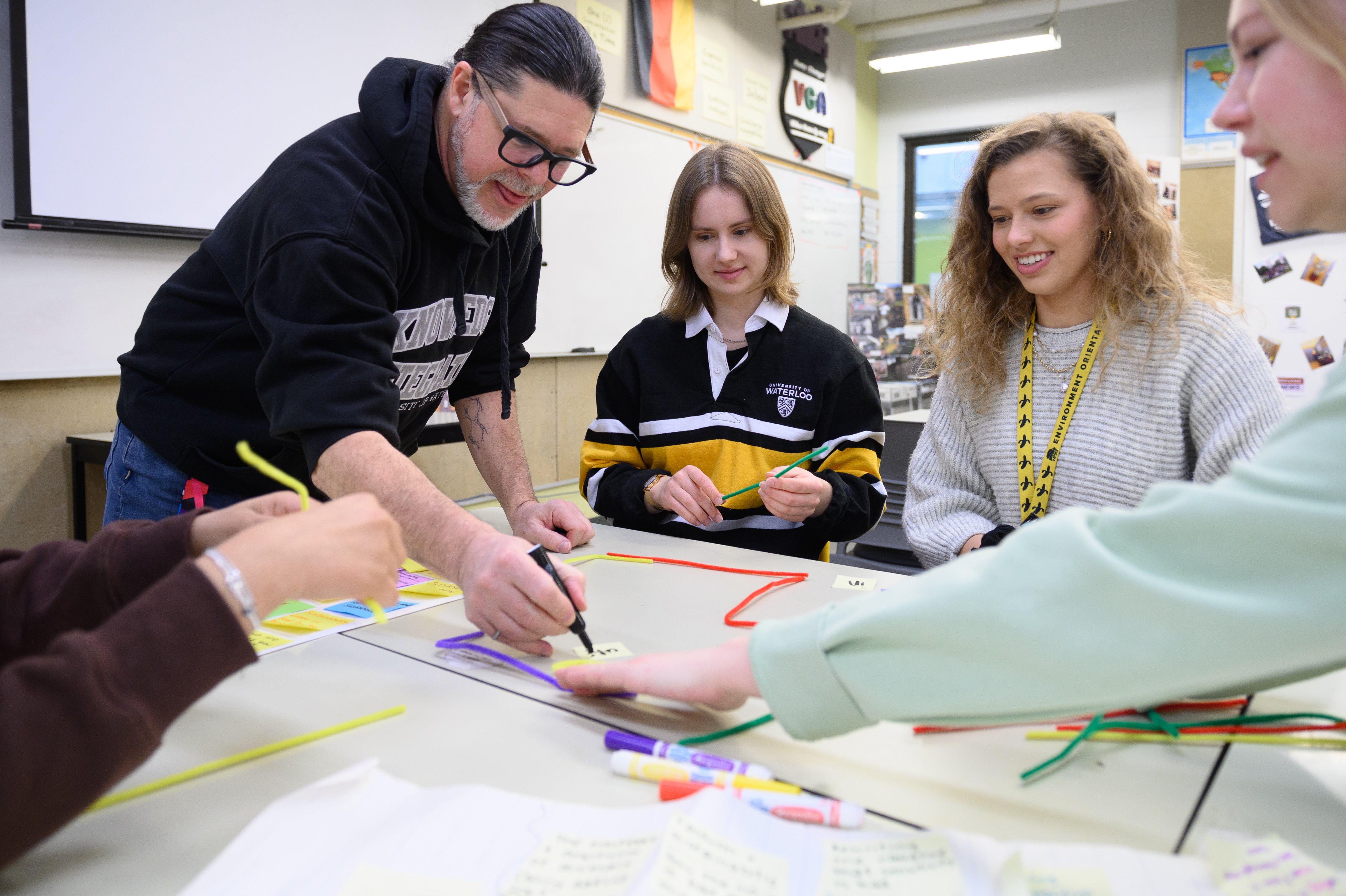
Diploma in Knowledge Integration
The Knowledge Integration diploma options offers students the opportunity to explore interests on both sides of the traditional arts and science divide, building their program around a core of skills that will equip them to understand and solve complex problems, communicate effectively, and be able to make a difference in a changing and complex world.
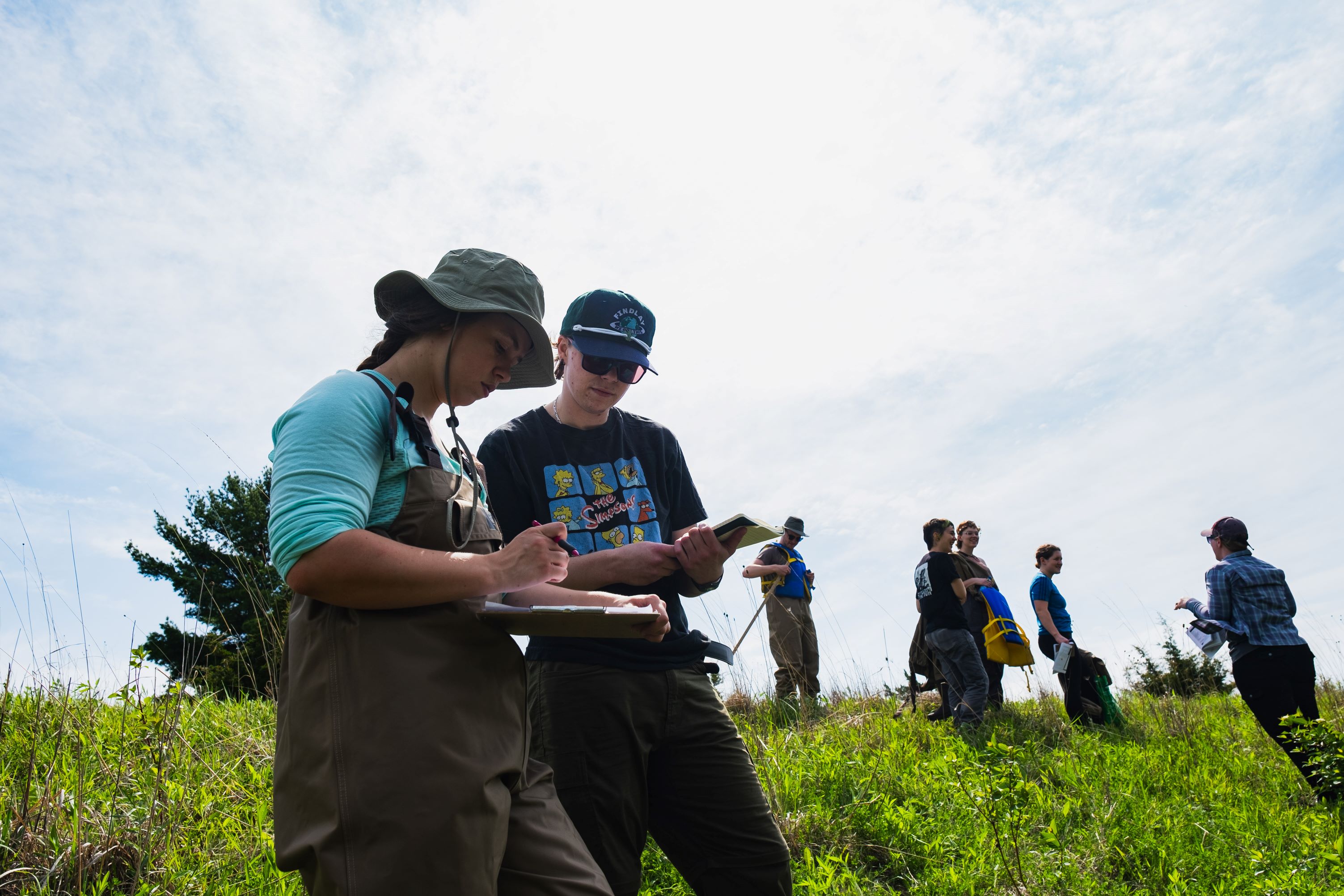
Diploma in Environmental Assessment
Build skills to assess the potential environmental, social and economic impacts of resource projects and industrial development. Learn the foundations of an increasingly important environmental career path – in industry, government and the NGO sector - that helps decision-makers make choices about different sustainability options, limits risk and harm to the environment, and ensures the public is informed and engaged.
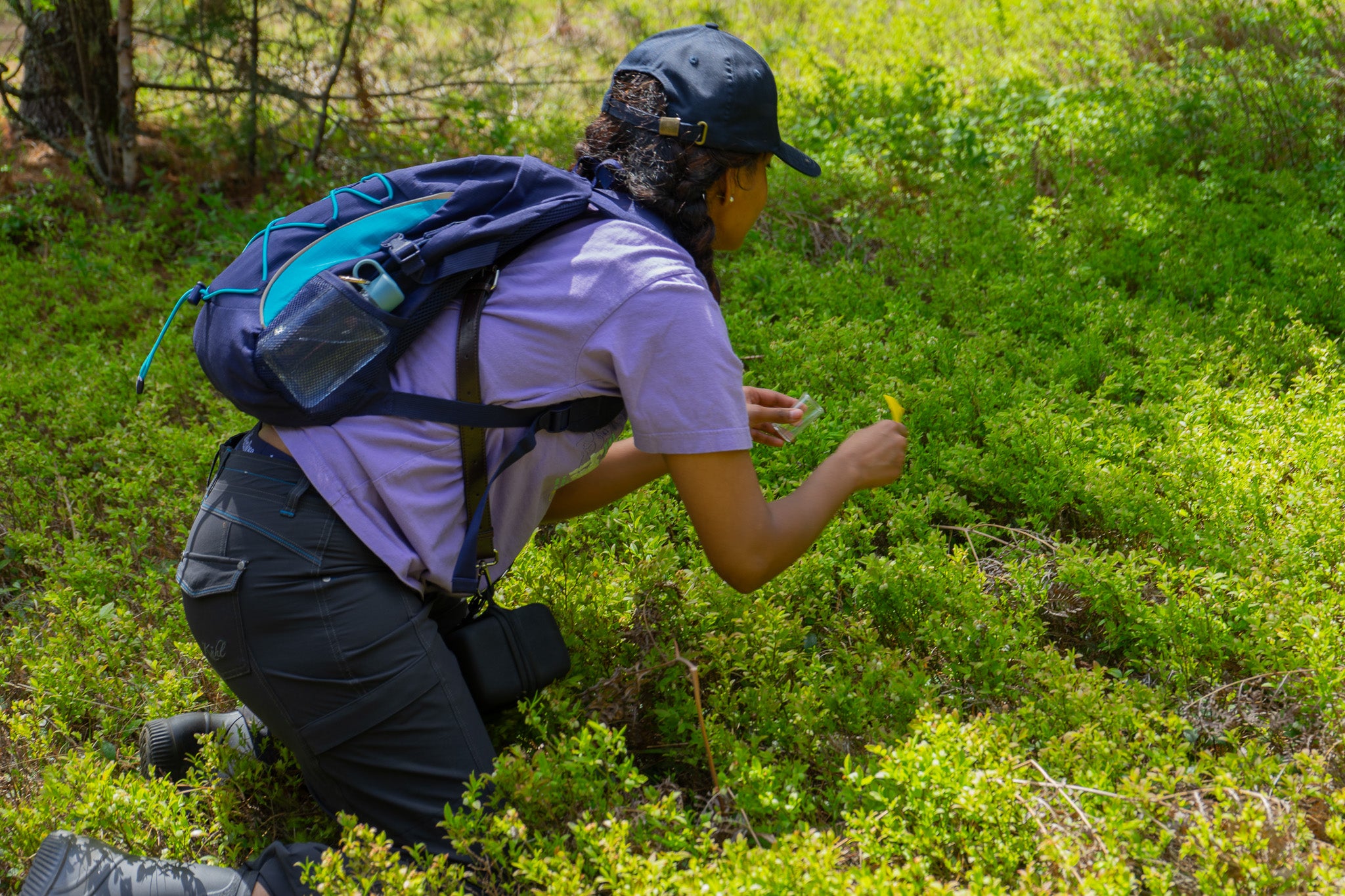
Diploma in Ecological Restoration
The Diploma in Ecological Restoration provides students with the foundational skills and knowledge to assess, restore and rehabilitate terrestrial and aquatic ecosystems that have been disturbed or damaged, mostly because of human activity (e.g., urban development, forestry or mining, recreational trails expansion). Complement field and applied courses with the diploma to build career-ready skills suitable for a wide range of environmental sectors.
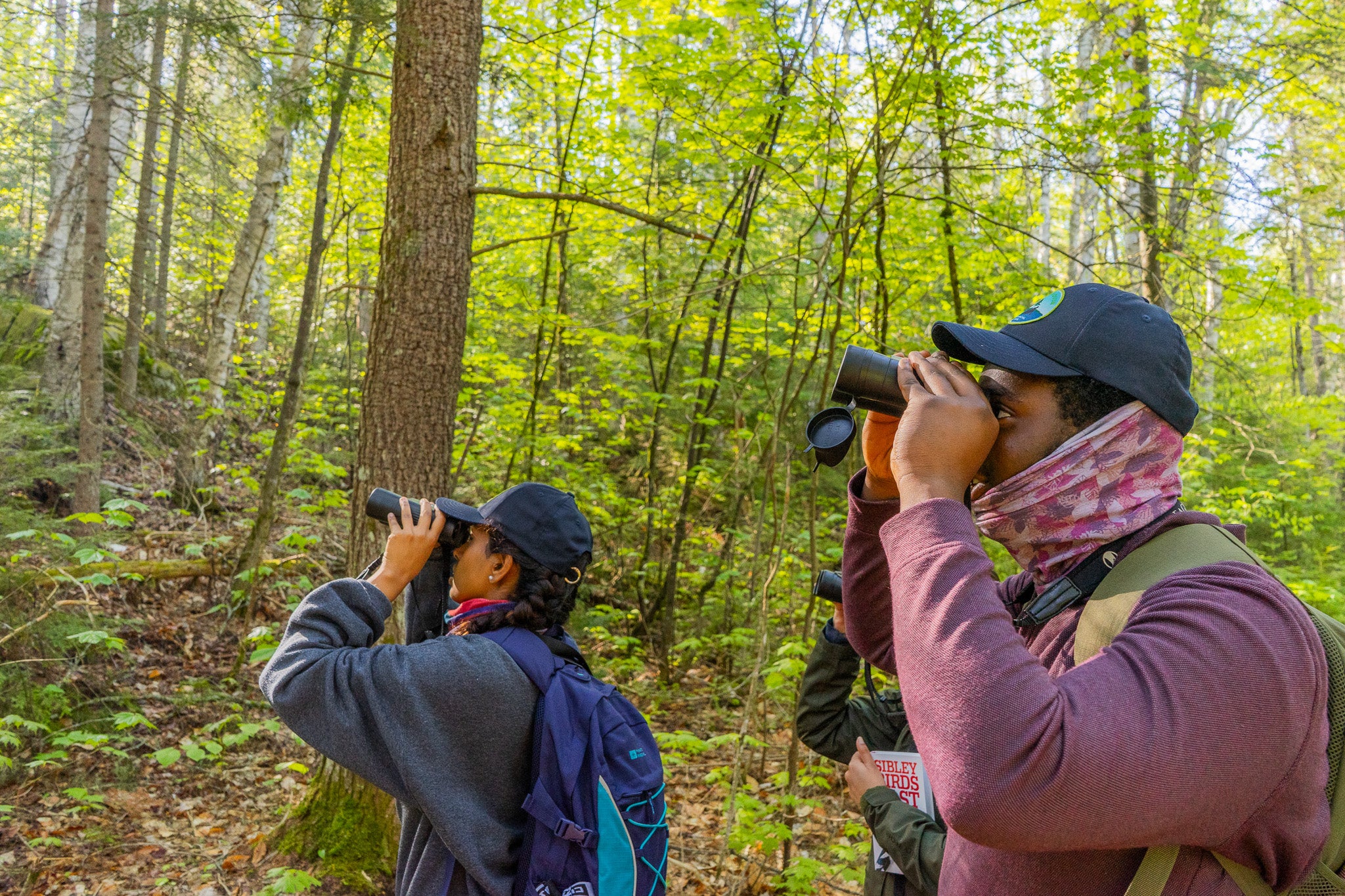
Parks Minor
Have you ever gone camping, had a picnic in a natural area, or been hiking? Then chances are you have spent time in a park or protected area. Take the Parks Minor and learn about the ecology, conservation and management of ecosystems, conservation zones, and the many types of protected areas. You’ll have an opportunity to draw on a range of different perspectives (social and ecological), learn about the many different types of protection strategies, and build a foundation for careers in the natural resource and biodiversity conservation field.
Diplomas and minors are open to students from across the Faculty of Environment and other faculties as well. Contact our Undergraduate Coordinator (sers-ug@uwaterloo.ca) if you have any questions on how to plan for these additional credentials.
Interested in other credential options across the Faculty of Environment? Check out the wide range of options to customize your Environment degree.
Environmental career pathways



The Environment, Resources and Sustainability (ERS) program is flexible, but focused. If you are interested in solving big environmental challenges, we are committed to getting you future-ready with a wide range of skills and experiences you'll need for an environmental career with purpose and impact.
You can follow our guided pathways which focus on pressing issues like biodiversity conservation, food systems, water and climate/energy. Check them out to see some of the skills you will develop and professional careers that are available. And if you are interested in other complex environmental challenges not represented here, let us know. We can support your interests and help you craft your own exciting academic pathway.

Build a pathway that connects your interest in nature, people and policy. Combine field skills with interdisciplinary perspectives about biodiversity conservation. Complete your path with an applied research project that gets you ready for a meaningful career protecting our planet.

What is a sustainable energy future? How can we adress climate change? Build a pathway that combines knowledge of energy transitions (e.g., policies, markets, social change) and foundations in climate change mitigation. Use your skills to assess low carbon transitions or the ecological consequences of climate change, and complete your path with a career-focused research project!

Do you have a passion for food systems sustainability and agriculture? Blend policy, ecological and health perspectives to understand the cutting-edge strategies we need to sustainably feed the world. Finish your path with a reserach project on agroecosystems, community gardens or food politics to help launch your exciting career.


Passionate about water and sustainable futures? Combine foundational knowledge (e.g., in hydrology, water economics and governance) and field experiences with a portfolio of in-demand skills ranging from data-visualization to policy analysis. Complete your path with a challenge-driven reserach project and join the next generation of water leaders!
Adding additional credentials
Many students add credentials to expand and refine additional marketable skills - check out the links above for examples and more details. Credentials include minors, options, diplomas, and certificates, like the Parks minor, or diplomas in Ecological Restoration, Environmental Assessment or Knowledge Integration.
A credential may be embarked upon in the first year, by completing relevant elective courses. However, 'declaring' a credential does not occur until Level 2A (2nd year of study) using a Plan Modification form. Diplomas are not officially declared ahead of time; students simply request their diploma(s) on their Application to Graduate form.
Have more questions?
Contact our undergraduate program coordinator and advisor for the School of Environment, Resources and Sustainability, Patricia Bester, by email at sers-ug@uwaterloo.ca.