The Conversations We Need to Have was created to move beyond surface-level awareness and create space for deeper reflection. It is about slowing down long enough to ask better questions about power, belonging, communication, harm, healing, and institutional responsibility.
Equity work often begins with awareness. This series goes further by examining how systems, norms, and histories shape everyday experiences within the university.
Meet your host
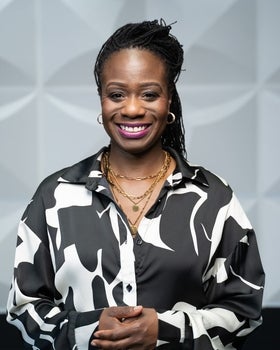
Monique Chambers (she/her), Senior Training Specialist, brings on guests who go beyond surface-level conversations on topics that impact us all. Each guest shares expertise and lived experience, offering diverse perspectives that deepen the discussion. With a thoughtful and engaging facilitation style, Monique helps unpack ideas and create space for meaningful reflection.
If you’re ready to think deeper and explore new perspectives, she’s the host to join you there.
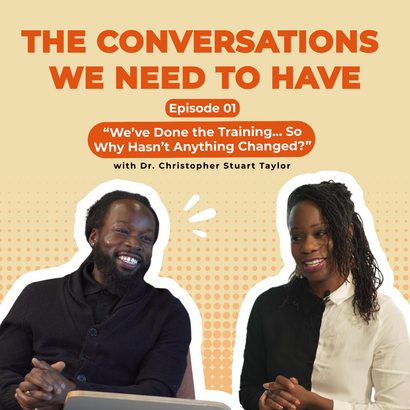
Episode 1: We’ve Done the Training… So Why Hasn’t Anything Changed?
Equity work is everywhere on campus, from mandatory trainings to public commitments but has it led to real change?
In this opening episode, Dr. Christopher Stuart Taylor, AVP, Equity, Diversity, Inclusion and Anti-Racism, takes a bold and honest look at the limits of traditional equity and anti-racism efforts. Together, we ask the tough questions: What’s truly shifting? Who is accountable? And how do we move beyond box-checking to meaningful cultural and systemic transformation?
Grounded in the University of Waterloo experience, this conversation sets the tone for the season, naming the discomfort, fatigue, and skepticism around equity work while creating space for real dialogue, learning, and impact.
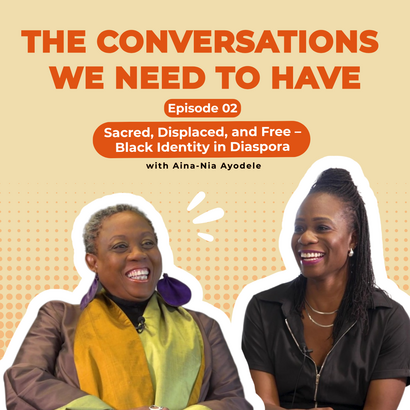
Episode 2: Sacred, Displaced, and Free – Black Identity in Diaspora
This episode explores the complexity of diasporic identity and what it means to belong when identity is shaped across culture, migration, memory, and spirit.
In conversation with Aina-Nia Ayodele, Leadership Coach and Wisdom Teacher, we examine how institutions often approach Blackness as a singular experience, overlooking the layered realities of diasporic communities. This conversation pushes us to think more deeply about how identity is formed and carried—through language, ritual, spirituality, and lived experience—and how those elements shape how people navigate systems that were not designed with them in mind.
Together, we consider what gets lost when complexity is flattened, and what becomes possible when institutions begin to recognize identity as something dynamic, historical, and deeply rooted. This is a conversation about belonging, power, and the work required to move beyond surface-level inclusion.
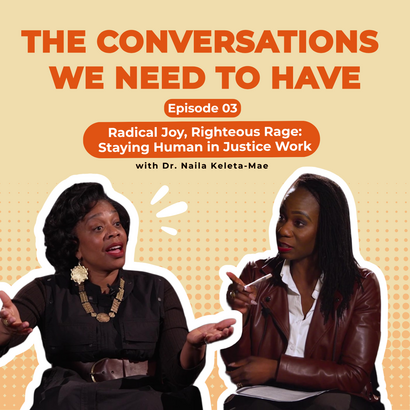
Episode 3: Radical Joy, Righteous Rage: Staying Human in Justice Work
This episode explores what it means to remain fully human in justice work, especially in spaces that often reward restraint, performance, and emotional control with Dr. Naila Keleta-Mae, Canada Research Chair, in Race, Gender and Performance and an Associate Professor in the Department of Communication Arts at the University of Waterloo.
Through the lens of scholarship, artistry, and public engagement, the conversation examines how joy, rage, grief, laughter, and creative expression reveal truths that analysis alone cannot. Centering the experiences of Black women, this episode asks what is lost when people are denied the full range of their humanity, what righteous rage makes visible that institutions would rather soften, and how joy itself can function as resistance, freedom, and imagination. Ultimately, the conversation invites us to consider what it would take to build institutional spaces where people do not have to suppress their humanity to pursue justice.
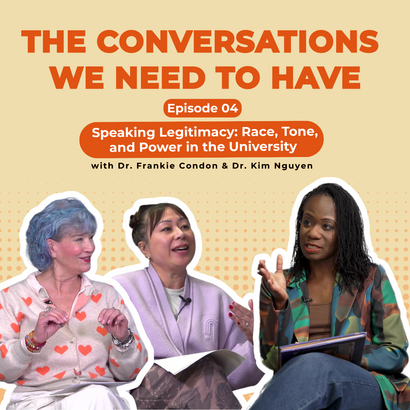
Episode 4: Speaking Legitimacy: Race, Tone, and Power in the University
In episode 4 of the Conversations We Need to Have, with host Monique Chambers, Senior Training Specialist from the Office of EDI-R, we reflect on how communication norms inside universities are often shaped by culture, history, and power rather than neutrality alone. From professionalism and tone to clarity, silence, and emotional expression, the conversation explores how expectations around communication can shape who feels heard, understood, and able to belong.
Featured guests, Dr. Frankie Condon and Dr. Kim Nguyen from the Faculty of Arts, invite listeners to consider what gets normalized in academic spaces and what it might look like to imagine communication differently in pursuit of more inclusive and equitable communities.
What could more equitable communication look like in our campus communities?
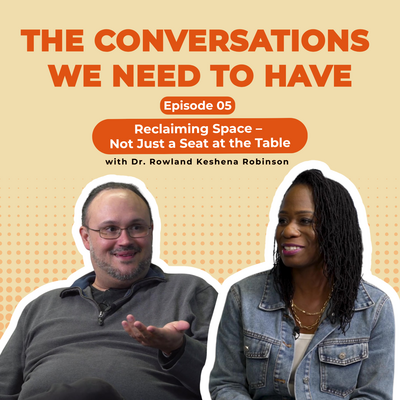
Episode 5: Reclaiming Space – Not Just a Seat at the Table
What happens when inclusion is present, but power remains unchanged?
In this episode of The Conversations We Need to Have, Dr. Rowland Keshena Robinson , Assistant Professor in the Department of Political Science, challenges listeners to think beyond representation and examine who actually holds decision-making power within institutions.
The conversation explores how inclusion can sometimes be used to maintain the status quo, creating opportunities for participation without shifting authority or resources. Moving beyond the idea of simply having a seat at the table, the episode asks what it takes to ensure people can help shape agendas, influence decisions, and drive meaningful change.
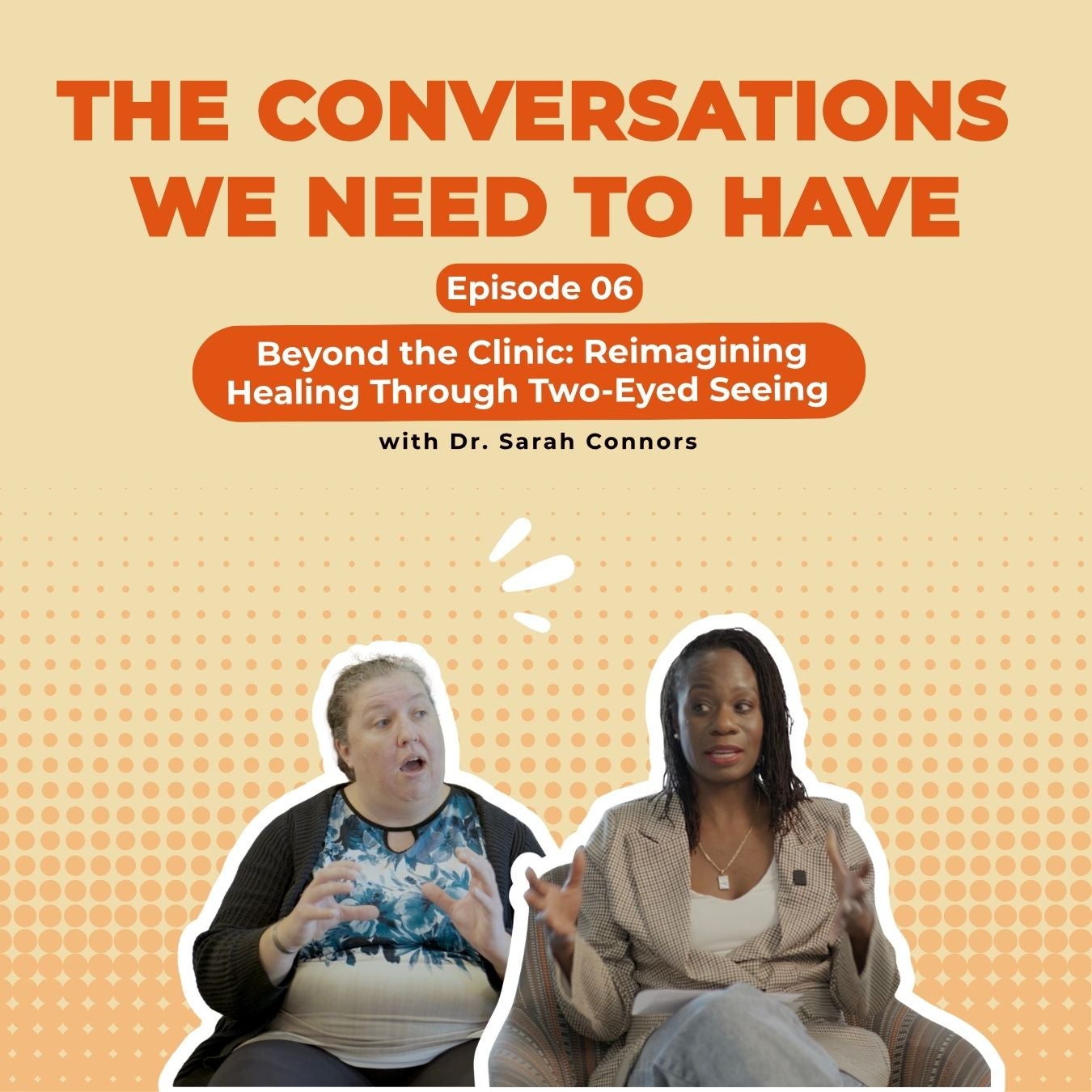
Episode 6: Beyond the Clinic: Reimagining Healing Through Two-Eyed Seeing
In this episode, we explore healing, care, and wellness through the lens of Two-Eyed Seeing—a framework that invites us to learn from both Indigenous and Western ways of knowing without positioning one above the other. Joined by Dr. Sarah Connors, an Indigenous Naturopathic Doctor, we examine how health is shaped not only by individual choices or clinical interventions, but also by relationships, community, history, culture, land, and systems. Together, we consider what it might look like for institutions to move beyond simply acknowledging diverse approaches to healing and instead create environments where Indigenous knowledge and holistic care are genuinely honoured and integrated.