Julie-Ann Ellis-Bradley and her evolved approach to conflict and law
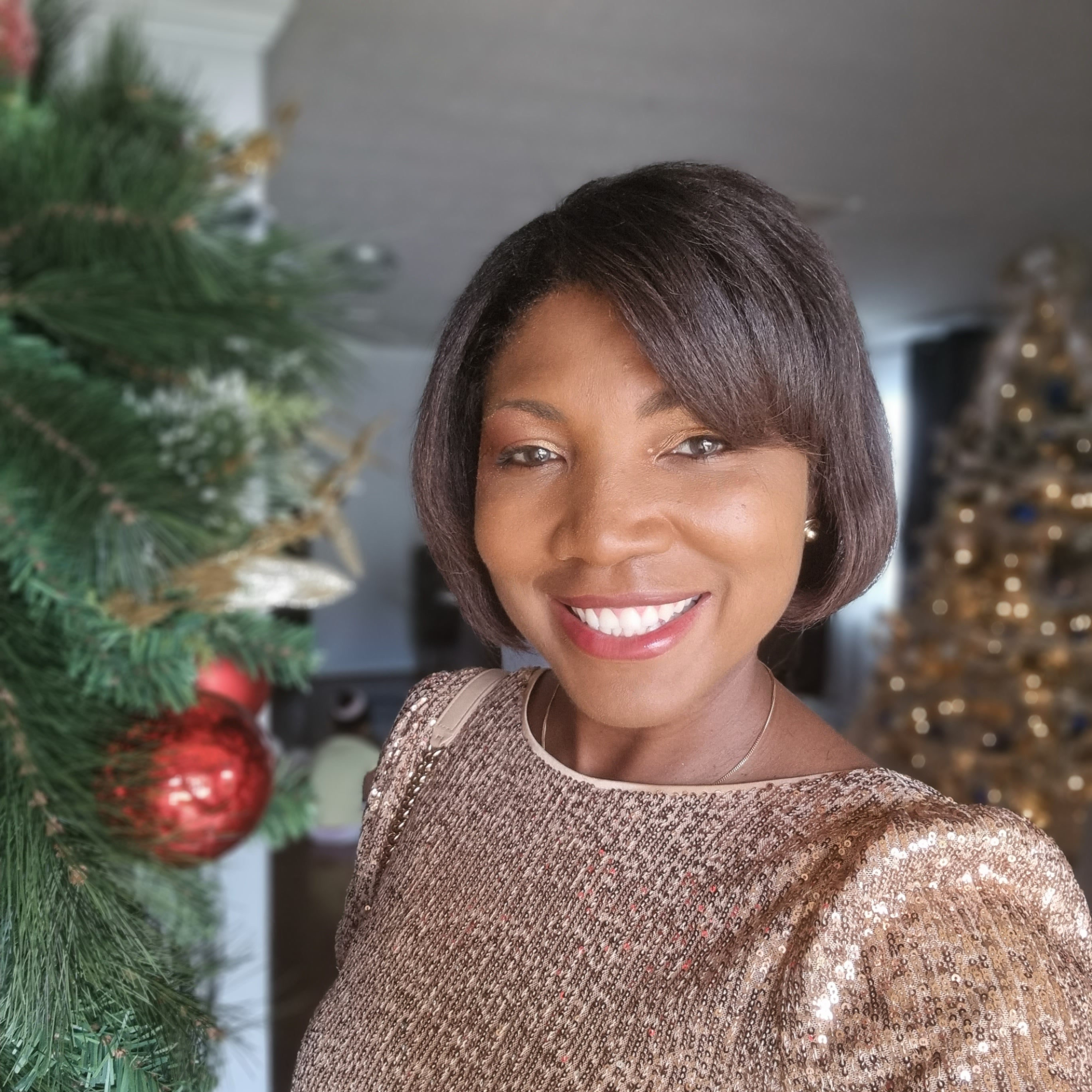
Julie-Ann Ellis-Bradley is a final year Master of Peace and Conflict Studies student at Conrad Grebel University College, affiliated with the University of Waterloo. Julie-Ann is an attorney who has worked in mediation and practiced law in Belize for over 17 years. In that time, Julie-Ann realized that navigating conflict is a critical life skill, and conflict management is a powerful tool to have in all relationships.
As an attorney, Julie-Ann became interested in alternative ways to navigate conflict. Prior to enrolment in the MPACS program, her desire to study peace and conflict was largely client oriented. “As a lawyer, you are supposed to give solutions, but sometimes legal solutions don't solve the problem,” Julie-Ann said. She noticed that “when disputes are resolved at mediation, they have a higher tendency of being followed through on.” To strengthen her approach to law and mediation, Julie-Ann decided to apply to MPACS.
“What I love about this program is that you have core courses, but you have many options to select aspects of peace and conflict that are more meaningful to you,” she noted. Courses such as PACS 602: Reflective Peace Practice taught by Dr. Reina Neufeldt, PACS 604: Conflict Analysis and PACS 605: Conflict Transformation and Peacebuilding taught by Dr. Nathan Funk deepened her understanding of peace and conflict. The flexibility of MPACS allowed her to pursue academic interests and simultaneously learn about different, relevant topics.
As Julie-Ann progressed through the program, her curiosity led her toward new interests. “An aspect of my PACS journey that I've become very interested in is trauma stewardship; how we can work through trauma, and how trauma plays a role in so many conflicts, but is often not addressed,” she explained.
“What spurred my interest in trauma stewardship is PACS 620, a special topics course which focused on re-storying trauma, radical healing and resilience. That course was impactful in terms of my own journey in healing and transformation and it helped me to understand how trauma intersects and overlays many conflicts.”
Further reflection on her experience led her to understand conflict management as a beneficial addition to her legal practice. “Conflict management options are superior to legal options because they empower people. It gives people a stake in what is important to them. I think that is what is missing from many of the ways in which we approach societal conflicts, where people depend on the expertise of others and systems of justice to resolve disputes, often with limited agency and reduced power,” she noted.
While in the MPACS program, Julie-Ann aimed to put her newfound perspective into practice through the internship program. She interned with Credence and Co., an organization with expertise in conflict, change management, organizational culture, and leadership development. “One of the things that I have really appreciated is not just gaining knowledge but being able to see it done and to learn vicariously through others,” she said.
Julie-Ann also finds it important to practice humility as a conflict professional. “We start out by saying we want to save the world and we want to fix things. I think one of the things that I've learned is that it's more impactful to be humble enough to listen and to care because people often hold the key to resolving their conflict, and it is a privilege to add our skills and knowledge as we walk alongside them in that journey,” she stated.
As Julie-Ann approaches the final term of her degree, she hopes to share her knowledge with colleagues, and use a holistic, conciliatory approach to client disputes. She looks forward to moving into conflict transformation and reconciliation. “Those are areas in which I am now better equipped to make an impact,” she shared.
Julie-Ann recognizes the transformation she has undergone during her MPACS studies. “What I've appreciated most about the journey is that it has been a personal transformation. Even if I never help anyone, I have experienced the fullness of what the program promised. I think that self-transformation is so important in doing the work of peace and conflict. If we can transform ourselves, then we are so much better equipped to help.”
By: Samira Abdillahi