For alumni, new students “ooze the Waterloo DNA”
Alumni volunteers play a vital role in Waterloo’s admissions process, helping shape the newest incoming class of university talent
For alumni like Jaqueline Tso (BASc ’02), Diana Vangelisti (BES ’84, MA ’89) and Larry Galajda (BASc ’76), graduation didn’t mark the end of their Waterloo journey. Instead, it sparked new ways to stay connected and deepen their black and gold pride.
The three are part of a larger group of alumni who served as volunteer readers for prospective students’ Admission Information Forms (AIFs). Acting as an admission aid after looking at grades, AIF’s offer insight into applicants’ interests, experiences and abilities. They help admissions committees understand a student’s leadership potential, collaboration skills and community involvement.
The University of Waterloo draws some of the brightest minds from more than 120 countries, with many students choosing us for world-class programs in computer science, engineering and mathematics. In 2024, after a major revamp of the AIFs for the University’s most competitive programs in the Faculty of Engineering and the Faculty of Mathematics, alumni were invited for the first time to help shape the next generation of Waterloo talent.
This research-driven mechanism enables admissions committees to distinguish which of the thousands of highly qualified applicants are best suited for admission given the limited number of available places in these programs.
While grades continue to be the primary factor in assessing applicants, the goal is to select students who will thrive at Waterloo

“I was inspired by the well-roundedness of most profiles because they had a long-term passion in something beyond academics,” she says.
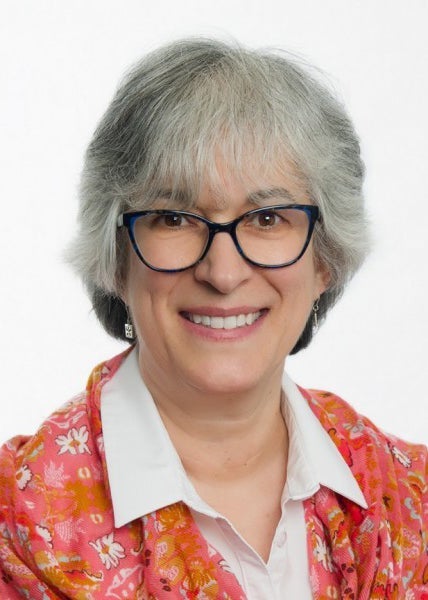
“I was also captivated to ‘hear’ the optimism and energy that came through as applicants described their interests and their expectations for the future,” she says. “It was heartening to see practically all applicants wanting to contribute to making the world a better place, inventing a solution or solving a gnarly problem. The majority of applicants already oozed the Waterloo DNA.”

“I have always wanted to see the excellent reputation of the University be polished and never tarnished.”
As an AIF reader for the Faculty of Engineering, Galajda reviewed hundreds of applications. “The satisfying part to me was how globally widespread the reputation of the University of Waterloo has become,” he says. “To read submissions from all parts of the world is a nod to the ongoing faculty and staff as well as many successful alumni.”
Looking ahead, the admissions team hopes to welcome a new group of alumni volunteers to continue this meaningful work — helping to shape future talent that come from Waterloo.