Coming home
Rejuvenated homecoming channels a rich history of activities that brings together the University of Waterloo community
Homecoming has a long and rich history. The annual celebration has gone by several different names over the years including Wa-Wa-Wee (Waterloo Warriors Weekend), Reunion, Alumni Black and Gold Day and Rally Weekend. The festivities have been running since the early 1960s and have always been focused on bringing together the University of Waterloo community and building school spirit.
In the early years, before having any alumni, the event was jointly held by Waterloo and Waterloo University College (a predecessor of Wilfrid Laurier). Waterloo’s contribution to the event included a one-day affair entitled Wa-Wa-Wee. In 1959, a student newspaper columnist wrote “WA WA WEEKEND comes but once a year and it’s your weekend to howl so help build the floats, cheer at the game, have a ball at the dances.”
That same year, the Cord Weekly (a joint student publication from the two institutions), described that year’s homecoming this way: “Although it was raining, the enthusiasm wasn’t dampened in the least. The parade was led by the lovely girls of Conrad Hall, carrying their banner and followed by Bill Powell leading the Waterloo Mule.”
Yes, literally a mule. Waterloo College’s athletics mascot in the late 1950s was a mule.
“It was always such a good time. The parades and the cross-town football rivalry,” says Rick LeRoux (BSc ’72), who has been attending Homecoming since 1967. “It was fun. Everyone was really involved in, not just the football game, but the entire weekend, different activities like concerts and dances.”
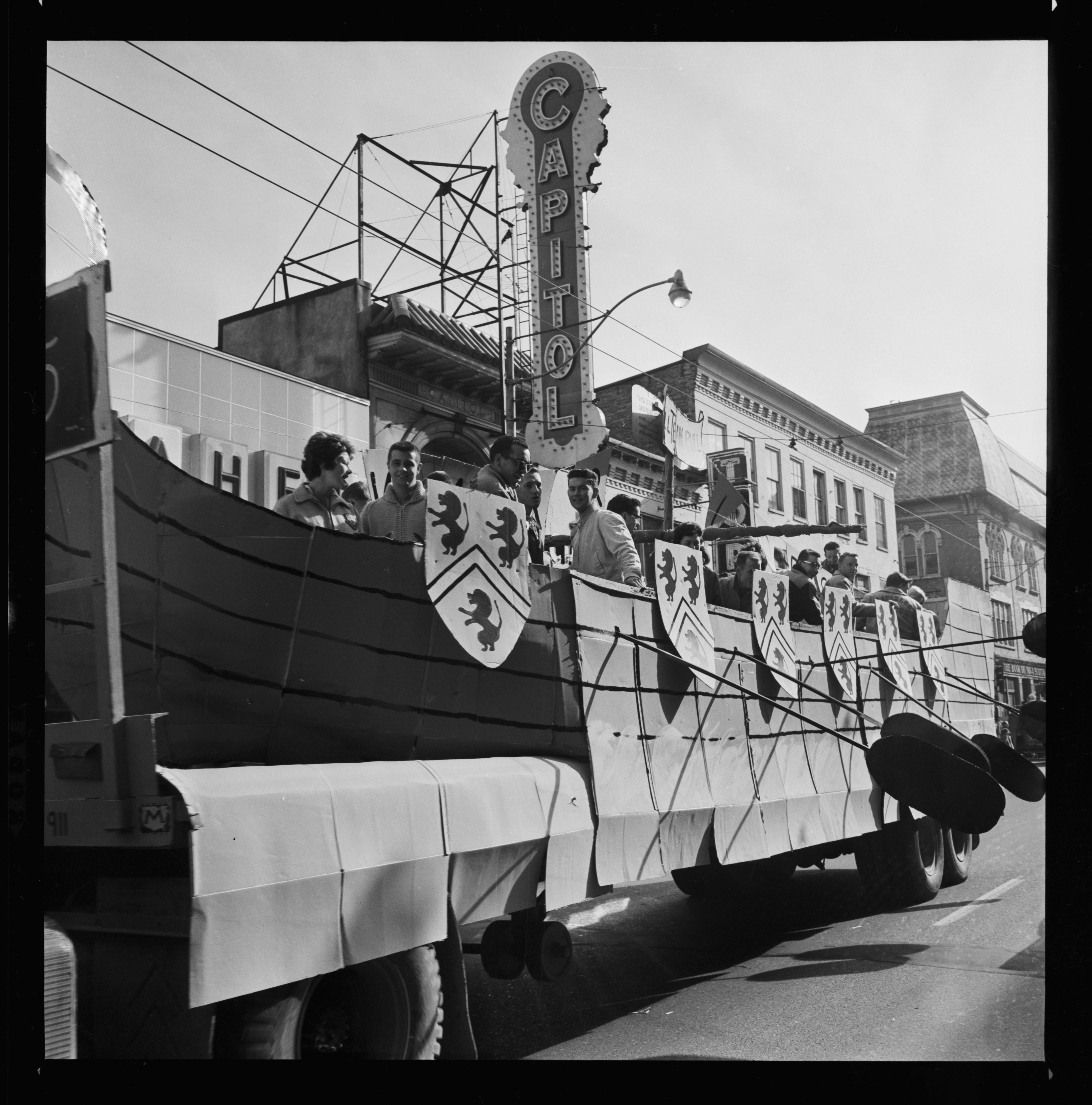
Archival images courtesy of the the University of Waterloo's Special Collections & Archives
Waterloo’s Homecoming began to include alumni in 1962, expanding to two days that included dances, a parade, concerts and the football game.
The parade was a staple of Homecoming in those early years and helped cement Kitchener-Waterloo as a “college town” as the route extended from Kitchener’s downtown to campus.
Waterloo students quickly established a strong track record of building prize-winning parade floats. It was often Engineering students, but other faculties were also recognized. In 1963, the Engineering class designed a parade float that featured an enormous football and a boot. The float accompanied a caravan of other floats that were driven around the perimeter of the campus.
That parade had 23 floats including 16 built by Waterloo students. The best float winner took home bragging rights, a coveted trophy and the $25 first prize. That prize money went far, since tickets for the ’63 Homecoming semi-formal “Un soir à Paris” held at Bingeman Park Lodge were only $4 and included a “delicious sandwich buffet.”
For LeRoux, two of his biggest memories of the parades at that time were the engineering students Rigid Tool that they’d carry alongside the floats and their marching band. “There would be about five or six of them carrying this ten-foot-long tool, it was classic. And their marching band wasn’t very good, but they had great energy and got everyone involved.”
By 1965, Homecoming expanded to four days featuring a barbecue and fireworks at Laurel Lake along with a chess tournament on Thursday, a concert on the Friday night, the parade and football on Saturday and ended with another concert on Sunday.
From its earliest origins, Homecoming was planned around a football game with an emphasis on celebrating athletics, the university and its community.
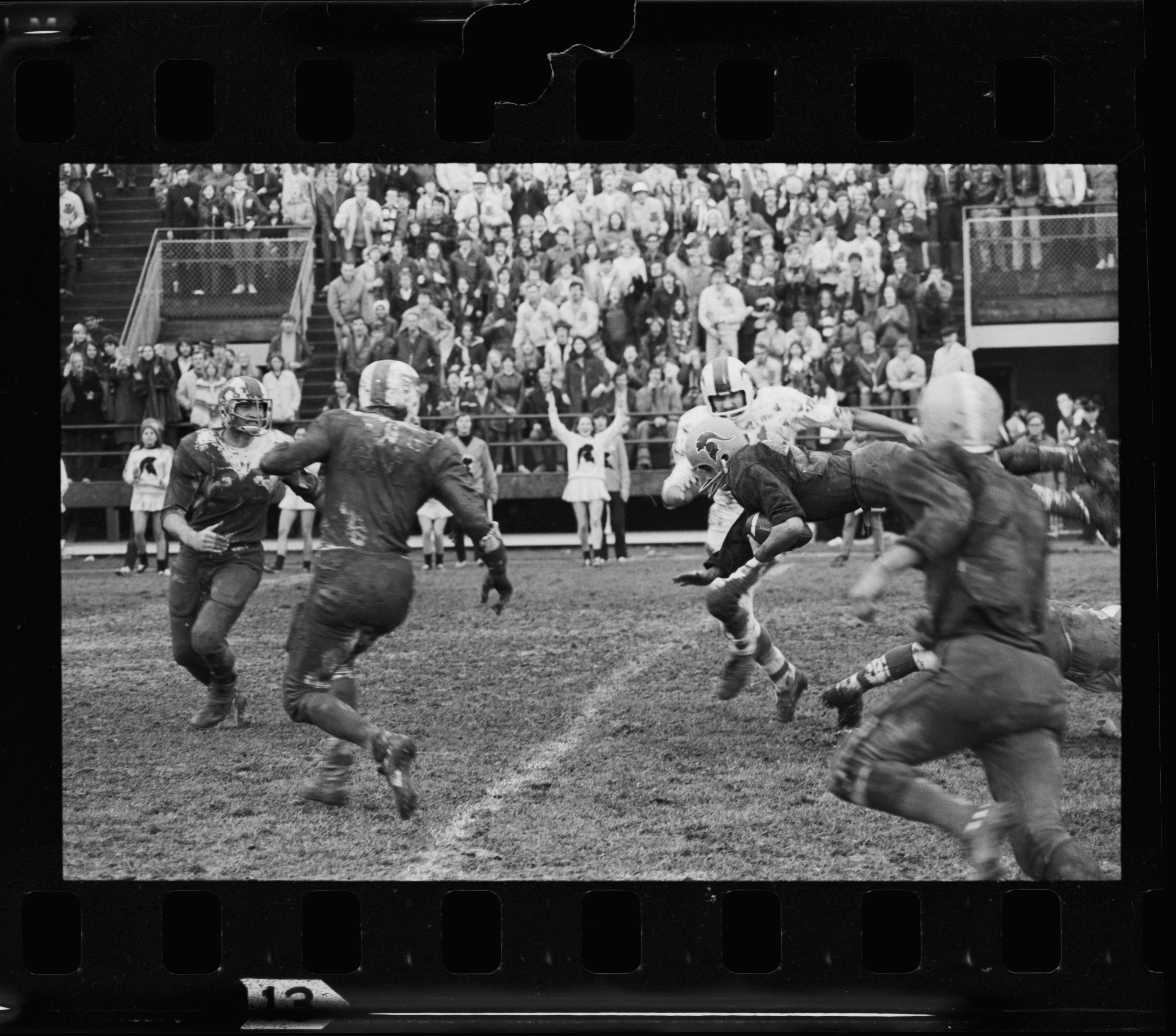
The Warriors and Golden Hawks would battle each year for a trophy shaped like a whiskey barrel.
“Seagram Stadium would be packed for the game every year,” LeRoux says. “It was a time when everybody had a festive weekend.”
LeRoux has had the unique opportunity to experience Homecoming as a student football player, cheerleader and alum. In fact, his wife Louise LeRoux (BSc ’74), still helps coordinate a regular Homecoming gathering for her graduating class and his every couple of years.
“The history and tradition of Homecoming is really important,” LeRoux says. “Waterloo is like the house you grew up in where you had some really, really good times. It's a place that sort of pulls you back together.”
Homecoming activities over the years have also included concerts from notable bands and performers.
Gordon Lightfoot performed at Waterloo during Homecoming on a number of occasions, but a scheduling conflict in 1966 led the Student Council at the time to nearly land Peter, Paul and Mary. The Council ultimately chose to book the Mitchell Trio instead.
Over the years, musical acts big and small have performed during Waterloo’s Homecoming. Acts such as Cat Stevens, Yes, Simple Minds, KD Lang, The Byrds, 54-40, Sarah McLachlan, Colin James, Tom Cochrane, Sloan and Run DMC took the stage at venues across campus including the PAC, Humanities Theatre, Federation Hall and the Bombshelter.
According to a 1966 article in the Corphaeusan, Homecoming that year was a “marked success, generating a net profit of $147 for the Student Association.”
Homecoming had to navigate through some challenges including in 1967 when the Student Council threatened to cancel if chairmen were not obtained by the end of 1966. Chairmen would be found, and the event went off without a hitch.
In 1967, with Waterloo celebrating its 10th anniversary, a jam-packed Homecoming week was planned included two formals, two dances, a folk festival, a concert by protest singer Phil Ochs and headliner Gordon Lightfoot was back again with folk duo Ian and Sylvia.
The parade that year was once again a combined effort between Waterloo and Laurier organizers featuring almost 50 floats. Procession started at Victoria Park heads up King then University and once around Ring Road.
By 1968, the University of Waterloo had enough facilities to host Homecoming on its own. And Gordon Lightfoot performed three concerts that weekend to capacity crowds.
By the 1970s, the parade disappeared from the roster of Homecoming events and activities, but the dances and concerts remained.
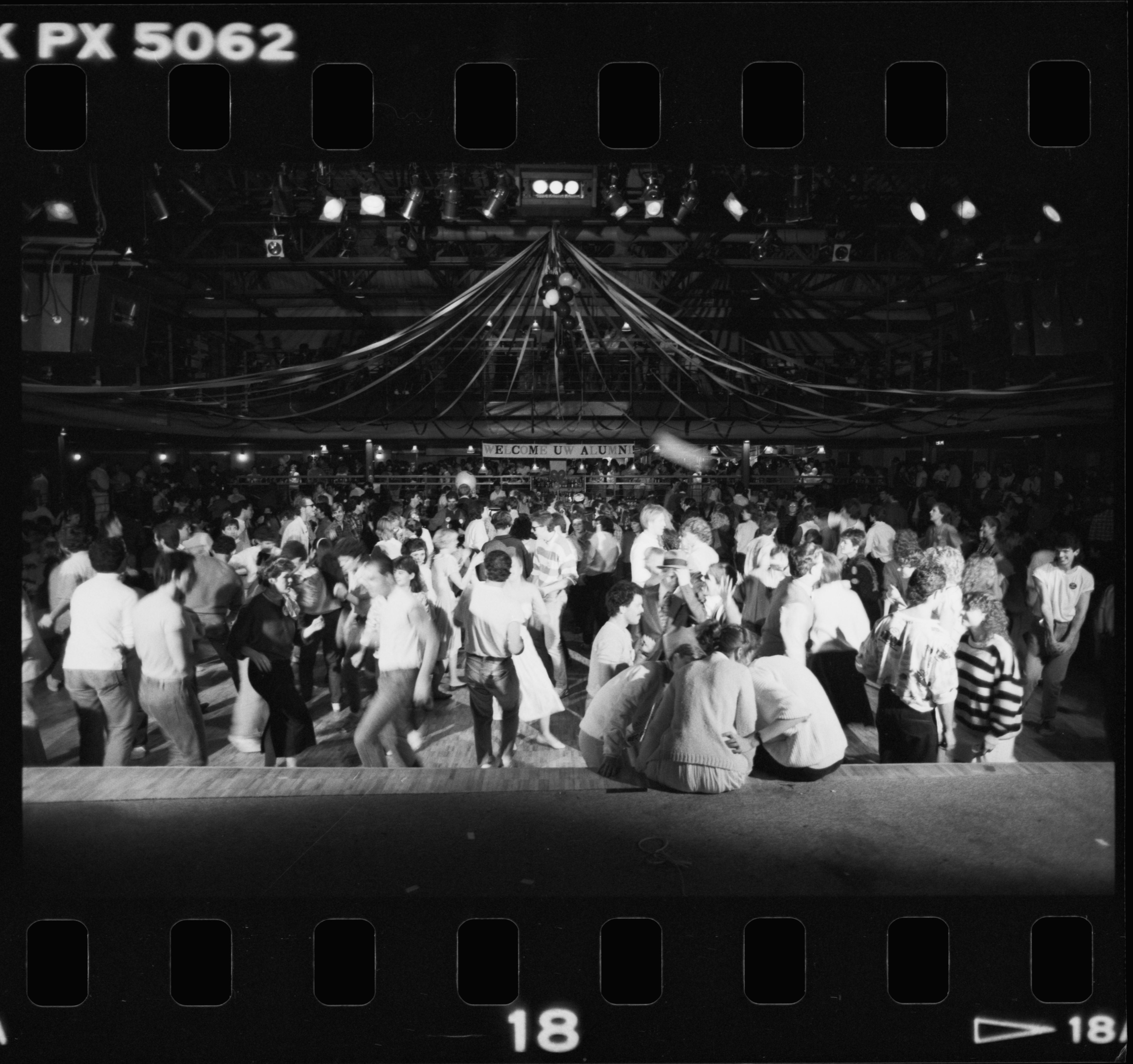
Over the next four decades, Homecoming continued to evolve, occurring at different times of the year and under various names. Homecoming, by name, returned after a 13-year hiatus in 2024.
For LeRoux and his friends, they are pleased to see Homecoming hosted back in its rightful place in the Fall, and featuring Warriors’ football as a key component.
“When I first started celebrating Homecoming, the University was much smaller,” LeRoux says. “Our classes were full of friends and we were tight-knit and enjoyed putting our thumb in the eye of Laurier, especially back then when we used to always win that game.”
At the Spring 1968 Convocation, the University conferred 1,000 graduates bringing the total membership of its Alumni Association to 3,500. Today, there are more than 255,000 Waterloo alumni worldwide.
At its core, the event’s focus has never wavered. It has always been about building and fostering community. For LeRoux, Homecoming is all about tradition, and most importantly community.
“Homecoming reminds us of the good times, the camaraderie and the people. It allows us to come together and celebrate those relationships,” LeRoux says.
This year’s Homecoming takes place on Saturday September 20, 2025 and includes free yoga in the morning, the return of the Faculty of Health’s Fun Run, a tail-gate party featuring live music, food trucks and giveaways and a football game between the Warriors and Queen’s.