Developing soft-robotic wearable solutions for cancer recovery
Engineering professor leads a team of microfluidics experts creating next-generation compression sleeves for cancer survivors living with lymphedema
As cancer treatments become more advanced and personalized, survival rates for breast and brain cancers continue to rise. With more patients living longer after treatment, however, lymphedema has become a significant and growing complication. The Waterloo Microfluidics Laboratory (WML), directed by Dr. Carolyn Ren, a professor in the Department of Mechanical and Mechatronics Engineering, is addressing this challenge by integrating microfluidic chips into soft-robotic wearable technologies that improve the diagnosis and treatment of lymphedema.
Lymphedema occurs when lymph nodes are removed or damaged during radiation treatment, preventing lympathic fluid from draining properly and causing painful swelling. Ren analyzed leading compression-therapy devices and discovered they all shared the same design limitation: a bulky control box that manages multiple valves, resulting in systems that are are slow and dependent on wall power. This forces patients to sit still while connected to a device that can cost up to $3,000.
WML engineered a portable solution. Their prototype integrates a pump, valves and a microfluidic chip into a compact unit roughly the size and weight of a smartphone. Paired with lightweight inflatable balloons and a long-lasting battery, the compression sleeve can run for up to eight hours on a single overnight charge, enabling patients to move freely during treatment. With this portable technology, their goal is to deliver full therapeutic treatment at half the cost by partnering with manufacturers to produce the control box at a fraction of the price while also improving overall usability and experience.
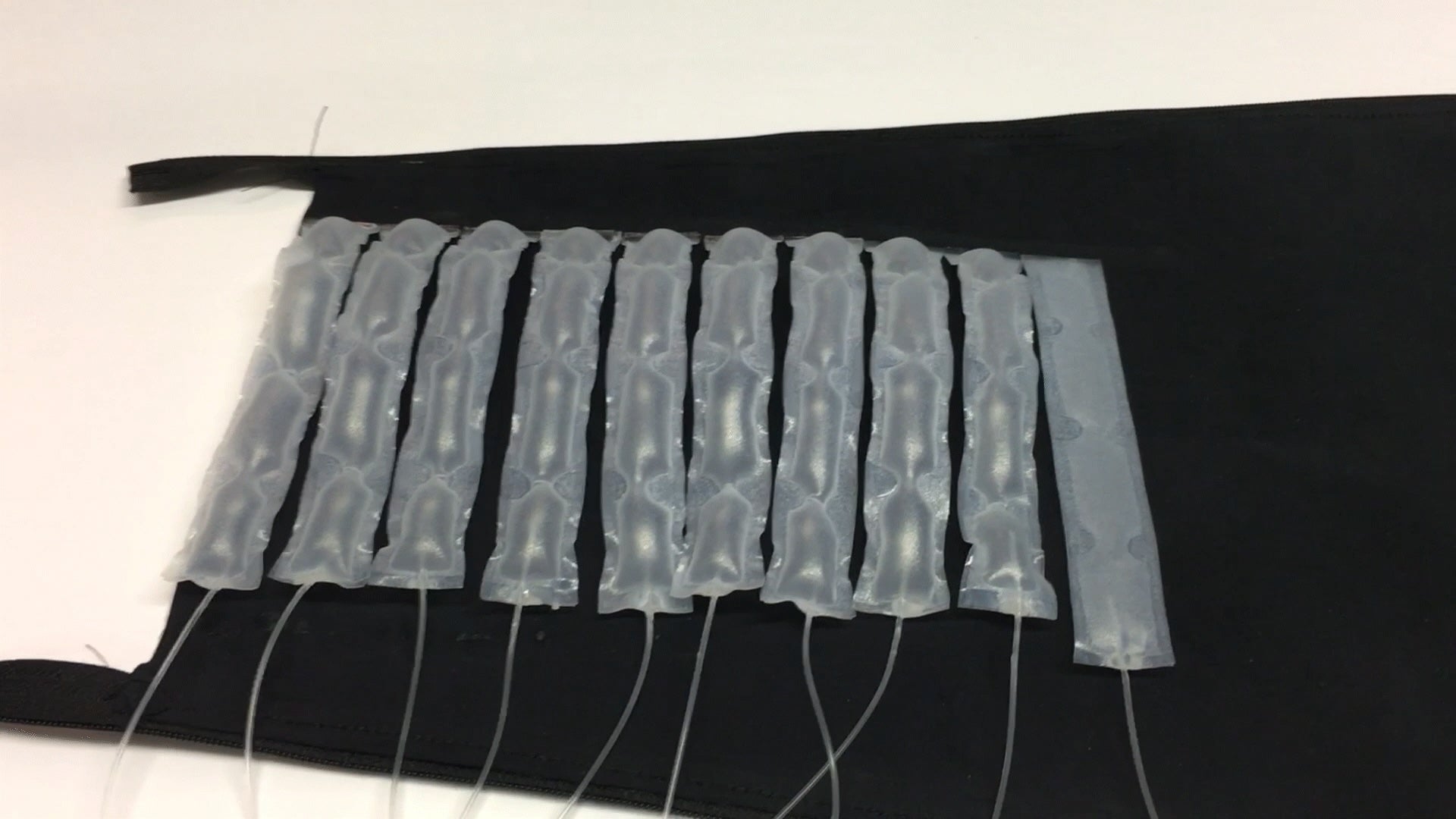
Inflatable chambers gently expanding and contracting to provide therapeutic compression for patients managing lymphedema.
This innovation draws on WML’s deep expertise in microfluidics, the study of how biological fluids, such as protein-rich blood, move through microscopic channels. The lab’s research supports the development of chip-based devices, wearable sensors and soft-robotic tools for therapy, diagnosis and early disease detection.
“As an engineer, I want to see the technology I develop work within my lifetime,” explains Ren, who holds the Canada Research Chair in Microfluidic Technologies. “That motivation drives me to start from the problem. If the problem is real — something that affects human well-being, health or quality of life — I always feel there must be a solution.”
To ensure the device meets real clinical needs, WML collaborated with kinesiologist Dr. Clark Dickerson, Canada Research Chair in Shoulder Mechanics, and Jacqueline Kormylo (BASc ’20), a Waterloo master’s student whom Ren supported in becoming a certified lymphedema therapist. Their hands-on expertise offers essential insight into patient care and device usability.
Ren, along with her former graduate student Dr. Run Ze Gao (BASc ’18, PhD ’23), and other collaborators now hold several patents supporting the sleeve’s path towards FDA approval and medical adoption. Kormylo has begun demonstrating the sleeve with patients in Ottawa and gathering feedback to refine the design.
Learn more about Waterloo's Health Technologies research in the Faculty of Engineering.
Scaling research prototypes into patient-ready solutions
Research driven by societal, health and economic impact thrive at Waterloo, recognized as Canada’s top comprehensive research university for 18 consecutive years. The University’s culture of entrepreneurship and interdisciplinary collaboration enables researchers like Ren to translate breakthrough ideas into real-world solutions.
 |
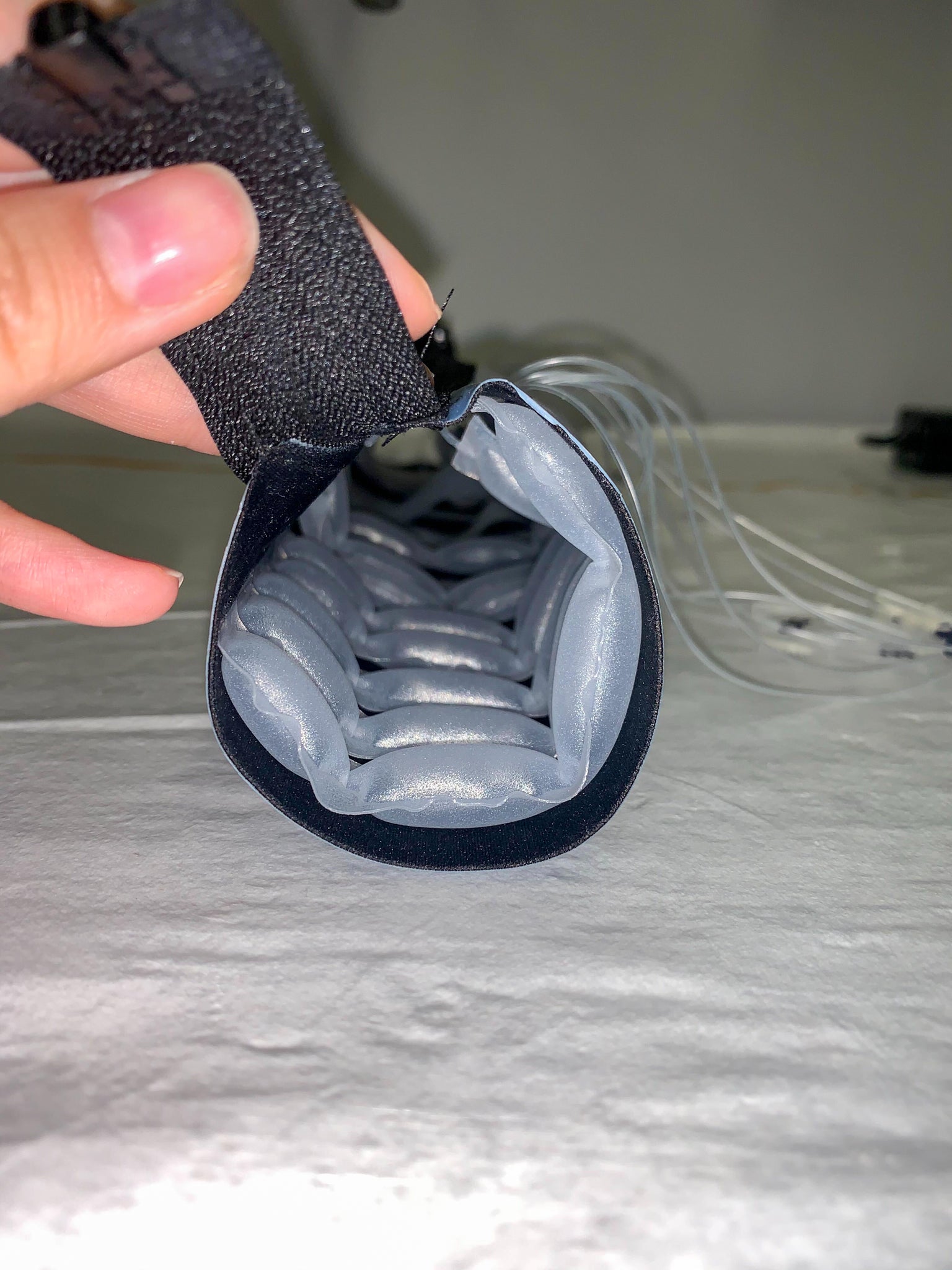 |
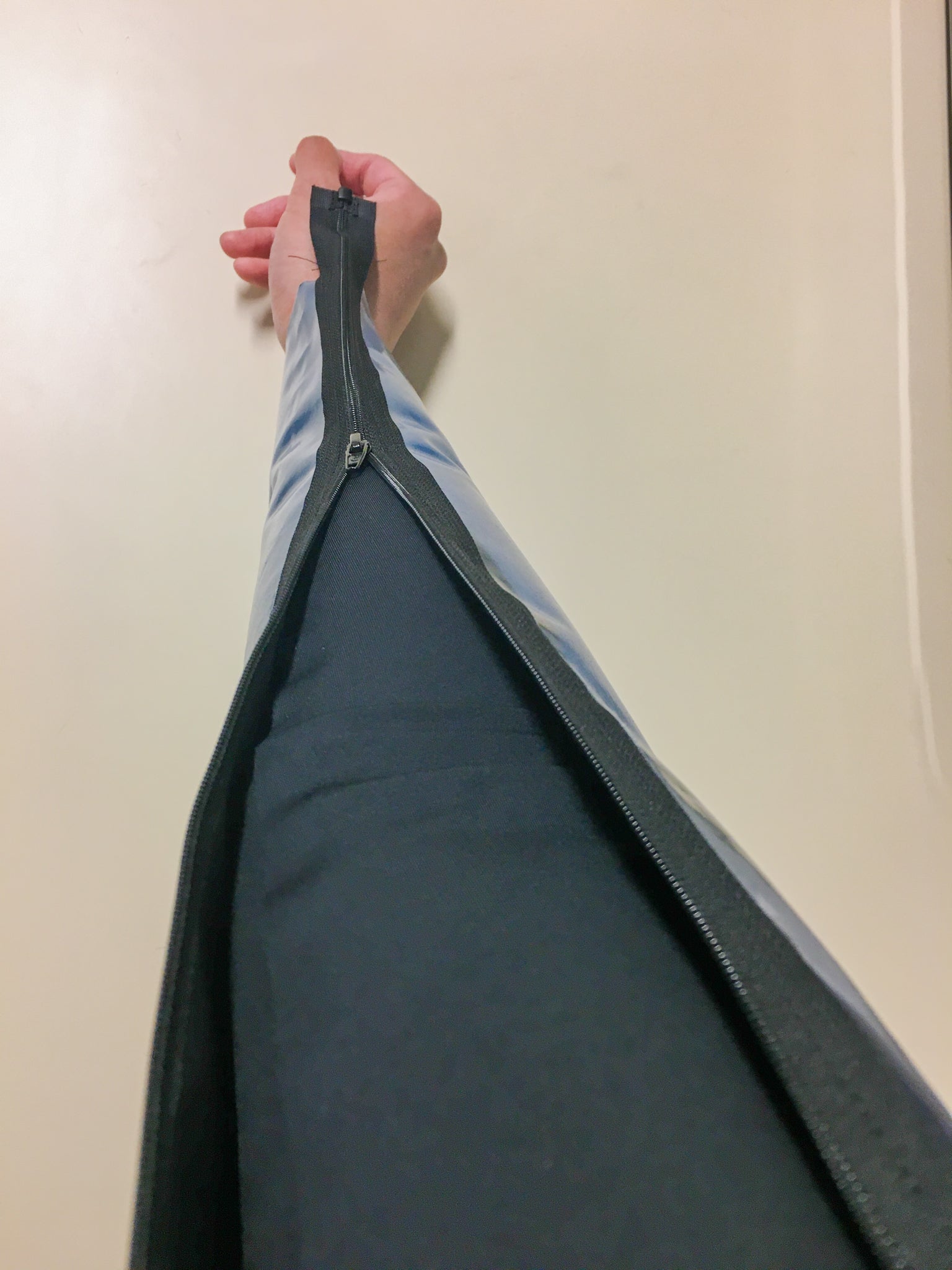
Exterior and interior view of the soft-robotic compression sleeve developed by Ren and the Waterloo Microfluidics Laboratory team. The sleeve is designed to provide customizable, targeted compression that improves comfort and supports more effective lymphedema treatment.
The compression-sleeve technology has already earned significant recognition, winning multiple innovation awards, including:
- funding from the Centre for Aging and Brain Health Innovation (CABHI) in 2025 to develop compression that does not limit user mobility
- a Waterloo Women’s Health Scholar award in 2024, supporting the development of wearable sensors
- a cancer-innovation pitch competition in 2021
While refining the compression sleeve, the team is also developing a next-generation therapeutic device, a robotic hand, capable of supporting other cancer patients with lymphedema in hard-to-treat areas.
“When innovation is driven by solving a true problem, commercialization becomes a natural path. It never starts with ‘I want to commercialize’. It always starts with the problem,” Ren says, who has developed multiple devices and co-founded companies with her graduate students over the past 15 years.
Health Technologies with Dr. Carolyn Ren
Ren’s entrepreneurial journey at Waterloo began with Advanced Electrophoresis Solutions (AES), a Cambridge-based company that provides advanced systems and services for protein separation. AES has grown into a successful operation, frequently hiring Waterloo co-op students and alumni.
Her second company, QuantWave Technologies Inc., benefited from early Velocity support before expanding into its own space. Strivonix, another Velocity-supported startup, develops powered soft-robotic compression wear, including their Python Pants, a coiled air-muscle system for athletic recovery. Her latest venture, Air Microfluidics Systems Inc., co-founded with Gao, builds on WML research to advance technologies for both medical and athletic applications.
The Waterloo Commercialization Office (WatCo) continues to play a crucial role in this work. “We kind of become one family, constantly working together,” Ren says of her partnership with WatCo. “They support us with intellectual property protection, patent applications, grant writing, early prototyping, and connecting us with their legal, technical, market, industry and investor networks.”
Another Waterloo alumni-founded company, Voltera — known for rapid prototyping of printed circuit boards with silver-based conductive materials — also collaborates closely with WML. The lab uses Voltera’s printer to create flexible electronics and soft sensors for wearable robotic systems, including those used in the compression sleeves.
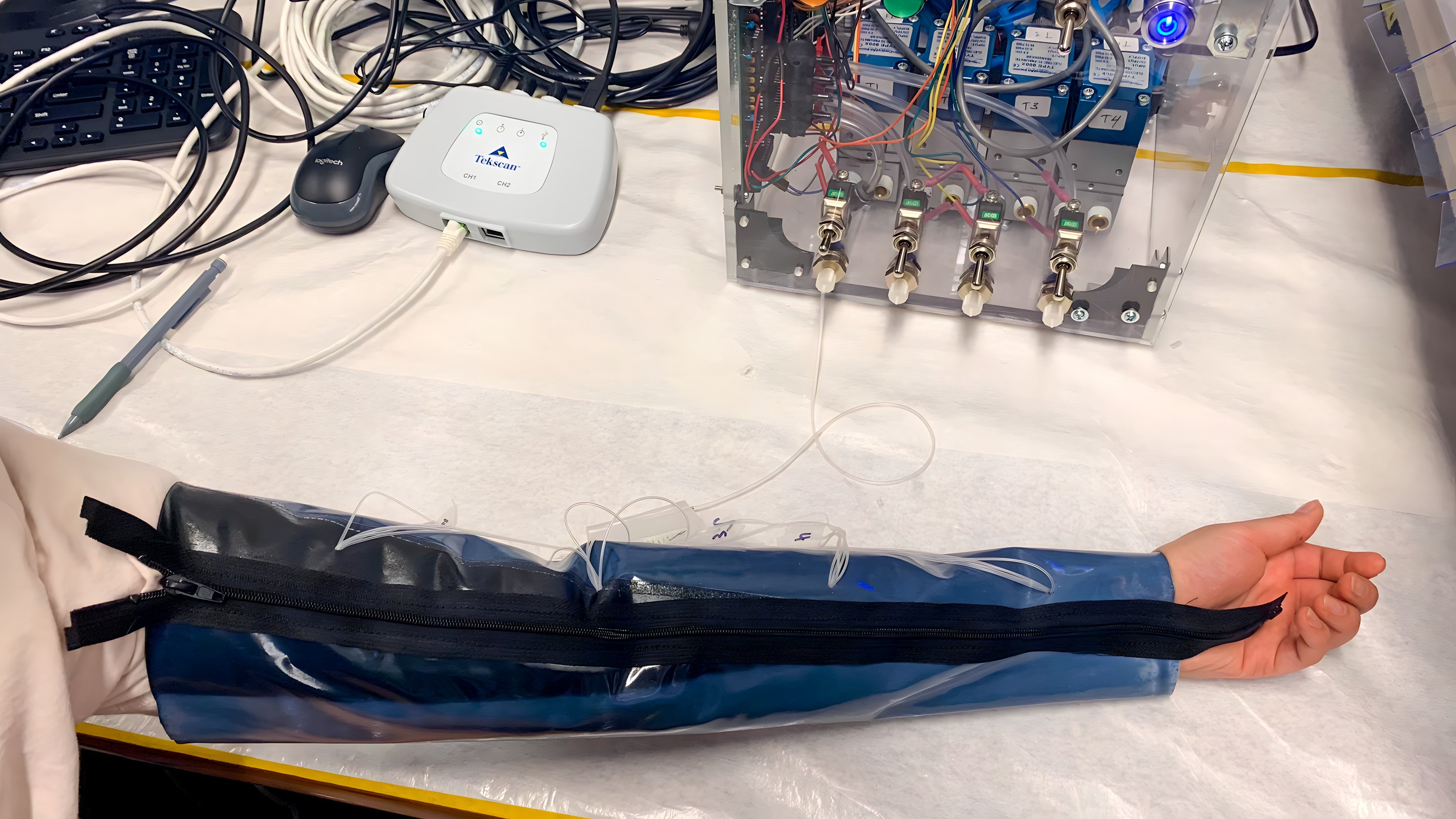
Next‑generation compression sleeve currently in development with portable device to help relieve lymphedema pain during cancer recovery.