New Schlegel Research Chair in Mobility and Aging
Kinesiology researcher Dr. Andrew Laing, an expert in musculoskeletal biomechanics, explores age-related changes in balance and mobility
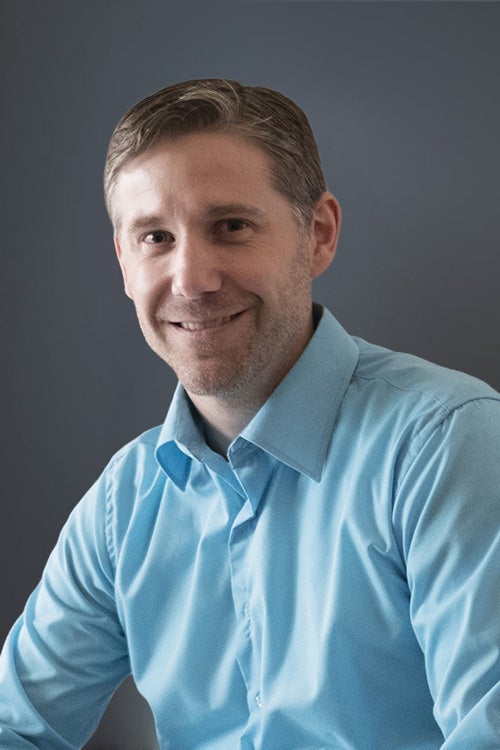
An expert in musculoskeletal biomechanics, Laing’s research explores age-related changes in balance and mobility, and effective injury prevention. A key focus of this research is fall-related tissue trauma, including hip fractures, concussion and traumatic brain injuries, as well as balance or mobility issues that could increase the risk of fall-related injuries.
His goal is simple: to help older adults stay independent and move safely, without injuries, for as long as possible.
“I feel honoured and excited to lead innovative and impactful research through this Schlegel Research Chair in Mobility and Aging position,” Laing said. "I look forward to working with older adults, care providers, family members, government decision makers and industry to engage in meaningful research that improves the health and independence of older adults and their caregivers.”
Laing has been involved with the Schlegel-UW Research Institute for Aging (RIA) as a research scientist for more than a decade. This new appointment supports the expansion of his research in balance, mobility and fall prevention.
Dr. Lili Liu, Faculty of Health Dean at the University of Waterloo, said, “This appointment recognizes Dr. Laing’s significant expertise in fall prevention, which is critical as Canada’s population ages. We look forward to the research that is possible with strengthened collaboration between the University of Waterloo and the RIA.”
More about Dr. Andrew Laing's research: