Rethinking dementia and dementia care
Film, play and digital platform help “let the light in”
By 2031, more than 1.4 million Canadians will be living with dementia. Yet even with the prevalence of this condition, many myths and a great deal of stigma remain.
As we recognize Alzheimer’s Awareness Month,Dr. Sherry Dupuisand her team’s work shines a light on aging, helping us think about how to re-imagine dementia and dementia care – and ultimately create a new culture of care.
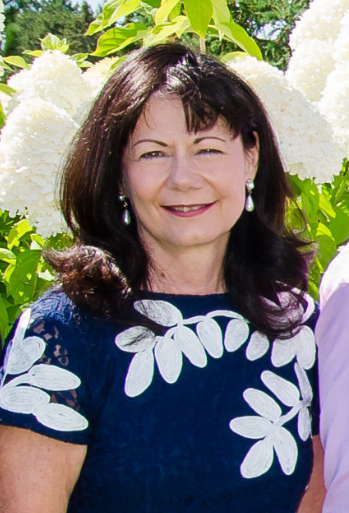
Dupuis is the primary investigator of a research-based play, funded by the Canadian Institutes of Health Research (CIHR), called Cracked: New Light on Dementia, and a co-creator and co-producer of the filmed version of the play.
The drama follows individuals with dementia and their families on their journeys from diagnosis to long-term care, and casts a critical light on our society’s view of dementia as a tragedy. It dispels common myths and fears with humour and insights of those with lived experience.
Accessible research
In her research with people with dementia, Dupuis realized that for her results to be accessible to them and their families and other care partners, a more accessible format – not academic journals – that would move people emotionally and to action was needed.
Cracked was co-produced with playwright and director Julia Gray andwas created in collaboration with people living with dementia, family members and professionals working in dementia care.The play and film resulted from research by Dupuis and members of the team, including Dr. Christine Jonas-Simpson (York University), Dr. Pia Kontos (KITE Research Institute, Toronto Rehabilitation Institute – University Health Network) and Dr. Gail Mitchell (York University).
With two separate research grants from the Alzheimer Society of Canada, the team, including UWaterloo undergraduate and graduate students, have also explored the impacts of the live and filmed versions of Cracked. Engaging with the play promotes critical reflection for those who see it. People with dementia talk about “letting go of fear” and “feeling comfortable in their skin” after seeing a performance or the film.
Cracked also inspires new ways of interacting with persons with dementia and practicing relational caring. As one audience member said, “Remember, residents want joy, not just physical care. I will question the necessity of some policies. I will ask, ‘Why do we do this?’”
Immersive experience
Building on this research-based play and film, Dupuis and the Cracked team,as well asDr. Alisa Grigorovich (Brock University) and Romeo Colobong (KITE Research Institute, Toronto Rehabilitation Institute – University Health Network), worked with Forge Media to developan innovative digital learning platform.
It guides participants through an immersive experience, leading to new ways of thinking about dementia and care. Funded by the Waugh Family Foundation, which also funded the creation of the film, the digital learning platform was completed in July 2022.
Learners engage interactively in topics including relationships, stigma, identity and thecurrent culture of dementia care. By making emotional connections to people living with dementia and their lived experiences, this digital platform has the potential to make a significant impact on how our society perceives dementia, and by extension, how we treat people living with it.
The team hopes that in addition to the film,whichis already embedded in courses at the University of Waterloo and many other educational institutions across the country, the learning platform will be used to deepen learning on dementia and help support the creation of a more compassionate and humane world for all people living with it.
“It’s important for us to learn not to be afraid of our individual ‘cracks’ and differences as we rethink how to engage compassionately with people with dementia,” Dupuis says. “Only then can we develop a new culture of care and a more caring and inclusive society.”