National Day for Truth and Reconciliation 2025
As message from President Vivek Goel
Three years ago, in front of a large gathering on campus, we made Waterloo’s first formal commitment to reconciliation, Indigenization, and decolonization. It was a moving moment and a highlight of my presidency. It was also only the beginning of a much longer journey.
This year, as we once again mark the National Day for Truth and Reconciliation, I am reminded of how far we have come and how much work still lies ahead. While this year's ceremony is my last one as President and Vice-Chancellor, I know that the University’s commitment will continue.
National Day for Truth and Reconciliation is a time to honour the children who never made it home, and the Survivors of residential schools. It is also a time to acknowledge the devastating intergenerational impacts of colonialism. These are truths that demand attention and reflection.
Universities have a unique role in truth and reconciliation. As institutions of learning, we must ensure that First Nations, Inuit, and Métis knowledge and ways of knowing are represented in our scholarship, in our research, and in our teaching. Campuses are also physical places, and this commitment must also be visible in the spaces we create, and in the partnerships we foster across our community.
Campuses are also physical places, and this commitment must also be visible in the spaces we create, and in the partnerships we foster across our community.
Over the past year, Waterloo continued taking steps across our academics, services, relationships and physical spaces.
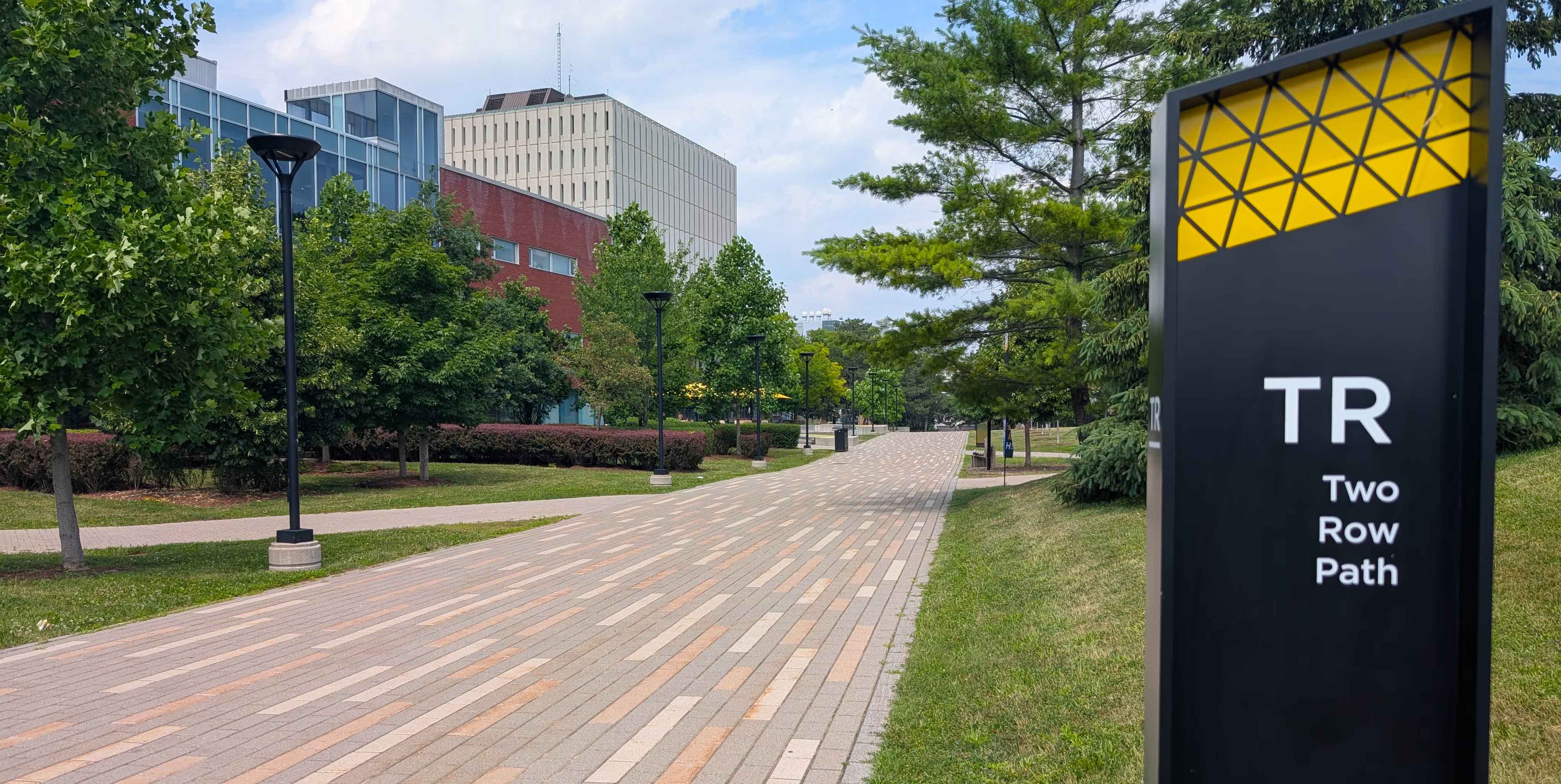
The main campus path was renamed the Two Row Path. The renaming honours the Two Row Wampum Belt, a powerful symbol of partnership, peace, and mutual respect. The path connects the centre of campus with the Indigenous Outdoor Gathering Space. It now stands as a daily reminder of Indigenous presence and leadership.
In September, we signed a Memorandum of Understanding with the Chippewas of the Thames First Nation. This agreement affirms Indigenous leadership in setting shared research priorities. It represents a new way of working together as equal partners in knowledge creation.
Other important changes are taking shape. New signage now identifies spaces where smudging ceremonies can take place safely indoors. Incoming Indigenous students can apply for residence without paying a deposit, removing a financial barrier at the very start of their journey here. Health Services expanded to include Indigenous wellness staff bringing culturally grounded approaches to care.
Such changes are happening at the grassroots level, with units on campus generating their own ideas and driving their own initiatives towards Truth and Reconciliation. Each of these steps mark real progress toward decolonization.
This progress is only possible because of the vision and leadership of many people. Elder Myeengun Henry has generously shared his time, guidance, ceremony, and wisdom throughout my presidency. His leadership continues to inspire us to honour the spiritual and cultural dimensions of Reconciliation.
I also want to recognize Jean Becker, who retires at the end of this year. Jean is a transformative leader for Waterloo since 2020. She built the Office of Indigenous Relations and guided the creation of its first Indigenous Strategic Plan. She brought the Waterloo Indigenous Student Centre into OIR, creating a stronger circle of care for Indigenous students and expanding supports. She leaves a legacy that will continue shaping this institution for years to come.
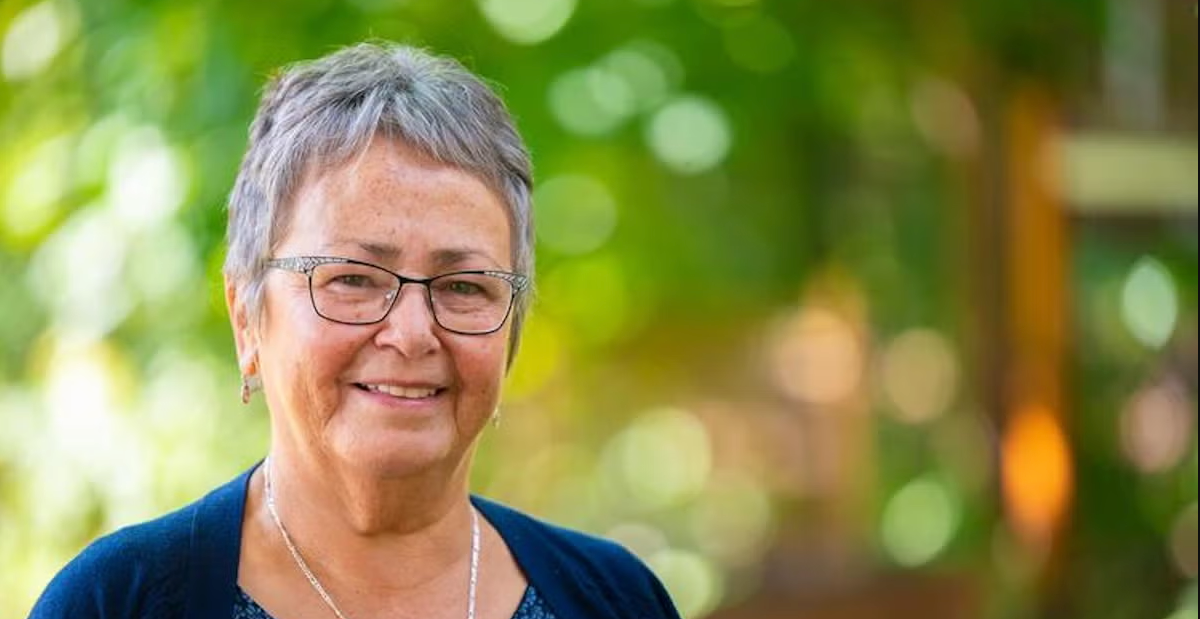
Succeeding Jean in the interim role is John Lewis, a long-time teacher, researcher, and mentor at Waterloo. John brings his deep knowledge of the University and his strong relationships to this important position. I have no doubt he will continue to advance this work with energy and care.
This year we also experienced loss. We remember Elder William “Bill” Woodworth, who passed away earlier in 2025. Elder Bill was a long-time faculty member in the School of Architecture and Elder in Residence for the Faculty of Engineering.
As I reflect on National Day for Truth and Reconciliation activities, I am struck by the power of community. Our collective efforts lead to material change.
The large crowd that gathers here every year is proof this work belongs to us all.
Reconciliation is a promise that must be renewed every day, by every member of the University. I am grateful for the opportunity to walk this journey with our community.