


From our labs to real-world quantum devices, Transformative Quantum Technologies (TQT) is helping to drive the next technological revolution.
Pushing the boundaries of quantum research, the TQT program—supported by the Canada First Research Excellence Fund (CFREF)—focuses on three grand challenges: developing a universal quantum processor, impactful quantum sensors, and long-distance quantum communication.
Led by David Cory, Canada Excellence Research Chair in Quantum Information Processing, TQT bridges academic research and industry applications.
Our research
Building on the strengths of the Institute for Quantum Computing (IQC), Transformative Quantum Technologies (TQT) accelerates quantum advancements—turning the principles of quantum mechanics from lab curiosities into impactful, real-world technologies.
Explore our cutting-edge research projects, the dynamic Quantum Innovation Cycle, state-of-the-art labs, and insightful research articles that showcase the depth and breadth of quantum innovation at the University of Waterloo.
News
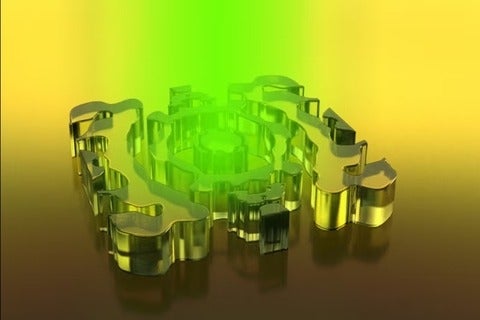
A new nanoscale diamond structure that better collects and controls light
Researchers at the Institute for Quantum Computing (IQC) at the University of Waterloo have demonstrated a nanoscale optical device that makes it easier to probe quantum systems with light to enable more efficient quantum sensors and solid-state quantum computing systems.

Canada Foundation for Innovation (CFI) highlights breakthrough by High Q Technologies
TQT supported startup High Q Technologies develops the world's first quantum-enabled EPR spectrometer.
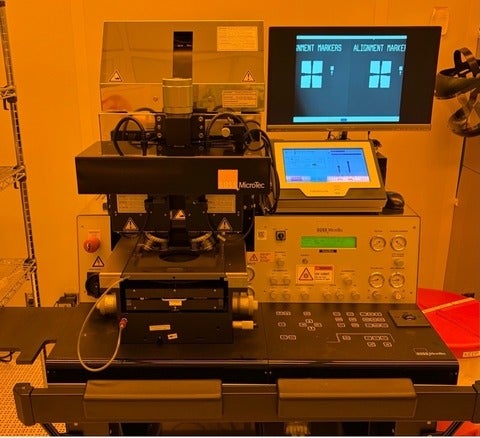
MA6 Aligner gets a sustainable upgrade
The Quantum-Nano Fabrication and Characterization Facility (QNFCF) is pleased to announce updates to the SUSS MA6 mask aligner.
Research articles
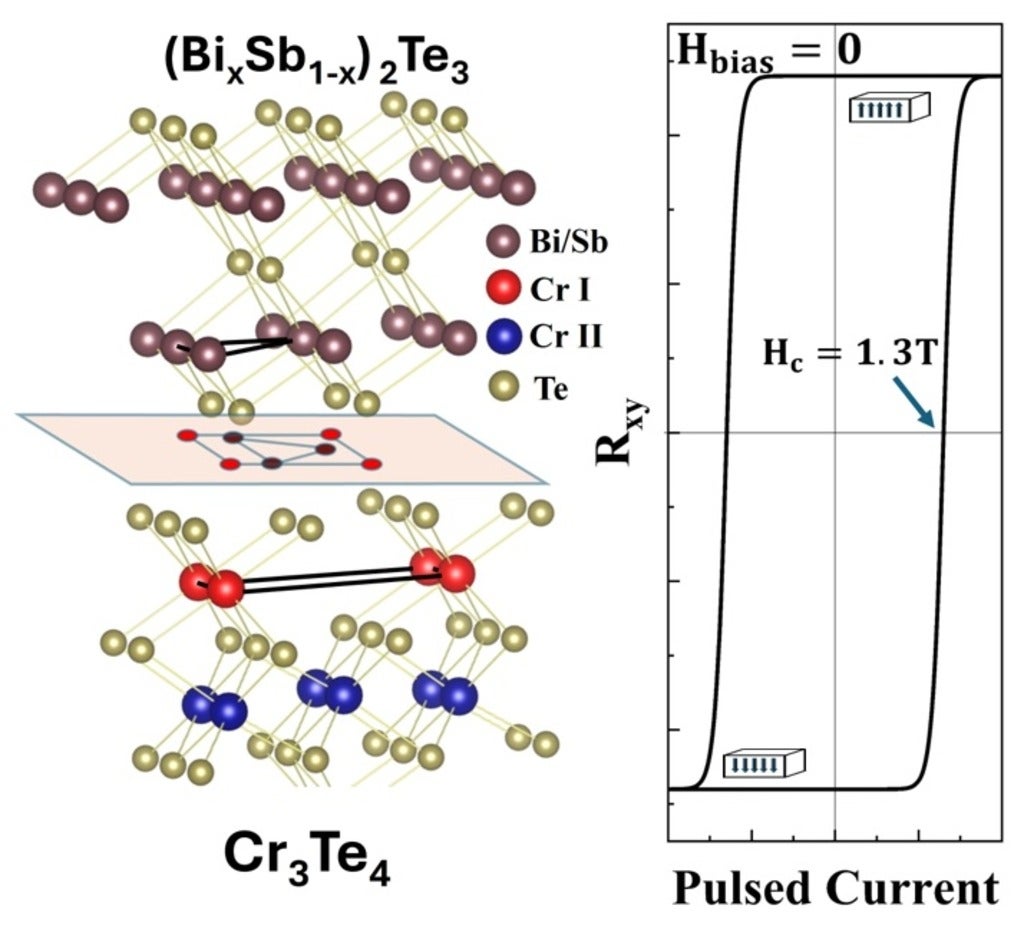
Breaking the electromagnetic boundaries in ferromagnetic materials
Researchers at the University of Waterloo are accelerating towards fully electrical spintronics.
Past events
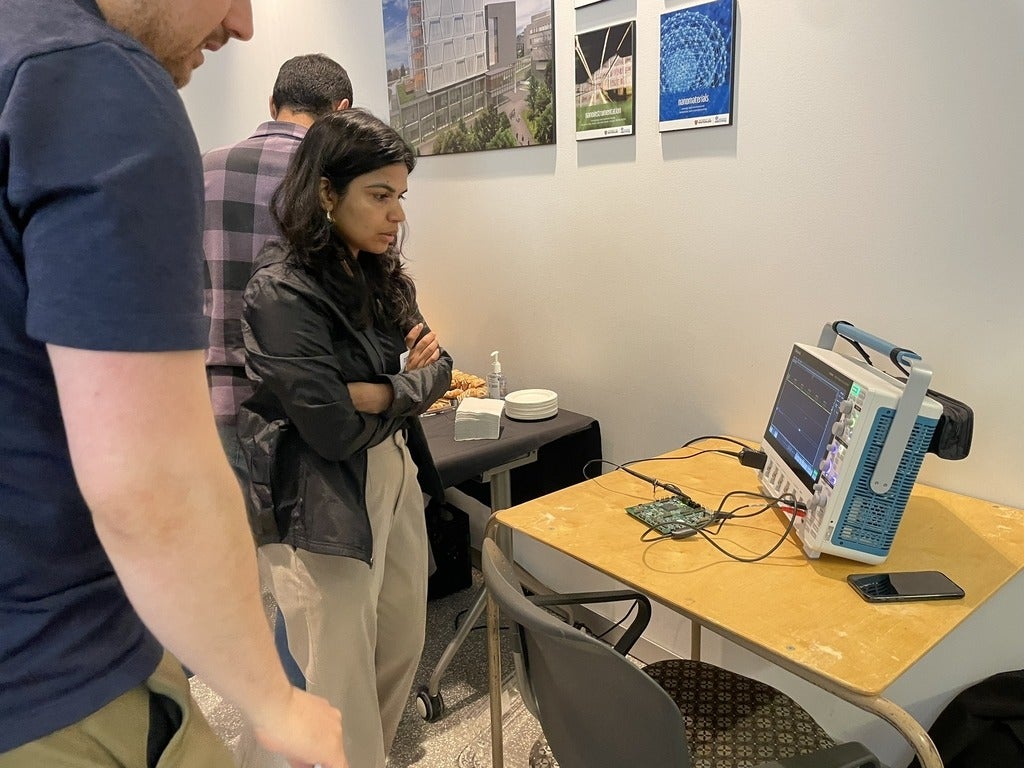
Electrical Characterization Seminar Paves a Path for Future Collaborations
On Tuesday, the Quantum-Nano Fabrication and Characterization Facility (QNFCF), Transformative Quantum Technologies (TQT), and Testforce hosted the Electrical Characterization Seminar, joined by speakers from Keithey and Tektronix.