News

Freshwater virus challenges biology’s rules
A virus that infects harmful freshwater cyanobacteria is challenging one of biology’s most fundamental assumptions about the difference between viruses and living cells.
Published in The ISME Journal, new research reveals that the jumbo cyanophage PhiMa05 carries the largest set of ribosomal protein genes ever found in a virus. The discovery is prompting scientists to rethink how viruses evolve and where the line between viral and cellular life truly lies.

New parliamentary report highlights Water Institute expertise in shaping Canada's freshwater future
The House of Commons Standing Committee on Environment and Sustainable Development's newly released report, Sustaining Canada's Freshwater for Today and Tomorrow, outlines recommendations to strengthen Canada's freshwater future, informed by testimony from leading researchers and experts across the country.
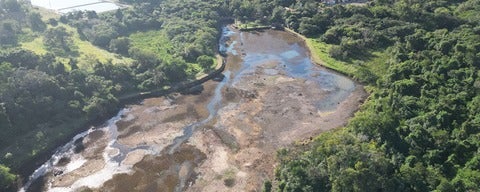
Living with scarcity: Researching Bauru, Brazil’s hidden water systems
This article brings together the work of two graduate students studying water scarcity in Bauru, Brazil, from complementary perspectives. One examines the fragile groundwater systems beneath the city and the risks created by aging infrastructure. The other investigates how households cope when the formal water supply becomes unreliable. Together, their research reveals how hidden water systems, both underground and within homes, are sustaining the city, while also creating new risks and inequities.